To achieve quick and safe connections, it’s important to know how to use snap hook that matches your specific task requirements. Always select a snap hook with the correct size and load rating for your job to ensure optimal performance.
Powerful Machinery offers certified snap hooks you can trust for both strength and safety. Understanding how to use a snap hook properly helps protect your team and equipment every time you connect, so always choose quality hardware for reliable results.
Key Takeaways
Always inspect your snap hook before use. Look for cracks or rust to ensure safety.
Choose the right snap hook size and load rating for your specific task to prevent accidents.
Use locking snap hooks for added security, especially in critical safety situations.
Follow proper attachment steps to ensure a secure connection and avoid accidental disengagement.
Regular training and awareness about snap hook usage can significantly reduce the risk of accidents.
What Is a Snap Hook?
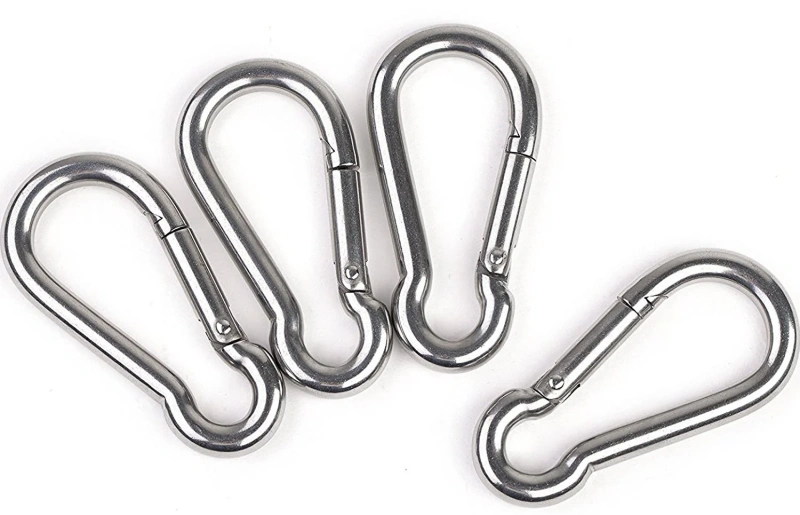
A snap hook gives you a fast and secure way to connect ropes, chains, or straps. You see this tool in many industries because it saves time and boosts safety. The snap hook feature that stands out is its spring-loaded gate. This gate lets you attach or detach gear with one hand.
You do not need extra tools. Powerful Machinery’s certified snap hooks use high-grade steel and a precise snap hook design to handle tough jobs. You can trust these hooks for both strength and reliability.
Key Features of Snap Hooks
You will notice several snap hook features that make these connectors essential. The snap hook groove is a key part of the design. It guides the rope or chain into place and keeps it from slipping out. The snap hook groove also helps the gate close fully, which means your connection stays secure.
Some snap hooks have a locking sleeve for extra safety. Others use a swivel eye to stop twisting. You can find snap hooks in many shapes, such as bolt, trigger, or double-ended types. Each style fits a different job.
Snap hooks come in different materials. Here is a quick look at the most common options:
Material | Description |
|---|---|
Stainless Steel | Works best in wet or salty places. You can use it for marine, safety, and transport jobs. |
Zinc-Plated Steel | Handles general tasks indoors. It fits equipment assembly and light industrial work. |
Alloy Steel | Stands up to heavy loads. You should pick this for tough industrial tasks. |
You should always check the snap hook groove for smooth edges and proper fit. This step helps you avoid wear on your ropes or chains.
Common Uses in Industry
You will find snap hooks in many fields. The common uses of snap hooks include construction, marine, transportation, and cargo handling. In construction, you use a snap hook to connect lifting slings or secure scaffolding. In marine work, you rely on the snap hook groove to keep lines in place on boats or docks.
Transportation crews use snap hooks to tie down cargo and prevent shifting. Cargo handlers trust snap hooks for quick gear changes and safe lifting. You can count on Powerful Machinery’s snap hooks to meet strict safety standards in all these settings.
Tip: Always match the snap hook to your task. Check the snap hook groove and gate before every use to keep your team safe.
How to Use Snap Hook Safely?
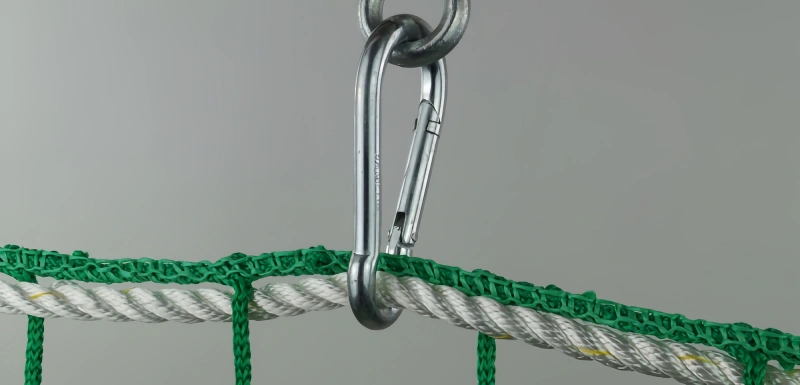
You need to know how to use a snap hook correctly to protect your team and equipment. Following a safe process reduces the risk of accidents and ensures every connection holds under pressure.
Powerful Machinery designs each snap hook to meet strict safety standards, so you can trust its fastening feature in demanding environments.
Inspecting Before Use
Start every job by inspecting your snap hook. Look for cracks, rust, or bent parts. Even a small flaw can weaken the fastening feature and put your load at risk. Check the snap hook groove for smooth edges and make sure the gate opens and closes without sticking.
A snap hook that does not pass inspection should never be used. Studies show that 9% of snap hooks fail when not properly inspected, which can lead to dropped objects or accidental release.
Powerful Machinery tests every snap hook to meet international safety standards. Here is a quick reference for the certifications you should look for:
Safety Standard | Description |
|---|---|
ASME B30.10 | Ensures safety and compatibility in lifting operations. |
ISO9001 | Guarantees quality management systems. |
TUV Rheinland | Confirms products meet safety and quality standards. |
OSHA | Requires 3,600 lb gate strength and a self-locking design. |
Tip: Always inspect your snap hook before each use. Replace any snap hooks that show signs of damage.
Attaching and Securing
You must follow the correct steps for attaching and securing a snap hook. This process ensures the fastening feature works as designed and prevents accidental disengagement. Here is how to use a snap hook for a secure connection:
Hold the snap hook and press the gate to open it.
Insert the rope, chain, or strap into the snap hook groove.
Release the gate so it snaps shut and locks the item in place.
Tug gently on the attached item to confirm a secure connection.
Make sure the load direction matches the design of the snap hook.
Never connect a snap hook to another snap hook or to a D-ring that already has another connector attached. Use only snap hooks with the right working load limit for your task. For heavy-duty jobs, choose snap hooks with a minimum tensile strength of 5,000 lbs.
Locking snap hooks add an extra layer of safety by preventing accidental opening. Always check that the anchorage point can support the load.
Common mistakes include failing to secure the load, not using enough tie-downs, or attaching the snap hook in an unintended configuration. These errors can cause cargo to shift, spill, or fall, leading to accidents and costly damage. Protect your straps with corner protectors and inspect all equipment before use.
Note: Proper training on how to use snap hook is essential for every team member.
Releasing Properly
When you finish the job, you need to release the snap hook safely. Use a locking snap hook whenever possible to prevent accidental disengagement. Make sure the snap hook is compatible with the member it connects to. Avoid engaging snap hooks directly to webbing, rope, or wire rope unless the design allows it.
To release, press the gate and remove the item from the snap hook groove. Always control the load during release to prevent dropped objects or near misses. Powerful Machinery’s snap hooks feature a reliable fastening feature that helps you maintain control during every step.
Callout: Never rush the release process. Take your time to avoid accidents and keep your worksite safe.
By following these steps, you will know how to use a snap hook for quick, secure, and safe connections in any environment.
Snap Hook Safety Tips
Do’s and Don’ts
You must follow strict safety practices when using snap hooks. These steps help you avoid accidents and keep your team safe. Always check the snap hook groove for damage before each use. If you see cracks or deformities, replace the snap hook right away.
Never use a snap hook that does not close fully or has a weak spring. You should only use snap hooks that meet international safety standards, such as ANSI Z359 and CE EN362. Powerful Machinery tests every snap hook to ensure it meets these certifications.
Here are the top five safety tips for using snap hooks in cargo handling:
Safety Tip | Description |
|---|---|
Use Safety Latch Hooks | Hooks with safety latches prevent slings or loads from accidentally slipping off. |
Secure Attachment | Ensure that slings are securely attached to their loads to prevent accidents. |
Follow Manufacturer’s Recommendations | Always adhere to the manufacturer’s guidelines for hook usage to ensure safety. |
Conduct regular inspections of hooks and slings to identify wear or damage. | |
Training and Awareness | Provide training for workers on the proper use of snap hooks and safety practices in cargo handling. |
Tip: Always match the snap hook feature to your task and never exceed the working load limit.
Preventing Accidents
You can prevent most snap hook failures by following a few simple rules. Inspect the snap hook surface for cracks, rust, or fatigue before every use. Check the snap hook groove for smooth edges and proper alignment. Make sure you secure the load to the snap hook and avoid side loading.
Never connect two snap hooks or attach a snap hook to a damaged anchor point.
Routine maintenance checks help you spot problems early. Refer to the load chart for your equipment and never exceed the snap hook’s weight capacity. If you use snap hooks in fall protection or rescue operations, always choose certified products from Powerful Machinery.
Training your team on the correct use of each snap hook feature reduces the risk of accidents.
Callout: Proper training and regular inspections are your best defense against snap hook failures.
Choosing Snap Hooks from Powerful Machinery
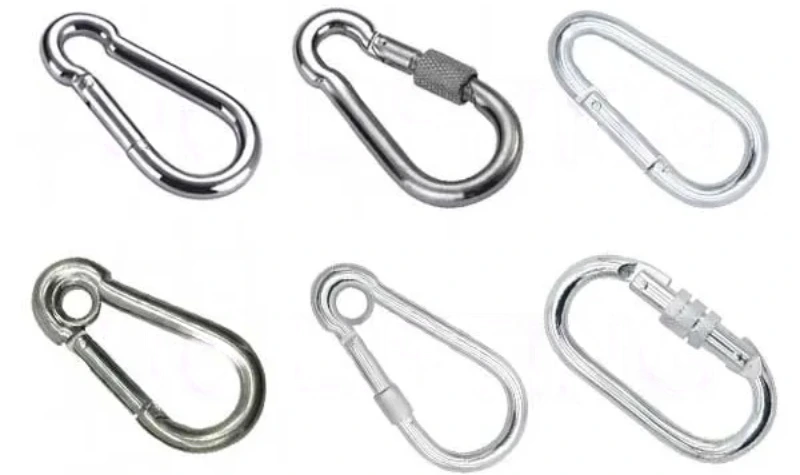
Selecting the right snap hook for your operation starts with understanding the available types and materials. Powerful Machinery offers a wide range of snap hooks, each designed for specific environments and tasks. You can find options that suit construction, marine, transportation, and cargo handling needs.
Types and Materials
You will see many snap hook types in Powerful Machinery’s catalog. Common options include:
Standard snap hooks for general connections
Swivel snap hooks that prevent tangling with 360° rotation
Locking snap hooks for added security
Feel-Safe snap hook for critical safety tasks
Curvette snap hook for specialized rigging
Plasti Metallic Hook for lightweight needs
Hangman Swivel Snap hook and Mini Hangman Swivel for compact spaces
Snap hook Retainer and Snap hook Loop for gear organization
Marine snap hooks help you attach fenders, buoys, or anchors and keep ropes secure. Stainless steel snap hooks resist corrosion, making them ideal for saltwater use.
Material | Characteristics | Durability Impact |
|---|---|---|
Stainless Steel | High strength, rust resistance | Excellent for wet or corrosive environments |
Aluminum | Lightweight, good strength | Not for saltwater or highly corrosive areas |
Brass | Corrosion-resistant, attractive | Moderate strength, decorative, and functional uses |
Die-Cast Zinc | Cost-effective, rust-resistant | Best for light tasks |
Carbon Steel | High strength, needs a protective coating | Reliable for heavy loads, needs rust protection |
Sizing and Load Limits
You must match the snap hook size and load limit to your application. Powerful Machinery provides snap hooks with working load limits (WLL) and breaking strengths for every task.
2″ Flat snap hook: WLL 2,000 lb., Breaking Strength 6,000 lb.
1″ and 2″ snap hooks: WLL from 1,100 to 3,666 lb., Breaking Strength from 3,300 to 11,000 lb.
ANSI Forged Steel Swivel snap hook: Minimum Breaking Strength 11,240 lb. for heavy-duty jobs
Always check the snap hook feature and load chart before use. Oversized snap hooks work best for thick ropes or straps, while smaller ones fit lighter gear.
Matching to Application
You should always match the snap hook type, material, and size to your task. For marine work, choose stainless steel snap hooks for corrosion resistance. For construction or cargo handling, select forged steel snap hooks with high WLL. If you need extra security, use locking snap hooks or those with a special snap hook feature.
Powerful Machinery offers customization for size, finish, and identification markings. This ensures your snap hooks meet international safety standards and fit your unique requirements.
Tip: Review your task, environment, and safety needs before choosing a snap hook. The right snap hook feature will keep your connections secure and efficient.
Conclusion
You can achieve quick and safe connections by following each step for snap hook use. Always inspect your hardware, match the snap hook to your task, and verify certifications. Proper product selection boosts safety and reliability:
Material | Tensile Strength (MPa) | Corrosion Resistance | Best For |
|---|---|---|---|
Hot-Dip Galvanized Carbon Steel | 400–550 | Moderate | Cargo securement |
Grade 304 Stainless Steel | 500–700 | Good | Marine docks |
Grade 316 Stainless Steel | 520–750 | Excellent | Offshore rigging |
“Snap hooks aren’t ‘set and forget’ components. Their gate integrity degrades faster than the body under cyclic loading. Inspect the spring tension and gate travel every 30 days in high-use settings—or after any impact event.” — Dr. Lena Torres, P.E.
Choose certified snap hooks from Powerful Machinery for lasting performance. Apply these best practices to keep your operations safe and efficient.
FAQ
How do you choose the right snap hook for your job?
You should check the load rating, material, and size. Match the snap hook to your rope or chain. Review your task and environment. Powerful Machinery offers certified options for every industry.
Can you use snap hooks for lifting heavy loads?
Yes, you can use snap hooks for lifting if they have the correct working load limit. Always check the manufacturer’s specifications. Choose snap hooks from Powerful Machinery that meet international safety standards.
How often should you inspect your snap hooks?
Inspect your snap hooks before each use. Look for cracks, rust, or bent parts. Replace any damaged hooks immediately. Regular inspections help you prevent accidents and equipment failure.
What is the difference between a locking snap hook and a standard snap hook?
A locking snap hook has a secure mechanism that prevents accidental opening. You should use locking snap hooks for critical safety tasks. Standard snap hooks allow quick connections but do not lock automatically.
Can you connect two snap hooks?
You should not connect two snap hooks directly. This practice can weaken the connection and increase the risk of failure. Always use proper anchor points or connectors for safe and secure attachment.