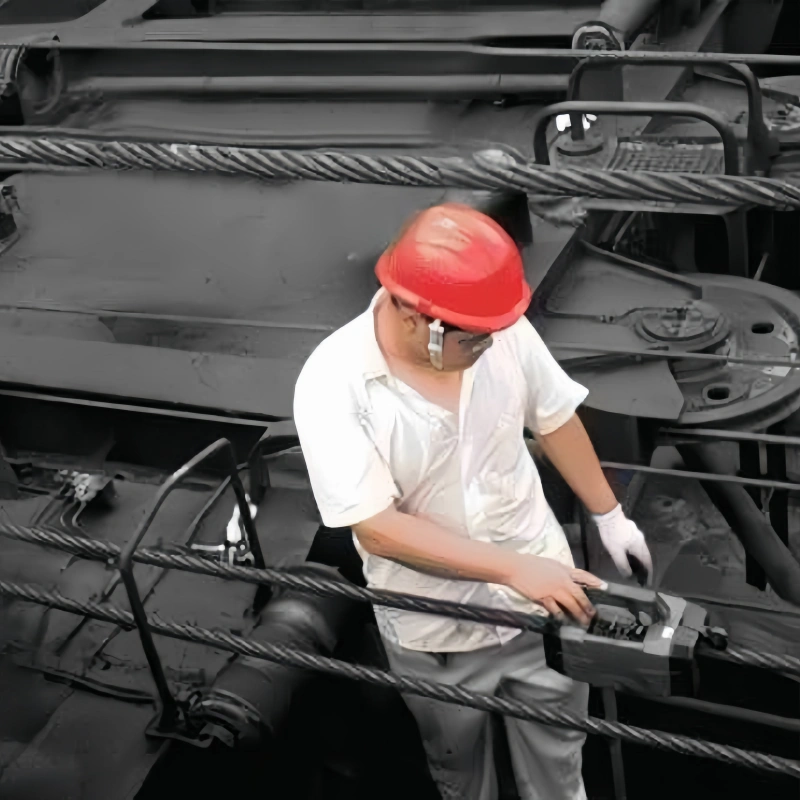
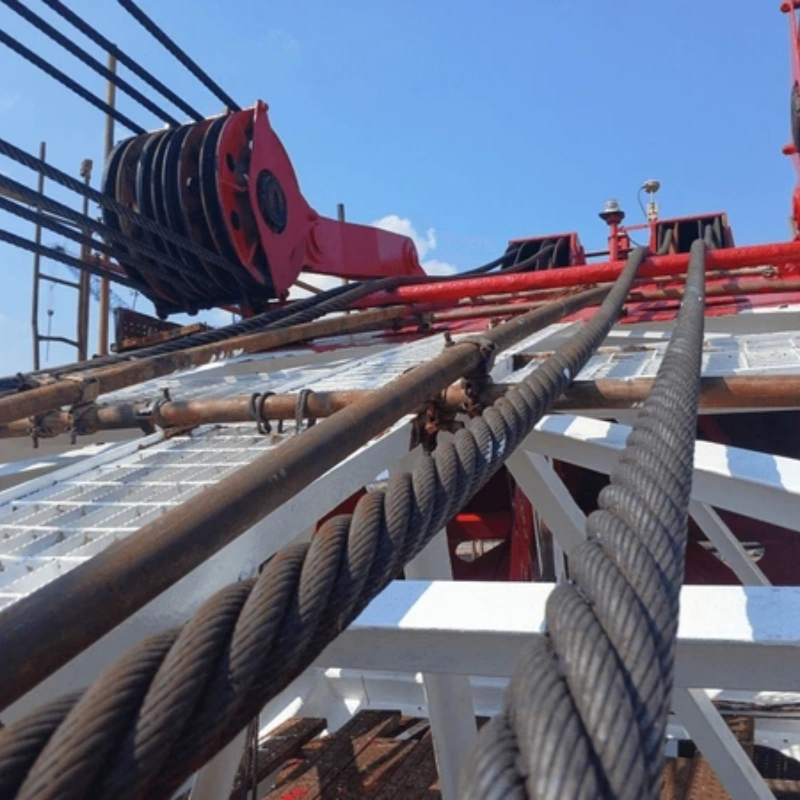
You understand that regular jack inspection protects workers and equipment from harm. When you perform jack inspections before every lift, you prevent costly accidents and ensure optimal lifting power. Powerful Machinery delivers certified solutions that support your commitment to safe jack inspection.
You rely on jacks inspection to maintain reliability and extend equipment life. You improve workplace safety with jack inspection, especially when handling heavy loads in construction. The types of jacks you choose play a key role in keeping your lift operations secure.
Key Takeaways
Inspect jacks before every lift to ensure safety and prevent accidents. Look for visible damage, leaks, and verify load capacity.
Maintain hydraulic fluid levels regularly. Low fluid can lead to unsafe lifting and equipment failure.
Follow Powerful Machinery’s certified guidelines for jack inspection. Adhering to these standards enhances safety and compliance.
Use jack stands for added support after lifting. They prevent accidents by securely holding the weight, even if a jack fails.
Schedule professional servicing for your jacks regularly. This helps maintain reliability and extends the lifespan of your equipment.
Jack’s Inspection for Safety and Performance
Why Jack’s Inspection Matters?
You protect your team and equipment when you inspect jacks before and after each use. OSHA requires up-to-date maintenance records and safety checks for all lifting equipment.
Powerful Machinery’s jacks meet international certifications, including ISO9001 and TUV Rheinland, so you can trust their reliability on every job. You reduce risks and avoid costly fines by following a thorough inspection checklist.
Tip: Always check seals, hydraulic lines, and valves daily to prevent fluid leaks and mechanical failures.
Common safety incidents in construction often involve hydraulic jacks. You can prevent these risks by inspecting for:
Fluid leaks or damaged seals
Improper load placement
Overloading beyond rated capacity
Faulty valves or control systems
You should use load stabilizers for oddly shaped items and maintain extra capacity when moving heavy loads. Dual control valve systems add another layer of safety for critical lifts. Regular inspections help you identify issues early, keeping lifting elements safe, compliant, and fit for use.
Powerful Machinery’s Safety Standards
Powerful Machinery sets high safety standards for every jack. You benefit from products that undergo rigorous testing and meet OSHA, ASTM, and EURO CERT requirements. Each jack is designed for safe lifting and long-term performance.
When you follow a systematic inspection protocol, you:
Prevent accidents caused by worn or malfunctioning mechanisms
Maintain compliance with legal requirements
Reduce downtime and boost productivity
Protect your investment in lifting equipment
Regular inspections ensure your jacks are always ready for safe lifting. You create a safer work environment and extend the lifespan of your equipment. Powerful Machinery supports your commitment to safety with certified products and clear inspection guidelines.
Types of Construction Jacks
Hydraulic Jacks Overview
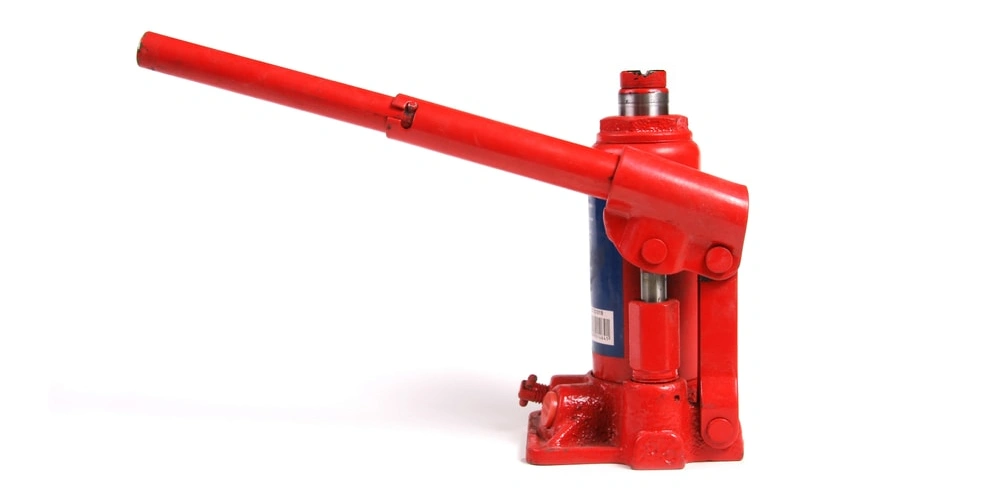
You rely on hydraulic jacks for most heavy lifting tasks on your job site. These tools use hydraulic fluid to generate force, making them essential for raising equipment and vehicles such as bulldozers and excavators. Hydraulic jacks deliver high lifting capacity, precision control, and smooth operation.
You can easily position them under loads and operate them with minimal effort. Their durability and reliability make them a top choice for demanding environments. When you use hydraulic jacks, you benefit from their ability to handle substantial weights with ease.
You must inspect hydraulic jacks regularly for leaks and fluid levels to maintain their performance. Hydraulic jacks require you to check seals and valves before every use. You will find hydraulic jacks in almost every construction project because they offer consistent results.
Hydraulic jacks also provide overload protection, which helps you avoid accidents. You can trust hydraulic jacks to deliver safe and efficient lifting when you follow proper inspection routines. Hydraulic jacks are sensitive to leaks, so you need to monitor them closely.
Hydraulic jacks give you the control needed for precise lifting. Hydraulic jacks are easy to use, but you must always follow safety guidelines. Hydraulic jacks are built for longevity, but only if you maintain them well.
Hydraulic jacks are compact and portable, making them suitable for various site conditions. Hydraulic jacks support your commitment to safety and productivity.
Note: Always check the hydraulic fluid and seals before operating hydraulic jacks to prevent failures.
Advantages | Limitations |
|---|---|
High lifting capacity | Limited lifting range |
Ease of use | Sensitivity to leaks |
Precision control | |
Durability and reliability |
Mechanical Jacks Overview
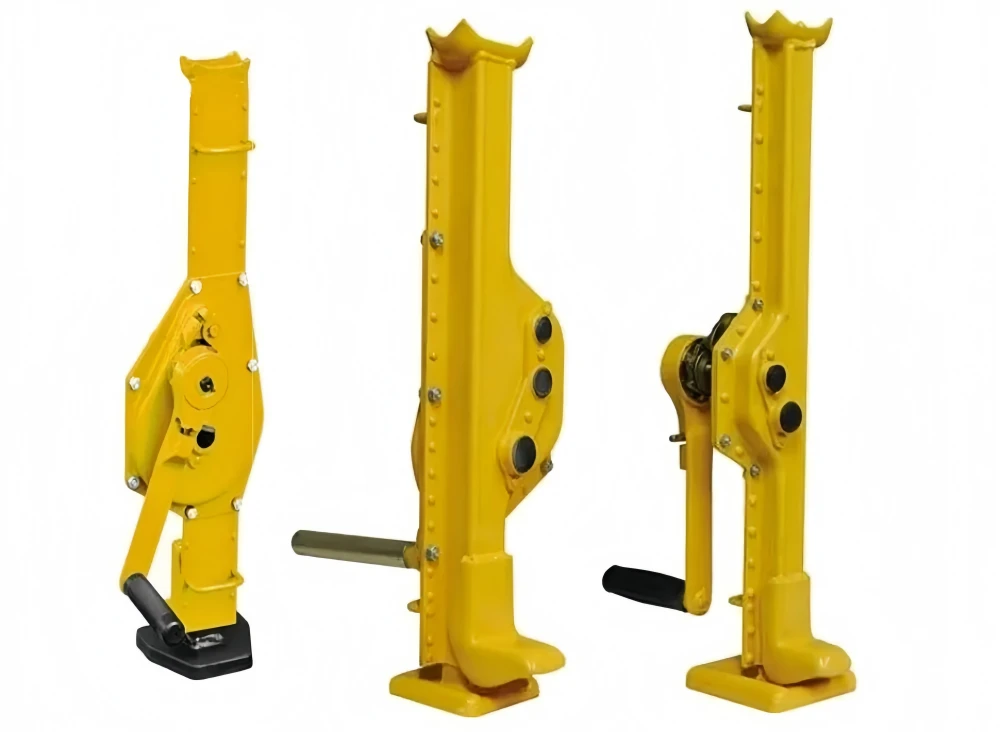
Mechanical jacks serve as reliable tools for lifting and supporting heavy loads. You use them for tasks like raising buildings during repairs or relocations. Mechanical jacks, such as screw jacks, are self-locking and safe to operate. You only need to lubricate the screw threads and gear surfaces to keep them in good condition.
Mechanical jacks have fewer parts that can fail, so you experience less downtime. You will notice that mechanical jacks have a lower lifting capacity compared to hydraulic jacks, but they require less frequent maintenance. You should inspect and lubricate them regularly for optimal performance.
Hydraulic jacks require regular inspection and replacement of hydraulic fluid and seals.
Mechanical jacks need only lubrication of screw threads and gear surfaces.
Hydraulic jacks face reliability challenges due to the condition of the hydraulic fluid and seals.
Mechanical jacks have fewer parts that can fail, leading to reduced downtime.
Mechanical jacks have a lower lifting capacity compared to hydraulic jacks.
Mechanical jacks require less frequent maintenance, mainly lubrication and inspection.
Hydraulic jacks need regular checks for leaks, fluid levels, and seal integrity.
Toe Jacks for Low Clearance
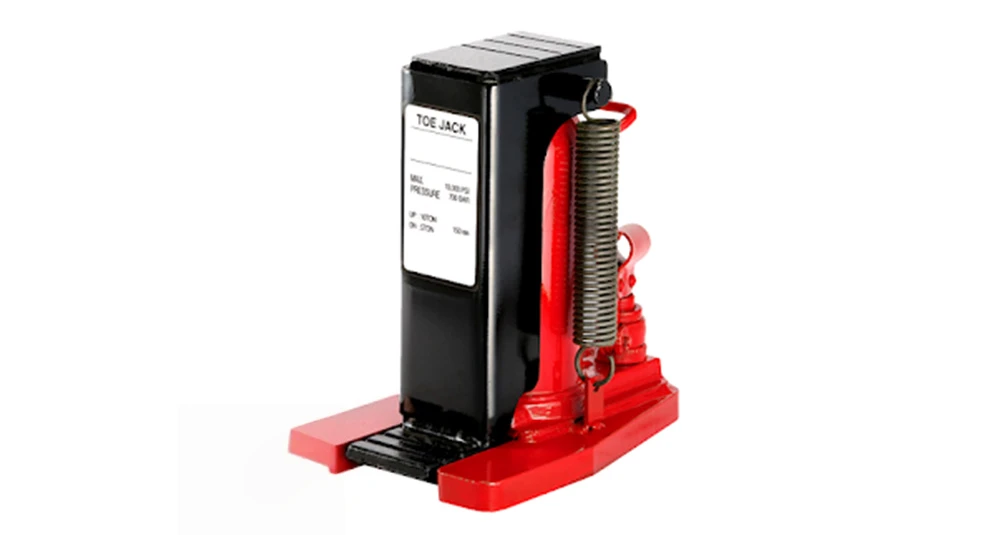
Toe jacks help you lift loads with very low ground clearance. You can slide toe jacks under equipment with clearances as low as 15-25 mm. These jacks are perfect for moving heavy machinery like CNC machines, transformers, and industrial presses.
You benefit from their precision and safety features, especially in confined spaces where load balance is critical. Toe jacks allow you to work safely and efficiently when movement is limited.
Toe jacks are ideal for ultra-low clearance operations.
You can use them for lifting heavy machinery in tight spaces.
Their design ensures stability and safety during lifts.
Powerful Machinery Jacks Features
You gain several advantages when you choose Powerful Machinery jacks for your projects. These jacks come with overload protection, secure release valves, and higher lifting capacity. You can transport them easily due to their compact and portable design.
The hydraulic systems in these jacks provide smooth and effortless lifting. You can rely on their durability and long service life with proper maintenance.
Feature/Benefit | Description |
|---|---|
Overload Protection | Prevents lifting beyond the jack’s capacity, enhancing safety. |
Secure Release Valves | Ensures controlled lowering of loads, reducing the risk of accidents. |
Higher Lifting Capacity | Capable of lifting heavier loads with less effort, improving efficiency. |
Compact & Portable | Easy to transport and use in various construction scenarios. |
Smooth Operation | Hydraulic systems allow for effortless lifting and lowering. |
Reliable & Durable | Designed for longevity with proper maintenance, ensuring reliability on-site. |
Step-by-Step Jack’s Inspection Checklist
A thorough inspection routine protects your team and equipment. You must follow a systematic approach to ensure every jack meets safety and performance standards.
Powerful Machinery’s product specifications guide you through each step, helping you maintain a safe hydraulic jack and reliable lifting operations on your construction site.
Visual Damage and Wear Checks
Start your inspection by examining each jack for visible signs of damage or wear. Look closely at the jack body and cylinder for cracks, dents, or excessive wear. Inspect the piston rods for scoring or pitting. Check couplers, hoses, and fasteners for any signs of bending or corrosion.
Review the base for stability and ensure it is free from deformation or rust. Examine the ratchet mechanism and lifting arm for straightness and secure locking. You must confirm that the saddle is not flattened or damaged.
Inspect the jack and cylinder bodies for cracks, dents, or wear.
Check piston rods for scoring or pitting.
Examine couplers, hoses, and fasteners for wear or bending.
Ensure the base is flat, stable, and free from rust.
Review the ratchet mechanism and lifting arm for smooth movement and secure locking.
Confirm the saddle is undamaged.
Tip: Document any signs of damage immediately and remove compromised jacks from service.
Load Capacity Verification
You must verify the load capacity before every lift. Each mechanical jack from Powerful Machinery has a defined weight limit. Never exceed this rating. Begin by inspecting the hydraulic oil level and replacing contaminated oil. Place the jack on a firm, level surface.
Align the lifting saddle with the load’s jacking pad. Maintain a safe distance from the load and keep untrained personnel clear of the area. Set the control lever to ‘Advance’ and raise the saddle until it contacts the load.
Insert load-holding rings to secure the load as you lift. Release pressure slightly to let the load rest on the rings. Turn off the motor and release any residual pressure.
Inspect hydraulic oil and replace it if contaminated.
Position the jack on a stable, level surface.
Align the lifting saddle with the load’s jacking pad.
Keep the area clear of untrained personnel.
Engage the lift and raise the saddle to contact the load.
Insert load-holding rings for security.
Release pressure and let the load rest on the rings.
Turn off the motor and release residual pressure.
Note: Always check the manufacturer’s documentation for the correct load rating and procedures.
Hydraulic Fluid Level Inspection
Proper hydraulic fluid levels are critical for safe hydraulic jack operation. Regularly check the hydraulic fluid level to prevent operational issues. Inspect the oil level in the tank and add hydraulic mineral oil as needed. Use only the oil type recommended by Powerful Machinery.
Low fluid levels can cause loss of pressure and unsafe lifting. Perform a hydraulic oil check before each use to maintain optimal performance.
Check the hydraulic fluid level before every lift.
Add hydraulic mineral oil if levels are low.
Use manufacturer-recommended oil types.
Inspect for leaks around seals and connections.
Alert: Never operate a hydraulic jacking system with low or contaminated fluid.
Component Integrity Assessment
You must assess the integrity of key components to ensure safe lifting. Examine machining tolerances to confirm a precise fit between pistons and cylinder walls. Thick, seamless cylinder walls withstand high pressures and prevent bulging or rupture. Inspect seals for quality and material type.
High-performance seals maintain pressure and prevent failure. Conduct a hydraulic pressure test to verify the system holds pressure under load. Review all safety devices and locking mechanisms for proper function.
Check machining tolerances for piston and cylinder fit.
Inspect cylinder wall thickness and seamless construction.
Review seal quality and material.
Perform a hydraulic pressure test to confirm pressure retention.
Test safety devices and locking mechanisms.
Tip: Replace worn seals and components immediately to avoid unexpected failures.
Safety Features and Locking Mechanisms
Safety features and locking mechanisms prevent accidental jack failure. Powerful Machinery equips each jack with advanced safety devices. Restraint devices keep arms in place and prevent tipping. Arm locking systems secure lift arms during operation.
Proper positioning aligns pick-up plates with jacking points for safe lifting. Equalizing systems ensure even load distribution. Load management technology monitors and manages the load to prevent overload. Regular maintenance checks cable slack and anchor points.
Always follow the instruction manual and safety protocols.
Safety Feature | Description |
|---|---|
Restraint Devices | Gear mechanisms that keep the arms in place are essential for stability and preventing tipping. |
Arm Locking Systems | Secure lift arms to prevent unexpected movement during operation. |
Proper Vehicle Positioning | Align pick-up plates with jacking points for safe lifting. |
Equalizing Systems | Maintain lift stability by ensuring even load distribution. |
Load Management Technology | Monitor and manage the load to prevent overload situations. |
Regular Maintenance | Check cable slack and ensure the lift is anchored correctly. |
Safety Protocols | Follow the instruction manual and safety protocols to prevent accidents during use. |
Reminder: Always inspect safety features and locking mechanisms before each lift to ensure reliable operation.
A complete maintenance checklist includes visual damage checks, load capacity verification, hydraulic oil checks, component inspection, and confirmation of safety devices. You must follow these hydraulic jack practices to maintain a safe hydraulic jacking system and protect your team on every construction project.
Common Hazards and Safe Lifting Practices
Overloading and Placement Risks
You face common hazards every time you lift heavy loads in construction. Overloading a jack or placing it incorrectly can cause serious safety risks. When you exceed the rated capacity, you increase the chance of tipping, dropping the load, or damaging equipment.
Poor placement leads to instability and unexpected breakdowns. To avoid these issues, follow essential best practices:
Never exceed the weight limit of your jack stand.
Always balance and secure the load before lifting.
Place the heaviest items at the bottom for stability.
Inspect your jack stand before every use.
Plan your route and check for obstacles.
By following these best practices, you reduce workflow disruptions and keep your team safe.
Mechanical Failures Prevention
Mechanical failures often result from neglect or improper use. You must inspect for cracks, leaks, and worn parts before each lift. Clean and lubricate moving parts as recommended. Set up your jack stand on a stable, level surface. Always support the load with jack stands after lifting.
Never rely on a jack alone. Confirm the rated load capacity and test all safety mechanisms. Routine inspections and proper use of jack stands prevent accidents and equipment damage.
Inspect for damage before use.
Lubricate and clean regularly.
Use jack stands for support.
Follow manufacturer instructions.
Environmental Factors Impact
Environmental conditions affect the performance and safety of your jack stand. Temperature extremes can cause hydraulic fluids or seals to fail. High humidity exposes your jack stand to dust, dirt, and moisture, which can lead to corrosion. For outdoor construction, durability and regular maintenance are critical.
The table below shows how environmental factors impact your jack stand:
Environmental Factor | Impact on Hydraulic Jacks |
|---|---|
Temperature Extremes | Some hydraulic fluids or seals perform poorly in very cold or hot conditions. |
Humidity | Jacks must resist dust, dirt, and moisture, requiring sealed components and corrosion-resistant materials. |
Usage Environment | For outdoor construction sites, durability and maintenance are critical due to exposure to harsh conditions. |
Using Jack Stands for Safety
Jack stands play a vital role in construction safety. You must use jack stands to provide stable support for heavy loads after lifting. Jack stands prevent accidents by holding the weight securely, even if a jack fails. Always use jack stands in pairs for balanced support.
Make sure your jack stand matches the load’s weight. Never use makeshift supports. Proper use of jack stands is essential for safe lifting practices. Jack stands should be inspected before every use and set on a solid, level surface. You protect your team and equipment when you rely on jack stands for every lift.
Tip: Stay alert and aware of your surroundings. Receive proper training and always follow safe lifting practices to avoid common hazards.
Regulatory Standards and Compliance
OSHA and International Certifications
You must follow strict regulatory standards when you use jacks in construction. OSHA and international certifications set clear requirements for safe operation. Operators need formal instruction, practical training, and a final evaluation before handling powered jacks. You can complete training online or in a classroom.
Certified evaluators supervise hands-on practice to confirm your skills. The final assessment checks your ability to use jacks safely in real-world situations.
Requirement Type | Description |
|---|---|
Formal Instruction | Training can be completed online or in a classroom setting. |
Practical Training | Hands-on training supervised by a certified evaluator to ensure competency. |
Operator Evaluation | Final assessment to confirm the operator’s ability to safely handle the equipment in real-world scenarios. |
Electric pallet jacks are classified as powered industrial trucks under OSHA regulation 1910.178.
Operators must receive formal instruction, practical training, and an operator evaluation.
Manual pallet jacks do not require certification, but still need training for safe operation.
You protect your team and equipment when you meet these standards. International certifications like ISO9001 and TUV Rheinland also confirm that your jacks meet global safety guidelines.
Manufacturer Guidelines from Powerful Machinery
You must follow manufacturer guidelines to maintain safety and performance. Powerful Machinery provides detailed instructions for each jack. You should inspect your equipment before every use and check for visible damage. Always verify load capacity and confirm hydraulic fluid levels.
Replace worn parts and seals as soon as you notice issues. You must use only approved replacement parts to keep your jacks reliable. Powerful Machinery’s guidelines help you prevent accidents and extend the life of your lifting tools.
Tip: Review the instruction manual regularly and keep maintenance records up to date.
Site-Specific Safety Policies
Every construction site has unique safety policies. You must learn these rules before you start work. Site managers often require extra training or specific inspections for lifting equipment. You should attend safety briefings and follow posted safety guidelines.
Always wear proper personal protective equipment and use jack stands for support. You improve safety when you follow both company policies and manufacturer instructions.
Note: Ask your supervisor if you have questions about site-specific safety guidelines.
Hydraulic Jack Maintenance and Troubleshooting
Routine Cleaning and Lubrication
You keep your hydraulic jack in top condition with routine maintenance. Clean the jack after each use to remove dirt and debris. Use a soft cloth to wipe down the body and moving parts. Lubricate pivots, joints, and the pump assembly with high-quality lubricant.
Pay attention to the wheels, handle pivot points, lifting arm joints, saddle, and the release valve. Always use hydraulic oil and lubricants that meet manufacturer specifications. Regularly check oil levels and ensure the fluid is clean and free of contaminants.
This routine maintenance helps prevent wear and keeps your jack operating smoothly.
Clean the jack body and moving parts after every use.
Lubricate all moving components as recommended.
Check and maintain hydraulic oil levels.
Inspect for leaks or damage and address them immediately.
Tip: Keeping your jack clean and well-lubricated extends its service life and ensures safe operation.
Hydraulic System Maintenance
You maintain optimal performance by following a strict hydraulic jack maintenance schedule. Check the hydraulic oil daily and make sure the level is at least two-thirds full. Replace the oil twice a year or sooner if it appears dirty or contaminated. Inspect hoses, seals, and fittings for signs of wear or leaks.
Clean these components to prevent contamination. Test the load-holding features before each use. Inspect load holding rings and valves to confirm they work properly.
Check and replace hydraulic oil as needed.
Inspect hoses, seals, and fittings regularly.
Clean all hydraulic components.
Test safety features before every lift.
Identifying and Fixing Leaks
You spot hydraulic fluid leaks by looking for puddles under the jack or noticing a drop in lifting performance. Leaks often result from worn-out seals, damaged O-rings, or loose connections. Inspect seals and O-rings regularly and replace them if you see wear or damage.
Tighten any loose connections in the hydraulic system. According to recent industry reports, most leaks come from worn seals or O-rings, so regular inspection is critical.
When checking equipment, pay special attention to parts that get really stressed out during operation. Inspect areas like the pump piston and release valve for signs of wear, such as flat spots or scratches.
Replacing Worn Parts
You ensure safe operation by replacing worn parts as soon as you notice issues. Focus on seals, O-rings, and any components that show visible damage or excessive wear. Use only manufacturer-approved replacement parts to maintain reliability.
If you see cracks, flat spots, or corrosion, remove the jack from service and replace the affected parts immediately. This approach prevents unexpected failures and supports safe lifting in construction environments.
When to Seek Professional Servicing?
You know it is time for professional servicing when you notice persistent oil leaks, difficulty raising or lowering loads, or unusual noises during operation. Slow or inconsistent lifting performance and visible damage to critical components also signal the need for expert attention.
Do not attempt complex repairs yourself. Rely on certified technicians to restore your hydraulic jack to peak condition. Professional servicing ensures your equipment meets safety standards and remains reliable for every lift.
Note: Schedule professional servicing at regular intervals, even if your jack appears to work well. Preventive servicing reduces downtime and extends equipment life.
Conclusion
You protect your team and equipment when you follow a thorough jack inspection routine.
Inspect for damage and verify load capacity every time.
Maintain hydraulic fluid levels and replace worn parts quickly.
Rely on Powerful Machinery’s certified guidelines and international standards for every lift.
Regular maintenance and professional servicing keep your hydraulic jacks reliable. Choose certified products and make safety your top priority on every construction project.
FAQ
What is the maximum load capacity of Powerful Machinery Toe Jacks?
You can find the maximum load capacity on the product label or in the user manual. Always check this information before lifting. Never exceed the rated capacity to ensure safe operation.
How do you maintain the hydraulic system of a Toe Jack?
You should inspect hydraulic fluid levels before each use. Replace the oil if it appears dirty. Clean the jack after every job. Lubricate moving parts regularly. Follow the maintenance schedule in the Powerful Machinery manual.
Can you use Mechanical Jacks for automotive repairs?
Yes, you can use Mechanical Jacks for automotive repairs. These jacks provide stable lifting and precise control. Always verify the jack’s load rating matches your vehicle’s weight.
What safety precautions should you take when using jacks?
Inspect the jack for damage before use.
Place the jack on a stable, level surface.
Never exceed the rated load capacity.
Use jack stands for added safety.
Tip: Always wear personal protective equipment during lifting operations.
Are replacement parts available for Powerful Machinery jacks?
Yes, you can order replacement parts directly from Powerful Machinery or authorized distributors. Use only approved parts to maintain safety and performance.