You need to keep your lifting equipment in top condition to protect your team and support compliance with safety standards. Regular maintenance lowers the risk of accidents and helps you avoid legal issues.
Powerful Machinery delivers reliable solutions that make industrial lifting equipment maintenance straightforward. When you follow proper maintenance routines, you foster a culture of safety and ensure your operations run smoothly.
Key Takeaways
Regular maintenance of lifting equipment is crucial for safety and compliance. It helps prevent accidents and meets legal standards.
A structured maintenance schedule can save money and extend the lifespan of your equipment. Early detection of issues reduces repair costs and downtime.
Daily inspections are essential. Check brakes, hydraulics, and safety controls before each shift to ensure safe operation.
Keep accurate maintenance records. Detailed logs help demonstrate compliance and identify trends for proactive maintenance.
Embrace technology like IoT for remote monitoring. It allows for early detection of problems, reducing unexpected breakdowns and enhancing safety.
Why Regular Maintenance for Lifting Equipment Matters?
Safety and Compliance
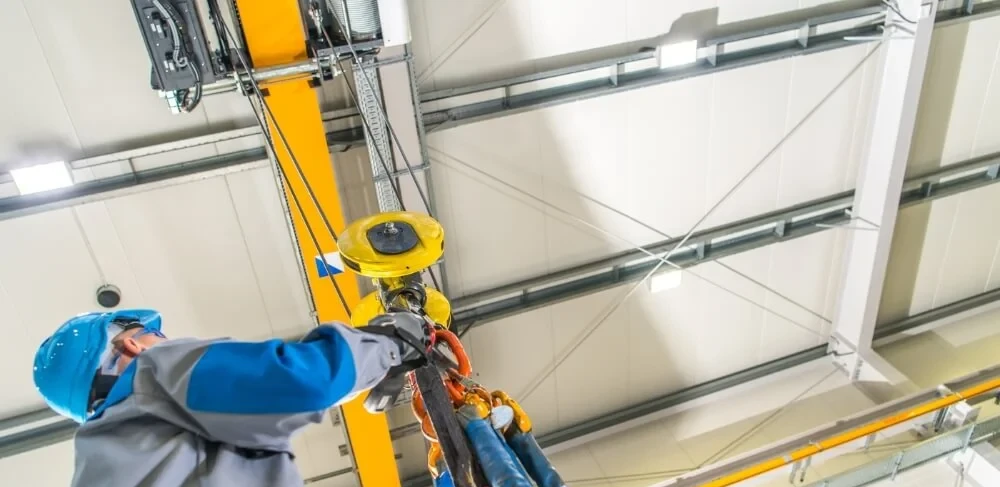
You protect your team and your business when you prioritize regular maintenance for lifting equipment. Neglected lifting equipment maintenance leads to preventable accidents and injuries. Workers face increased risks from equipment failure or human error.
Poorly maintained machines can trap or injure people, causing major disruptions and legal liabilities. You must follow strict guidelines set by OSHA, ASME, and ISO to meet compliance standards. These regulations require you to inspect and maintain your equipment to ensure enhanced safety and operational reliability.
Powerful Machinery sets an example by delivering certified products that meet international safety standards, helping you maintain compliance and reduce risks.
Tip: Always check brakes, hydraulics, and safety controls before each shift to avoid unpredictable machine behavior.
Cost Savings and Longevity
You save money and extend the life of your industrial lifting equipment when you follow a structured maintenance schedule. Regular maintenance reduces unplanned breakdowns by up to 70%, lowering repair costs and minimizing downtime.
Investing in maintenance is much cheaper than paying for major repairs. For example, spending $15,000 on maintenance is far less than facing a $40,000 repair bill for a $200,000 machine.
Regular inspections help you spot issues early, while proper lubrication and cleaning prevent wear and tear. Timely repairs and part replacements keep your lifting equipment running longer, giving you a higher return on investment.
Improved lift safety
Reduced downtime
Long-term cost savings
Operational Efficiency
You keep your operations running smoothly when you commit to industrial lifting equipment maintenance. Well-maintained equipment allows you to meet production goals and delivery commitments with confidence. Preventive maintenance avoids unexpected failures and costly repairs.
Your machines run efficiently and reliably, minimizing unplanned downtime and supporting high productivity. Consistent performance leads to better product quality and fewer defects. Powerful Machinery’s lifting equipment supports operational continuity with durable, easy-to-maintain designs.
Improvement Type | Description |
|---|---|
Cost Reduction | Preventive maintenance helps avoid major repairs and saves costs associated with downtime. |
Reducing Downtime | Ensures equipment remains in optimal condition, reducing the chances of unplanned failures. |
Safety Enhancement | Regular inspections help identify safety issues, reducing the risk of accidents on-site. |
Longevity of Equipment | Extends the lifespan of equipment, leading to a higher return on investment for businesses. |
Industrial Lifting Equipment Maintenance Checklist
You need a clear and practical checklist to keep your lifting equipment safe, compliant, and reliable. Following a structured maintenance schedule helps you prevent unexpected breakdowns and supports increased equipment lifespan.
Powerful Machinery’s lifting equipment, such as wire rope pulling hoists, chain pulley blocks, and I Beam Hoist Clamps, requires consistent attention to maintain improved performance and safety.
Daily Inspections
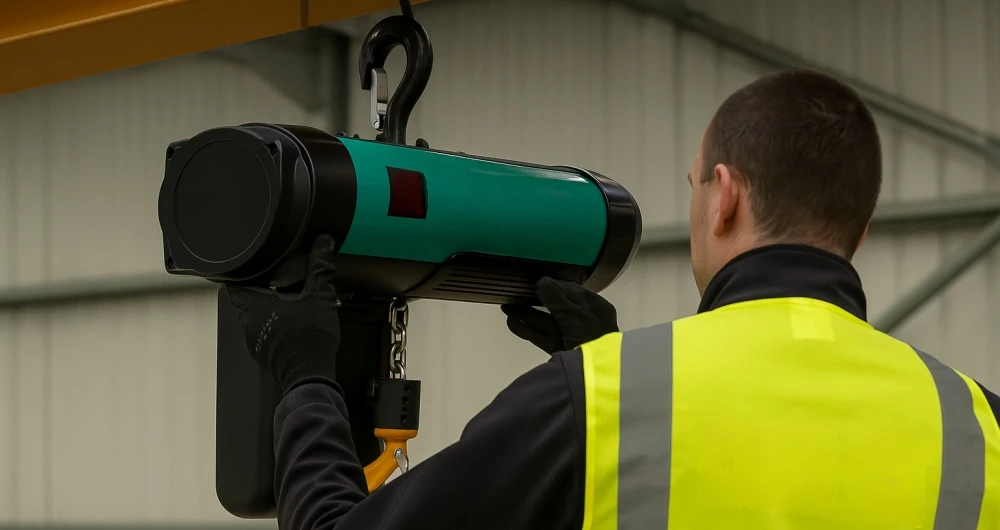
Start each shift with a thorough inspection and testing of your industrial lifting equipment. Daily checks help you catch issues early and avoid costly downtime. Use the table below to guide your routine:
Inspection Point | Description |
|---|---|
Brakes, steering, and horn | Must be responsive and free from lag or resistance |
Lights, mirrors, and visibility aids | Ensure full visibility and proper signaling |
Hydraulic lines and hoses | Check for leaks, cracks, and wear |
Tires or tracks | Look for low pressure, damage, or embedded debris |
Engine oil, coolant, and fuel levels | Top off if low; report any leaks immediately |
Load-handling components | Forks, buckets, booms, and lifting chains must be damage-free |
Safety gear | Fire extinguisher, first-aid kit, seat belts, and warning labels in place |
Dashboard indicators | No warning lights should be ignored |
Obvious damage or wear | Cracks, loose parts, or structural issues should be flagged |
Last inspection status | Review any previous issues or open work orders before operating |
You should also:
Ensure hoists are not tagged ‘Out of Service’.
Verify hoist nameplates are present and complete.
Make sure all warning and safety labels are legible.
Run a test to confirm all motions match control device markings.
Inspect hooks for cracks, nicks, and deformation.
Check load chains for nicks, gouges, and wear.
Listen for unusual sounds from the hoist mechanism.
Common issues you may find include repaired or modified parts, shackles with incorrect pins, frozen hoist ring bolts, homemade or unmarked devices, missing identification tags, broken wires, corrosion, and damaged rigging hardware. Address these problems immediately to maintain safety and compliance.
Tip: Document any defects and report them before using the equipment.
Weekly and Monthly Tasks
Weekly and monthly maintenance tasks go beyond daily inspections. These tasks help you catch wear and tear that may not be obvious right away. For Powerful Machinery’s lifting equipment, such as chain pulley blocks and wire rope pulling hoists, you should:
Weekly Tasks:
Lubricate moving parts like pulleys and bearings.
Inspect and clean door mechanisms to prevent obstructions.
Test emergency communication systems.
Check oil and filters; top up engine oil, hydraulic fluid, and coolant.
Clean or replace engine air filters.
Inspect tires and tracks for wear and proper traction.
Check hydraulic fluid levels and inspect for leaks.
Monthly Tasks:
Apply lubricant to all moving components to reduce friction and wear.
Inspect the radiator and coolant system to prevent overheating.
Check belts and hoses for signs of wear or damage.
Remove debris and build-up from the engine compartment and undercarriage.
Change oil and replace oil filters.
Inspect and replace air and fuel filters.
Check air intake systems for obstructions.
Inspect hoses, connections, and radiator for leaks or damage.
Conduct thorough inspections of hoistway and pit areas for debris and damage.
Test and adjust door closing speed and leveling accuracy.
Clean lighting fixtures in lift shafts.
Regular maintenance at these intervals helps you avoid unexpected breakdowns and supports improved performance.
Annual and Specialized Checks
Annual inspections and specialized checks are critical for industrial lifting equipment maintenance. You must schedule formal inspection and testing by qualified engineers or third-party assessors. These professionals perform load tests, check all parts, and ensure compliance with safety standards.
Annual certification is required for legality and safety. Inspections assess structural, electrical, and mechanical integrity, often involving partial disassembly to access critical components. Missing annual inspections can lead to serious consequences:
Consequence | Description |
|---|---|
Legal Repercussions | Neglecting inspections can lead to legal investigations and potential criminal charges. |
Financial Losses | Insurance claims may be denied, leaving operators liable for damages. |
Safety Risks | Increased risk of equipment failure, leading to severe injuries or fatalities. |
You must never skip annual inspections. Regular inspections and certification protect your team and your business.
Maintenance Records
Accurate maintenance records are essential for lifting equipment maintenance. You need to keep detailed logs of all inspections, maintenance work, and repairs. Maintenance records help you demonstrate compliance with regulations and support equipment reliability.
Best practices for recordkeeping include:
Maintain detailed maintenance logs for inspections and repairs.
Ensure compliance with local regulations and industry standards.
Document incidents and follow up with corrective actions.
Standardize log templates for consistency.
Establish clear processes for data entry and record-keeping.
Regularly update maintenance logs to ensure accuracy.
Automate logging with software to reduce errors.
Assign responsibilities for maintaining records.
Review logs regularly to identify performance patterns.
Accurate records allow you to identify trends, address potential issues proactively, and avoid costly fines or penalties. Maintenance records provide valuable documentation during audits or inspections and contribute to increased equipment lifespan.
Note: Always follow manufacturer guidelines for inspection and maintenance. Powerful Machinery provides detailed instructions for each product to help you maintain safety and reliability.
By following this industrial lifting equipment maintenance checklist, you ensure your lifting equipment remains safe, compliant, and efficient. Regular maintenance and thorough documentation support operational continuity and improved performance across your site.
Preventive Strategies for Lifting Equipment
Early Issue Detection
You can prevent costly breakdowns by detecting issues early. Regular inspections and scheduled maintenance keep your industrial lifting equipment in top working condition. When you follow a maintenance schedule, you spot small problems before they become major failures.
Daily pre-operation checks, fluid analysis, and monitoring machines throughout the workday help you recognize early signs of wear and tear. Proper operator training ensures your team stays alert to warning signs like jerky controls, slow responses, or dashboard warning lights.
Early detection minimizes downtime and supports a safer work environment.
Tip: Address any unusual sounds, leaks, or warning lights immediately to avoid bigger problems.
Lubrication and Cleaning
Proper lubrication and cleaning play a key role in preventive maintenance. Lubrication reduces friction, dissipates heat, and prevents corrosion. This extends the lifespan of your lifting equipment and keeps it running smoothly. Cleaning removes debris that can cause damage or block moving parts.
When you follow manufacturer recommendations for lubrication and cleaning, you reduce maintenance downtime and operational costs. Powerful Machinery designs lifting equipment for easy maintenance, so you can keep your machines in excellent condition with minimal effort.
Lubricate all moving parts at regular intervals.
Clean components to prevent build-up and corrosion.
Use only approved lubricants and cleaning agents.
Common Problems to Watch
You need to stay alert for common issues that affect lifting equipment maintenance. Many problems arise from not knowing the load weight, skipping inspections, or using the wrong hardware. Always confirm the weight of the load and check that all slings and devices are rated for the task.
Avoid using modified or homemade equipment. Maintain load control and consult rigging charts when needed.
Here are some frequent problems and how to prevent them:
Unknown load weight—always verify before lifting.
Skipped inspections—perform regular inspections and testing.
Unlabeled or incorrect hardware—ensure all gear is clearly marked and rated.
Improper devices—use only properly fabricated and approved equipment.
Lack of sling protection—protect slings from sharp edges.
Poor load control—maintain control throughout the lift.
Ignoring rigging charts—consult charts for safe angles and hitches.
Note: Rigorous, documented inspections and strict adherence to load limits are essential for safe industrial lifting equipment maintenance.
Strategy Type | Description |
|---|---|
Time-Based Maintenance | Scheduled maintenance at regular intervals to prevent breakdowns. |
Usage-Based Maintenance | Maintenance based on actual usage hours of the equipment, focusing on wear and tear. |
Predictive Maintenance | Continuous assessment of equipment health using data analytics to predict future issues. |
Prescriptive Maintenance | Similar to predictive but includes recommendations to mitigate risks based on data analysis. |
By following these preventive maintenance strategies, you ensure your lifting equipment remains reliable, safe, and efficient for every job.
Technology and Professional Services in Maintenance
IoT and Remote Monitoring
You can transform industrial lifting equipment maintenance by using IoT technology and remote monitoring. Advanced sensors track vibration, temperature, and load stress in real time. This continuous monitoring helps you spot problems early and avoid unexpected breakdowns.
Predictive maintenance uses data from these sensors to identify issues before they cause equipment failures. For example, a steel plant reduced maintenance costs by 40% after installing IoT-enabled cranes. You receive automated alerts when abnormal conditions appear, allowing you to act quickly and prevent costly repairs.
Benefit | Description |
|---|---|
Early Detection of Problems | Continuous monitoring helps identify issues before they escalate, allowing for timely maintenance. |
Reduced Downtime | Predictive maintenance strategies minimize unexpected breakdowns, ensuring optimal productivity. |
Improved Safety | Early warning signs of potential failures enhance worker safety and prevent accidents. |
Cost Savings | Preventing breakdowns and optimizing maintenance reduces overall costs in the long run. |
Enhanced Data-Driven Decision Making | Analyzing data trends informs better maintenance schedules and resource allocation. |
You can oversee equipment health from anywhere, making remote monitoring a valuable tool for busy industrial sites.
Qualified Personnel and Training
You need skilled personnel to keep your lifting equipment safe and reliable. Maintenance teams must operate equipment only for inspection, maintenance, or performance checks. Qualified personnel work under supervision or have deep knowledge of equipment operation and hazards.
Training programs improve engagement and prepare teams for new challenges. Incentives encourage participation and help workers stay motivated.
Continuous learning keeps your team updated with the latest tools and techniques.
Ongoing education fosters innovation and efficient problem-solving.
Proper training allows teams to spot and fix issues early, reducing downtime and extending equipment lifespan.
Requirement | Description |
|---|---|
Operation Limitations | Personnel may only operate equipment for maintenance, inspection, or performance verification. |
Supervision | Personnel must operate under the supervision of a qualified operator or be familiar with the equipment’s operation and hazards. |
Qualified Person | Maintenance and repair personnel must meet the definition of a qualified person for the tasks performed. |
Powerful Machinery supports your team with expert guidance and training resources, helping you maintain high standards in industrial lifting equipment maintenance.
Choosing Reliable Suppliers
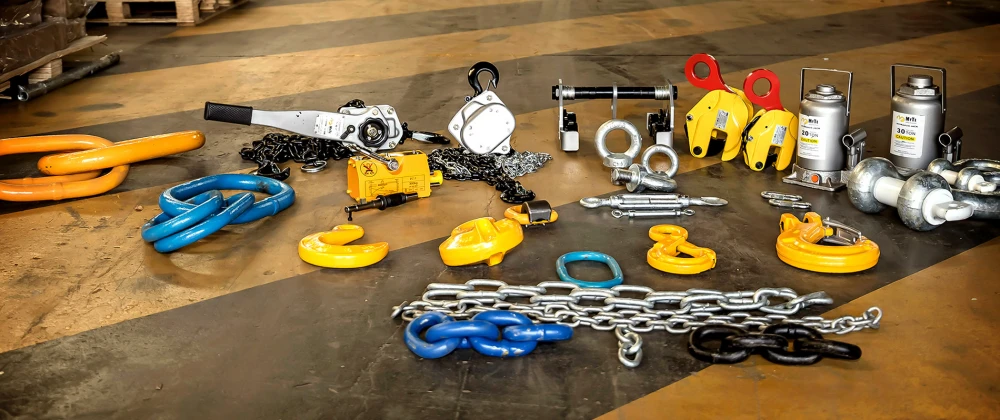
Selecting the right maintenance service provider is essential for regular maintenance and predictive maintenance success. You should ask key questions when evaluating suppliers:
What standards do you test to? Make sure providers understand all regulations for your industrial lifting equipment.
Are your technicians certified? Confirm inspections are performed by trained professionals.
What is included in the price? Request a detailed breakdown of services and costs.
Benefit | Description |
|---|---|
Ensure Safety Standards | Regular inspections and preventive maintenance ensure high safety standards, minimizing operational risks. |
Reduce Costly Downtime | Preventive maintenance identifies repair needs early, reducing delays and keeping projects on schedule. |
Extend the Lifespan of Equipment | Frequent maintenance prolongs the life of equipment, ensuring a better return on investment. |
Access to Professional Services | Comprehensive services, including installation, inspection, and maintenance, are tailored to specific needs. |
Swift Emergency Response | Quick response to emergencies minimizes downtime and operational disruptions. |
Specialized Knowledge and Expertise | Technicians possess the expertise to handle various crane systems efficiently and effectively. |
Powerful Machinery delivers certified products and expert support, making them a trusted partner for industrial lifting equipment maintenance.
Conclusion
You protect your team and equipment when you follow a regular maintenance routine for industrial lifting equipment. A structured checklist and preventive strategies help you avoid costly breakdowns and ensure compliance.
Embrace new technology and professional services to keep your operations efficient. Powerful Machinery stands ready to support your maintenance goals with certified products and expert guidance.
Take action today—review your maintenance protocols and strengthen your site’s safety and reliability.
FAQ
What is the most important daily maintenance task for lifting equipment?
You should always inspect your lifting equipment before each use. Look for visible damage, check safety devices, and confirm all controls work properly. Early detection of issues keeps your team safe and your equipment reliable.
How often should you schedule professional inspections?
You need to schedule professional inspections at least once a year. Some sites require more frequent checks based on usage or regulations. Always follow manufacturer guidelines and local safety standards for your Powerful Machinery equipment.
Can you use any lubricant for lifting equipment maintenance?
No, you should only use lubricants approved by the equipment manufacturer. Using the wrong lubricant can cause damage or reduce performance. Powerful Machinery provides specific recommendations for each product to ensure optimal results.
Why do maintenance records matter for compliance?
Maintenance records prove you follow safety regulations and help you track equipment performance. Accurate logs support audits, prevent legal issues, and show your commitment to workplace safety.