You often face challenges with lifting magnets in busy industrial settings. Common problems include wear patterns in lifting chains, electrical connection failures, and the need for regular inspections to prevent accidents.
Addressing these issues with proper lifting magnet repair techniques ensures your workplace stays safe and operations run smoothly.
Evidence Type | Description |
|---|---|
Safety Impact | Routine inspections and proper maintenance reduce the risk of accidents. |
Operational Efficiency | Enhanced productivity follows when lifting magnets are maintained correctly. |
Compliance | Detailed records support OSHA and audit requirements. |
Powerful Machinery’s commitment to certified, high-quality lifting solutions gives you peace of mind and reliability every day.
Key Takeaways
Regular inspections are crucial. Schedule routine checks to catch issues early and ensure safety.
Understand common problems. Recognize signs of demagnetization, physical damage, and corrosion to maintain magnet effectiveness.
Follow step-by-step repair techniques. Use proper methods for demagnetization, physical damage, and corrosion to restore magnet function.
Document all maintenance activities. Keep detailed logs of inspections and repairs to track equipment history and compliance.
Invest in professional training. Enhance your skills with accredited programs to improve safety and efficiency in lifting magnet operations.
Common Issues in Lifting Magnets
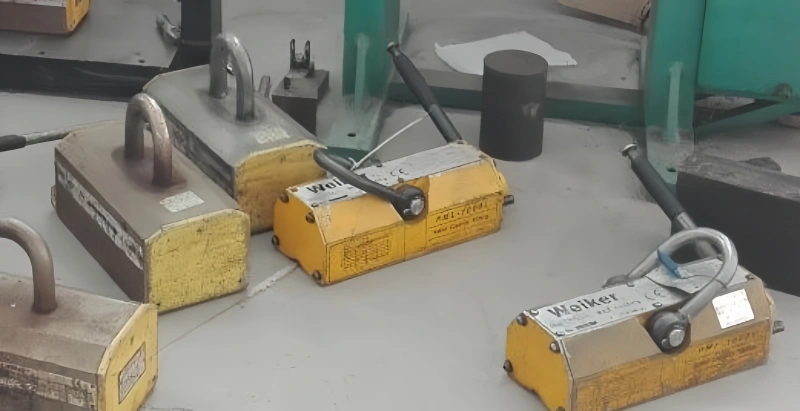
Lifting magnets play a vital role in your daily operations. Powerful Machinery offers several types, including permanent magnets, electromagnets, and battery-powered magnets. Each type has unique strengths and faces specific failure modes. Permanent magnets may lose strength over time.
Electromagnets can experience electrical faults. Battery-powered magnets require careful battery management. Understanding these differences helps you spot common magnet issues before they disrupt your workflow.
Regular inspection is your first defense against equipment failure. Powerful Machinery designs certified lifting magnets for durability, but even the best equipment needs routine checks.
Neglecting maintenance can lead to accidents, injuries, and costly downtime. You protect your team and your productivity by staying proactive.
Tip: Always follow a scheduled inspection routine to catch problems early and extend the life of your lifting magnets.
Demagnetization Signs
You may notice a magnet struggling to hold its rated load. This is one of the most common magnet issues. If you see materials slipping or the magnet failing to release properly, demagnetization could be the cause. Permanent magnets are most susceptible, especially after heavy impacts or exposure to high temperatures.
Physical Damage Indicators
Physical damage is another frequent source of common magnet issues. Look for cracks, dents, or worn edges on the magnet’s surface. Inspect welds, chains, and lifting eyes for signs of wear. Even minor damage can reduce holding power and compromise safety.
Cause of Failure | Mitigation Strategy |
|---|---|
Physical wear | Inspect welds, chains, and surfaces regularly. |
Overheating | Allow cooling periods between uses. |
Improper usage | Use magnets only for their intended applications. |
Corrosion and Rust
Corrosion and rust weaken the magnet’s structure and reduce its effectiveness. You should check for discoloration, pitting, or flaking on the magnet’s body. Environmental factors like moisture and chemicals accelerate corrosion. Keeping magnets clean and dry helps prevent this common magnet issue.
By understanding these warning signs, you can address problems early and keep your lifting magnets operating safely and efficiently.
Lifting Magnet Repair Techniques
Diagnosing Problems
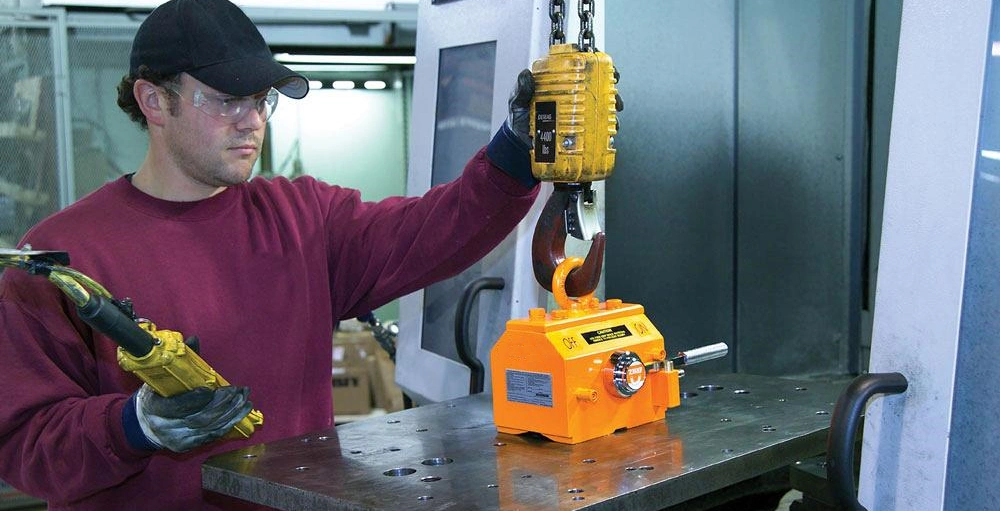
You need to start every lifting magnet repair with a thorough diagnosis. Begin by setting up a magnet inspection program. This program helps you maintain safe use and optimal performance. You should verify and document electrical readings, such as current, resistance, and meg-ohms.
These readings reveal hidden faults in electromagnetic and battery-powered magnets.
You must also perform visual inspections. Check mechanical conditions, including welds, wear depth, and chain wear. Use industry-standard tools for these assessments:
Multimeters test electrical continuity and resistance.
Gauss meters measure magnetic field strength.
Oscilloscopes monitor electrical signal waveforms.
Visual inspections identify cracks, dents, and surface corrosion.
Tip: Keep a detailed log of all diagnostic findings. This record helps you track recurring issues and plan future maintenance.
Step-by-Step Repair for Demagnetization
Demagnetization is a common issue, especially with permanent magnets. You can restore magnet strength using several proven methods. Follow these steps for effective lifting magnet repair:
Repair Method | Description |
|---|---|
Allow the Magnet to Cool | If demagnetization results from overheating, let the magnet return to room temperature. This may restore its properties. |
Replace the Magnet | When demagnetization is irreversible, replace the magnet with a certified unit from Powerful Machinery. |
Shield the Magnet | Encasing the magnet in high-permeability material protects it from external magnetic fields and prevents further demagnetization. |
Repolarize the Magnet | Apply a strong magnetic field to realign the magnet’s domains. This restores magnetization and holding power. |
You must always follow safety protocols during these repairs. Wear protective gear, including safety goggles and heavy-duty gloves. Maintain a clean workspace free of metal objects. Move magnets slowly to prevent collisions and pinching injuries.
Note: If you cannot restore magnet strength after repolarization or cooling, consider professional service or replacement.
Fixing Physical Damage
Physical damage reduces the effectiveness and safety of your lifting magnets. You should inspect the magnet face for debris, surface contamination, and visible cracks. Examine lifting chains for wear and deformation. Check electrical connections for damage or corrosion.
To repair physical damage:
Remove debris and clean the magnet surface.
Replace worn or damaged chains and lifting eyes.
Repair minor cracks using approved welding techniques.
For severe damage, replace the magnet or affected components.
Schedule weekly maintenance to test coil insulation and verify electrical system integrity. Monthly, check bolt torque across critical connection points and certify lifting chains. Annual maintenance should include a complete system evaluation and replacement of necessary parts.
Alert: Never use a damaged magnet for lifting tasks. Immediate repair or replacement prevents accidents and ensures compliance with safety standards.
Addressing Corrosion
Corrosion weakens the structure and reduces the holding power of your lifting magnets. You must clean all surfaces and check for rust or pitting. Environmental factors, such as moisture and chemicals, accelerate corrosion.
Follow these steps to address corrosion:
Clean the magnet thoroughly with a dry cloth.
Remove rust using approved rust removers or gentle abrasion.
Apply protective coatings to prevent future corrosion.
Lubricate moving parts and inspect safety levers.
Schedule regular maintenance to extend the lifespan of your lifting magnets. Use standardized inspection checklists for thorough inspections. Maintain detailed logs of all maintenance activities.
Inspection Type | Frequency |
|---|---|
Initial | Before first use (new, modified, or repaired) |
Frequent | Daily or each shift before use |
Periodic | Annually (normal service) |
Monthly (severe service) | |
As recommended by a qualified professional |
Tip: Replace worn components immediately. Consult a qualified technician if corrosion persists or affects structural integrity.
Preventative Maintenance and Professional Service
You can prevent most lifting magnet repair issues with scheduled maintenance. Clean surfaces, lubricate moving parts, and inspect safety levers regularly. Replace worn components as soon as you notice them.
Consider professional service or replacement when:
Maintenance Type | Description |
|---|---|
Daily Inspections | Check for debris, surface contamination, and physical damage. Inspect lifting chains for wear and deformation. Examine electrical connections for damage or corrosion. |
Weekly Maintenance | Test coil insulation and verify electrical system integrity. |
Monthly Maintenance | Verify bolt torque across critical connection points and certify lifting chains. |
Annual Maintenance | Conduct a complete system evaluation, including testing electrical components and replacing necessary parts. |
If you encounter persistent demagnetization, severe physical damage, or advanced corrosion, seek expert assistance. Powerful Machinery offers certified lifting magnets and professional repair services to ensure your equipment meets international safety standards.
Callout: Enhance your skills with industry-recognized training programs. The LEEA Accredited Safety & Rigging Training and LEEA Lifting Accessories Diploma (LAC) provide comprehensive education for technicians involved in lifting magnet repair.
You maintain safety and efficiency by following these lifting magnet repair techniques. Regular inspections, prompt repairs, and professional training help you keep your equipment in top condition.
Safety and Maintenance with Powerful Machinery
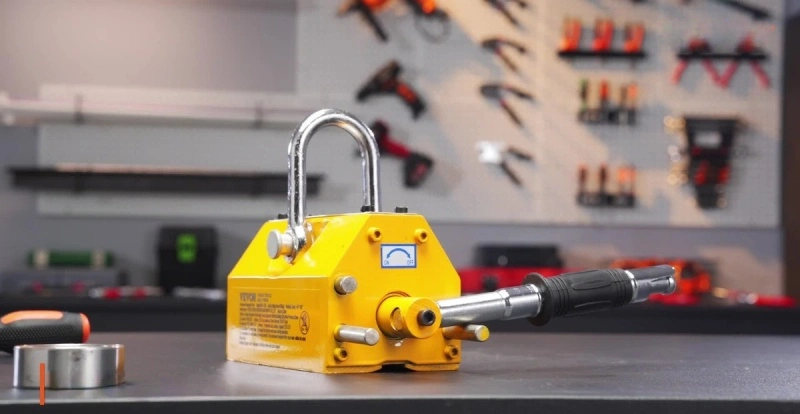
Powerful Machinery places safety at the core of every lifting magnet design. You benefit from products that meet strict international certifications, including ISO9001 and ASME B30.20. Clear safety guidelines and effective training help you create a culture of safety awareness.
This approach reduces accidents and keeps your operations efficient.
Inspection Checklist
You should follow a structured inspection checklist before each use. This practice helps you catch issues early and prevent workplace accidents. Use the table below to guide your inspections:
Inspection Item | Purpose |
|---|---|
Balance | Ensures load is balanced for optimal weight distribution, preventing shifting during movement. |
Sound | Provides audible warnings during operation to alert personnel. |
Batteries | Prevents load release during power loss, ensuring safety. |
Surface gap | Ensures clean lifting surfaces to maintain magnetic hold and prevent accidents. |
Sensors | Detects if the load is on the ground before release, enhancing safety. |
Smooth operation | Prevents abrupt movements that could lead to accidents. |
Regular inspections | Ensures equipment is maintained according to schedule, reducing the risk of malfunction. |
Keep detailed inspection records, repair documentation, and compliance certificates. These documents help you track maintenance history and prove regulatory compliance.
Preventative Maintenance Tips
You can reduce failures and extend the life of your lifting magnets with a strong maintenance program. Regular maintenance costs less than emergency repairs and helps you avoid unexpected downtime. Follow these best practices:
Never exceed the magnet’s rated capacity.
Keep contact surfaces clean and flat.
Match the magnet to the load and environment.
Train all operators in safe lifting practices.
Inspect and maintain equipment on a set schedule.
Set up a calendar or use a maintenance management system. Prioritize critical equipment and adjust intervals based on condition. Track results and update your checklist as needed.
When to Replace a Magnet?
You should replace a lifting magnet if you notice any of these signs:
Rapid loss of lifting power or quick amperage drops.
Current draw differs from the magnet’s data tag.
Visible wear or damage on pole shoes, bottom plate, or welds.
Damaged electrical lead boxes, chains, pins, or lifting lugs.
Proper disposal or recycling of old magnets supports sustainability and reduces environmental impact. Scrapping magnets recovers valuable metals and conserves resources. If you need expert advice or magnet repair services, Powerful Machinery offers certified solutions to keep your operations safe and efficient.
Conclusion
You keep your lifting magnets reliable by following proven repair steps and regular maintenance. Powerful Machinery’s certified magnets undergo strict initial and annual testing, including breakaway procedures and inspections that meet ASME B30.20 standards.
Testing Aspect | Description |
|---|---|
Initial Testing | All new or altered magnets are tested before use. |
Annual Testing | Breakaway tests confirm ongoing safety and performance. |
Safety Standards | Meets ASME B30.20 with a 3:1 design factor. |
Always follow safety protocols. For complex repairs, consult experts to ensure safe and efficient operations.
FAQ
How do you know when a lifting magnet needs repair?
You should look for reduced holding power, visible damage, or unusual noises during operation. Regular inspections help you spot these issues early.
Tip: Always log inspection results for future reference.
Can you repair a lifting magnet yourself?
You can handle minor repairs, such as cleaning or tightening bolts. For electrical faults or severe damage, contact a certified technician.
Safety first
Use only approved parts
What is the best way to prevent magnet demagnetization?
Store magnets away from extreme heat and strong external magnetic fields. Handle them gently to avoid impacts.
Preventative Step | Benefit |
|---|---|
Proper storage | Maintains strength |
Gentle handling | Reduces risk |
How often should you inspect lifting magnets?
You should inspect lifting magnets before each use and schedule periodic checks based on usage frequency.
Note: Follow manufacturer guidelines for inspection intervals.