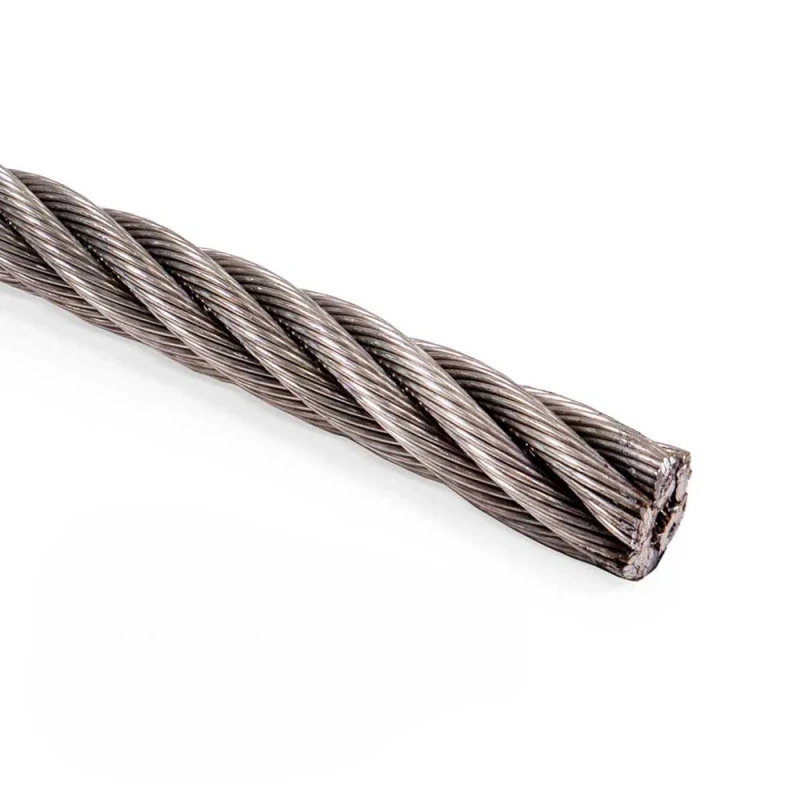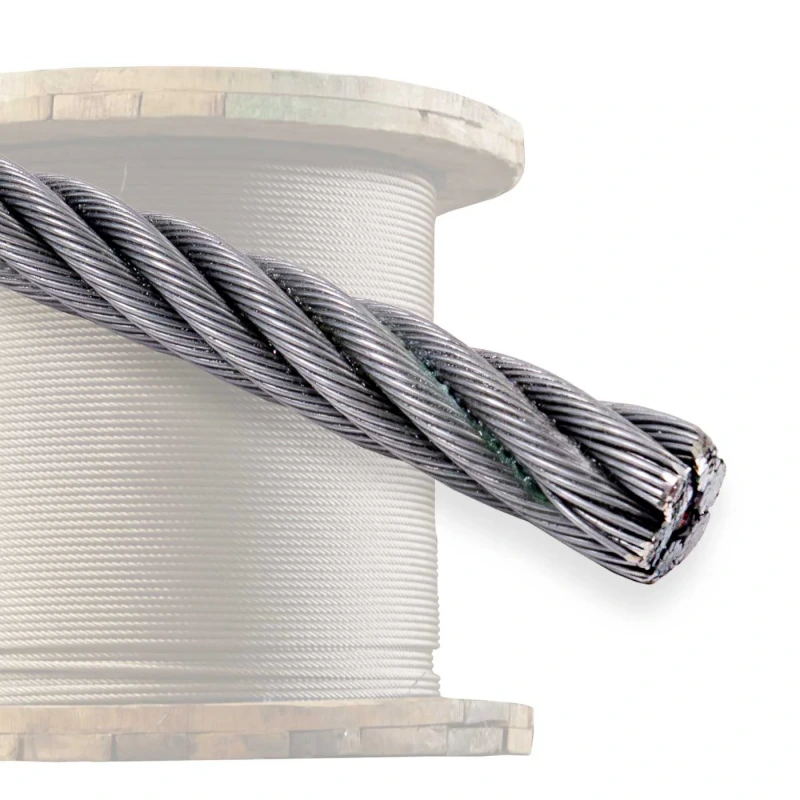
You want the safest and most effective lifting sling storage for your operation. When you store lifting slings properly, you protect them from damage and extend their usable life.
Placing your slings in lockers or rigging boxes shields them from dirt and sunlight. Keeping them in a cool, dark area helps maintain strength and flexibility. Powerful Machinery’s experience in lifting solutions ensures you get reliable guidance for every lifting application.
Key Takeaways
Store lifting slings in a cool, dry place to prevent damage from moisture and UV rays.
Use racks or caddies to keep slings organized and off the ground, reducing the risk of kinks and tangles.
Inspect slings regularly for wear and damage to ensure safety and compliance during lifting operations.
Label each sling clearly for easy identification and to avoid using damaged or unsuitable equipment.
Follow proper cleaning methods for each sling type to extend their lifespan and maintain safety.
Lifting Sling Storage Best Practices
Why Proper Storage Matters?
You need to store lifting slings correctly to keep your team safe and your equipment in top condition. Proper lifting sling storage helps you meet industry regulations and avoid costly downtime.
When you follow best practices, you extend the life of your slings and reduce the risk of accidents. Powerful Machinery stands behind these standards, offering products that support safe and organized storage.
Tip: Always keep slings away from sharp edges, abrasive surfaces, and direct sunlight. Use edge protection like sleeves or corner pads to prevent damage.
Here are some key best practices for lifting sling storage:
Store slings in a dry, clean area to prevent moisture damage.
Hang slings on racks or coil them neatly to avoid kinks and tangles.
Protect slings from UV rays and chemicals that can weaken materials.
Label and organize slings for easy identification and proper use.
Keep slings off the ground and away from surfaces that can cause punctures or tears.
You can see how proper storage aligns with compliance in the table below:
Storage Guidelines | Description |
|---|---|
Cool, Dry Place | Store slings away from direct sunlight, chemicals, and abrasive materials to prevent degradation. |
Use Storage Racks | Prevent kinking, tangling, or crushing of the slings by using appropriate storage solutions. |
Risks of Improper Storage
If you ignore proper lifting sling storage, you put your operation at risk. Slings left in damp or dirty areas can deteriorate quickly. Exposure to UV light or chemicals can weaken the fibers, making slings unsafe for lifting. Improper handling, such as piling or dragging slings across rough surfaces, leads to abrasion and damage.
Common risks include:
Shortened sling lifespan due to environmental damage.
Increased chance of sling failure from exposure to sunlight, moisture, or chemicals.
Mechanical damage from kinking, tangling, or crushing.
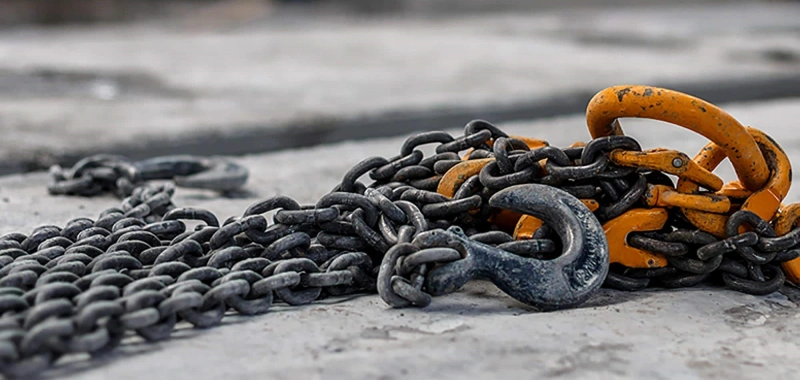
Corrosion, especially for chain slings, if not stored on racks or oiled before long-term storage.
You protect your investment and your team when you follow these best practices. Powerful Machinery’s commitment to quality ensures that every sling you use meets the highest safety standards.
How to Properly Maintain and Store Lifting Slings?
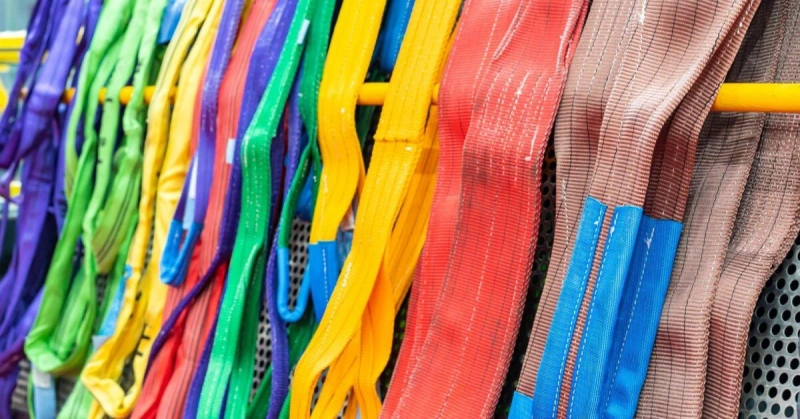
Properly maintain and store lifting slings to maximize safety and extend their lifespan. You need to follow a systematic approach that protects your equipment from environmental hazards and mechanical damage.
Powerful Machinery recommends a step-by-step process for lifting sling storage that supports compliance and operational efficiency.
Control Temperature and Humidity
Temperature and humidity play a critical role in lifting sling storage. You must keep slings in an environment that avoids extremes. Synthetic slings, such as polyester and polyamide, perform best between -40°C and 100°C. Polypropylene slings should stay within -40°C to 80°C. Wire rope slings require special attention.
Remove fiber-core wire rope slings from service if exposed to temperatures above 180°F (82°C). For metallic-core wire rope slings, follow manufacturer guidelines when temperatures exceed 400°F (204°C) or drop below -40°F (-40°C).
Sling Type | Temperature Range |
|---|---|
Polyester | -40°C to 100°C |
Polyamide | -40°C to 100°C |
Polypropylene | -40°C to 80°C |
Extreme heat can evaporate lubricants and reduce tensile strength in synthetic fibers. High temperatures may cause sling materials to melt or lose elasticity. Cold environments can make steel brittle and synthetic slings stiff, increasing the risk of cracking.
Always store slings away from moisture, corrosive action, and mechanical damage.
Tip: Monitor storage areas with a thermometer and hygrometer to maintain optimal conditions for lifting sling storage.
Avoid Sunlight and Chemicals
Sunlight and chemicals can severely damage lifting slings. You must keep slings in a cool, dry, and dark location. Long-term exposure to sunlight or UV radiation weakens synthetic webbing slings.
Polyester rope slings can lose up to 30% of their strength after 12 months of continuous sunlight. Nylon rope slings may lose 40% to 60% of their strength after 12 to 36 months of exposure.
Nylon slings are especially vulnerable to acids and bleaching agents. Even dilute acids like hydrochloric or sulfuric acid can cause significant strength loss in nylon slings within hours. Store slings away from heat sources and chemicals to prevent degradation.
Place slings in lockers or cabinets that block sunlight.
Keep slings away from cleaning agents, acids, and solvents.
Consult the manufacturer for retirement criteria if slings have been exposed to sunlight or chemicals.
Clean and Store Lifting Slings Correctly
You must clean and store lifting slings before placing them in storage. Cleaning removes contaminants that can shorten the lifespan of slings. Use the recommended cleaning method for each sling type.
Sling Type | Cleaning Method |
|---|---|
Synthetic Slings | Use warm water and mild soap; avoid abrasive brushes and high-pressure washers; hang to dry away from sunlight. |
Wire Rope Slings | Remove dirt and grease with a wire brush; apply lubricant to prevent corrosion. |
Chain Slings | Wipe down to remove debris; inspect for rust; avoid corrosive cleaning agents. |
Regular cleaning is vital. Proper care extends the life of slings and minimizes failure risks during lifting operations. Always allow slings to air dry completely before storage. Avoid harsh chemicals that can weaken sling fibers. Inspect slings for damage after cleaning and remove any sling that shows signs of wear.
Note: Clean and store lifting slings in a well-ventilated area to prevent rust and deterioration.
Use Racks and Caddies for Organization
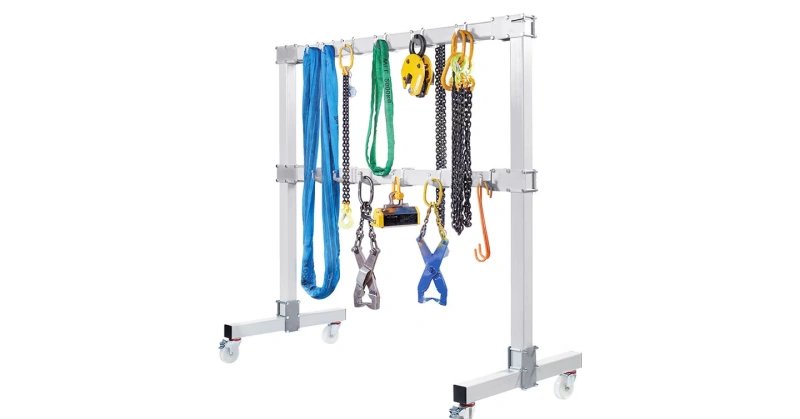
Organization is essential for lifting sling storage. Use racks, caddies, or industrial carts to keep slings off the ground and prevent kinking, tangling, or crushing. These tools streamline operations and reduce manual lifting. By improving organization, you create a safer work environment.
Hang slings on dedicated racks or hooks.
Store slings in caddies or lockers to protect them from dust and debris.
Label each sling for easy identification and traceability.
Keep slings separated by type and size to avoid confusion during lifting operations.
Powerful Machinery’s lifting slings include batch tracking and production records, making organization and inspection easier. You support compliance and safety when you properly maintain and store lifting slings using these best practices.
✅ Organize slings with racks and caddies to reduce damage and improve workplace safety.
Steps for Properly Maintaining and Storing Lifting Slings
Follow these steps to ensure lifting sling storage meets industry standards:
Inspect slings before and after each use.
Clean and store lifting slings using the correct method for each type.
Protect slings from sharp edges and rough surfaces.
Hang or lay slings flat in a controlled environment.
Remove damaged slings from service immediately.
Train your team on proper handling and maintenance.
You safeguard your investment and your team when you properly maintain and store lifting slings. Powerful Machinery’s certified products and expert guidance help you achieve the highest standards in lifting operations.
Organize and Inspect Lifting Slings from Powerful Machinery
Systematic Organization and Labeling
You need a clear system to organize and label your slings. Proper organization helps you find the right sling quickly and reduces confusion during lifting operations. Labeling each sling with essential information ensures you use the correct equipment for every job.
Attach identification tags to each sling. These tags should display the manufacturer’s name, rated load, type of material, and number of legs if applicable.
Store slings by type and size in dedicated racks or lockers. This prevents mix-ups and keeps your workspace efficient.
Check that all tags remain legible. Missing or damaged tags can lead to unsafe use or compliance issues.
Tip: Never use slings with missing or unreadable tags. This practice helps you avoid exceeding load limits and ensures you meet safety standards.
Systematic labeling and organization make it easy to verify the capacity and suitability of each sling. You reduce the risk of accidents and support compliance with industry regulations.
Inspection and Traceability
You must inspect your slings regularly to maintain safety and meet compliance requirements. Start with a visual check before each use. Look for signs of wear, damage, or distortion. Remove any sling from service if you find defects.
Perform daily or shift-based inspections, especially in demanding environments.
Schedule monthly inspections for slings used in severe conditions.
Keep detailed records of every inspection and repair. Accurate documentation supports compliance and helps you track the safety status of your lifting slings.
Powerful Machinery makes traceability simple. Each sling comes with batch tracking and production records. You can trace every sling back to its production batch using a unique code. This system ensures you can verify compliance and safety standards at any time.
Batch tracking and production records help you document inspections and trace any issues.
You can quickly identify slings that need replacement or further inspection.
This approach supports accountability and gives you confidence in your lifting operations.
Regular inspection and traceability protect your team and your investment. Powerful Machinery’s commitment to batch tracking and recordkeeping sets a high standard for lifting sling management.
Conclusion
You can protect your team and equipment by following a clear process for lifting sling storage and maintenance. When you use a checklist, you spot hazards early and keep your lifting slings in top condition. This approach extends service life, improves return on investment, and prevents accidents.
Organize, label, and inspect your gear regularly. Powerful Machinery’s certified solutions and batch tracking help you stay compliant and safe every day.
FAQ
How often should you inspect lifting slings?
You should inspect lifting slings before each use. Schedule periodic inspections by a qualified person. This routine helps you catch damage early and ensures safe lifting operations.
What is the best way to store lifting slings?
Store lifting slings on racks or in lockers. Keep them in a cool, dry place away from sunlight, chemicals, and sharp edges. This method prevents damage and extends sling life.
Can you clean lifting slings with harsh chemicals?
No. You should use mild soap and warm water for synthetic slings. Avoid harsh chemicals, as they can weaken fibers and reduce sling strength.
How do you identify a damaged lifting sling?
Look for cuts, abrasions, broken wires, corrosion, or missing tags. If you see any of these signs, remove the sling from service immediately.
Why is batch tracking important for lifting slings?
Batch tracking lets you trace each sling to its production record. This process supports compliance, simplifies inspections, and helps you manage replacements efficiently.