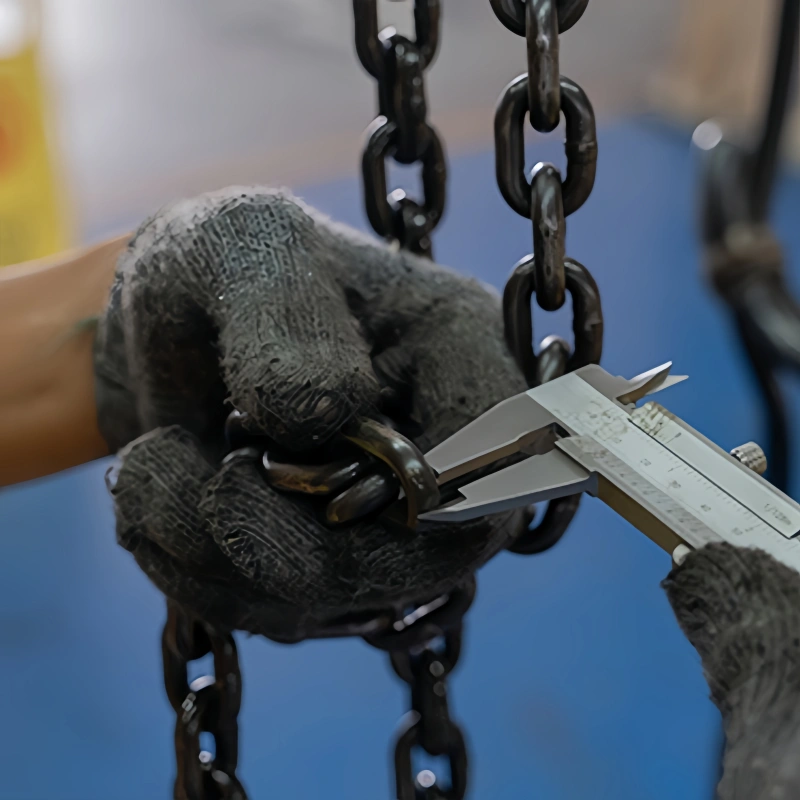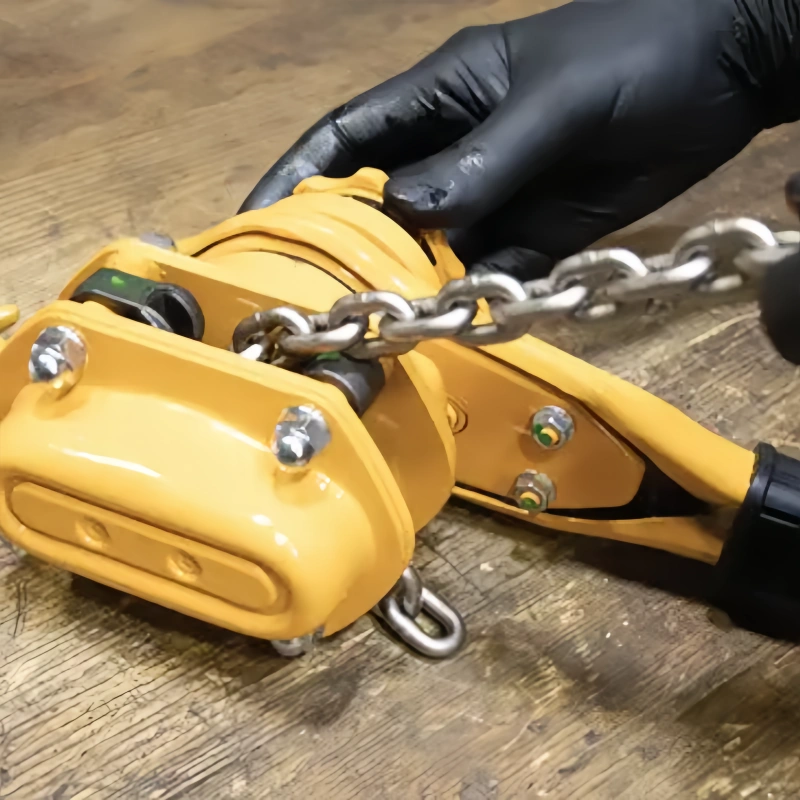
When you compare a load binder vs a ratchet strap, you’ll notice the essential difference comes down to how each tool secures cargo. Load binders, especially those fully locked, are suitable for heavy loads and offer robust strength for demanding jobs.
Ratchet straps make tensioning easier and reduce snapback risk, which means safer handling for you. Choosing the right option matters—a poor choice can lead to accidents, as improperly secured cargo causes thousands of crashes every year. Powerful Machinery gives you reliable solutions for safer, more efficient cargo transport.
Key Takeaways
Load binders are ideal for heavy loads, providing strong tension and stability during transport.
Ratchet straps are easier to use, making them suitable for lighter loads and everyday tasks.
Always check the Working Load Limit (WLL) to ensure safe and effective cargo securement.
Inspect your load securing equipment regularly to prevent accidents and ensure reliability.
Choose the right tool based on your cargo type and weight for optimal safety and efficiency.
Load Binder Overview
What Is a Load Binder?

You might wonder what a load binder actually does. A load binder is a tool you use to tighten chains and keep cargo secure during transport. When you need reliable load securement, this device steps in to prevent shifting and accidents.
You’ll see load binders on trucks, trailers, and flatbeds, especially when you move heavy equipment or bulky items. Many people call them chain binders because they work with chains to lock down loads. If you handle heavy-duty applications, you’ll find load binders essential for safety and stability.
Powerful Machinery Load Binder Features
Powerful Machinery designs load binders for tough jobs. You get products made from high-strength steel, so they last through repeated use. Each chain binder comes with a corrosion-resistant coating, which means you can use it in all weather conditions.
The ratchet binder and lever binder options both offer securement for different needs. Powerful Machinery’s load binders meet strict safety standards, so you can trust them for load securement. Here’s a quick look at the certifications these products carry:
Certification | Description |
|---|---|
ISO | International Organization for Standardization |
TUV | Technical Inspection Association, ensuring safety and quality |
OSHA | Occupational Safety and Health Administration standards |
ASTM | American Society for Testing and Materials standards |
Tip: Always check the Working Load Limit (WLL) on your chain binder. Never use any component beyond its specified load limits.
Types: Ratchet vs Lever
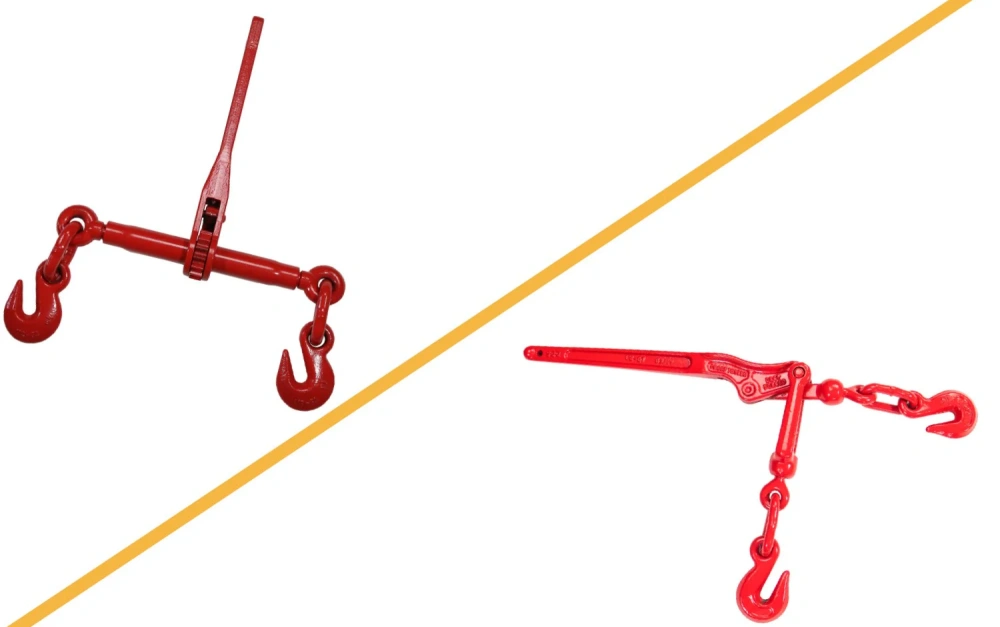
You’ll find two main types of load binders in the transportation industry:
Ratchet binder: This type uses a ratcheting mechanism. You can add tension gradually, which makes tightening easier and reduces snapback risk. Many users prefer ratchet binders for heavy-duty applications because they offer precise control.
Lever binder: This type relies on a lever action. You need more strength to operate it, and some people use cheater bars for extra leverage. Lever binders work fast, but you must handle them with care.
Both chain binder styles help you achieve proper securement, but your choice depends on your cargo and comfort level.
Applications in Transportation
You use load binders every time you need to secure cargo for transit. These tools keep your load stable and safe, whether you’re hauling machinery, building materials, or other heavy-duty applications. Load binders are a must-have for anyone in trucking, logistics, or shipping.
They make sure your chain binder system holds tight, so your cargo arrives safely. If you want peace of mind during transport, a ratchet binder or lever binder from Powerful Machinery gives you the confidence you need.
Ratchet Strap Essentials
What Is a Ratchet Strap?
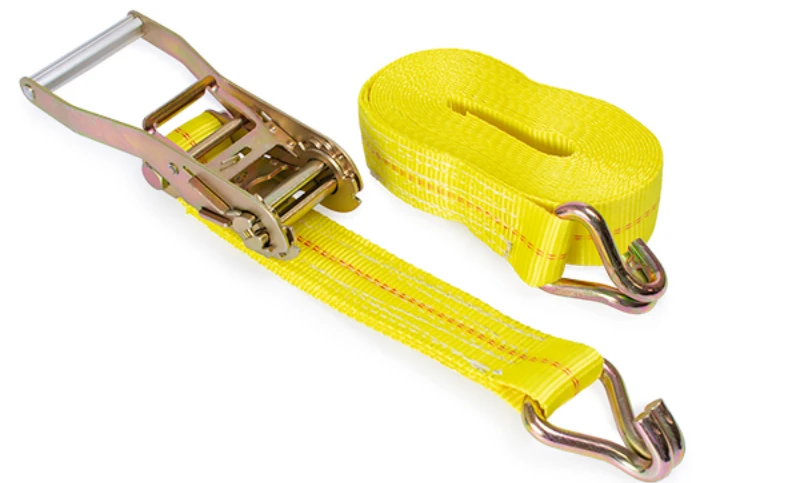
A ratchet strap is a flexible tie-down tool you use to secure cargo during transport. You often see it made from strong polyester webbing with a metal ratchet attached. When you need to keep items from shifting in your truck bed or trailer, you reach for a ratchet strap.
This tie-down is popular because it is lightweight, easy to handle, and works for many types of loads. You can use a ratchet strap for both professional and personal jobs, from moving furniture to hauling equipment.
Key Components and Mechanism
You will notice that a ratchet strap has a few main parts. The webbing is the long, flat strap that wraps around your cargo. The ratchet handle lets you tighten the strap by cranking it back and forth. There are also hooks or end fittings that attach to anchor points on your vehicle or trailer.
When you pull the strap through the ratchet and pump the handle, you create tension that holds your load in place.
Let’s look at how the mechanism compares to load binders:
Feature | Ratchet Strap Mechanism | Load Binder Mechanism (Lever/Ratchet) |
|---|---|---|
Tension Method | Ratcheting handle tightens webbing | A lever or a ratchet tightens the chain |
Safety | Less snapback risk, safer for users | A lever can store energy, higher snapback risk |
Ease of Use | Simple, requires less strength | The lever needs more force, ratchet is gradual |
Most users find a ratchet strap easier to use than a lever binder. You do not need much physical strength, and you can tighten the tie down gradually. This makes it safer and more comfortable, especially if you secure loads often.
Common Uses
You can use a ratchet strap for many tie-down tasks. Here are some of the most common ways people use them:
Securing cargo in pickup trucks and trailers
Moving and hauling goods for work or home
Holding down heavy items like appliances or furniture
Keeping loads stable in big rig trailers
Preventing cargo from shifting during transport
Quick tie-down for sports equipment or outdoor gear
The Department of Transportation recommends ratchet straps as a safe and reliable tie-down method. You can trust them for both small and large loads.
When you compare working load limits, a ratchet strap comes in different sizes and strengths. For example:
1-inch ratchet strap: 500 to 1,100 lbs WLL
2-inch ratchet strap: 915 to 3,335 lbs WLL
3-inch ratchet strap: 5,000 to 5,670 lbs WLL
4-inch ratchet strap: 5,400 to 5,670 lbs WLL
Heavy-duty load binders with a chain can handle much higher weights, but for most everyday tie-down jobs, a ratchet strap gives you plenty of strength and much easier handling.
Load Binder vs Ratchet Strap: Direct Comparison
When you look at a load binder vs a ratchet strap, you want a clear answer on which tool fits your job best. Let’s break down the direct comparison by strength, durability, ease of use, and safety. This way, you can make the right choice for your load securement needs.
Strength and Load Capacity
You need to know how much weight each tool can handle. Load binders, especially when paired with high-grade transport chains, can secure much heavier loads than ratchet straps. If you haul construction equipment or industrial machinery, a chain binder is often the go-to choice.
Ratchet straps work well for lighter loads, like furniture or smaller cargo.
Here’s a quick look at how the two compare:
Feature | Load Binders (Lever/Ratchet) | Ratchet Straps |
|---|---|---|
Mechanism | Manual or ratcheting action | Ratcheting handle |
Typical Load Limit | Up to 13,000 lbs (with chain) | 500–5,670 lbs (varies) |
Installation Speed | Fast with fewer parts | Slower, more steps |
Force Required | More strength needed | Less strength needed |
Load binders, especially with transport chains, can handle much higher load ratings.
Ratchet straps have a working load limit that is about one-third of their breaking strength. For example, a strap with a 1,500-pound breaking strength has a 500-pound working load limit.
Transport chains are more durable than webbing and reduce the number of tie downs you need for heavy cargo.
If you move heavy loads, the load binder vs ratchet strap debate usually ends with the binder winning for strength.
Durability and Materials
You want your gear to last, especially in tough conditions. The materials used in each tool make a big difference.
Material Type | Durability Characteristics |
|---|---|
Polyester/Nylon | Strong and resists weather, but can fade or weaken from UV rays and chemicals over time. |
Metal (Binder Chain) | Extremely durable, resists wear and tear, stands up to rough use and harsh environments. |
Ratchet straps use heavy-duty polyester webbing. This material is flexible and easy to handle, making it great for medium-duty loads.
Chain binders use metal chains and steel binders. These materials last longer and handle rough treatment better than webbing.
The smooth tensioning of ratchet straps helps prevent over-tightening and spreads pressure evenly.
If you work in construction, marine, or transportation, you’ll notice that load binders and chains hold up better over the years of use.
Ease of Use
You want to get the job done quickly and safely. The load binder vs ratchet strap comparison shows some big differences in how easy each tool is to use.
Ratchet straps are simple. You thread the strap, crank the handle, and you’re done. You don’t need much strength, so almost anyone can use them.
Lever binders need more muscle. You pull the lever to tighten the chain, which can be tough if you’re not used to it.
Ratchet binders give you more control. You can add tension slowly, which helps prevent sudden snapback.
Ratchet straps take a little longer to set up because of the extra parts, but they’re safer and easier for most people.
Tip: If you want fast installation and don’t mind using some strength, a lever binder works well. If you prefer a safer, more controlled process, go with a ratchet binder or ratchet strap.
Safety Factors
Safety should always come first. The way you use your tie downs can make a big difference in how safe your cargo—and you—stay on the road.
Point of Failure | Description |
|---|---|
Overloading | Exceeding the working load limit can cause damage and failure. |
Rust and Corrosion | Metal parts can weaken if not cared for, especially in wet conditions. |
Incorrect Usage | Using the wrong chain size or overtightening increases risk. |
Lack of Maintenance | Skipping inspections can lead to hidden problems and sudden failures. |
Choosing the wrong strap size or capacity can cause straps to break and cargo to shift.
Not securing the strap properly or failing to inspect for damage increases the risk of accidents.
Overtightening can damage both the strap and your cargo.
Industry experts say ratchet binders are safer than lever binders. The ratchet design lowers the risk of injury from sudden tension release. Lever binders can snap back if you’re not careful, so always use caution.
When you compare a load binder vs a ratchet strap, remember that both tools work well when used correctly. The best choice depends on your cargo, your comfort level, and your safety needs.
Pros and Cons
Load Binder Pros
When you use a load binder, you get some serious benefits for cargo securement. These tools give you the muscle you need for heavy-duty jobs. Here’s what makes load binders stand out:
You can apply strong tension to chains or straps, locking down your load with confidence.
The binder keeps consistent pressure on your cargo during transit, so you don’t have to worry about shifting or movement.
Quick-release features make unloading fast and hassle-free.
Load binders work great for oversized or irregularly shaped cargo.
You can choose between ratchet and lever styles, picking the one that fits your comfort and job requirements.
Pro Tip: If you want maximum control and safety, ratchet binders help you add tension gradually and reduce snapback risk.
Here’s a quick look at how different types of binders compare:
Type of Binder | Pros |
|---|---|
Lever Binder | Fast operation, simple design |
Ratchet Binder | Precise tensioning, safer handling |
Ratchet Strap Pros
Ratchet straps make cargo securement easy for everyone. You don’t need a lot of strength, and you get plenty of flexibility for different jobs. Let’s break down the top advantages:
You get impressive strength and load capacity, even for heavy cargo.
Durable polyester webbing stands up to wear and tear, lasting for years.
Adjustability lets you secure loads of all shapes and sizes.
Ergonomic designs and quick-release mechanisms make operation smooth and efficient.
Many straps come with padded handles and protective sleeves for extra comfort and safety.
Effortless operation means anyone can use ratchet straps, no matter their experience.
You save time and work smarter, especially during busy loading and unloading.
Compact storage keeps your workspace clutter-free.
Built tough, ratchet straps handle tough jobs and last longer.
Perfect for any job, big or small, from moving furniture to hauling equipment.
Note: Regular checks for wear and tear help keep your ratchet straps safe. Sunlight, moisture, and friction can weaken the webbing over time, so store them properly and inspect them before each use.
Choosing the Right Tool
Assessing Your Needs
Picking the right load securing equipment starts with knowing your cargo. You want proper load securement every time, so think about these points:
What is the weight and size of your load?
Are you moving heavy machinery or lighter items like furniture?
Will your cargo face rough roads or long distances?
Do you need quick adjustments or precise tension?
If you haul heavy equipment, a load binder with a strong chain gives you the muscle for proper load securement. For lighter or oddly shaped loads, ratchet straps offer flexibility and easy handling.
Using the wrong load securing equipment can lead to accidents or damage, so always match the tool to your cargo. Understanding the different types and components of ratchet straps also helps you make smart choices for proper load securement.
Powerful Machinery offers a full range of load securing equipment, from heavy-duty load binders to versatile ratchet straps. Their products meet strict safety standards, so you can trust them for any job.
Safety and Regulations
You need to follow safety rules when using load securing equipment. Regulations help keep you and your cargo safe on the road. Here’s a quick table to show what’s required:
Requirement | Description |
|---|---|
Working Load Limit Marking | Permanent, easy-to-read WLL marking on straps and hardware |
Material Standards | Webbing must meet federal specs |
Hardware Requirements | Ratchets and hooks must meet DOT standards |
Testing Compliance | Proof load testing at 2.5 times the working load limit |
Construction Standards | Specific stitching and thread specs |
Safety Factor | Breaking strength must be at least 3 times the working load limit |
Manufacturer Certification | DOT compliance documentation from the maker |
The Department of Transportation’s 49 CFR part 393 covers all the rules for proper load securement. Always check your load securing equipment for these markings and certifications before you hit the road.
Expert Tips
You want your load securing equipment to last and keep your cargo safe. Try these expert tips for proper load securement:
Remove slack from straps or chains before tightening. Get a firm hold, but don’t over-tighten.
Inspect your load securing equipment before each use. Look for cuts, fraying, or worn parts.
Clean your straps with mild soap and water. Store them in a cool, dry place away from sunlight.
Secure loose ends to prevent flapping during transport.
Never use damaged or mismatched load securing equipment.
Tip: Regular checks and good storage habits help your load securing equipment last longer and keep your cargo safe.
Powerful Machinery’s team can help you choose the right load securing equipment for your needs. Their certified products and expert advice make proper load securement simple and reliable.
Conclusion
You now know the key differences between load binders and ratchet straps. Lever binders offer quick, simple use, while ratchet binders give you safer, steadier tensioning. Powerful Machinery stands out for safety and reliability, with products that meet top certifications and handle tough jobs:
What Sets Powerful Machinery Apart | Details |
|---|---|
Certifications | ISO 9001, TUV Rheinland, OSHA |
Safety Capacity | Handles up to 2.5 tons safely |
Product Features | Strong steel, corrosion-resistant finish |
Take time to review your cargo securing methods. Make sure you protect your load from weather and theft, use the right packaging, and never skip on load restraint. If you need expert advice, companies like Hercules Lifting and Ferrier Industrial can help you stay safe and compliant.
FAQ
What is the main difference between a load binder and a ratchet strap?
You use a load binder to tighten chains for heavy cargo. You use a ratchet strap to secure loads with strong webbing. Load binders handle bigger weights. Ratchet straps work best for lighter jobs.
Can I use a ratchet strap for securing heavy machinery?
You should not use a ratchet strap for very heavy machinery. Ratchet straps work well for medium loads. For heavy equipment, you need a load binder and chain for safe transport.
How do I know which load binder size fits my chain?
Check your chain’s diameter and working load limit. Match the binder’s specifications to your chain. Powerful Machinery lists compatible sizes on product pages. If you need help, ask their team for advice.
Are the Powerful Machinery load binders certified for safety?
Yes! Powerful Machinery load binders carry certifications like ISO, TUV, and OSHA. You get reliable products tested for tough jobs. Always look for certification marks before you buy.
How often should I inspect my cargo securing equipment?
You should inspect your equipment before every use. Look for wear, rust, or damage. Replace anything that looks unsafe. Regular checks keep your cargo secure and help prevent accidents.