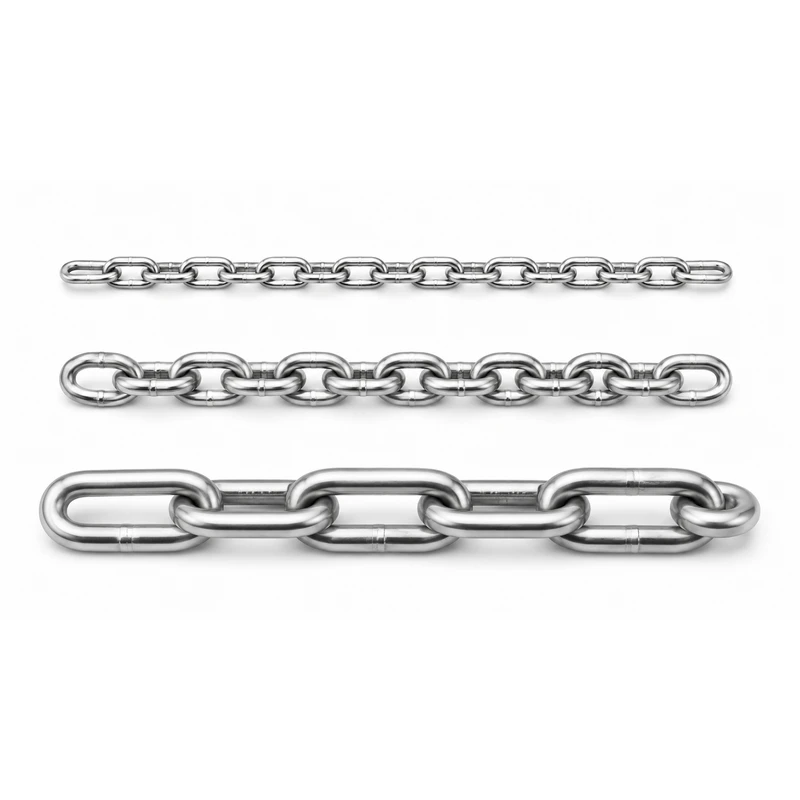
Choosing the best log chain sizes for your needs starts with understanding your equipment and the weight of the logs you handle. You need to select a chain that matches your logging method and meets strict safety standards.
The right size and grade prevent accidents and boost your efficiency. When you focus on proper selection, you protect your team and keep your operation running smoothly.
Key Takeaways
Choose the right log chain size to match your equipment and the weight of the logs. This improves safety and efficiency.
Always check the chain’s certification codes and working load limits before use. This helps prevent accidents and injuries.
Select the appropriate chain grade based on your application. Higher grades offer more strength for heavy-duty tasks.
Regularly inspect and maintain your chains to extend their lifespan and ensure safe operation. Clean and lubricate them after each use.
Consult with experts for custom solutions that fit your specific logging needs. This ensures you get the best performance from your chains.
Why Proper Chain Selection Matters?
Safety and Performance
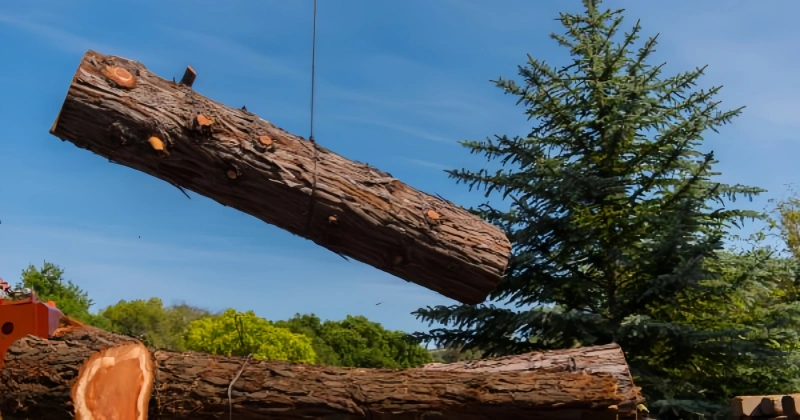
You protect your team and equipment when you choose the right log chain sizes for your operation. Proper chain selection reduces hazards in logging activities. A well-chosen chain boom secures and transports heavy logs, lowering the risk of accidents.
Safety depends on matching chain size and cargo chain grades to the weight and method you use. Regulatory standards, such as OSHA and ASTM, require you to use certified chains that pass strength and durability tests. Manufacturer and certification codes help you identify chains that meet international standards.
You gain several performance benefits by using the correct chain size and grade:
Improved control and reduced physical strain in overhead work areas.
Enhanced safety for workers in elevated positions.
Reduced manual handling fatigue and risk of strain injuries.
Faster attachment and removal times during rigging.
Improved crane efficiency since less lifting capacity is consumed by rigging weight.
Easier mobility for workers handling multiple assemblies.
Chain Grade | Benefits |
|---|---|
Basic applications, lower strength | |
Moderate strength, versatile use | |
Higher strength, suitable for transport | |
Heavy-duty applications, improved efficiency | |
Maximum strength, optimal for critical loads |
Powerful Machinery stands behind every chain with a commitment to quality and safety. You receive certified products that meet or exceed international standards, ensuring reliable performance in demanding environments.
Risks of Incorrect Chain Size
You face serious risks if you select the wrong chain size or grade. Chains that are too small or weak may fail under heavy loads, causing dropped logs or equipment damage. Using uncertified chains exposes your operation to regulatory violations and safety hazards.
Workers may suffer injuries from chain breakage or improper rigging. You also risk costly downtime and lost productivity when chains do not match your application.
Tip: Always check the chain’s certification codes and working load limits before use. Consult with Powerful Machinery for expert guidance and custom solutions that fit your needs.
Understanding Log Chain Sizes and Grades
What Are Log Chain Sizes?
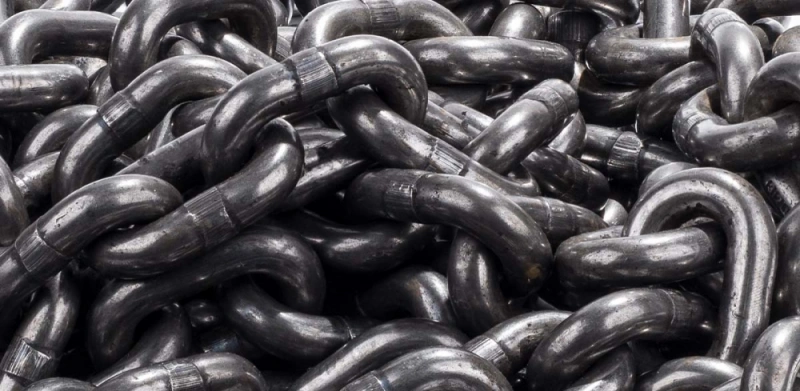
You need to understand log chain sizes before you select the right product for your job. Log chain sizes refer to the diameter and length of the chain links used in logging and material handling. The diameter, usually measured in inches, determines the strength and working load limit of the chain.
Common sizes include 1/4 inch, 5/16 inch, 3/8 inch, 7/16 inch, and 1/2 inch. These measurements help you match the chain size to the weight of the logs and the type of equipment you use. When you choose the correct size, you improve safety and efficiency in your operation.
Powerful Machinery offers a wide range of log chain sizes and customizable options to fit your specific needs. You can also find sizes of roller chains for specialized applications in forestry and transport.
Log Chain Grades and Their Uses
You must also consider cargo chain grades when selecting a chain for logging. Each grade represents a different strength rating and application. The grade tells you how much force the chain can handle before it stretches or breaks. Here is a quick reference table to help you compare the main grades:
Chain Grade | Strength Rating | Applications |
|---|---|---|
Grade 30 | Low tensile strength; prone to stretching under heavy loads | Light construction, agricultural applications, marine industry |
Grade 43 | Stronger than Grade 30; better resistance to wear and tear | Container securement, logging, farming, towing, marine applications, utility chain |
Grade 70 | Approximately 20% higher load rating than Grade 43 | Load securement and towing by truckers, loggers, and highway crews |
Grade 80 | Suitable for overhead lifting; made from alloy steel | Heavy-duty towing, rigging, tie-downs, and mining |
Grade 100 | 25% stronger than Grade 80; for extreme applications | Overhead lifting slings, construction, manufacturing, rigging, towing |
You will find that each grade serves a unique purpose:
Grade 30 works best for light construction and farm use.
Grade 43 fits container securement and logging.
Grade 70 is ideal for towing and load securement.
Grade 80 handles heavy-duty lifting and rigging.
Grade 100 supports extreme lifting and critical operations.
Powerful Machinery supplies all these grades, ensuring you get the right chain for your application. You protect your team and equipment when you match the grade and size to your job requirements.
Working Load Limits and Chain Size
How to Read Load Ratings?
You must understand how to read load ratings before you select a chain for logging. The working load limit tells you the maximum weight a chain can safely handle during use.
Manufacturers determine this limit by dividing the minimum breaking strength by a safety factor, usually between 3:1 and 6:1. This calculation ensures that the chain can withstand unexpected stress and keeps your operation safe.
Industry standards require you to follow these limits closely. Exceeding the working load limit can cause chain failure, leading to injuries or equipment damage. Always check the tag or stamp on your chain for the working load limit and grade.
Powerful Machinery’s certified products display these ratings clearly, so you can trust their accuracy.
Chain Grade | Working Load Limit (lbs) |
|---|---|
Grade 30 | 2,600 to 13,000 |
Grade 43 | 3,150 to 15,800 |
Grade 70 | 3,150 to 15,800 |
Grade 80 | 3,500 to 18,100 |
Grade 100 | 4,300 to 22,600 |
Grade 120 | 5,200 to 27,500 |
Note: Regularly inspect your chains. Damaged or worn chains may not meet the original working load limit.
Matching Chain Size to Load
You need to match the chain size to the weight of your logs and the demands of your equipment. The strength of a chain increases rapidly as the diameter grows. For example, doubling the diameter can make the chain up to four times stronger, as long as the material stays the same.
This relationship means that even a small increase in size can greatly improve safety and performance.
When you choose log chain sizes, always consider the chain working load limits for your application. Powerful Machinery offers a wide range of certified chains, so you can select the right size and grade for every job. Following these guidelines helps you prevent accidents and maintain efficiency in your logging operation.
How to Measure Log Chain Size?
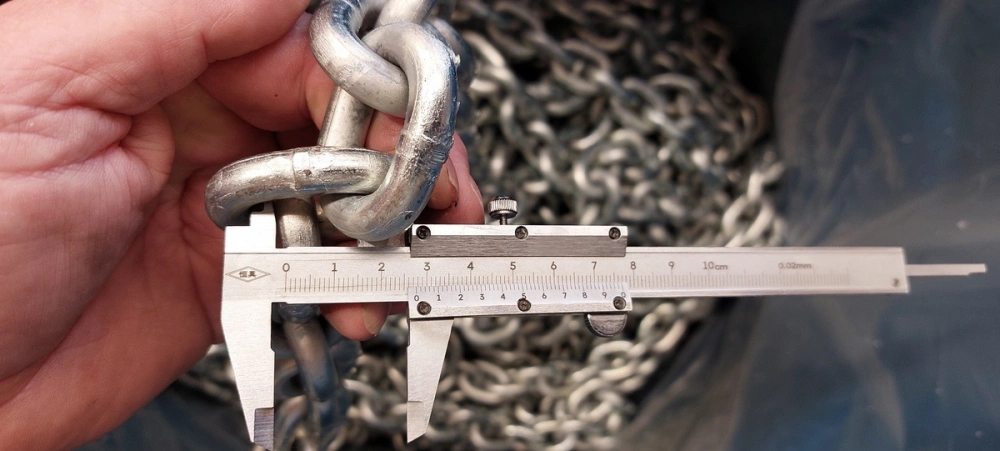
Measuring Chain Diameter
You need to measure the diameter of your log chain to ensure you select the right chain size for your application. Start by using a caliper or a precise ruler. Place the tool across the thickest part of the chain link.
Record the measurement in inches. This value determines the strength and working load limit of your chain. For accurate results, measure several links and use the average.
Industry standards recommend checking more than just the diameter. You should also look at other dimensions to confirm the correct size. The table below outlines the main measurement types you should consider:
Measurement Type | Description |
|---|---|
Pitch | Measure from the center of one pin to the center of the next pin. |
Side Plate Height | Measure both inside and outside for an average size. |
Thickness | Measure the thickness of the side plates. |
Pin Diameter | Measure the diameter of the pin, especially for non-standard chains. |
Roller Diameter | Measure the diameter of the bushing for roller-less chains. |
Overall Chain Width | Measure the full width of the master link for accurate sizing. |
Tip: Always clean your chain before measuring. Dirt or rust can affect your results.
Determining Chain Length
You must measure the total length of your chain to match your equipment and job requirements. Lay the chain flat on a clean surface. Stretch it out without any twists or kinks. Use a tape measure to record the length from one end fitting to the other. If your chain includes hooks or connectors, include them in your measurement.
Powerful Machinery offers a wide range of customizable options for log chain sizes. You can choose from various grades, different lengths, and a selection of end fittings.
Popular fittings include clevis grab hooks, slip hooks, and master links. These options help you match your chain to your specific needs and improve safety in the field.
Note: Custom chain lengths and fittings allow you to optimize your setup for maximum strength and efficiency.
Log Chain Sizes Chart and Guide
Roller Chain Size Chart Overview
You need a clear reference when selecting the right chain for logging. A chain size chart helps you compare the most common sizes and grades used in forestry and material handling.
You can quickly identify which chain fits your application by checking the diameter, grade, and working load limit. The chart below shows typical options available from Powerful Machinery:
Chain Size (inches) | Grade 30 WLL (lbs) | Grade 43 WLL (lbs) | Grade 70 WLL (lbs) | Grade 80 WLL (lbs) | Grade 100 WLL (lbs) |
|---|---|---|---|---|---|
1/4 | 2,600 | 3,150 | 3,150 | 3,500 | 4,300 |
5/16 | 4,500 | 5,400 | 4,700 | 4,250 | 5,700 |
3/8 | 6,900 | 7,200 | 6,600 | 8,800 | 11,200 |
7/16 | 8,800 | 11,300 | 11,300 | 12,000 | 15,000 |
1/2 | 11,300 | 13,000 | 15,800 | 18,100 | 22,600 |
Note: Always verify the working load limit before use. You protect your operation and maintain safety by following these guidelines.
Guide to Roller Chain Chart Size
You interpret a roller chain size chart by matching the chain size type to your logging needs. Smaller pitch chains work best for light to moderate loads. Larger pitch chains provide the strength required for heavy-duty applications. You can choose single or multi-strand chains to meet specific operational requirements.
Chain Size Type | Application Type |
|---|---|
Smaller Pitch Chains | Light to moderate loads |
Larger Pitch Chains | Heavy-duty applications |
Single and Multi-Strand | Versatile operational needs |
You start by identifying the log diameter and weight. You select a chain that meets or exceeds the required strength. You check the grade and working load limit to ensure the chain can handle the task.
You also consider the length and fittings for proper attachment. Powerful Machinery offers chains in multiple sizes and grades, so you can customize your setup for maximum efficiency.
Tip: You improve safety and reduce downtime when you use a chain that matches your equipment and job requirements.
How to Choose Chain Size for Your Needs?
Assessing Your Application
You must start by understanding your specific logging operation. Each job requires a different approach, so you need to evaluate several key factors before you select the right chains.
Begin by identifying the average log weight, the volume of timber you handle, and the type of equipment you use for lifting and transport. These details help you narrow down your options and ensure proper chain selection.
Use the table below to guide your assessment:
Factor | Description |
|---|---|
Load and Speed Considerations | Make sure the chain is rated for the speed and load it will encounter during operation. |
Chain Length | Measure chain length in pitches or links for a precise fit. |
Tension and Alignment | Maintain correct tension; avoid chains that are too tight or too loose to prevent operational issues. |
Compatibility with Components | Match the chain to your sprocket sizes and types to reduce wear and failure. |
You should also consider the environment where you will use the chain. Chains in marine or corrosive environments need corrosion-resistant materials. Neglecting environmental factors can lead to premature chain failure and compromise safety. Review the table below to match the chain finish to your work setting:
Chain Finish | Corrosion Resistance | Suitable Environment |
|---|---|---|
Self-Colored (Black) | Minimal protection, suitable for dry indoors | Dry indoor environments |
Hot-Dip Galvanized | Excellent resistance, ideal for outdoor use | Outdoor and marine applications |
Electroplated | Moderate protection, smoother finish | General use |
Stainless Steel | Superior resistance, harsh environments | Food processing, chemical plants |
Tip: Always check the compatibility of your chain with your equipment and the environment to maximize performance and lifespan.
Selecting the Right Grade and Size
You need to select the right chains by matching the chain size and grade to your application. Follow these steps to make an informed decision:
Determine the Working Load Limit
Calculate the maximum weight you will lift or pull. Choose a chain with a working load limit that meets or exceeds this value.Select the Appropriate Chain Size
Use your measurements to pick a chain size that fits your equipment and log diameter. Remember, a larger size increases strength but may add unnecessary weight.Choose the Correct Grade
Review cargo chain grades to match your job’s demands. Grade 30 works for light tasks, while Grade 70 and above handle heavy-duty lifting and transport. Higher grades offer more strength but come at a higher cost due to advanced heat-treating and alloy steel.Consider Environmental Conditions
Select a chain finish that resists corrosion if you work outdoors or in harsh environments. Stainless steel and hot-dip galvanized chains last longer in wet or corrosive settings.Check Compatibility and Tension
Ensure your chain matches all components, including hooks and sprockets. Maintain proper tension to avoid operational issues.Review Cost and Value
Understand that higher-grade chains cost more due to their strength and durability. Investing in the right chains reduces replacement costs and downtime.
Powerful Machinery stands out as a trusted partner for your logging needs. You benefit from a broad product range, international certifications, and custom-engineered solutions. The company offers global shipping and excellent after-sales support.
Customers like Ben Carter from Canada and David Müller from Germany praise the durability and reliability of Powerful Machinery’s chains in demanding conditions.
Note: You can request custom chain lengths, grades, and fittings to match your unique requirements. Powerful Machinery’s team will help you design the optimal solution for your project.
By following these steps, you ensure proper chain selection for your operation. You protect your team, maximize efficiency, and get the best value for your investment.
Safety Tips and Common Mistakes
Inspection and Maintenance
You must follow strict safety guidelines to keep your logging chains in top condition for heavy-duty applications and securement. Regular inspection and maintenance help you avoid unexpected failures during lifting and transport.
Start by cleaning your chains after every use to remove dirt and moisture. Dry them completely before storage to prevent rust. Lubricate the chains as recommended to maintain their strength and flexibility.
Check the dimensions of each chain link with a caliper or gauge. Measure the pitch and roller diameter to spot any wear or elongation. Replace any worn or cracked links before they fail.
Always label your chains with type, size, and date for easy tracking. Store chains flat or on racks, never stacked loosely, to ensure secure transport and prevent tangling.
Maintenance Task | Frequency |
|---|---|
Inspect electric chain hoists | Before each use |
Thorough maintenance | Every three months |
Increase frequency in harsh conditions | As needed |
Document inspections and calibrations | Ongoing |
Tip: Regular inspections extend the lifespan of your chains, reduce costly downtime, and keep your team safe during load securement and heavy-duty applications.
Mistakes to Avoid in Chain Selection
You can avoid common mistakes in chain selection by following a few simple steps. Never use chains with unknown dimensions or unclear strength ratings for securement. Avoid choosing chains that are not rated for heavy-duty applications or secure transport.
Do not overload your chains or use them for tasks beyond their intended load securement capacity.
Many users forget to match the chain finish to the environment. For example, using non-corrosion-resistant chains in wet areas leads to early failure. Always check compatibility with your equipment and ensure proper tension for secure transport.
Powerful Machinery provides detailed safety guides, inspection checklists, and training resources to help you make the right choices. You can access hands-on workshops and expert support to avoid costly errors and ensure your chains meet all safety requirements.
Note: Following these steps helps you maintain safety, maximize efficiency, and guarantee reliable securement for every heavy-duty application.
Conclusion
To select the right log chain size and grade, follow these essential steps: measure the chain diameter with a caliper, determine the pitch, and check additional dimensions like width and roller size. Conduct a visual inspection for markings indicating grade and size, and evaluate the chain’s material and tensile strength.
Consulting log chain size charts ensures you match the correct pitch, gauge, and drive links, boosting safety and efficiency. For custom solutions, rely on expert advice to tailor heat treatments and coatings for extreme conditions. Trust Powerful Machinery’s certified chains for reliable performance in demanding environments.
FAQ
What is a roller chain size chart, and why do you need it?
A roller chain size chart helps you compare different chain sizes, grades, and tensile ratings. You use this chart to select the right chain for heavy-duty logging, cargo securement, or cargo transport. The chart ensures you match chain grade, capacity, and durability to your application.
How does chain grade affect durability and tensile strength?
Chain grade directly impacts durability and tensile strength. Higher chain grade means greater tensile capacity and longer service life. You should always check the chart for the correct grade before choosing a chain for heavy-duty or cargo securement tasks.
How do you read a guide to roller chain chart size for heavy-duty applications?
You start by finding your required capacity and tensile rating on the roller chain size chart. Next, you match the chain grade and size to your equipment. The chart shows which chain offers the durability and strength needed for heavy-duty work.
What factors determine the best chain for cargo securement and cargo transport?
You must consider chain grade, tensile strength, and durability. The chart helps you compare options. Always select a chain with enough capacity for your load. For cargo transport, use a chain with high durability and proper chain strength to ensure safe cargo securement.
How often should you inspect your chain for durability and capacity?
You should inspect your chain before every use. Check the chart for the correct tensile and capacity ratings. Look for wear, rust, or damage. Regular inspection ensures your chain maintains its durability and meets the required capacity for heavy-duty applications.