
Pallet Jacks
Powerful Machinery manufactures pallet jacks built for strength, safety, and smooth operation. Our manual and electric models handle light to heavy pallets with ease. Durable design and ergonomic controls boost productivity. Contact us to quote pallet jacks today.

Our heavy-duty pallet jacks handle tough industrial loads reliably, giving you long-term performance you can trust.
We offer both manual and electric pallet jacks to fit every warehouse, factory, or logistics need efficiently.
Designed for operator comfort and safety, our pallet jacks reduce strain and improve productivity in daily use.
Get quick quotes, responsive service, and expert support directly from the manufacturer whenever you need it.
Powerful Machinery - Your Reliable Pallet Jack Manufacturer
We supply work provide dependable pallet jacks for industry leaders.



Jack for Pallet
Our pallet jacks support material handling operations across diverse applications. Our selection includes:
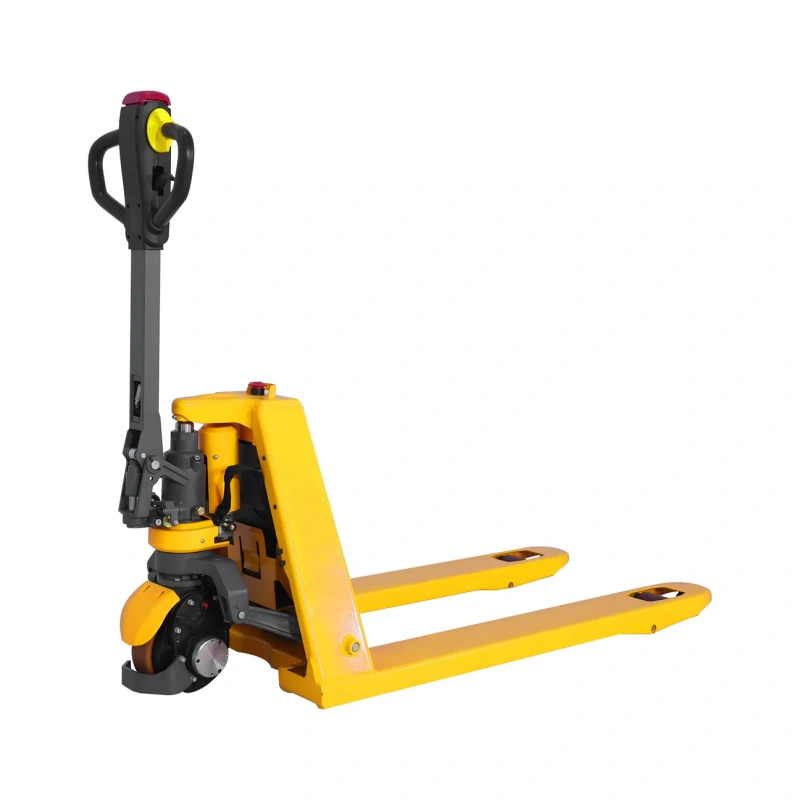
Electric Pallet Jack
Electric pallet jacks lets operators easily move heavy loads while walking behind, boosting efficiency and reducing effort.
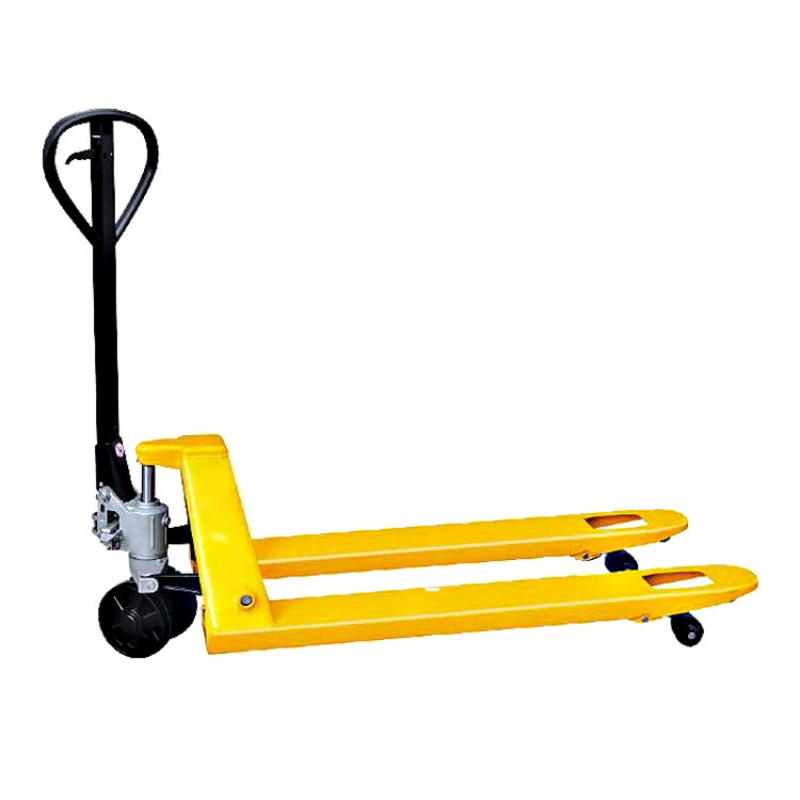
A reliable hand pallet jack designed for easy lifting and short-distance pallet transport in warehouses, retail spaces, and light industrial use.
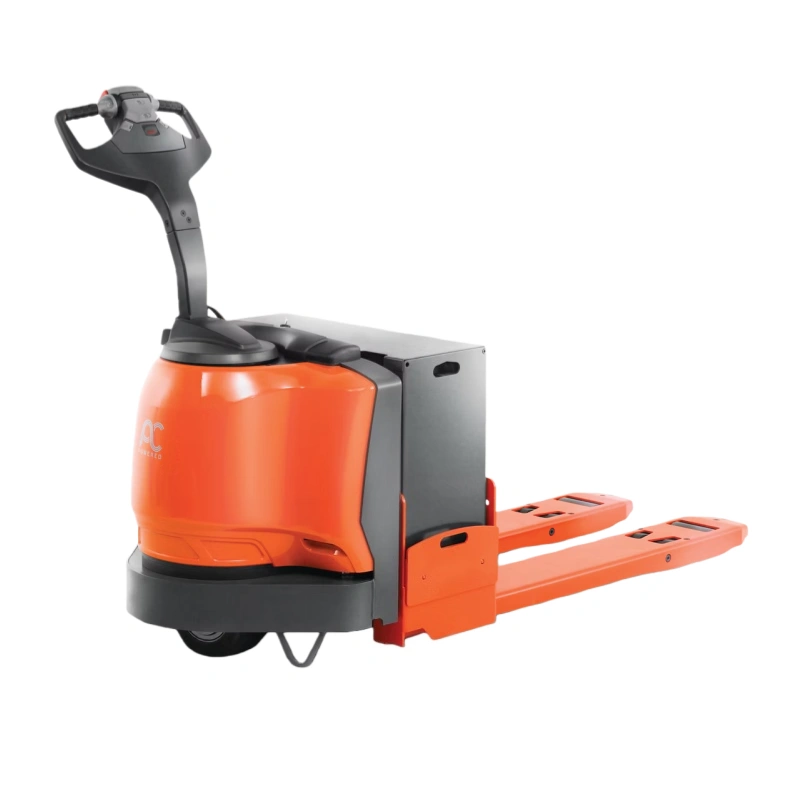
Rider Pallet Jack
A ride on pallet jack with a ride platform or seat, designed for fast and efficient pallet transport over long distances in large warehouses.
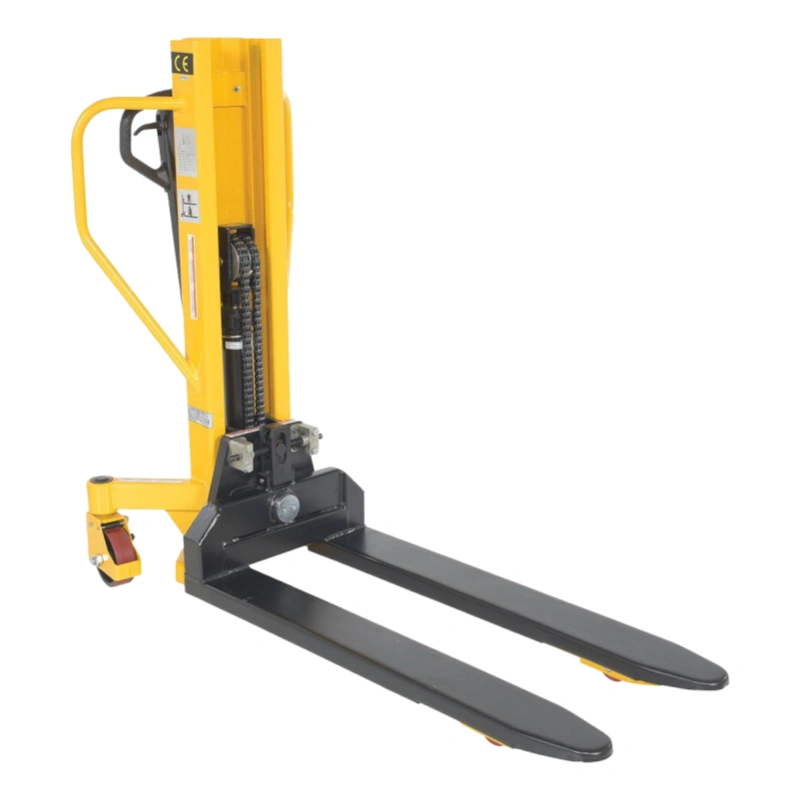
High Lift Pallet Jack
A versatile pallet jack that lifts loads to a comfortable working height, combining pallet transport and lifting for efficient handling and reduced operator strain.
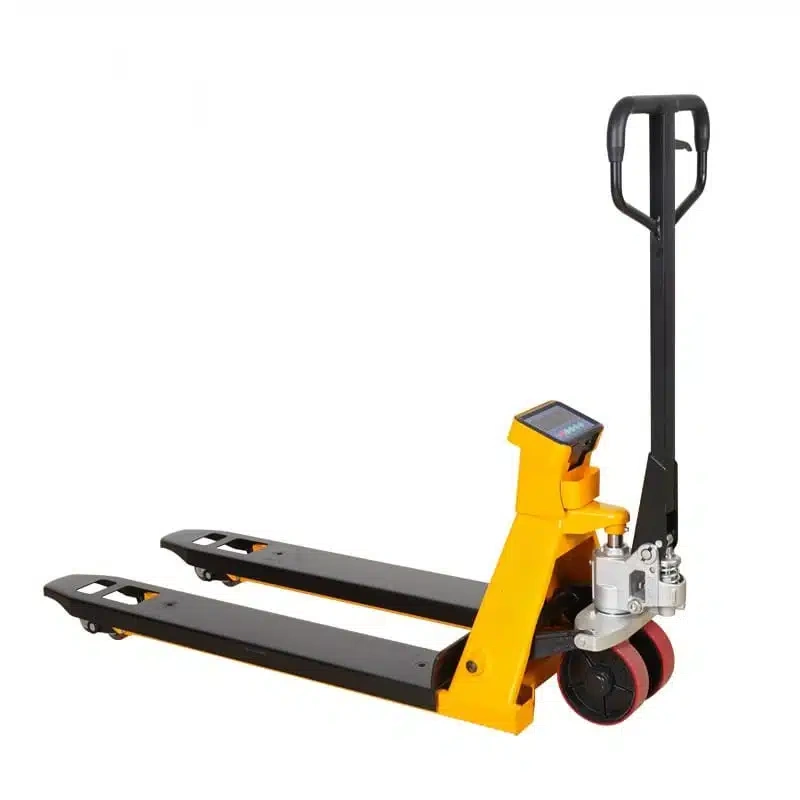
Pallet Jack With Scale
A pallet jack with a built-in digital scale that weighs loads during transport, helping improve accuracy and save time in daily handling tasks.
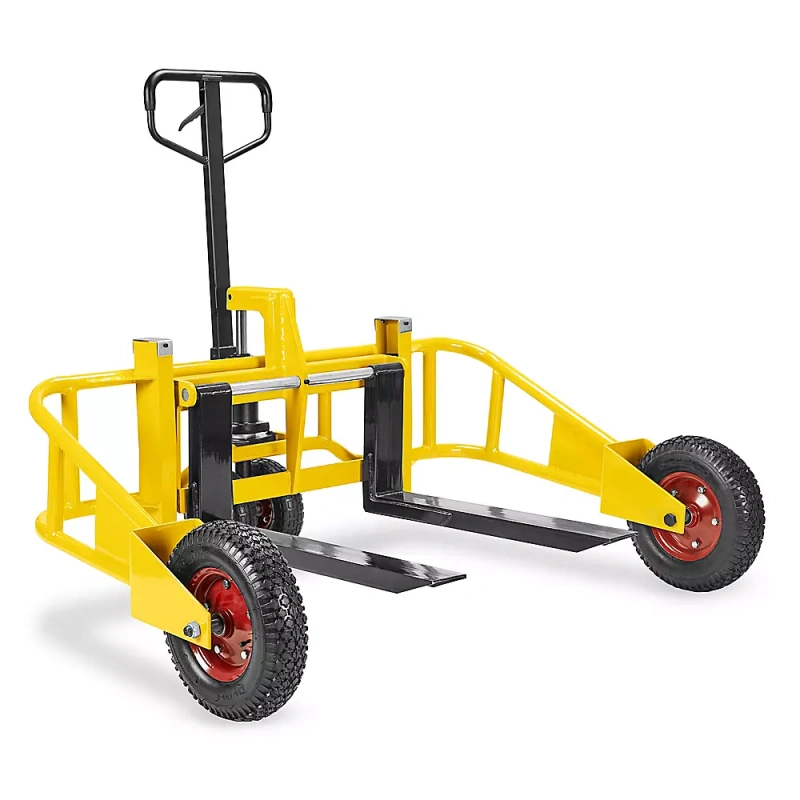
Rough Terrain Pallet Jack
Built with large pneumatic wheels to move pallets smoothly across uneven ground, gravel, or dirt, making outdoor material handling easier and safer.
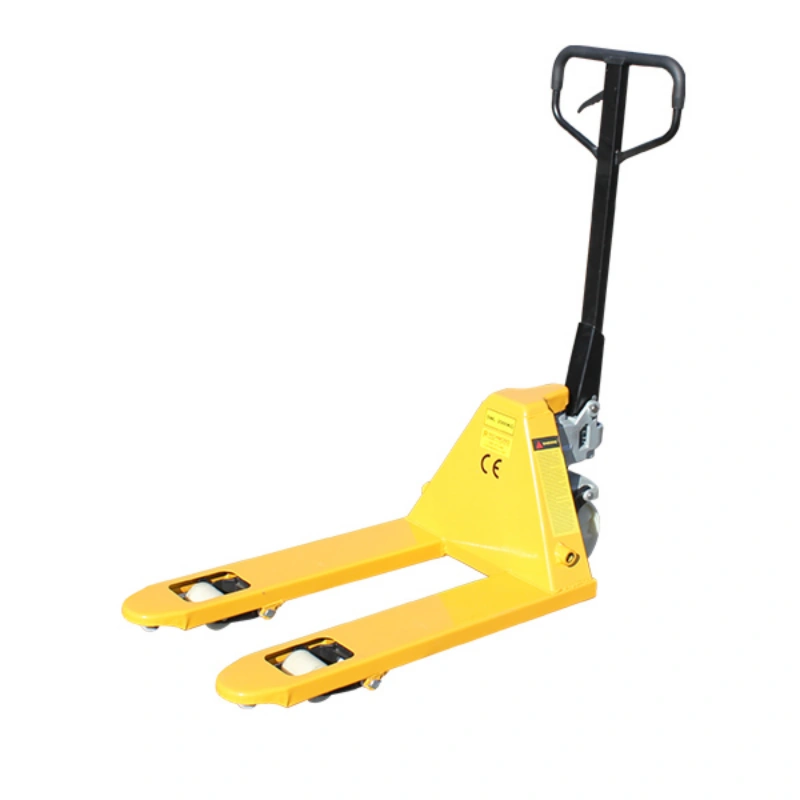
Low Profile Pallet Jack
Designed with a reduced fork height to easily lift low-clearance or custom pallets that standard pallet jacks cannot handle.
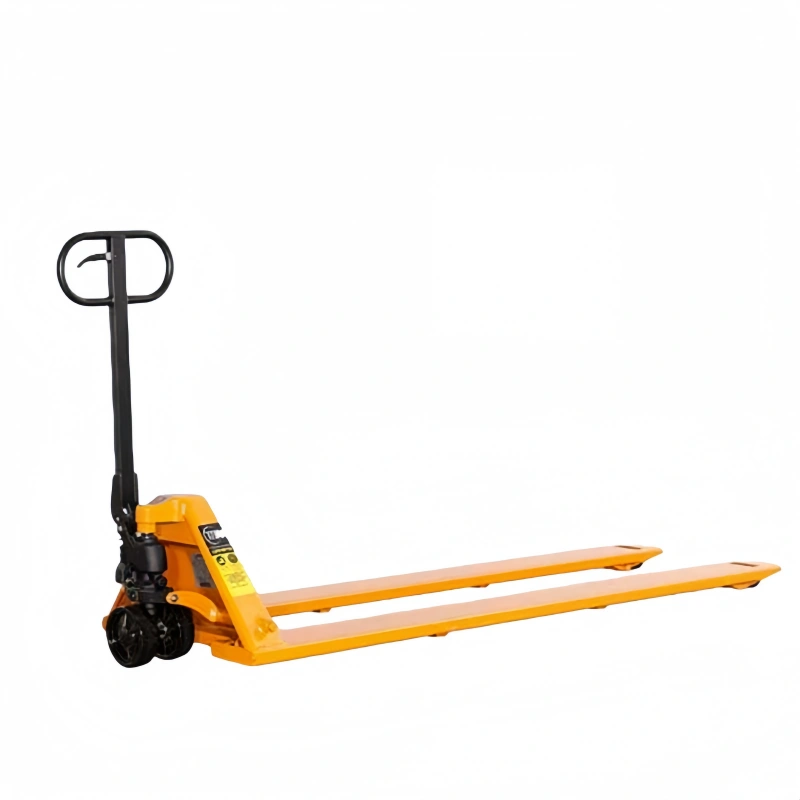
Narrow Pallet Jack
A compact pallet jack with narrow or adjustable forks, designed to handle special loads and move easily through tight aisles and confined spaces.
NEED HELP WITH YOUR PALLET JACK ORDER?
Let us help! Reach out today and get recommendations on materials and sizing from our experts.


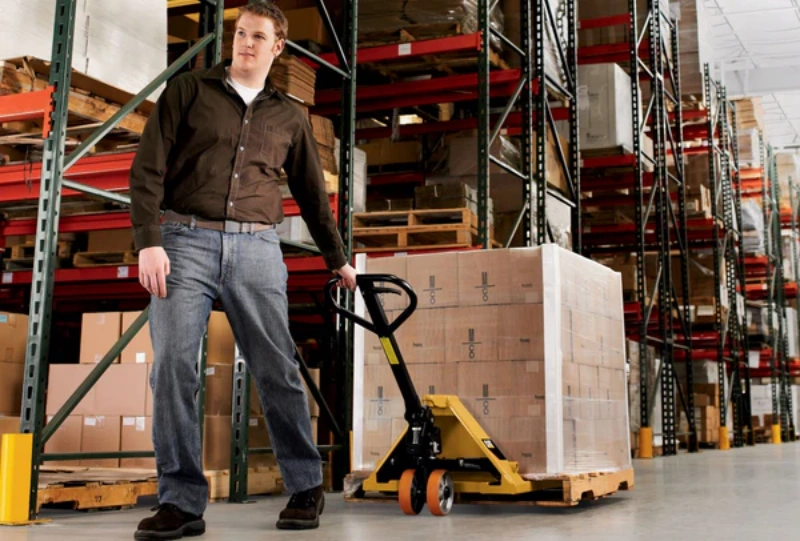
Guide to Jack for Pallet
Our guide to pallet jacks helps you understand types, applications, and selection tips so you can choose safe, reliable material handling equipment.
What is a Pallet Jack?
A pallet jack is a manual or powered material handling tool that helps you lift and move palletized loads across short distances. You use pallet jacks to move goods inside warehouses, factories, trucks, and stockrooms. The forks slide under a pallet, the hydraulic system lifts the load, and you guide the jack using the handle. Pallet jacks focus on ground-level transport instead of stacking. You gain fast movement, low operating cost, and simple training compared to forklifts. Manufacturers design pallet jacks to support daily repetitive handling without complex controls.
Types of Pallet Jacks
Different warehouse tasks demand different pallet jack designs. You choose the right pallet jack by matching load weight, aisle width, surface condition, and handling frequency. Below is a clear list format that improves readability and SEO performance.
Types of Pallet Jacks
Manual Pallet Jacks
You use manual pallet jacks for basic load movement. They rely on hydraulic pumping, cost less, and suit light to medium-duty warehouse work.Electric Walkie Pallet Jacks
You control these units by walking behind them. They reduce operator fatigue and increase productivity in high-traffic facilities.Ride-On Pallet Jacks
You stand or sit on the platform while operating. These models support long-distance transport inside large warehouses and distribution centers.High-Lift Pallet Jacks
You raise loads to waist height. These pallet jacks function as mobile work tables for packing, sorting, and assembly tasks.Low-Profile Pallet Jacks
You handle pallets with reduced clearance. These jacks fit custom or specialty pallets that standard forks cannot enter.Narrow Pallet Jacks
You maneuver easily in tight aisles. Narrow designs support compact storage layouts and high-density racking.Scale Pallet Jacks
You weigh loads while moving them. Built-in scales improve inventory accuracy and reduce handling steps.Rough Terrain Pallet Jacks
You move pallets on gravel, asphalt, or uneven ground. Large wheels and reinforced frames support outdoor use.
Pallet Jack Parts
A pallet jack depends on several core components working together to lift, move, and lower loads safely. Understanding pallet jack parts helps you operate equipment correctly, plan maintenance, and reduce downtime.
Main Pallet Jack Parts
Forks
You place the pallet on the forks. They support the full load weight and maintain balance during movement.Hydraulic Pump
You generate lifting force through the pump. It raises and lowers the forks using controlled hydraulic pressure.Handle and Control Lever
You steer, lift, and lower the pallet jack from the handle. The control lever manages hydraulic release and lifting action.Load Wheels
You rely on load wheels under the forks to carry most of the weight. They stabilize the load during travel.Steer Wheels
You guide direction with steer wheels near the handle. They allow smooth turning and precise positioning.Linkage System
You transfer force from the pump to the forks through the linkage. This connection converts pumping motion into vertical lift.
Pallet Jack Repair
You keep pallet jacks running safely by fixing problems early and following correct repair practices. Understanding common issues helps you reduce downtime and extend equipment life.
Common Pallet Jack Repair Points
Slow or weak lifting
You check hydraulic oil levels first. Low oil reduces lifting power and strains the pump.Uneven or sudden lowering
You bleed the system to remove trapped air. Air in the hydraulics causes unstable fork movement.Steering difficulties
You inspect steer wheels and bushings. Worn components affect control and increase operator effort.Seal and bearing wear
You replace seals, wheels, and bearings with manufacturer-approved parts to prevent leaks and misalignment.Maintenance tracking
You keep repair records to monitor wear patterns and plan timely part replacement.
Pallet Jack Sizes
You select pallet jack sizes based on pallet dimensions, aisle width, and load handling needs. The right size improves control, safety, and efficiency during daily operations.
Common Pallet Jack Size Options
Standard size
You use forks about 27 inches wide and 48 inches long for most warehouse pallets and general handling tasks.Narrow pallet jacks
You choose narrow forks for tight aisles, small storage areas, and specialized pallet widths.Short fork pallet jacks
You rely on short forks for half pallets and compact loads where full-length forks cause interference.Long fork pallet jacks
You select long forks to support oversized pallets, long loads, or multiple pallets at once.Low fork height models
You use low-clearance designs to slide under custom or non-standard pallets.
How Much Does a Pallet Jack Weigh?
A manual pallet jack to weigh between 150 and 300 pounds depending on fork size and frame thickness. Electric pallet jacks weigh more because batteries and motors add mass. Weight affects transport, ramp use, and truck loading. Heavier pallet jacks deliver better durability but require stronger floors.
How Much is a Pallet Jack?
You typically pay a few hundred dollars for a standard manual pallet jack. Heavy-duty models cost more due to thicker steel and upgraded hydraulics. Electric pallet jacks range higher because motors, batteries, and controllers add value. Price reflects load capacity, build quality, wheel material, and warranty support.
Forklift vs Pallet Jack:What's the Difference?
Forklifts and pallet jacks serve different roles in material handling. The right choice depends on lift height, load weight, space, and operational flow.
Pallet Jack
Used for ground-level pallet movement over short distances
Performs well in narrow aisles, trailers, and confined spaces
Lower purchase cost and minimal maintenance requirements
Operated with basic training in most regions
Available in manual and electric models for daily transport tasks
Forklift
Designed for lifting, stacking, and retrieving loads at height
Handles heavier pallets and vertical storage systems
Requires certified operators and formal safety training
Higher equipment cost with ongoing fuel or battery maintenance
Needs wider aisles and higher floor load capacity
How Wide is a Pallet Jack?
Most standard pallet jacks measure about 27 inches wide across the forks. Narrow versions measure closer to 20 inches. Adjustable models allow width changes. Width determines pallet compatibility and aisle clearance. You choose width based on pallet type and workspace layout. We offer width options to prevent wasted space and handling inefficiency.
How to Get a Pallet Jack Certification?
Pallet jack certification focuses on safe operation and workplace compliance. Most companies handle training internally rather than relying on government-issued licenses.
In-house safety training covers basic operation, steering, braking, and load handling
Instruction includes load capacity limits, ramp use, and pedestrian awareness
Daily inspection procedures teach operators how to spot wear or damage
Supervisors document training completion for safety and liability records
Some facilities require written tests or hands-on skill demonstrations
Manufacturer manuals and safety guides support structured training programs
How Long Do Pallet Jack Batteries Last?
Electric pallet jack batteries typically last several hours per charge depending on load weight and travel distance. Battery life spans several years with proper charging habits. You avoid deep discharge and overcharging. You keep terminals clean.
Is a Pallet Jack a Forklift?
A pallet jack is not a forklift. You operate pallet jacks at floor level without mast lifting. Forklifts lift loads vertically and stack pallets. Pallet jacks require less training and infrastructure.
Pallet Jack Inspection Checklist
A clear inspection checklist helps maintain safety, reduce downtime, and extend equipment life. Regular checks identify issues before they affect daily operations.
Wheels free of flat spots, cracks, or trapped debris
Forks straight with no visible cracks, bends, or weld damage
Smooth lifting and lowering without jerking or drifting
Handle rotates and returns smoothly without resistance
Hydraulic oil at proper level with no visible leaks
Brakes and control levers respond correctly
Can a Pallet Jack Fit in a Car?
Most pallet jacks do not fit inside standard cars due to length and weight. Some compact models fit in vans or pickup trucks. You measure cargo space before transport.
Can You Move a Shed With a Pallet Jack?
You can move small sheds if weight stays within capacity and the surface stays level. You place the shed on skids or pallets. You maintain balance during movement. We recommend pallet jacks for controlled loads rather than unstable structures.
Can a Pallet Jack Go Up a Ramp?
You can move a pallet jack up a ramp if the slope stays within safe limits. You pull rather than push uphill. You control speed downhill. You avoid steep or slippery ramps.
Standard pallet jacks work best on smooth floors. Rough terrain models handle gravel and uneven ground using large pneumatic wheels. You choose the correct type for surface conditions. Manufacturers design wheel materials and axle clearance to match floor requirements.
Do Pallet Jacks Have Brakes?
Some pallet jacks include parking brakes or automatic braking systems. Manual models rely on operator control. Electric models often include electromagnetic brakes. Brakes improve safety on slopes and during parking.
Do You Need a Licence for a Pallet Jack?
You usually do not need a government license. Employers require internal training and authorization. You demonstrate safe operation and load handling. We support training through manuals and safety documentation.
How to Add Hydraulic Fluid to a Pallet Jack?
Adding hydraulic fluid keeps lifting smooth and prevents pump damage. Correct oil levels support safe, reliable pallet jack operation.
Fully lower the forks to release system pressure
Locate the hydraulic oil fill port near the pump housing
Add manufacturer-approved hydraulic oil only
Pump the handle several times to bleed air from the system
Recheck fluid level and confirm smooth lifting and lowering
How to Adjust a Pallet Jack?
Proper adjustment keeps a pallet jack lifting smoothly and tracking straight. Small corrections improve control, safety, and service life.
Adjust the valve screw to control lowering speed
Align the linkage to fix uneven lifting
Tighten loose bolts and fasteners
Replace worn or damaged wheels
Test lifting and lowering to confirm smooth operation
Have More Questions of Pallet Jacks?
Have more questions about pallet jacks? Explore clear answers on types, sizing, safety, maintenance, and daily use to help choose the right pallet jack for efficient, reliable material handling.