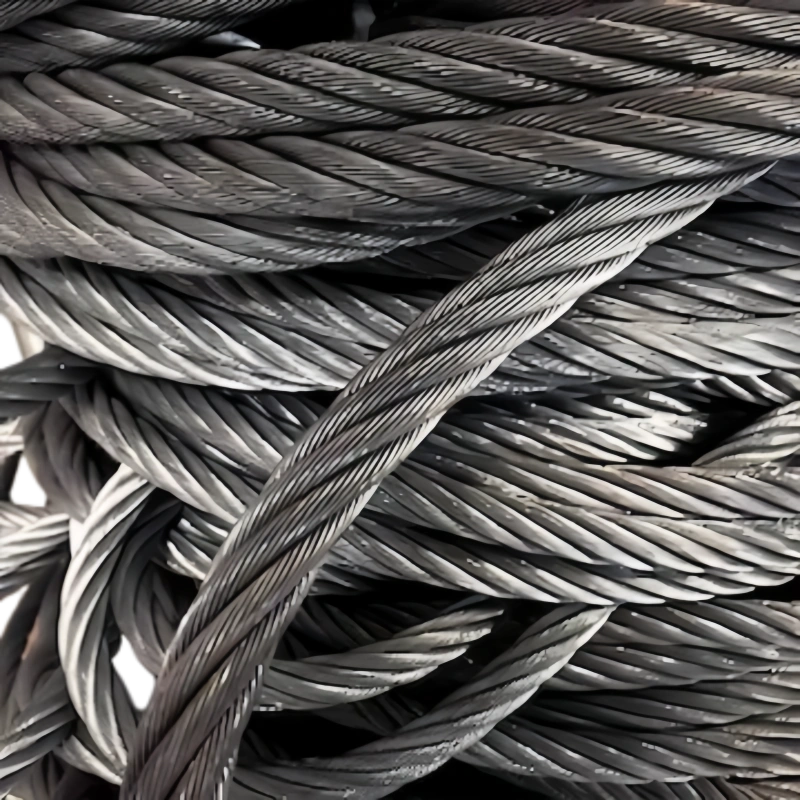
You rely on hoists to lift and move heavy loads in many industries. Hoists use mechanical systems to raise materials safely and efficiently. These tools play a vital role in construction, marine operations, and cargo handling. Choosing the right hoist equipment helps prevent accidents and increases productivity.
The global market for hoists continues to grow as industries demand stronger and safer lifting solutions.
Year | Market Size (USD Billion) | CAGR (%) |
|---|---|---|
2024 | 2.42 | – |
2025 | 2.58 | 6.7 |
2029 | 3.31 | 6.4 |
Hoists come in many designs, each built for specific tasks and working environments.
Key Takeaways
Understand the different types of hoists, such as manual, electric, pneumatic, and hydraulic, to choose the right one for your lifting needs.
Consider the lifting capacity and operational efficiency of hoists to ensure safe and effective material handling in your industry.
Regular maintenance and inspections are crucial for extending the lifespan of hoists and ensuring safety during operations.
Select hoists based on the environment, such as using explosion-proof hoists in hazardous areas or corrosion-resistant hoists for outdoor settings.
Consult with certified providers like Powerful Machinery for expert guidance and tailored solutions to meet your specific hoisting requirements.
Common Types of Hoists
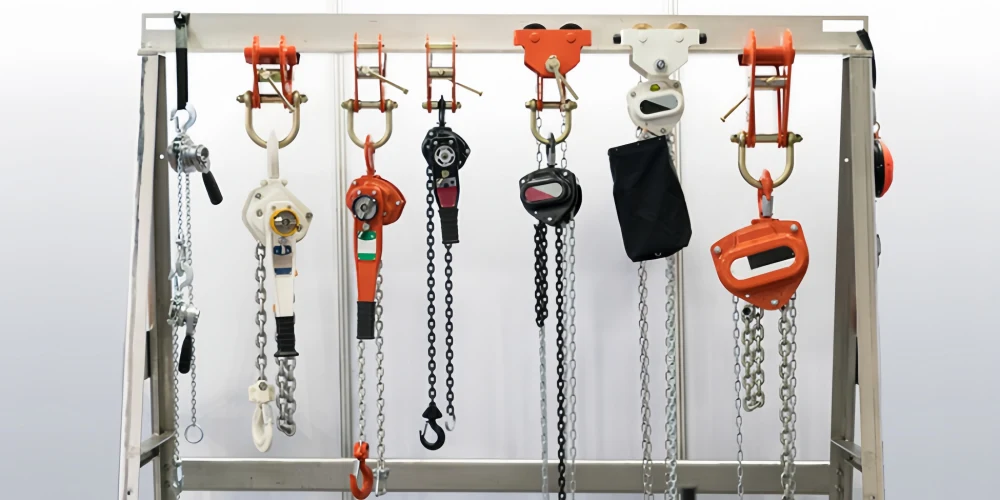
You encounter many common types of hoists in manufacturing, construction, and material handling. Each hoist equipment design serves a specific purpose and offers unique advantages for overhead lifting tasks.
Powerful Machinery supplies certified lifting chains, wire rope, and rigging hardware for all these hoist types, ensuring safety and reliability in demanding environments.
Manual Hoists
Manual hoists use hand-operated mechanisms, such as chains or levers, to lift loads. You control the lifting process by pulling a chain or moving a lever. These hoists work best for infrequent overhead lifting tasks and smaller loads.
Manual hoists offer simplicity and portability, making them ideal for workshops and maintenance jobs.
Tip: Manual hoists require less maintenance and are easy to transport, but they demand more physical effort from you.
Hoist Type | Lifting Capacity | Operational Efficiency |
|---|---|---|
Electric | High | Fast lifting speed, suitable for frequent tasks |
Pneumatic | Variable | Ideal for hazardous environments, continuous operation |
Manual | Low | Labor-intensive, best for infrequent tasks |
Powerful Machinery provides high-tensile lifting chains and wire rope for manual hoists, ensuring durability and safety.
Electric Chain Hoists
An electric chain hoist uses a motor to lift heavy loads quickly and efficiently. You operate these hoists with a control pendant or remote, allowing precise overhead lifting. Electric chain hoists suit frequent lifting tasks in factories, warehouses, and assembly lines.
They offer high lifting capacity and speed, reducing manual labor and increasing productivity.
Powerful Machinery supplies certified chains and rigging hardware for electric chain hoist equipment, meeting international safety standards.
Electric Wire Rope Hoists
Electric wire rope hoist equipment uses a wire rope wound around a drum, powered by an electric motor. You use these hoists for overhead lifting of very heavy loads, such as in construction sites and shipyards.
Electric wire rope hoists provide smooth operation and high lifting heights, making them suitable for large-scale projects.
Powerful Machinery offers high-strength wire rope and custom fittings for electric wire rope hoist equipment, ensuring reliable performance in tough environments.
Pneumatic Hoists
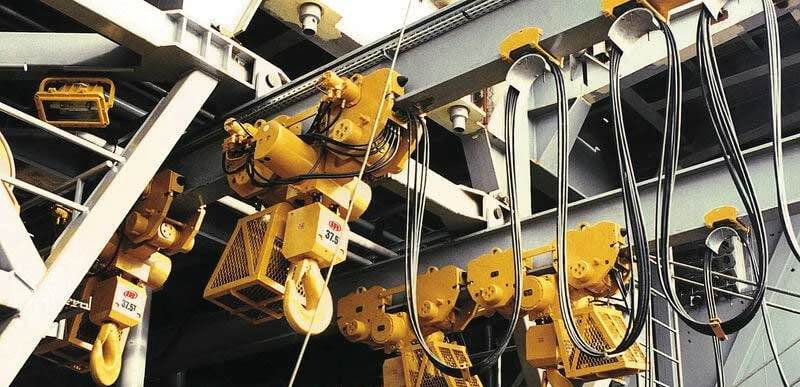
Pneumatic hoists use compressed air to power the lifting mechanism. You find these hoists in hazardous environments where sparks or electrical hazards must be avoided. Pneumatic hoists excel in continuous overhead lifting tasks, such as in assembly lines and workshops.
Industry | Reason for Use |
|---|---|
Assembly Lines | Compressed air is readily available, facilitating efficient operations. |
Warehouses | Helps in handling heavy loads, improving overall efficiency. |
Workshops | Reduces workforce burden during continuous heavy lifting tasks. |
Powerful Machinery supplies corrosion-resistant chains and wire rope for pneumatic hoist equipment, supporting safe and efficient lifting in challenging settings.
Hydraulic Hoists
Hydraulic hoists use pressurized fluid to lift loads. You benefit from their ability to handle very heavy overhead lifting tasks, such as in shipyards and construction.
Hydraulic hoists offer smooth and powerful lifting, but they require regular inspections for fluid levels, leaks, and the condition of hoses and seals. Electric hoists focus on maintaining electrical components, which generally require less frequent maintenance.
Note: Hydraulic hoists need frequent fluid changes and checks for leaks, while electric hoists have fewer parts and less wear.
Powerful Machinery provides robust wire rope and lifting chains for hydraulic hoist equipment, designed for high-load applications.
Belt Hoists
Belt hoists use a belt as the lifting medium instead of chains or wire rope. You use these hoists for delicate overhead lifting tasks, such as moving fragile materials or in clean environments. Belt hoists reduce the risk of damage to sensitive loads and offer smooth operation.
Powerful Machinery manufactures custom-engineered belt hoist equipment and accessories, ensuring gentle and reliable lifting for specialized needs.
Lever Hoists
Lever hoists operate with a ratchet-and-pawl mechanism. You lift loads by moving a lever back and forth. Lever hoists work well for positioning and securing loads in tight spaces. They have a maximum load capacity ranging from 500 pounds to 6 tons.
Manual effort can lead to operator fatigue during prolonged use, and lever hoists are less efficient for large-scale lifting compared to electric hoists.
Powerful Machinery supplies high-tensile chains and durable components for lever hoist equipment, supporting safe and precise lifting.
Swivel Hoists
Swivel hoists feature a rotating and pivoting design. You can rotate the hoist 360 degrees and pivot it 180 degrees, which gives you flexibility during overhead lifting operations. Swivel hoists allow you to lift loads at various angles, improving safety and efficiency.
Made from high-strength alloy steel, swivel hoists offer durability and high load-bearing capacity.
Alert: Swivel hoists are ideal for complex lifting tasks where you need to change the direction or angle of the load.
Powerful Machinery provides certified swivel hoist equipment and rigging hardware for demanding industrial applications.
Subsea Hoists
Subsea hoists operate underwater for offshore and marine overhead lifting tasks. You use these hoists to install pipelines, umbilical cables, and other subsea equipment. Engineering challenges include securing fragile cables and improving installation speed.
Innovative clamp systems and compliant mechanisms address these challenges, ensuring safe and efficient lifting in deep water.
New clamp arrangements increase installation speed and safety.
Spring-applied pads protect cables during vessel-based operations.
Titanium rods maintain a consistent clamping force under hydrostatic pressure.
Powerful Machinery supplies corrosion-resistant wire rope and custom fittings for subsea hoist equipment, supporting reliable lifting in harsh marine environments.
Explosion-Proof Hoists
Explosion-proof hoists are designed for hazardous environments with flammable gases or dust. You use these hoists in chemical plants, oil refineries, and mining operations.
Explosion-proof hoist equipment features thick cast iron or stainless steel motor housings, corrosion-resistant materials, overload protection, and limit switches. These hoists must meet strict international standards, such as ATEX, IECEx, and UL.
Standard/Feature | Description |
|---|---|
Explosion-Proof Motor and Control Boxes | Built with thick cast iron or stainless steel to prevent sparks or heat from escaping. |
Corrosion-Resistant Materials | Use of stainless steel hooks and copper-plated chains to resist rust and prevent sparks. |
Safety Features | Overload protection and limit switches to prevent dangerous operation. |
Certified Equipment | Certifications like ATEX, IECEx, and UL ensure compliance with safety standards. |
Temperature Classes | Defines maximum surface temperature to prevent ignition of gases (e.g., T4 means ≤ 135°C). |
Powerful Machinery offers explosion-proof hoist equipment and certified lifting chains for safe operation in hazardous zones.
Powerful Machinery stands out as a trusted provider of certified lifting chains, wire rope, and rigging hardware for all common types of hoists. You benefit from their expertise in supplying high-tensile chains and wire ropes for overhead lifting in the most demanding environments.
Hoist Equipment Features
Lifting Capacity
When you select hoists for industrial use, you must consider the lifting capacity. This feature tells you the maximum weight the equipment can handle safely. Different types of hoists offer a wide range of capacities.
Manual chain hoists can lift to 5 tons, while electric chain hoists reach up to 20 tons. Electric wire rope hoists handle loads up to 500 tons. The table below shows typical lifting capacities and duty cycles:
Type of Hoist | Lifting Capacity | Duty Cycle |
|---|---|---|
Manual Chain Hoists | Up to 5 tons | 20% |
Electric Chain Hoists | Up to 20 tons | 40-50% |
Electric Wire Rope Hoists | Up to 500 tons | 50-100% |
Lifting Height and Speed
You need to match the lifting height and speed to your project requirements. Lifting height determines how far you can raise a load overhead. Lifting speed affects how quickly you complete tasks.
Faster speeds work best for long lifts or frequent overhead lifting cycles. Headroom, the space between the suspension point and the raised hook, also impacts installation.
Specification | Description |
|---|---|
Lifting Speeds | Faster speeds suit high-frequency overhead lifting. |
Lifting Height | Choose based on operational space and load needs. |
Headroom | Affects installation and overhead clearance. |
Power Sources
Hoists use different power sources. Electric hoists provide continuous operation and reduce downtime. Pneumatic hoists use compressed air, which works well in hazardous environments. Hydraulic hoists rely on pressurized fluid for powerful overhead lifting. Electric systems offer cost savings and long-term durability.
Control Methods
You operate hoists using several control methods. Wired handheld controls give you direct operation. Wireless remote controls let you manage overhead lifting from a safe distance. Integrated control systems use automation for precise overhead movement.
Intelligent controls monitor performance and predict maintenance needs. Safety features like emergency stops and overload protection help prevent accidents.
Lifting Mediums
Hoists use chains, wire rope, or belts as lifting media. Chains suit heavy-duty overhead lifting. Wire rope handles large loads and offers flexibility. Belts work best for delicate overhead lifting tasks. Powerful Machinery supplies certified chains and wire rope for all lifting needs.
Customization Options
You can customize hoists to fit unique overhead lifting requirements. Adjust lifting height, platform size, and weight capacity. Add mobility options like wheels or tracks. Safety features such as guardrails, emergency stop buttons, and sensors protect you during overhead lifting.
Powerful Machinery delivers custom-engineered solutions and holds international certifications like ISO, TUV Rheinland, and OSHA. These standards ensure safety and reliability for every lifting application.
Tip: Always choose hoists with certified lifting chains and wire rope to maximize safety and performance in overhead operations.
Suspension and Mounting
When you choose a hoist, you must consider how to suspend and mount it for safe and efficient operation. The right suspension system helps you match your lifting needs and workspace layout. Powerful Machinery offers custom-engineered mounting solutions that improve safety and performance for every project.
Hook Suspension
Hook suspension gives you flexibility for temporary and on-site lifting tasks. You attach the hoist to a crane hook or other anchor point. This setup provides a pivot point, making it easy to connect and disconnect the hoist. You often use hook suspension for quick jobs or when you need to move the hoist between locations.
You benefit from fast installation and removal.
Hook suspension works best for maintenance, repairs, and short-term projects.
Suspension Type | Description | Ideal Use Case |
|---|---|---|
Hook Suspension | Connects quickly to crane hooks, adds a pivot point | Temporary and on-site jobs |
Lug-Mounted Suspension
Lug-mounted suspension gives you a secure and stationary setup. You bolt the hoist directly to a structure, such as a beam or support frame. This method works well for permanent installations in factories or manufacturing plants. Lug-mounted systems handle heavy loads and provide long-term reliability.
You choose lug-mounted suspension for fixed workstations.
This option supports high-capacity lifting and frequent use.
Suspension Type | Description | Ideal Use Case |
|---|---|---|
Lug-Mounted Suspension | Bolted to the structure for permanent installation | Factories, manufacturing plants |
Trolley-Mounted Suspension
Trolley-mounted suspension lets you move the hoist horizontally along a track, rail, or girder. You use this system when you need both lifting and side-to-side movement. Trolley options include push travel, geared travel, and electric travel trolleys. Each type suits different load weights and movement needs.
Push travel trolleys work for lighter loads and short distances.
Geared travel trolleys give you manual control for heavy loads.
Electric travel trolleys offer powered movement for frequent and efficient lifting.
Suspension Type | Description | Ideal Use Case |
|---|---|---|
Trolley-Mounted Suspension | Moves hoist along the beam for horizontal movement | Warehouses, assembly lines, large workspaces |
Tip: Powerful Machinery designs custom mounting solutions with tailored features, advanced safety systems, and high durability ratings. You get reliable performance and compliance with industry standards for every lifting application.
Selecting Hoists for Your Application
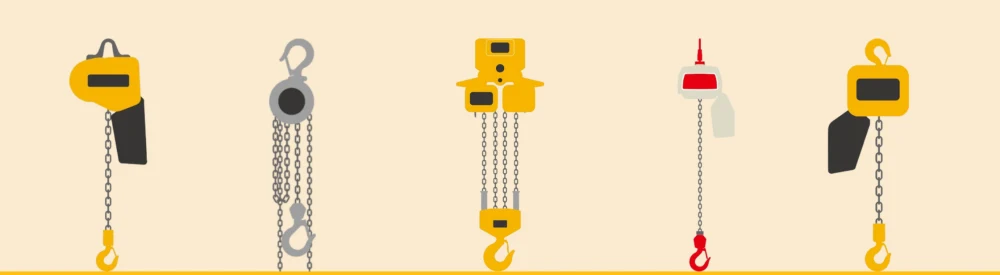
Application and Environment
You must match hoists to your specific needs. Common hoist applications include construction, manufacturing, and marine operations. You use an overhead lifting device for vertical lifting, loading and unloading, and moving materials safely. Environmental conditions play a big role in your choice.
Indoor, dry environments allow you to use standard hoists for overhead tasks.
Outdoor or high-humidity areas require corrosion-resistant lifting devices, such as those with galvanized or stainless steel components.
Hazardous locations need explosion-proof hoists to prevent ignition risks.
Clean room environments demand hoists with enclosed mechanisms and stainless steel to minimize contamination.
Wet or outdoor settings call for hoists with a higher IP rating for moisture protection.
Extreme temperatures require hoist systems with components rated for those conditions.
You can consult Powerful Machinery for custom-engineered solutions. Their certified products meet the demands of any environment, from electric hoists in climate-controlled warehouses to hydraulic hoists and pneumatic hoists in harsh outdoor settings.
Safety and Maintenance
You protect your team and equipment by following safety and maintenance practices.
Implement proactive maintenance schedules to avoid unexpected failures.
Lubricate moving parts to reduce friction and wear.
Keep thorough documentation of all maintenance activities.
Train operators to use hoists safely and efficiently.
Store hoists properly to prevent environmental damage.
Powerful Machinery offers certified lifting chains and wire rope for manual hoists, electric hoists, pneumatic hoists, and hydraulic hoists. Their products support safe overhead lifting technology and heavy lifting in demanding environments.
Tip: Regular inspections and proper training help you extend the lifespan of your lifting devices and reduce downtime.
Integration with Cranes
You often use hoists with cranes to optimize material handling.
Hoist attachments give you precise control for overhead lifting and lowering.
Hooks secure loads, especially self-locking types.
Shackles connect lifting slings and chains for specific tasks.
Clamps grip sheet metal and pipes securely.
Magnets lift ferrous materials in manufacturing and scrap processing.
Vacuum lifters handle non-porous materials without damage.
Powerful Machinery supplies all the rigging hardware you need for seamless integration of hoists with cranes, supporting efficient loading and unloading.
Industry Resources
You can rely on industry standards and resources to guide your selection and maintenance of hoists.
The Hoist Manufacturers Institute (HMI) provides product guides and a hoist certification program.
OSHA Alliance offers safety tip sheets, fact sheets, and quick cards.
Technical papers and additional resources are available on the HMI website.
The ASME B30 safety standards cover design, construction, use, inspection, and maintenance of hoist equipment.
Several volumes of ASME B30 apply to your specific overhead lifting device and tasks.
Note: Powerful Machinery’s products meet international standards, including ISO, TUV Rheinland, and OSHA, ensuring your hoist systems comply with safety regulations.
Conclusion
You improve safety and efficiency when you understand the types of hoists and their features. Only trained personnel should operate lifting equipment. You plan every lift, inspect equipment, and enforce load limits.
Certified providers like Powerful Machinery help you meet safety standards and choose the right equipment.
Trust in certified products protects your team and assets.
Expert guidance supports proper maintenance and equipment selection.
Next steps:
Develop a proactive maintenance program.
Review technical guides and safety records.
Consult experts for tailored solutions.
FAQ
What are hoists used for?
You use hoists to lift, lower, and move heavy loads in many industries. Hoists help you handle materials safely in construction, manufacturing, marine, and warehousing. You rely on hoists for overhead lifting, precise positioning, and efficient material handling.
How do you choose the right hoists for your job?
You consider load weight, lifting height, speed, and environment. You match hoists to your application, such as manual hoists for light tasks or electric hoists for frequent lifting. You also check certifications and safety features before you select hoists.
What safety tips should you follow when using hoists?
You inspect hoists before each use. You never exceed the rated capacity. You train operators to use hoists correctly. You keep the area clear during lifting. You follow maintenance schedules to keep hoists in top condition.
Tip: Always use certified lifting chains and wire rope with your hoists for maximum safety.
Can you use hoists outdoors or in harsh environments?
You can use hoists outdoors or in harsh settings if you choose the right type. You select corrosion-resistant hoists for wet or marine areas. You use explosion-proof hoists in hazardous zones. You always check that hoists meet environmental requirements.
How do you maintain hoists for long-term reliability?
You clean and lubricate hoists regularly. You check for wear, damage, or corrosion. You replace worn parts promptly. You store hoists in dry, protected areas. You schedule professional inspections to ensure hoists remain safe and reliable.
Maintenance Task | Frequency |
|---|---|
Visual Inspection | Before use |
Lubrication | Weekly |
Professional Check | Annually |