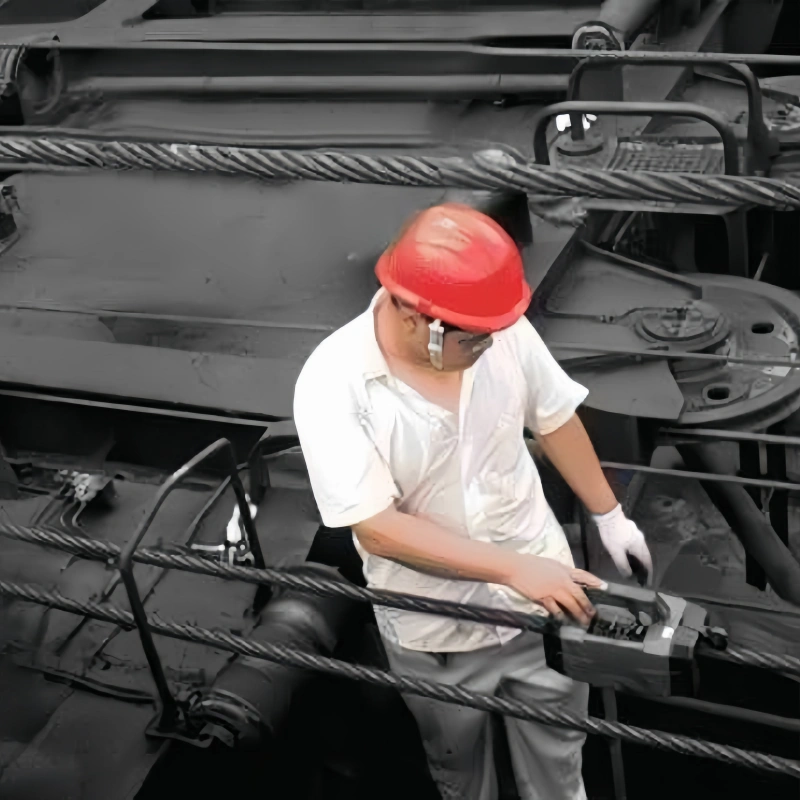
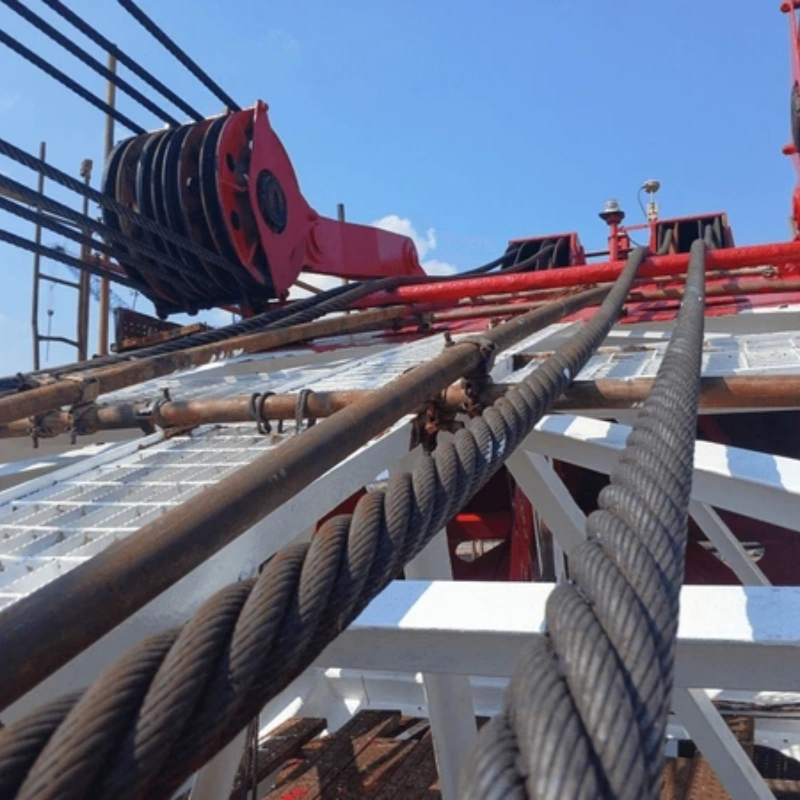
Material handling equipment helps you move, store, and control goods in your facility. You use these tools in warehouses, factories, and stores to keep operations smooth and safe.
When you choose the right equipment, like Powerful Machinery‘s Pallet Trucks, you improve how quickly and safely your team works. Understanding the types and benefits of these machines helps you make smart decisions for your business.
Key Takeaways
Material handling equipment improves efficiency and safety in warehouses and factories. Choose the right tools to enhance your team’s productivity.
Understanding the four main categories of material handling equipment—storage, bulk handling, industrial trucks, and engineered systems—helps you select the best solutions for your needs.
Investing in automated systems reduces labor costs and minimizes errors. Automation leads to faster processing times and improved inventory management.
Prioritize safety by using ergonomic equipment. This reduces the risk of injuries and supports safe lifting techniques for your team.
Evaluate your facility’s layout and material needs before selecting equipment. Proper planning maximizes space and ensures efficient operations.
Key Types of Material Handling Equipment
Material handling equipment comes in several main categories. Each type serves a unique purpose in moving, storing, or controlling goods. Understanding the key types of material handling equipment helps you choose the right tools for your facility.
Industry authorities recognize four main categories of material handling equipment.
Here is a quick overview:
Type Number | Category Name | Description |
|---|---|---|
1 | Storage and Handling Equipment | Basic tools like shelves and racks for storing materials. |
2 | Bulk Material Handling Equipment | Equipment for storing and transporting loose bulk materials, such as silos. |
3 | Industrial Trucks | Vehicles or equipment for moving materials within a facility. |
4 | Engineered Systems | Complex systems are designed for specific material handling tasks, often involving automation. |
Storage and Handling Solutions
You use storage and handling solutions to organize and protect materials in your warehouse or production area. These systems help you maximize space and keep items accessible. Common examples include:
Storage Solution | Description |
|---|---|
Shelving | Stores and organizes materials, tools, and equipment. Customizable and cost-effective. |
Mezzanine Systems | Adds extra floor space for storage or production. |
Containers | Secures materials for storage or transport. Available in many sizes and weather-resistant options. |
Temperature-Controlled | Maintains specific temperatures for sensitive goods like food or pharmaceuticals. |
Pallet Racking | Uses beams to hold pallets vertically and horizontally, optimizing space. |
You find these solutions in e-commerce, general warehousing, and cold storage environments. For example, pallet racking helps you store palletized loads, while shelving keeps small parts organized. Mezzanine systems create more space without expanding your building.
Industrial Material Handling Trucks
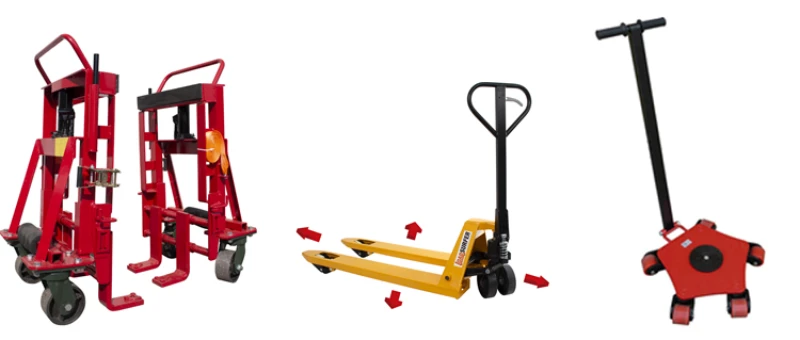
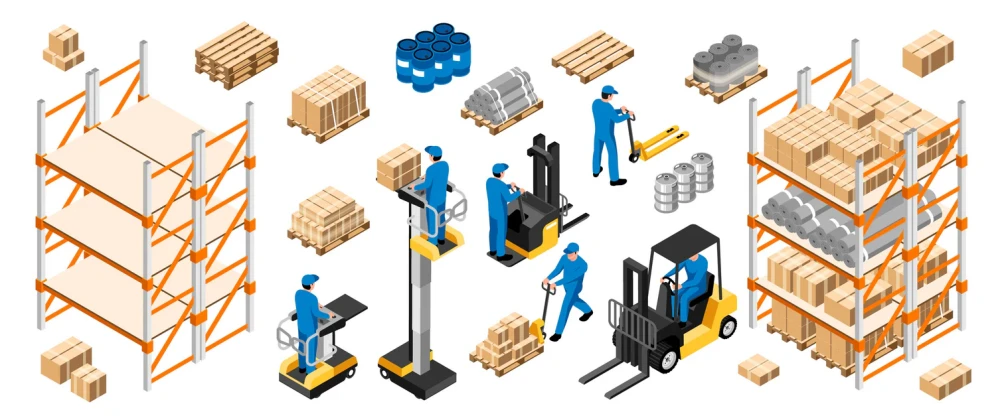
Industrial material handling trucks move goods efficiently within your facility. These vehicles come in many forms, each designed for specific tasks. Here are some of the most widely used types:
Type of Industrial Truck | Typical Application | Key Benefits |
|---|---|---|
Pallet Jacks | Moving pallets over short distances | Suitable for restricted spaces and short distances |
Order Pickers | Picking items from high shelves | Increases picking efficiency |
Forklifts | Moving packaged goods within facilities | Flexible load capacities, essential for movement |
Walkie Stackers | Lifting and stacking pallets in tight spaces | Easy to maneuver, good for small areas |
Platform Trucks | Carrying bulky or irregular loads | Versatile for many types of materials |
Sideloaders | Handling long or awkward loads | Useful for lumber, pipes, or sheet materials |
Hand Trucks | Moving small loads or boxes | Simple, manual, and cost-effective |
You rely on pallet jacks and order pickers for daily warehouse operations. Forklifts, including industrial counterbalance forklifts and industrial reach forklift trucks, handle heavier loads and reach higher shelves. Industrial side loader forklifts help you move long materials like pipes or lumber.
Rough terrain forklifts and telescopic handler forklifts work well outdoors or on uneven surfaces.
Powerful Machinery’s Pallet Trucks stand out as a reliable choice for moving pallets. These trucks offer robust steel construction, ergonomic handles, and smooth hydraulic lifting.
You benefit from their durability and ease of use, especially in crowded warehouses or retail spaces. Powerful Machinery provides custom solutions and a global reach, making their pallet trucks a top pick for efficiency and safety.
Bulk Material Handling Systems
Bulk material handling systems help you move, store, and process loose materials like grains, minerals, or chemicals. These systems include:
Type of Equipment | Description |
|---|---|
Unloading Station | Entry point for materials, such as railcar or bag dumping stations. |
Conveying System | Moves materials using pneumatic conveyors, screw conveyors, or bucket elevators. |
Material Storage Equipment | Stores bulk materials in silos, bins, or hoppers. |
Batching Equipment | Dispenses precise amounts for processing or packaging. |
Filling/Packaging Station | Prepares products for distribution, ensuring quality standards. |
You might use conveyor belts, bucket elevators, or hoppers to move and store bulk goods. These systems keep your operations running smoothly and reduce manual labor.
Engineered and Automated Equipment
Engineered and automated equipment brings advanced technology to your material handling processes. Automated storage and retrieval systems (AS/RS) use robotics and software to store and retrieve items quickly. You see these systems in large warehouses and distribution centers.
Benefits of automation include:
Increased throughput and stable performance.
Improved accuracy, reducing costly overfill or errors.
Enhanced safety by minimizing human contact with hazardous materials.
Reduced labor requirements, allowing your team to focus on higher-value tasks.
Faster changeovers and lower total cost of ownership.
Modern automated systems help you manage inventory, speed up order fulfillment, and maintain high safety standards.
Specialized Lifting Attachments
Specialized lifting attachments expand the capabilities of your lifting equipment. These tools help you handle unique loads safely and efficiently. Common examples include:
Attachment Type | Application Description |
|---|---|
Coil Lifters | Safely handle rolled materials. |
C-hooks | Precise manipulation of coils. |
Spreader Beams | Distribute weight to prevent load bending. |
Die Tongs | Specialized for foundry operations. |
You also use drum clamps for moving drums in chemical or food production, foam clamps for delicate materials, and carton clamps for handling boxes in warehouses. Forklift lifting beams, crane pallet lifters, and container lifting lugs allow you to lift and move heavy or awkward items with precision.
These attachments help you adapt your forklifts and cranes to a wide range of tasks, improving safety and productivity.
By understanding the types of material handling equipment, you can select the right solutions for your facility. Each category, from storage systems to lifting equipment, plays a vital role in your daily operations.
Uses and Benefits of Different Types of Material Handling Equipment
Enhancing Productivity and Efficiency
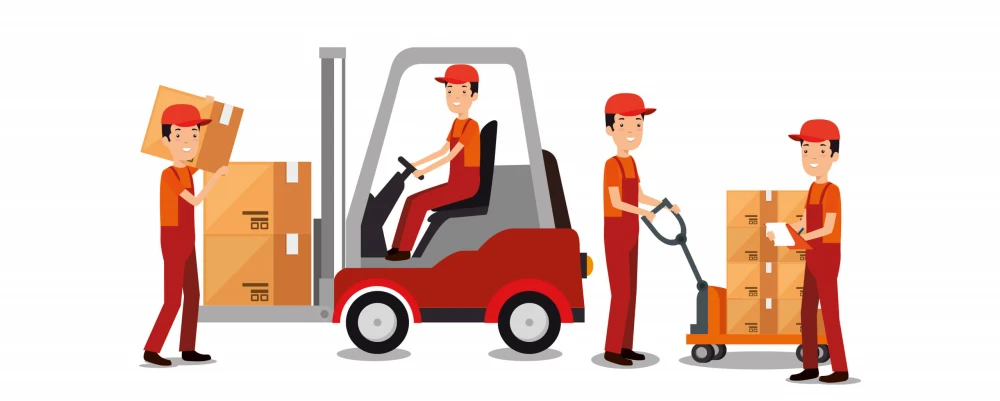
You boost productivity when you use material handling equipment for moving materials in your facility. Forklifts and pallet trucks help you transport heavy loads quickly, while automated systems like AS/RS streamline inventory management. These improvements lead to faster processing times and fewer mistakes.
You spend less time on manual labor and more time on tasks that add value. Powerful Machinery’s pallet trucks offer reliable performance, helping you keep operations running smoothly and improving warehouse efficiency.
Automation of logistics operations such as receiving, shipping, and picking leads to cost reductions, especially in labor expenses.
Forklifts improve loading and unloading efficiency compared to manual labor.
Conveyors and robots move goods faster, reducing labor intensity and time.
Automated warehouses improve inventory control accuracy, minimizing human error.
Improving Safety and Ergonomics
You reduce safety risks when you choose the right equipment. Manual handling can cause injuries like back pain and strains. Mechanical devices, such as pallet trucks and lift assist systems, lower the risk of musculoskeletal disorders. Ergonomics play a key role in keeping your team safe.
Modern equipment supports safe lifting techniques and reduces fatigue. Powerful Machinery designs products with ergonomics in mind, helping you protect your workers and maintain a safer workplace.
Automating heavy lifting tasks reduces physical strain.
Ergonomic systems support safe lifting and allow workers to focus on important tasks.
Less time spent on manual handling means fewer injuries and quicker recovery.
Optimizing Storage and Space
You maximize your storage capacity by using specialized equipment. Adjusting aisle widths and installing automated storage systems help you use space more efficiently. Real-time data from warehouse management systems lets you track and optimize underused areas.
These strategies increase your storage density and keep your facility organized.
Technique | Impact on Capacity Utilization |
|---|---|
Adjusting aisle widths | Increases storage density while maintaining safety |
Automated storage systems | Maximizes vertical and horizontal space, reduces manual labor |
Real-time data from WMS | Identifies underused areas for continuous optimization |
Reducing Costs and Supporting Growth
You save money when you invest in advanced material handling equipment. Automated systems lower labor costs and reduce product damage. Energy-efficient designs help you cut operational expenses.
These advantages of material handling equipment support your business growth and scalability. Powerful Machinery’s certified products deliver long-term reliability, helping you handle more jobs and expand your operations.
Cost Saving Category | Description |
|---|---|
Labor Cost Reduction | Automating tasks lowers wages and training costs |
Increased Throughput | Faster, more accurate systems reduce per-unit costs |
Reduced Product Damage and Waste | Advanced systems minimize human error, decreasing waste |
Energy Efficiency | Modern systems lower operational costs and environmental impact |
Tip: Investing in the right equipment helps you scale your business, improve safety, and achieve long-term savings.
Choosing the Right Material Handling Equipment
Assessing Material and Load Needs
You need to start by understanding your materials and load requirements. This step helps you avoid common mistakes and ensures safety. The table below shows important factors to consider:
Factor | Description |
|---|---|
Material Characteristics | Inspect properties like durability, weight, and hazards to select suitable equipment. |
Load Capacity | Determine the weight you need to move to prevent overloading and accidents. |
Safety Features | Look for features such as load sensors and anti-lock brakes to improve safety. |
Flexibility & Adaptability | Choose equipment that works in different environments and workflows. |
Regulatory Compliance | Make sure your equipment meets safety standards and regulations. |
Budget | Balance cost with quality and maintenance needs. |
Customization Requirements | Adapt equipment for your specific tasks to boost efficiency and safety. |
Tip: Avoid overlooking customization needs and ergonomic design. Misjudging load characteristics or ignoring rigging components can lead to safety hazards.
Facility Layout and Space Considerations
Your facility’s layout affects how you move materials and which equipment fits best. Aisles can take up a large part of your floor space, so plan carefully. You should optimize travel distances and keep aisles clear for safety.
Strategic placement of inventory and using technology for layout planning can help you save time and space. Lean principles like 5S and continuous improvement also make your operations more efficient.
Best Practice | Description |
|---|---|
Strategic Placement | Arrange inventory by demand frequency to reduce picking time. |
Leverage Technology for Layout Planning | Use software for precise floor planning and simulation. |
Enhance Safety Through Layout Design | Keep aisles clear and zones well-lit to improve safety. |
Automation and Customization Options
Automation is changing how you handle materials. You can use robotic lift trucks, AGVs, and modular designs to speed up repetitive tasks. AI and machine learning help you optimize processes and boost productivity. Powerful Machinery offers custom-engineered solutions for unique challenges.
These solutions improve efficiency and safety by adapting to your specific needs. Custom tilters and advanced lifting systems handle loads that standard equipment cannot manage.
Trend | Description |
|---|---|
Increased Automation | Automates repetitive tasks for speed and accuracy. |
Robotic Integration | Uses AGVs and robotic trucks to reduce manual labor. |
Modular Designs | Flexible solutions that fit your changing needs. |
AI and Machine Learning | Optimizes processes and increases productivity. |
Budget, Financing, and Rental Solutions
You need to consider your budget when choosing equipment. Financing and leasing options help you conserve working capital and allow for regular upgrades. You can align payments with savings from automation and reduced labor costs.
Fleet management services and innovative finance products lower your total cost of operation. Manual pallet jacks and pallet trucks from Powerful Machinery offer a cost-effective solution for small and medium-sized businesses. These trucks are easy to use, require little maintenance, and help you move loads efficiently.
Note: Choosing the right material handling equipment means balancing your needs, space, automation options, and budget. Powerful Machinery provides certified products and custom solutions to help you achieve safety and efficiency.
Conclusion
Understanding the main types and benefits of material handling equipment helps you create a safer, more productive workplace.
You reduce injuries and product damage.
You boost productivity and lower costs.
You improve customer satisfaction with faster delivery.
Before you choose equipment, review your needs:
Criteria | Description |
|---|---|
Type of Material | Match equipment to material properties and handling needs. |
Volume and Frequency | Select tools based on how often and how much you move. |
Safety and Certifications | Look for ISO 9001:2015, CE, and EN 13155 for quality and safety. |
Custom solutions from trusted brands like Powerful Machinery help you meet unique challenges and maintain high standards.
FAQ
What is the main purpose of a lift in material handling?
You use a lift to move heavy loads safely and efficiently. Lifts help you reduce manual labor and prevent injuries. You can choose different types of lifts for your warehouse or factory.
How do lift tables improve workplace safety?
Lift tables help you raise and lower materials to comfortable heights. You avoid bending and straining your back. You use lift tables to keep your workspace safe and reduce accidents.
Can you use a lift table for different types of loads?
You can use lift tables for boxes, pallets, and machinery. You adjust the height to fit your needs. Lift tables work well in warehouses, factories, and retail stores.
What features should you look for in a lift table?
You should check the load capacity, platform size, and lifting height. You need a lift table with strong construction and easy controls. You also want safety features like brakes and guardrails.
How do you maintain a lift table for long-term use?
You inspect your lift table regularly. You check for leaks, worn parts, and loose bolts. You clean the lift table and lubricate moving parts. You follow the manufacturer’s instructions for safe operation.
Tip: You should always train your team to use lifts and lift tables correctly. Proper training helps you avoid injuries and keeps your equipment in good condition.
Equipment Type | Common Use | Safety Benefit |
|---|---|---|
Lift | Moving heavy loads | Prevents injuries |
Lift tables | Adjusting heights | Reduces strain |