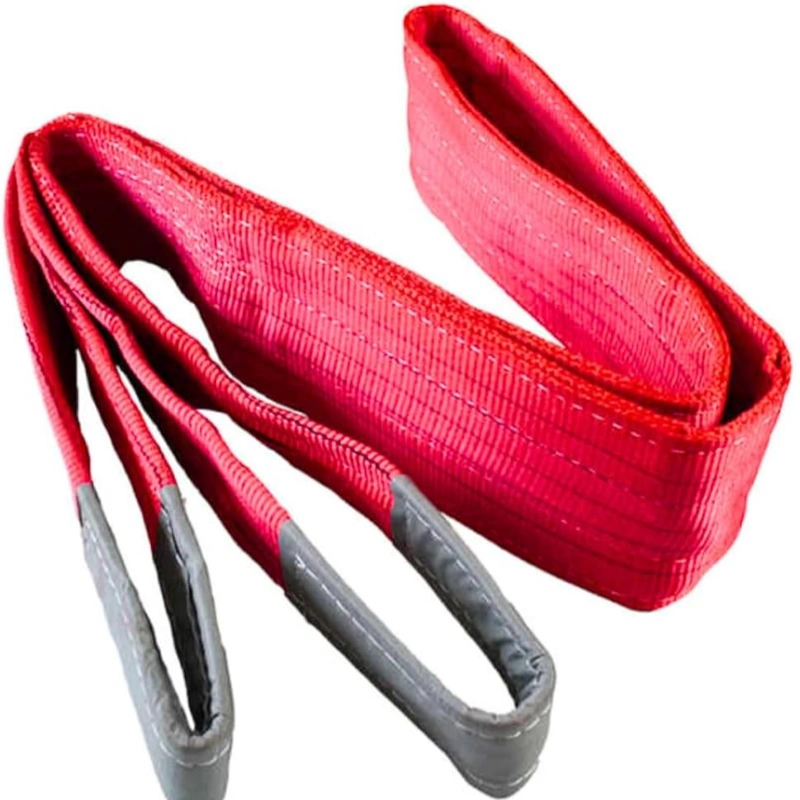
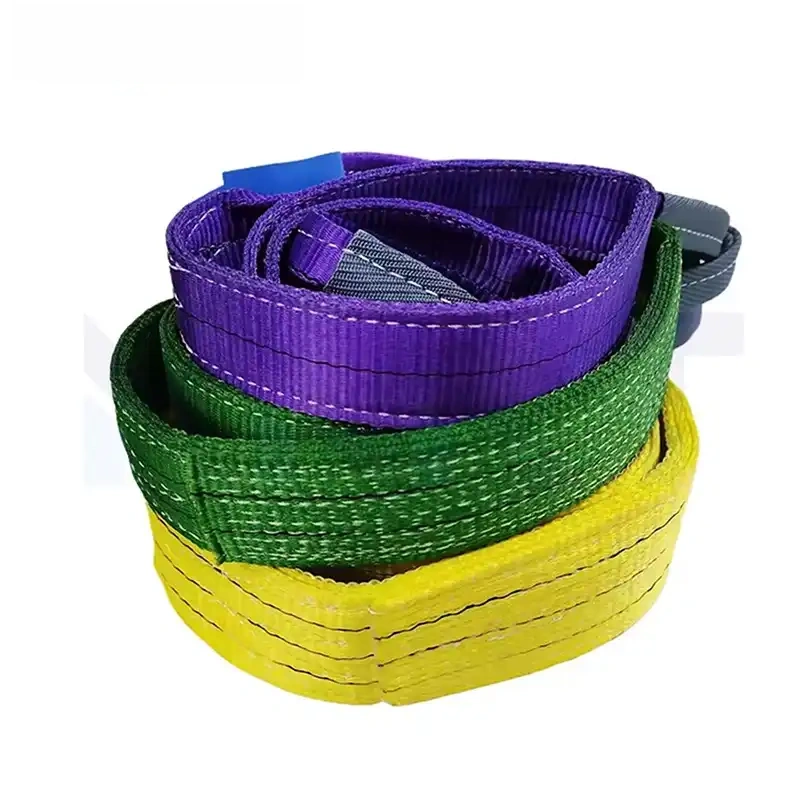
Webbing sling safety factor refers to the ratio between the breaking strength of a sling and its rated working load. This factor plays a vital role in lifting operations because it helps you prevent accidents and damage. You need to understand safety factors to select the right equipment and protect both people and loads.
Powerful Machinery provides certified webbing slings that feature accurate capacity markings, clear color coding, and strict compliance with international standards. Choosing certified products ensures you lift with confidence and follow essential safety guidelines.
Key Takeaways
Understand the webbing sling safety factor. This ratio helps you choose the right sling and avoid accidents.
Always check the sling label for the safety factor and working load limit before lifting. This simple step enhances safety.
Select slings with a higher safety factor for added protection against unexpected stresses and potential failures.
Follow best practices for sling maintenance. Regular inspections and proper storage extend the life of your lifting equipment.
Choose certified webbing slings from trusted brands. This ensures compliance with safety standards and boosts confidence in lifting operations.
Webbing Sling Safety Factor Explained
What Is a Webbing Sling Safety Factor?
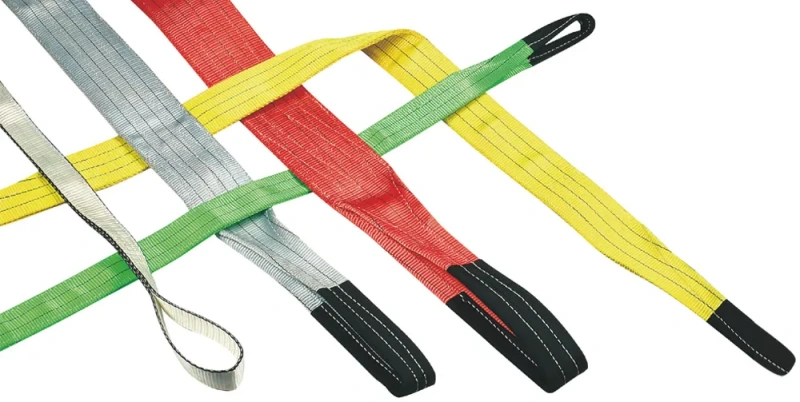
You need to understand the webbing sling safety factor before you select any lifting equipment. This term describes the ratio between the breaking strength of a webbing sling and its rated working load. Manufacturers use this ratio to ensure that each sling can handle much more than its labeled capacity.
For example, a webbing sling safety factor of 5:1 means the sling will only be rated for one-fifth of its actual breaking strength. If a sling has a working load limit of 2,000 kg, it will not break until the force reaches 10,000 kg. This margin accounts for unexpected stresses, material flaws, and wear over time.
You will see the webbing sling safety factor clearly marked on certified products. This information helps you make informed choices and avoid overloading. The safety factor also reflects the quality of the materials and the manufacturing process.
When you choose a sling with a proper safety factor, you protect your team and your equipment.
Tip: Always check the sling label for the webbing sling safety factor before starting any lift. This simple step can prevent accidents and costly damage.
How Safety Factor Impacts Lifting Operations?
The webbing sling safety factor plays a direct role in every lift you perform. You rely on this ratio to ensure that the sling can withstand not just the weight of the load, but also any extra forces caused by shock, movement, or harsh conditions.
A higher webbing sling safety factor means greater protection against unexpected events. You reduce the risk of sling failure, which can lead to dropped loads or injuries.
You must remember that the safety factor does not permit you to exceed the working load limit. Instead, it acts as a buffer for real-world challenges. By following the rated limits and respecting the webbing sling safety factor, you maintain a high level of safety in your lifting operations.
This practice keeps your workplace secure and your lifting equipment in top condition.
Safety Factor Importance in Lifting Operations
Risk Reduction and Compliance
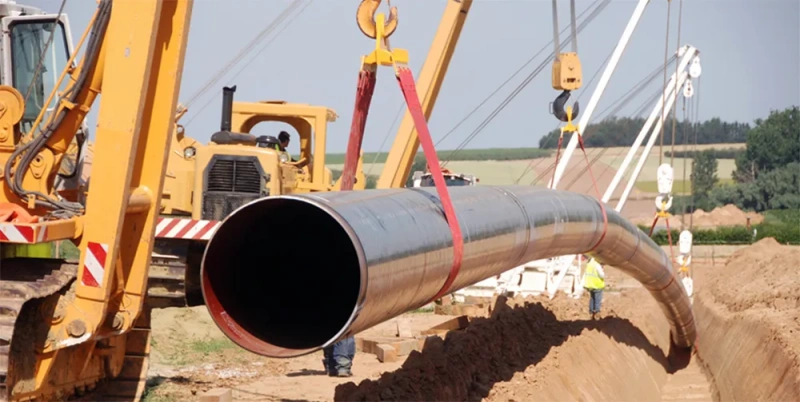
You play a crucial role in maintaining safety during lifting operations. When you select equipment with the correct safety factor, you reduce the risk of accidents and injuries. You protect your team and your assets by following established guidelines.
Safety management relies on several evaluation methods that help you identify hazards and make informed decisions.
Note: Using a higher safety factor gives you a buffer against unexpected stresses, material flaws, and human error.
The following table shows how different safety evaluation systems support risk reduction:
Evidence Type | Description |
|---|---|
Safety Evaluation Index System | Identifies possible safety hazards in lifting operations, allowing for preventive measures to be taken in advance. |
Coupling Evaluation Model | Analyzes interactions between various factors (human, machine, etc.) to assess risk levels and provide a basis for safety control. |
C-OWA Evaluation Method | Offers comprehensive and objective evaluation results, aiding in scientific decision-making for safety management. |
You must comply with international standards and regulations. Organizations such as OSHA and ISO require you to use slings with specific safety factors. Compliance ensures you meet legal requirements and maintain a safe work environment. You avoid penalties and protect your reputation by following these rules.
Industry Standards and Typical Ratios
You need to understand the typical safety factor ratios for different types of slings. Industry standards set clear guidelines for manufacturers and users. These ratios reflect the minimum requirements for safe lifting.
The table below summarizes the design factors specified by major organizations:
Type of Sling | Design Factor |
|---|---|
Wire Rope Slings | 5:1 |
Chain Slings | 4:1 |
Synthetic Slings | 5:1 to 8:1 |
You see that synthetic slings, including webbing slings, often require a safety factor between 5:1 and 8:1. This range gives you confidence that the sling can handle much more than its rated load. You must always check the sling label and verify that it meets the required ratio.
Tip: Choose certified webbing slings from trusted brands like Powerful Machinery. You ensure compliance with international standards and maximize safety in every lift.
You follow these standards to create a safer workplace. You minimize risk and maintain control over your lifting operations. You build trust with your team and your clients by using equipment that meets or exceeds industry requirements.
Safety Factor Calculation and Standards
Calculation Methods for Webbing Slings
You must understand how to calculate the safety factor before you select or use webbing slings. The safety factor shows how much stronger the sling is compared to its rated working load. You can determine this value by considering several important factors:
Load weight and type
Mechanical properties of the sling material
Test results from quality checks
Differences between design values and actual performance
Calculation methods used by engineers
Construction and manufacturing quality
Economic impact and possible damage if a sling fails
To calculate the safety factor, you use a simple formula:
Safety Factor = Minimum Breaking Load (MBL) ÷ Working Load Limit (WLL)
For example, if a sling has a WLL of 2,000 kg and a minimum breaking load of 10,000 kg, the safety factor is 5:1. This means the sling will not break until the force reaches five times its rated capacity. You benefit from this margin because it protects against unexpected stresses, shock loads, and wear during lifting.
Tip: Always check the sling label for both the working load limit and the safety factor before starting any lift.
Typical Safety Factor for Web Slings
You will find that most web slings used in industrial lifting have a safety factor of 7:1. This standard means the sling can handle seven times its rated working load before failure.
Organizations such as ASME B30.9 and EN 1492-1 support this requirement. High-quality slings may even have safety factors of 6 or 7 times, giving you extra confidence during critical lifts.
International standards and certifications play a key role in ensuring safety. When you choose slings that comply with EN 1492-1, ASME B30.9, or ISO 4878, you know they have passed strict construction, testing, and labeling requirements.
Certifications like ISO 9001 and CE marking show that the manufacturer values quality and safety in every product.
Powerful Machinery produces webbing slings that meet or exceed these international standards. You can trust their products for reliable performance and peace of mind in every lifting operation.
Powerful Machinery Web Slings & Tie Downs
Product Features and Advantages
You need reliable lifting equipment that stands up to tough jobs. Powerful Machinery web slings and tie downs deliver consistent quality and safety. These products use high-strength polyester or nylon webbing, which gives you durability and flexibility for many lifting tasks.
Each sling is manufactured with precision, cut to exact lengths, and finished with strong stitching or secure fittings. Before you receive your sling, it goes through a thorough inspection and testing process. This ensures you get equipment that performs as promised.
Powerful Machinery products carry certifications from leading organizations, including ISO9001, ISO14001, TUV Rheinland, EURO CERT, OSHA, and ASTM. You can trust these certifications to confirm the quality and safety of your lifting gear.
Here is a quick overview of what sets these slings apart:
Feature | Description |
|---|---|
High Strength | Made from high-strength polyester or nylon webbing for durability. |
Durability | Designed to withstand tough conditions, ensuring reliability. |
Manufacturing Precision | Webbing is cut to exact lengths and secured with strong stitching or fittings. |
Inspection and Testing | Each sling is inspected and tested before delivery to ensure quality. |
Certifications | ISO9001, ISO14001, TUV Rheinland, EURO CERT, OSHA, ASTM, etc. |
Choosing the Right Sling for Lifting Operations
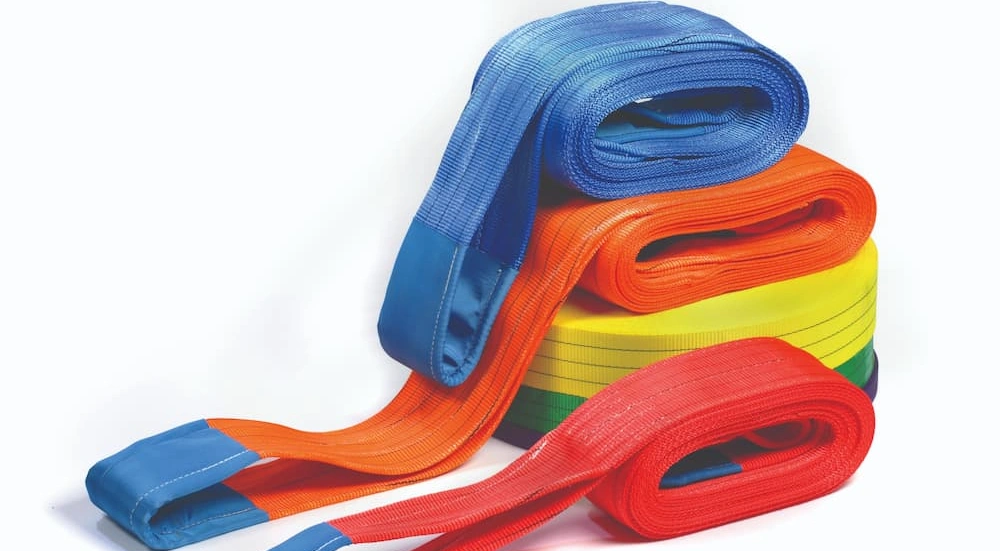
You want to select the correct sling quickly and safely. Powerful Machinery makes this easy with a color-coded system. This system helps you identify the working load limit (WLL) at a glance. You avoid confusion and reduce the risk of overloading by matching the sling color to your lifting needs.
The color codes also help you comply with safety regulations and industry standards.
The color-coded system helps you identify the working load limit (WLL) of web slings.
It simplifies the selection process for operators, ensuring you choose the correct sling for specific loads.
This system reduces the risk of overloading and promotes compliance with safety regulations.
You can feel confident that Powerful Machinery webbing slings meet or exceed international safety factor requirements. The safety factor for these lifting devices is calculated as a ratio, ensuring each sling can handle loads well above its rated capacity.
Manufacturers use mathematical calculations and rigorous testing to set these limits. You benefit from products that comply with US and EU standards, which require safety factors between 4:1 and 7:1 for rigging equipment.
When you choose Powerful Machinery, you get web slings and tie downs that combine safety, quality, and ease of use for every lifting operation.
Safe Use and Maintenance of Webbing Slings
Best Practices for Lifting Operations
You must follow strict best practices to ensure safe lifting with webbing slings. Start by selecting the correct sling for your load. Powerful Machinery makes this process simple with color-coded labels. These labels show the working load limit and inspection status.
You can quickly match the sling to your lifting needs and reduce the risk of using the wrong equipment.
Before each lift, check the sling label. If the label is missing or unreadable, remove the sling from service. Always inspect the sling for visible damage, such as cuts, abrasions, or fiber wear. Clean the sling after use, especially if it comes into contact with dirt or chemicals.
Store your slings in a cool, dark place to protect them from sunlight and moisture. Organize them in lockers or rigging boxes to keep them clean and ready for use.
Tip: Never expose your slings to direct sunlight, rain, or extreme temperatures. These conditions can weaken the material and shorten the sling’s lifespan.
The table below outlines common hazards and how you can protect your slings:
Hazard Type | Description | Protection Measures |
|---|---|---|
Moisture | Weakens the structural integrity of slings. | Store in dry areas; inspect before use. |
Chemicals | Degrades synthetic fibers and reduces load capacity. | Store away from chemicals; clean immediately if exposed. |
UV Exposure | Causes brittleness and loss of flexibility in synthetic slings. | Store indoors; rotate usage; use UV-resistant slings. |
Inspection and Common Mistakes
You should inspect every webbing sling before and after each use. Look for signs of discoloration, brittleness, or fiber damage. Discard any sling that shows these signs. They indicate environmental degradation and can lead to failure during lifting.
Common mistakes include using slings with unreadable labels, ignoring visible damage, or storing slings in poor conditions. Powerful Machinery’s safety instructions emphasize regular inspections and proper storage. Always follow these guidelines to maximize safety and extend the life of your lifting equipment.
Regular maintenance and careful inspection keep your lifting operations safe and efficient. You protect your team and your investment by following these simple steps.
Conclusion
You improve safety and efficiency when you understand and apply the correct webbing sling safety factor.
Choosing certified products like Powerful Machinery web slings ensures you meet industry standards and benefit from the latest advancements, including high-grade synthetic fibers and smart monitoring technologies.
This bulletin contains important safety information about the use of synthetic web slings. It emphasizes that all users must be trained in sling selection, use, and inspection, and highlights critical safety practices such as inspecting slings for damage, not exceeding rated capacity, and maintaining proper storage.
Quick Checklist for Safe Lifting Operations:
Inspect slings before each use
Verify working load limits and safety factors
Store slings properly
Pursue ongoing training and education
Trend | Impact on Safety Factor Requirements |
|---|---|
Advancements in Material Science | Development of stronger, more durable slings with enhanced safety features. |
Integration of Smart Technologies | Real-time monitoring of slings can lead to improved safety and maintenance. |
Emphasis on Sustainability | Adoption of eco-friendly materials may influence design and safety standards. |
FAQ
What does the webbing sling safety factor mean for your lifting operation?
The safety factor shows how much stronger the sling is compared to its rated load. You gain extra protection against unexpected stress or damage during lifting.
How do you identify the working load limit (WLL) on a webbing sling?
You check the sling label and color code. Powerful Machinery uses clear markings and color-coded systems so you can quickly find the WLL for each sling.
Why should you choose certified webbing slings?
Certified slings meet strict international standards. You reduce risk and ensure compliance.
Always look for certifications like ISO9001 or EN1492-1 on your sling.
How often should you inspect your webbing slings?
You inspect slings before every use.
Look for cuts, abrasions, or missing labels.
Remove damaged slings from service immediately.
Can you use webbing slings outdoors?
Yes, you can use polyester webbing slings outdoors.
Store slings away from sunlight and moisture to extend their lifespan.