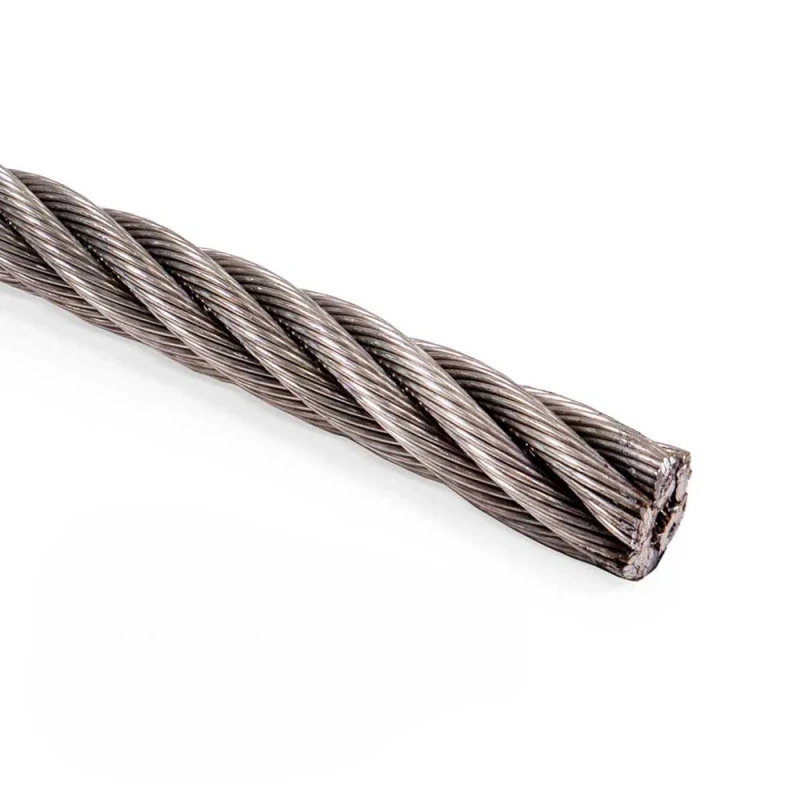
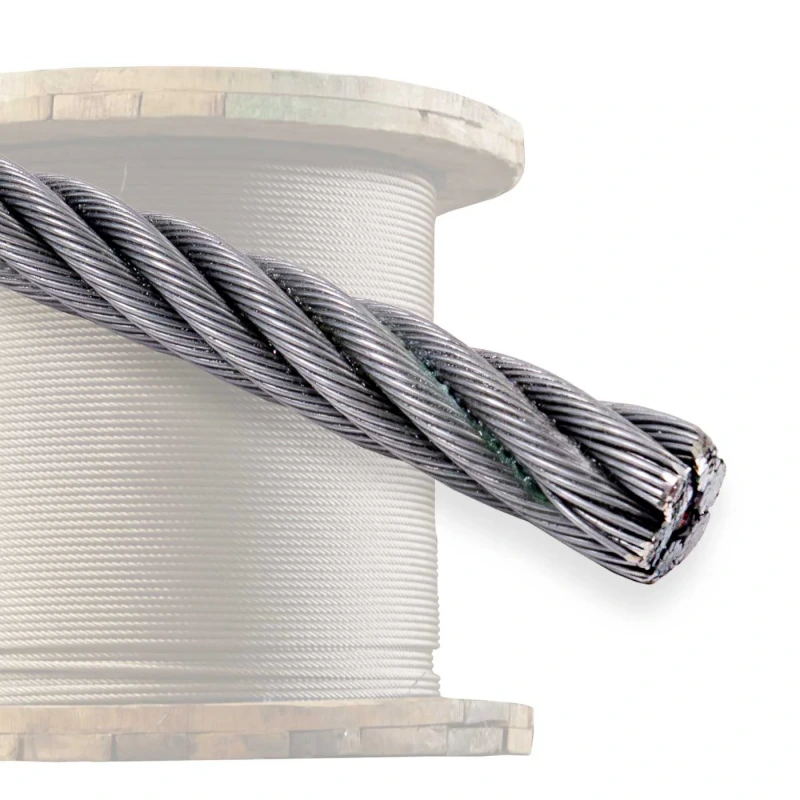
You must use only Grade 80, 100, or 120 lifting-grade alloy chain or approved lifting-rated stainless chains for overhead lifting. Lower grades—such as 30, 43, or 70—lack the strength and certification required, which can lead to serious accidents or injuries.
Choosing certified products from reputable brands like Powerful Machinery helps ensure compliance with NACM and other safety standards. For every chain sling assembly, consult a professional to select the proper chain grades for overhead lifting and to guarantee safe operation.
Key Takeaways
Use only Grade 80, Grade 100, or lifting-rated stainless chains for overhead lifting to ensure safety and compliance.
Always check for proper markings and certifications on chains to verify their suitability for lifting tasks.
Inspect chains regularly for wear and damage, and document findings to maintain safety standards.
Choose the right chain grade based on the weight and environment of your lifting operation for optimal performance.
Consult professionals and trusted brands like Powerful Machinery for expert guidance and certified products.
Chain Grades for Overhead Lifting
How Chain Grades Are Determined?
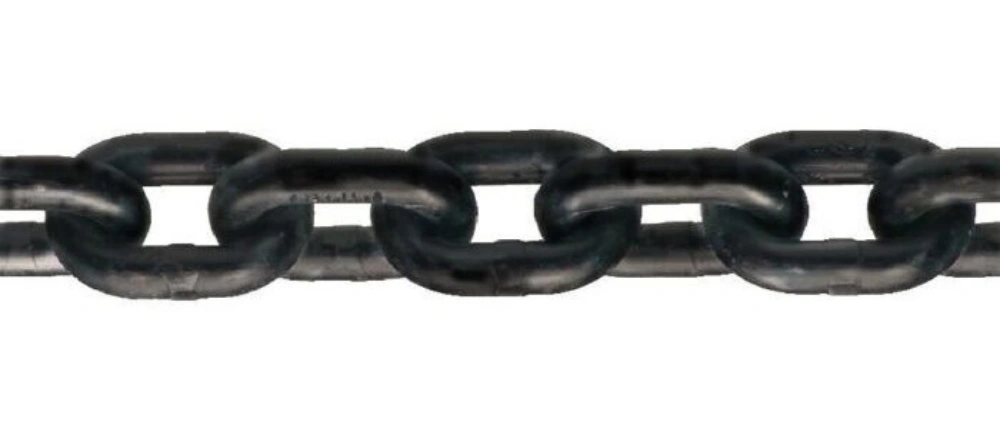
You need to understand how manufacturers classify chain grades for overhead lifting. The grading system relies on the ultimate breaking strength of the chain, measured in newtons per square millimeter. The chain grade number shows the minimum tensile strength required.
Higher chain grades mean greater strength and suitability for more demanding overhead lifting tasks. International standards, such as NACM, define the performance and safety requirements for these chains.
Powerful Machinery uses advanced alloy steel and heat treatment processes to ensure every chain grade meets or exceeds these standards. You can trust that their certified products deliver consistent performance and reliability.
Tip: Always check the chain grade before using it for overhead lifting. Lower grades, like grade 70 chain, do not meet the requirements for safe lifting and should never be used in these applications.
Here is a quick reference table for chain grades for overhead lifting:
Chain Grade | Description | Applications |
|---|---|---|
High strength-to-weight ratio, heat-treated steel | Safe for overhead lifting, rigging slings, recovery, safety, and towing | |
Premium product designed for overhead lifting | Vastly improved workload capabilities over grade 80 | |
Grade 120 | Strongest tensile strength in the industry | Suitable for overhead lifting, reduces pressure with square link design |
NACM Standards | Safety guidelines for overhead lifting | Includes inspections, avoiding loads over people, and temperature exposure restrictions |
Identifying Approved Grades
You must identify approved chain grades for overhead lifting by checking for proper markings and certifications. Chains that meet ASME B30.20 and OSHA regulations display identification marks, certification stamps, and date codes.
Powerful Machinery ensures that every chain grade is stamped for easy identification and traceability. This practice helps you verify compliance and select the right chain grades for overhead lifting.
Standard | Description |
|---|---|
ASME B30.20 | Identification and markings requirements for below-the-hook lifting devices. |
OSHA | Regulations require that all overhead lifting slings must comply with. |
When you select chain grades for overhead lifting, always look for these certifications. Avoid using grade 70 chain or any chain grade that lacks proper markings. Powerful Machinery’s products are fully certified, giving you confidence in their safety and performance.
You can rely on their expertise to guide you in choosing the correct chain grades for overhead lifting.
Approved Chains for Overhead Lifting
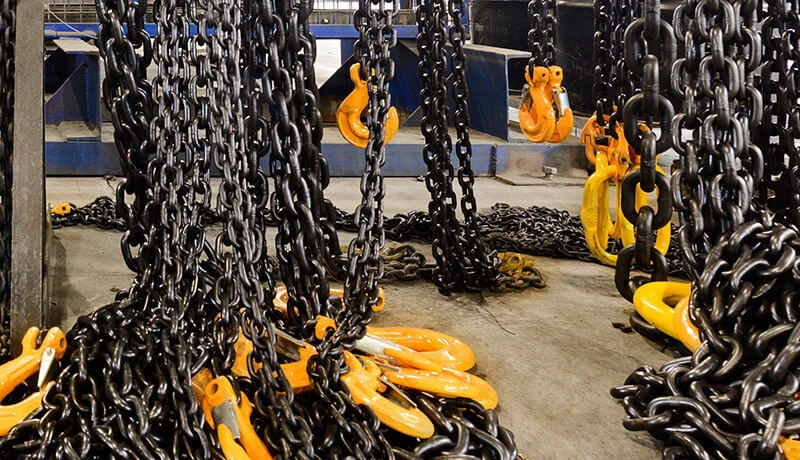
When you select chains for overhead lifting, you must choose only those that are approved for overhead lifting. Powerful Machinery offers a complete range of grade 80, grade 100, and lifting-rated stainless chains. Each type meets strict industry standards and delivers reliable performance in demanding lifting environments.
Note: Always verify that your chain is approved for overhead lifting before use. This step ensures safety and compliance with regulations.
Grade 80 Chain
You can rely on grade 80 chains for most overhead lifting applications. Grade 80 chains have a long history of proven performance and durability. Powerful Machinery’s grade 80 chain uses premium alloy steel and advanced heat treatment to achieve high strength and toughness.
This chain is approved for overhead lifting and meets all major safety standards, including OSHA 1910.184 and ASME B30.9.
Key Features of Grade 80 Chain:
High strength-to-weight ratio
Lightweight and easy to handle
Excellent durability in tough environments
Stamped for easy identification and traceability
Certifications:
Certification | Description |
|---|---|
OSHA 1910.184 | Slings |
ASME B30.9 | Slings |
Powerful Machinery’s grade 80 chains meet strict industry standards.
These certifications ensure consistent performance and safety for overhead lifting.
Grade 80 chains provide a higher buffer zone against high temperatures. You can use them in environments where heat exposure is a concern. They are lighter and more manageable than grade 100 chains, making them ideal for many lifting tasks where strength-to-weight ratio is not the primary concern.
Grade 100 Chain
For jobs that demand higher working load limits, you should consider grade 100 chains. Powerful Machinery’s grade 100 chain is engineered from advanced alloy steel and undergoes a specialized quenching and tempering process.
This chain is approved for overhead lifting and meets or exceeds OSHA, NACM, and ASTM specifications.
Grade 100 Chain Performance Table:
Feature | Details |
|---|---|
Size | 1″ |
Length | 1 FT |
Working Load Limit (WLL) | 59,700 lbs |
Material | Alloy Steel |
Treatment | Quenched and tempered |
Compliance | Meets OSHA, Government, NACM, ASTM |
Approval | Approved for overhead lifting |
Origin | Made in USA |
Grade 100 chains offer higher working load limits at the same size compared to grade 80. You can use them for overhead lifting when you need to lift heavier loads without increasing the chain size. These chains are compatible with grade 80 fittings, but always check for proper fit and certification.
Tip: Grade 100 chains are best for high-capacity lifting where the strength-to-weight ratio matters most. Use them when you need maximum efficiency and safety.
Lifting-Rated Stainless Chains
In some environments, you need chains that resist corrosion and harsh chemicals. Lifting-rated stainless chains are approved for overhead lifting when they meet ASTM, OSHA, and NACM standards. These chains undergo proof testing and regular inspections to ensure safety.
Lifting-Rated Stainless Chain Standards Table:
Feature | Description |
|---|---|
Approved for Overhead Lifting | The only stainless chain type specifically designed and certified for safe overhead use. |
Compliance with Standards | Built to ASTM, OSHA, and NACM standards with proof-testing for added safety. |
Inspection Requirements | Inspect links for wear, cracks, or deformation before use. |
Load Limit | Must not exceed the rated Working Load Limit (WLL). |
Regular Testing | Periodic proof testing is required. |
Corrosion Resistance | Superior resistance to rust, chemicals, and harsh environments. |
Non-Magnetic Construction | Safe for sensitive, sterile, or medical environments. |
Available Sizes | 1/8″ to 1/2″ with WLL from 550 lbs to 8,500 lbs. |
You should use lifting-rated stainless chains for overhead lifting in marine, food processing, or medical settings. These chains offer excellent corrosion resistance and non-magnetic properties. Always inspect each link before use and never exceed the rated working load limit.
Comparing Chain Grades for Overhead Lifting
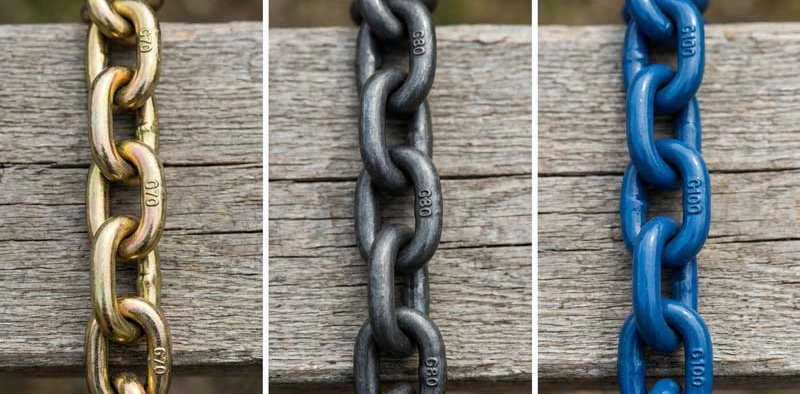
You may wonder how grade 80, grade 100, and grade 120 chains compare for overhead lifting. The table below summarizes their performance and safety considerations:
Chain Grade | Performance Characteristics | Safety Considerations |
|---|---|---|
Grade 80 | Widely used, durable, proven performance | Approved for overhead lifting, routine inspection required |
Grade 100 | Higher working load limits at the same size | Compatible with grade 80, requires inspection |
Grade 120 | Maximum strength-to-weight ratio | Best for high capacity with weight constraints |
Grade 120 chains deliver the highest strength-to-weight ratio. You should use them for overhead lifting when you need to maximize capacity without adding extra weight. Grade 80 and grade 100 chains remain the most common choices for most lifting applications.
Remember: Only chains that are approved for overhead lifting—such as grade 80, grade 100, grade 120, and lifting-rated stainless chains—should be used for any overhead lifting operation. Always follow inspection and certification requirements to maintain safety.
Working Load Limit and Selection Criteria
Calculating Working Load Limit
You must understand how to calculate the working load limit for chains used in overhead lifting. The working load limit, often called WLL, is the maximum force a chain can safely handle during lifting. You calculate WLL by dividing the minimum breaking load of the chain by a safety factor.
The safety factor ensures you never approach the chain’s breaking point during lifting.
WLL = Minimum Breaking Load / Safety Factor
Chain grade and diameter affect the final WLL.
Always check the WLL marked on chain fittings.
Powerful Machinery marks each chain with its WLL for easy identification. You can compare different chain grades using the table below:
Chain Size (inch) | Grade 70 WLL (lbs) | Grade 80 WLL (lbs) |
|---|---|---|
1/4″ | 3,150 | 3,500 |
5/16″ | 4,700 | 4,500 |
3/8″ | 6,600 | 7,100 |
7/16″ | 8,760 | 10,000 |
1/2″ | 11,300 | 12,000 |
5/8″ | 15,800 | 18,100 |
Larger Sizes | N/A | Up to 47,700 |
Grade 80 chains offer higher WLL and better wear resistance for lifting. Grade 100 chains provide even greater strength and WLL, making them ideal for heavy lifting jobs.
Feature | Grade 80 Chain | Grade 100 Chain |
|---|---|---|
Strength | High strength and durability | Even stronger, designed for heavier loads |
Working Load Limit (WLL) | Specific WLL marked on fittings | Higher WLL, can lift heavier loads |
Applications | Used in construction, manufacturing, etc. | Common in heavy construction, mining, etc. |
Application and Environmental Factors
You must consider several factors when selecting chains for overhead lifting. The right chain grade and WLL depend on your application and environment.
Extreme temperatures require chains with special steel grades.
Humidity and salt air demand corrosion-resistant chains, such as stainless steel.
Dust and pollution call for dust-resistant components.
You must also ensure compliance with industry standards and regular inspection. Powerful Machinery’s chains meet NACM, ASTM, and OSHA requirements. You can rely on their product specifications for safe lifting in construction, marine, and industrial settings.
Tip: Always document compliance and inspect chains before every lifting operation. Choose the correct chain grade and WLL for your specific lifting needs.
Safety Standards and Maintenance
NACM Compliance and Inspection
You must follow safety standards when using chains for overhead lifting. NACM standards set the minimum requirements for chain selection, inspection, and maintenance. Powerful Machinery’s lifting chains comply with NACM standards and hold international certifications, including Australian standards.
These certifications guarantee that you use products designed for safety, durability, and ongoing inspection.
Safety Standard | Description |
|---|---|
Not suspending loads overhead | Avoid placing loads in a suspended position to prevent accidents. |
Keeping chains safe from extreme temperatures and chemically active conditions | Protect chains from environmental factors that could weaken them. |
Perform regular inspections of chains | Ensure chains are regularly checked for wear and damage. |
Not using chains with weak links | Avoid using chains that have any compromised components. |
You should perform inspection routines before every use. Check for stretched links, cracks, deep pitting, twisted hooks, or worn latches. Remove any chain or hook from service if you find defects. Clean chains to remove dirt and grease, then lubricate them with manufacturer-recommended products.
Store chains dry, off the ground, and away from chemicals or extreme temperatures. Document inspections and retire chains after prolonged heavy use or exposure to harsh conditions.
Inspection Type | Frequency |
|---|---|
Periodic Inspection | Minimum every 12 months; more frequent for severe service conditions. |
Frequent Inspection | Before any change in shift or lifting application, before each use for severe service. |
Initial Inspection | Upon receiving new rigging products, ensure proper ratings and conditions. |
You must keep inspection registers with test dates, equipment status, and next inspection due dates. Digital tracking systems provide traceability for all lifting gear records.
Hardware Compatibility and Routine Checks
You need to ensure hardware compatibility for safe overhead lifting. Assess risks and choose the right chain strength and safety factor. Confirm that hooks, shackles, and load binders match the chain’s grade and working load limit.
Incompatible or incorrectly sized hardware can create the weakest link, leading to failures.
Design chain containers with qualified engineers to ensure suitability.
Verify correct installation and termination of chains as per manufacturer instructions.
Train operators to prevent contact between the load, fixture, and chain container.
Inspect hardware and replace any damaged or worn components before use.
Maintain load chain, container fasteners, and hardware according to OEM recommendations.
Routine checks include inspecting rigging equipment before each shift and documenting findings. For severe service conditions, conduct periodical inspections monthly or quarterly.
For special or infrequent use, inspect before each lift. Powerful Machinery’s certified products and ongoing maintenance support help you achieve safe and reliable overhead lifting operations.
Tip: Always confirm grade markings, manufacturer documentation, and compatibility before every lift. Proper maintenance and inspection routines prevent accidents and ensure long-term safety.
Conclusion
You must use only Grade 80, Grade 100, or lifting-rated stainless chains for overhead lifting. These chains offer the strength, durability, and certification required for safe operations:
Chain Grade | Typical Use | Key Characteristic |
|---|---|---|
Grade 80 | Overhead lifting, slings | High durability, industry benchmark |
Grade 100 | Heavy lifting, weight saving | 25% stronger than Grade 80 |
To ensure safety, always:
Inspect and document chains regularly.
Match hardware for compatibility.
Store and maintain chains properly.
Powerful Machinery provides certified products and expert support. Consult professionals and choose trusted brands for every lifting operation.
FAQ
What chain grades can you use for overhead lifting?
You can use only Grade 80, Grade 100, Grade 120, or lifting-rated stainless steel chains for overhead lifting. Lower grades do not meet safety standards. Always check for proper markings and certifications before use.
How do you identify a certified overhead lifting chain?
Look for stamped grade markings, manufacturer identification, and certification codes on each chain. Powerful Machinery chains display these marks for easy verification. You should always confirm documentation before lifting.
Why should you choose Powerful Machinery for lifting chains?
You get certified products, international compliance, and expert support. Powerful Machinery tests every chain to meet or exceed NACM, OSHA, and ASTM standards. You can trust their reliability in demanding environments.
How often should you inspect your lifting chains?
You should inspect chains before every use and perform periodic inspections at least once a year. For severe service, increase inspection frequency. Always document findings and remove damaged chains immediately.
What is the working load limit (WLL) and why does it matter?
The working load limit (WLL) shows the maximum safe load for a chain. You must never exceed this value. Exceeding the WLL can cause chain failure and serious accidents.