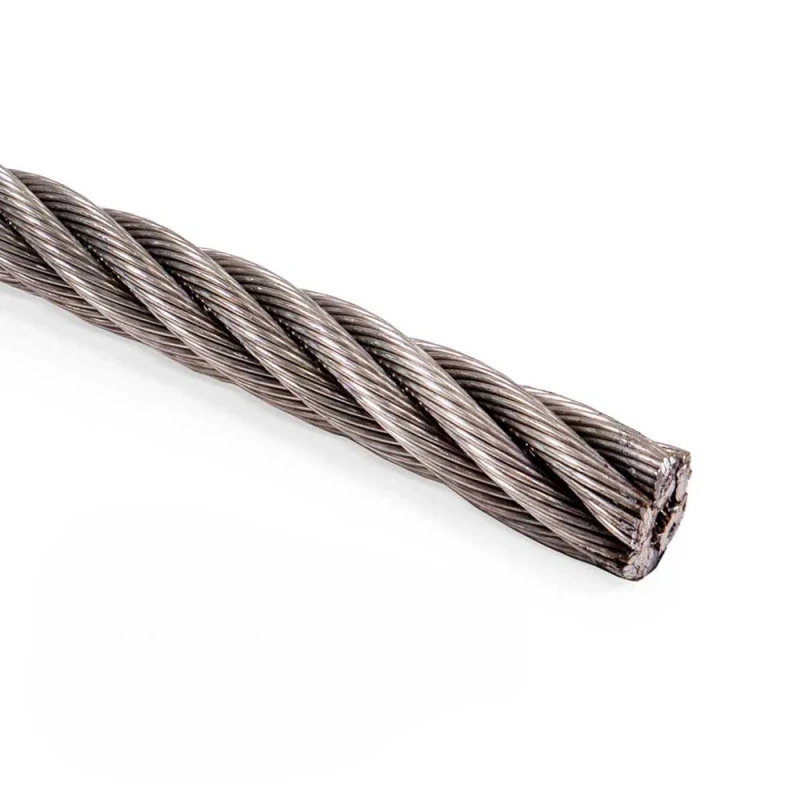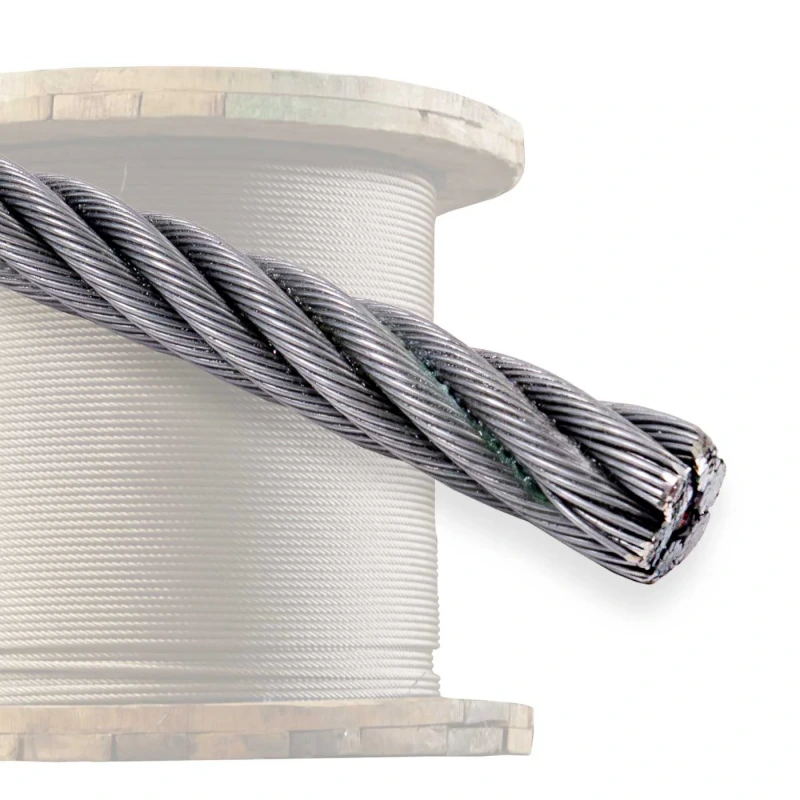
A come-along winch gives you a simple, manual way to lift, pull, or position heavy objects. This portable tool, often called a come-along, fits easily into your toolkit and proves invaluable for both professionals and beginners.
You benefit from its lightweight build and strong pulling capacity, which make it manageable and effective for many tasks.
Powerful Machinery stands out as a trusted name in lifting and rigging, offering certified come-along solutions that meet the highest standards for safety and reliability.
Many people use a come-along for jobs like:
Towing and recovery
Cable or chain tensioning
Assembly and installation
Home improvement projects
Benefit | Description |
|---|---|
Ease of Use | Its small size makes it easy to handle for beginners |
Lightweight | Simple to move and operate |
Good Pulling Capacity | Handles tough jobs despite compact design |
Understanding how to use a come-along winch safely ensures you complete your work efficiently and avoid injury.
Key Takeaways
A come-along winch is a manual tool used to lift, pull, or position heavy objects safely and effectively.
Choose between cable and chain models based on your specific needs; cable offers flexibility while chain provides strength for heavy loads.
Always inspect your come-along winch for damage before use to ensure safety and reliability during operation.
Follow proper operating procedures, including maintaining tension and using safety gear like gloves and glasses to protect yourself.
Regular maintenance, such as cleaning and lubricating parts, extends the life of your come-along and ensures safe performance.
Come Along Basics

What Is a Come Along?
You use a come-along when you need a manual, hand-operated device for pulling, stretching, or moving heavy objects. Industry standards define a come-along winch as a tool that gives you portability and precision.
You can rely on a come-along for jobs that require you to move loads without access to power tools or heavy machinery. This tool works well in construction, automotive repair, and outdoor projects. You operate it by cranking a lever, which pulls a cable or chain through a ratchet mechanism.
This action lets you control the movement of heavy items with accuracy and safety.
Key Features and Design
A come-along stands out for its simple yet robust design. You will notice several key features that make it effective and reliable:
Manual Lever: You grip and operate the lever to generate pulling force.
Ratchet Mechanism: This part locks the load in place and prevents slipping.
Hooks: Heavy-duty hooks attach securely to your load and anchor point.
Pulling Medium: You may find either a galvanized wire rope or a high-tensile chain, depending on the model.
The materials used in a come-along ensure strength and durability. Here is a breakdown of the main components and materials you will encounter:
Component/Material | Description |
|---|---|
Steel | High-strength steel forms the lever, ratchet drum, and hooks for maximum durability. |
Corrosion Resistance | Plated or heat-treated steel parts resist rust and extend tool life. |
Drop-forged Steel | Hooks use drop-forged steel for superior strength and safety. |
Pulling Medium | You choose between galvanized wire rope and alloy chain for different tasks. |
Galvanized Wire Rope | Pre-formed wire rope resists kinking and typically ranges from 1/8 to 1/4 inch in diameter. |
Alloy Chain | Grade 80 chain offers high tensile strength and wear resistance for demanding applications. |
You benefit from these features because they give you control, safety, and long-lasting performance. The choice between wire rope and chain lets you match the tool to your specific needs. For example, you might use a chain for rugged, heavy-duty jobs or a wire rope for lighter, more flexible tasks.
Powerful Machinery’s Expertise
When you select a come-along from Powerful Machinery, you gain access to decades of expertise in lifting and rigging solutions. The company designs each come-along to meet strict international standards. You can trust their products because they hold certifications that guarantee quality and safety.
Here are some of the certifications you will find on reputable come-along winches:
Certification | Description |
|---|---|
CE Marking | Confirms compliance with EU health, safety, and environmental protection standards. |
ISO 9001 | Shows commitment to robust quality management and consistent product quality. |
IP Ratings | Indicates protection against dust and water, ensuring reliability in harsh environments. |
Powerful Machinery uses advanced manufacturing techniques and high-grade materials in every come-along. You benefit from features like a 3-ton load capacity, ergonomic handles, and heavy-duty hooks.
The company’s focus on quality and innovation means you get a tool that performs reliably, whether you use a wire rope or a chain model. You also receive support and guidance from a team that understands the demands of your industry.
Tip: Always check for certifications and quality marks before you use a come-along. This ensures your safety and the reliability of your equipment.
How Does a Come Along Work?
Mechanism and Components
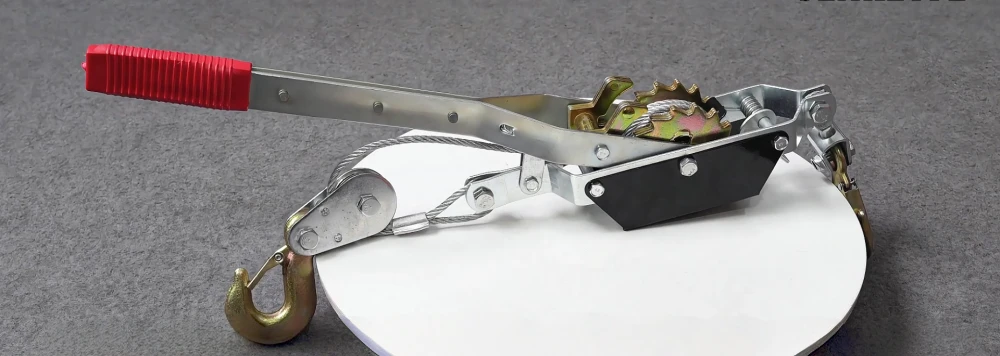
When you operate a come-along, you use a lever to pull a load with precision and control. The main components include a ratchet mechanism, a sturdy drum, a cable or chain, and heavy-duty hooks. The ratchet system is essential for safety and load management.
The ratchet is a critical safety component. It is a toothed wheel attached to the gear assembly, and a small, spring-loaded lever called a pawl rests against it.
As you crank the winch to pull a load, the pawl clicks over the angled teeth of the ratchet. If you stop cranking, the load’s tension tries to pull the drum backward, but the pawl immediately catches a ratchet tooth, preventing it from unwinding. This mechanism holds the load securely in place.
You attach the hooks to your anchor point and the object you want to move. As you pump the lever, the cable or chain winds onto the drum, drawing the load closer.
Materials and Durability
Manufacturers build come-along winches with high-strength steel and robust chain or wire rope. The choice of chain or cable affects the tool’s performance and longevity. You should always check the specifications before use.
Hand winches are influenced by materials and construction.
Gear ratio, cable or rope specifications, and environmental factors also play a role in determining capacity.
Adhering to manufacturer specifications is crucial for safe operation.
Environmental conditions such as extreme temperatures, moisture, and corrosive substances can impact your come-along’s performance. For example, cold weather may affect lubrication, while heat can cause parts to expand or misalign.
A well-maintained steel cable or chain can last for years, but you should replace it if you notice any damage.
The lifespan of a synthetic winch rope is typically two to three years with regular use.
A well-maintained steel cable can last significantly longer, but its lifespan is influenced by material, usage frequency, and environmental conditions.
Replacement should be based on visible damage and degradation rather than a specific time frame.
Mechanical Advantage
A come-along gives you a significant mechanical advantage. The lever and gear system multiply your input force, making it possible to move heavy loads with less effort. This advantage sets the come-along apart from other manual lifting devices.
A come-along winch, or lever hoist, utilizes both lever and gear mechanisms, providing a significant mechanical advantage.
This allows it to lift heavier loads with less effort compared to manual chain hoists, which depend solely on human strength.
Lever hoists are versatile, functioning effectively in tight spaces and at various angles.
You can use a come-along in construction, marine, and industrial settings. The chain or cable, combined with the ratchet and lever, ensures you can handle demanding tasks safely and efficiently.
Types of Come Alongs
Cable vs Chain Models
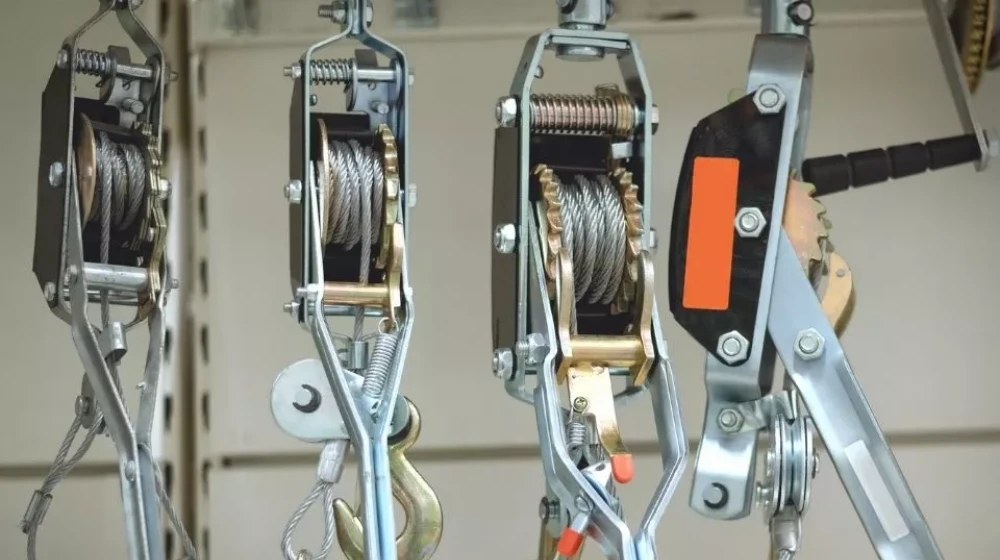
When you choose a come-along, you often decide between cable and chain models. Each type offers unique advantages for different tasks. Cable models use a galvanized steel wire rope, while chain models rely on high-tensile chain links. You should consider your application, environment, and the type of movement required.
Feature | Cable Winch | Chain Hoist |
|---|---|---|
Lifting Height | Unlimited lifting and pulling length | Fixed lifting height, limited by suspension |
Versatility | Multiple anchoring possibilities | Fixed installation only |
Load Capacity | Suitable for loads up to 3 tons | Designed for heavier loads, fixed capacity |
Movement | Mobile or fixed | Fixed, limited movement |
Flexibility | Greater flexibility in load movement | Primarily vertical lifting |
Speed Control | Better control of lifting speed | Basic speed control |
You should focus on load capacity, movement direction, and safety features when selecting between cable and chain models. Cable come-alongs give you more flexibility and control for horizontal pulls. Chain models excel in vertical lifting and heavy-duty applications.
Tip: Always match the load capacity of your come-along to the weight and direction of your task for safe operation.
Weight Ratings and Sizes
Come-alongs come in a range of weight ratings and sizes. You need to select a model that matches your specific requirements. The most common ratings include:
4,500 – 5,000 lbs: Ideal for ATVs, UTVs, and small trailers.
9,000 – 12,000 lbs: Suitable for SUVs, trucks, and Jeeps.
15,000 – 18,000 lbs: Designed for larger trucks and extreme off-road vehicles.
To determine the right power puller for your needs:
Find the gross weight of your vehicle or load.
Multiply that number by 1.5 to calculate the minimum load capacity required.
Choose a come-along with a maximum rated load at or above this value.
You should always check the manufacturer’s specifications to ensure your tool meets the demands of your project.
Powerful Machinery’s Come Along Tool
Powerful Machinery offers a full range of lifting and rigging solutions, including certified come-alongs, chains, wire ropes, and hardware accessories. The company’s products meet international standards such as ISO9001, TUV Rheinland, and OSHA, ensuring you receive reliable and safe equipment.
The Powerful Machinery Come Along Tool stands out for its robust construction and high performance. You benefit from a 3-ton load capacity, which covers most construction, industrial, and outdoor applications.
The tool features a cast aluminum alloy housing, stainless steel springs, self-lubricating bearings, galvanized steel aircraft cable, and drop-forged steel hooks. This combination delivers strength, durability, and long service life.
Feature | Details |
|---|---|
Rated Capacity | 3 tons |
Construction | Cast aluminum alloy housing, galvanized steel cable, drop-forged hooks |
Certifications | ISO9001, TUV Rheinland, OSHA, and more |
You can trust Powerful Machinery’s come-along tools for demanding jobs. The company’s commitment to quality and safety ensures you get a reliable solution for lifting, pulling, and securing heavy loads.
What Are Come Alongs Used For?
Construction and Industrial Uses
You will find the come-along essential in construction and industrial environments. This tool helps you lift, pull, and position heavy loads with precision. Many professionals rely on its pulling capacity to move materials, secure beams, and align structural components.
The chain design offers durability for repeated use in tough conditions. You can use a come-along to tension cables, hoist equipment, or even assist with heavy rescue operations on job sites.
In the automotive sector, you often see come-alongs used for automotive recovery and vehicle extrication, making them a staple for mechanics and emergency crews.
Construction is a significant sector for winch usage, especially for lifting and pulling materials and heavy equipment.
The automotive industry also relies heavily on winches for various operations, showing broad applications across different sectors.
You gain confidence knowing that a come-along winch can handle heavy loads safely and efficiently, whether you work in building, manufacturing, or automotive repair.
Agricultural and Outdoor Applications
You can use a come-along for many agricultural and outdoor tasks. Its versatility makes it a favorite among farmers, ranchers, and outdoor enthusiasts. The chain and ratchet mechanism provides the strength needed for demanding jobs. Here are some common applications:
Task | Description |
|---|---|
Stretching Barbed Wire Fences | Tighten wire securely along fence lines for livestock containment and boundary marking. |
Pulling Stumps and Logs | Use leverage to uproot stumps and move logs during land clearing. |
Off-Road Vehicle Recovery | Extract vehicles from challenging terrains by anchoring to a fixed point. |
Securing Loads | Prevent load shifts on trailers during hunting or camping trips. |
Tree Removal | Pull felled limbs or small stumps clear of pathways for landscaping projects. |
You benefit from the come-along’s ability to handle heavy loads in remote locations. Its compact size and strong chain make it easy to transport and use wherever you need reliable pulling power.
Real-World Examples
You may encounter situations where a come-along becomes a critical tool for emergency rescue and heavy rescue operations. During emergencies, you can use a come-along to clear debris, lift heavy loads, or assist in rescue efforts. Here are some real-world scenarios:
Vehicle recovery: Retrieve vehicles stuck in mud, snow, or rough terrain using a come-along and chain.
Natural disasters: Clear debris and support rescue teams after tsunamis or earthquakes.
Search and rescue: Lift heavy materials to reach individuals trapped under debris.
Flood responses: Pull stranded vehicles to safety and deliver resources during flood emergencies.
Emergency response vehicles: Equip these vehicles with come-alongs for towing and clearing debris during heavy rescue missions.
You see the value of a come-along in both planned projects and unexpected emergencies. Its robust chain and reliable pulling capacity make it indispensable for a wide range of applications, from routine maintenance to urgent rescue operations.
How to Use a Come Along?
Step-by-Step Operation
You can operate a come-along with confidence by following a clear process. This guide helps you handle loads safely and efficiently, whether you use a chain or wire rope model. The ratchet puller mechanism gives you control and precision. Here is a step-by-step approach for beginners:
Inspect the Equipment
Check your come-along for visible damage, wear, or corrosion. Examine the chain, hooks, and ratchet puller for any defects. Confirm that all safety features are present and functional.Set Up the Anchor Point
Attach one hook securely to a stable anchor point. Make sure the anchor can handle the weight of your intended loads.Connect to the Load
Fasten the other hook to the object you want to move. Confirm that the chain or cable is straight and free of knots.Engage the Winch
Slowly take up slack in the cable or chain. Position the line properly on the winch drum. Use steady, controlled movements to avoid sudden jerks.Maintain Tension
Keep constant tension on the chain or cable. Avoid abrupt stops or starts. Monitor the ratchet puller as you operate.Monitor the Operation
Watch the winch, chain, anchor point, and load for any signs of strain. Communicate clearly with others using hand signals or verbal commands.Pause and Adjust
Stop if you need to reposition the anchor or adjust the chain. Allow the winch mechanism to cool if you notice overheating.Never Step Over the Line
Stay clear of the tensioned chain or cable. Never step over or under a winch line during operation.Know the Emergency Stop
Familiarize yourself with the emergency stop feature. Be ready to use it if you encounter a problem.
Tip: Always read the manufacturer’s instructions before you use a come along winch. Proper setup and operation reduce risks and improve efficiency.
Safety Tips and Best Practices
You protect yourself and others by following essential safety guidelines. Come-along tools include safety features that help prevent accidents, but your actions matter most. Here are the best practices for safe operation:
Never overload the winch. Exceeding the rated capacity can damage the equipment and cause injury.
Use the correct gear. Select a come-along and chain suitable for your specific loads.
Engage the winch properly. Avoid engaging the ratchet puller under heavy load to prevent sudden movements.
Manage tension carefully. Poor tension control can cause cable slippage or snapping.
Wear protective gloves. Handling the chain or cable with bare hands can lead to serious injuries.
Keep a safe distance. Stand clear of the winching area and ensure bystanders are not in the danger zone.
Inspect before use. Check the come-along, chain, and hooks for damage or wear.
Follow installation procedures. Securely mount the winch and follow all instructions.
Use personal protective equipment. Safety glasses and gloves add an extra layer of protection.
Operate with caution. Keep your hands away from moving parts and use controls carefully.
Common Hazard | Prevention Tip |
|---|---|
Overloading the winch | Always check the rated capacity |
Improper gear selection | Match tool to load an application |
Handling the inch line barehanded | Wear gloves at all times |
Standing in a danger zone | Maintain a safe distance from the tensioned chain |
Note: Powerful Machinery designs come-along tools with advanced safety features and meet international standards such as ISO9001 and OSHA. You can trust their products for reliable and safe operation.
Maintenance and Inspection
You extend the life of your come-along and ensure safe operation by maintaining and inspecting your equipment regularly. Routine care prevents failures and keeps your ratchet puller and chain in top condition.
Inspect Before and After Use
Examine the chain, cable, and hooks for frays, kinks, or damage. Look for signs of corrosion or wear.Keep the Cable and Chain Clean
Wipe down the chain and cable after each use. Remove dirt, moisture, and debris to prevent rust.Lubricate Moving Parts
Apply lubricant to the ratchet puller mechanism and gears. Smooth operation reduces wear and increases longevity.Ensure Even Spooling
Wind the cable evenly on the drum. Avoid knots or uneven layers that can cause malfunctions.Check Mounting Bolts and Connections
Tighten all bolts and inspect connections for security. Clean with mild detergent if needed.Apply Corrosion Protection
Use anti-rust spray or protective coatings on metal parts. Store your come-along in a dry place.Run Monthly Checks
Operate the winch monthly to prevent moisture buildup and ensure all safety features function properly.
Cause of Failure | Description |
|---|---|
Cable or rope malfunctions | Fraying, snapping, or slippage |
Corrosion and rust | Oxidation impedes operation |
Power supply issues | Battery drainage or insufficient power |
Motor problems | Overheating or the drum not turning |
Remote control issues | Faulty wiring or weak signals |
Reminder: Regular maintenance is not optional. You must inspect and care for your come-along to avoid unexpected failures and ensure safe operation.
Powerful Machinery supports your safety by providing certified products and clear maintenance guidelines. Their commitment to international standards means you receive reliable tools for every application.
Conclusion
You now understand the essentials of a come-along winch, from its manual mechanism to its many uses in lifting and pulling. When you select a certified come-along, consider these key points:
Safety features like forged hooks with latches
Suitability for your environment, including corrosion and temperature
Compliance with standards such as ISO or ASME
For safe operation, experts recommend:
Regular maintenance and inspection before and after use
Adhering to OSHA inspection schedules
Cleaning and lubricating all moving parts
Choose trusted brands like Powerful Machinery for reliable performance and always follow safety guidelines.
FAQ
How do you choose the right come-along winch for your project?
You should match the winch’s rated capacity to your load. Consider the type of task, environment, and whether you need a cable or chain model. Always check for certifications and safety features before making your selection.
Can you use a come-along winch for both lifting and pulling?
Yes, you can use a come-along winch for both lifting and pulling heavy objects. Make sure you follow the manufacturer’s guidelines and never exceed the rated capacity for either application.
What maintenance does a come-along winch require?
You should inspect the tool before and after each use. Clean the cable or chain, lubricate moving parts, and store it in a dry place. Regular maintenance extends the tool’s lifespan and ensures safe operation.
What safety gear should you wear when using a come-along winch?
Always wear heavy-duty gloves and safety glasses. These protect your hands from sharp edges and your eyes from debris. Proper gear reduces the risk of injury during operation.
Where can you buy a certified come-along?
You can purchase a certified come-along directly from Powerful Machinery’s website. The company offers products that meet international safety standards and provides expert support for your lifting and rigging needs.