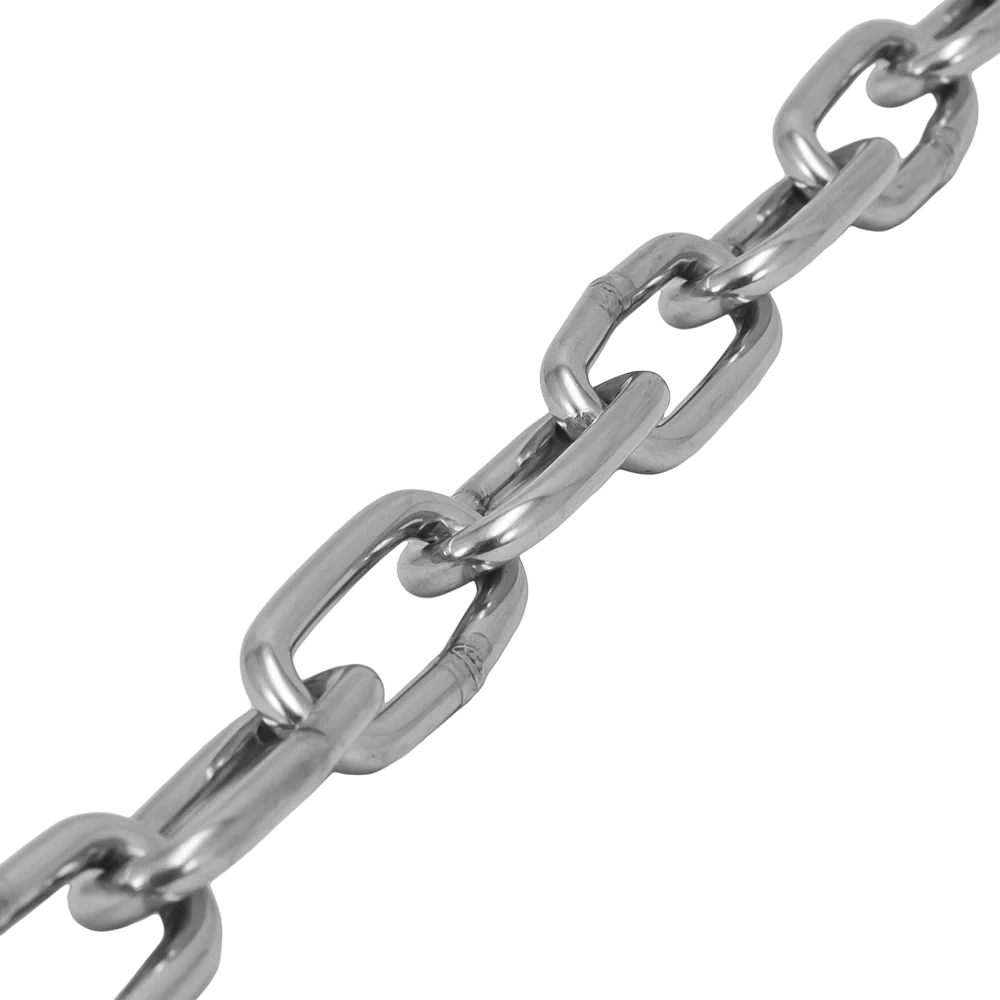
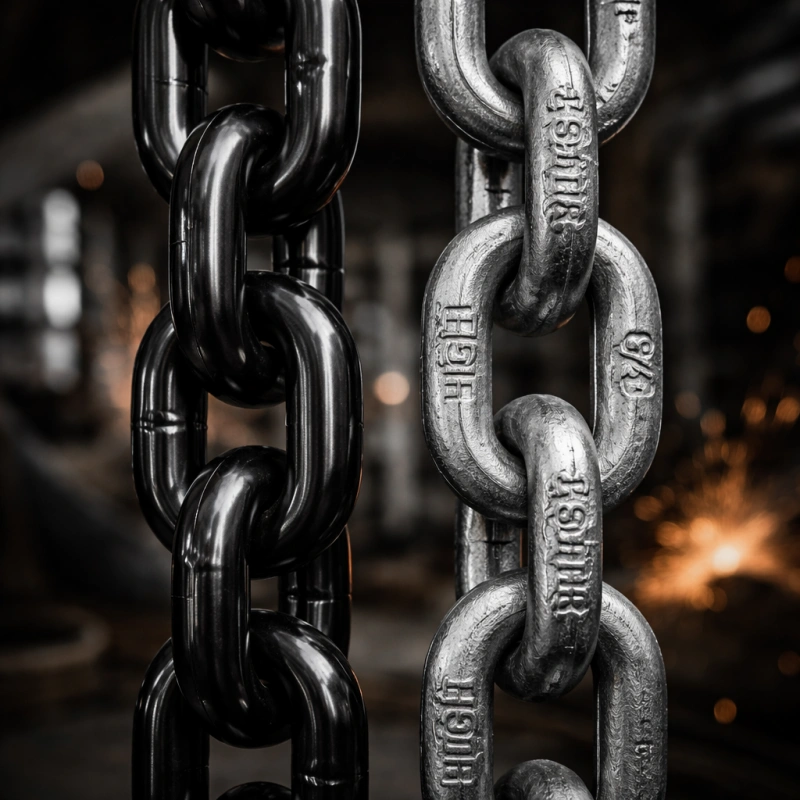
You rely on high test chains when you need strength and reliability in extreme conditions. These chains stand out because they offer high tensile strength, resist heavy loads, and maintain their shape without deforming.
Manufacturers use high-strength carbon steel or alloy steel to produce each chain, then grade it to indicate its performance level. You often find these chains in towing, anchoring, or securing valuable assets.
Trusted companies like Powerful Machinery provide certified chains that meet strict industry standards for safety and durability.
Key Takeaways
High-test chains provide strength and reliability under heavy loads. They are essential for tasks like towing and securing cargo.
Choose the right chain grade based on your project needs. Higher grades offer greater tensile strength for demanding applications.
Inspect chains regularly for wear and corrosion. This practice ensures safety and extends the life of your equipment.
Select chains made from high-strength carbon steel or alloy steel for durability. Coatings like galvanization help prevent rust.
Always match the chain to its intended use. Following safety standards protects your team and equipment.
High Test Chains: Key Features
Strength and Durability
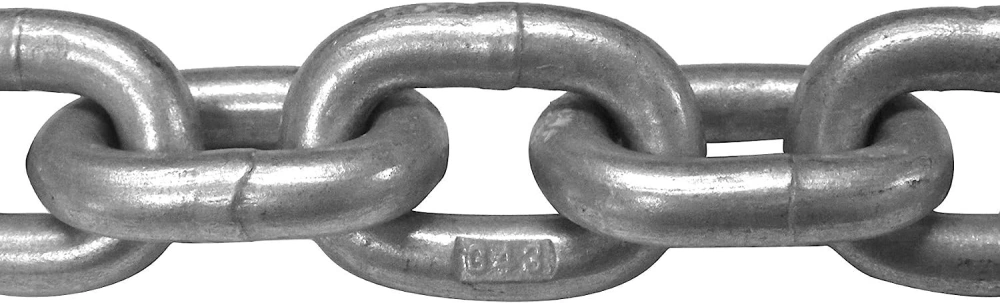
When you choose high test chains, you expect them to handle tough jobs without fail. These chains deliver high tensile strength, which means they can withstand heavy loads and resist breaking or stretching. You can rely on them for demanding tasks like lifting, towing, or securing cargo.
Each chain receives a grade marking that shows its strength level and intended use. This marking helps you quickly identify if a chain meets your project’s requirements.
Powerful Machinery manufactures high-test chains that meet strict international standards. Their products go through rigorous testing to ensure strength and durability. You benefit from chains that perform reliably, even in extreme conditions.
The company’s commitment to quality means you get chains that last longer and keep your operations safe.
Materials and Grades
The materials used in high-test chains play a major role in their performance. Most chains use high-strength carbon steel or alloy steel. These materials provide the toughness and durability you need for heavy-duty applications.
Tip: Always check the material type before selecting a chain for your project.
Here is a quick overview of the most common materials:
Material Type | Description |
|---|---|
High-strength carbon steel | Commonly used for its strength and durability. |
Alloy steel | Chosen for specific applications requiring enhanced properties. |
You also need to understand the different grades of high test chains. Each grade offers a unique combination of load capacity and application. The grade marking on the chain helps you match the right chain to your job.
Chain Grade | Load Capacity | Applications |
|---|---|---|
Grade 30 | Low tensile strength; prone to stretching under heavy loads | Light construction, agricultural applications, marine industry |
Stronger than Grade 30; better resistance to wear | Container securement, logging, farming, towing, and marine applications | |
Grade 70 | Load rating approximately 20% higher than Grade 43 | Used by truckers, loggers, and highway crews for load securement and towing |
Grade 80 | Economical choice for overhead lifting | Sling component for overhead lifting, heavy-duty tow chain |
Grade 100 | Approximately 25% higher strength than Grade 80 | Sling component for overhead lifting, popular in construction and rigging |
Grade 120 | Approximately 50% higher strength than Grade 80 | Designed for rigorous overhead lifting applications |
You will notice that higher chain grades offer greater high tensile strength. For example, Grade 100 and Grade 120 chains provide the extra strength needed for overhead lifting and heavy construction work.
Powerful Machinery supplies a full range of chain grades, including Grade 80 and Grade 100, so you can always find the right chain for your needs.
Corrosion Resistance
High test chains often face harsh environments, especially in marine or outdoor settings. You need chains that resist rust and corrosion to maintain their high tensile strength and safety over time. Manufacturers use special coatings to protect the chain surface and extend its lifespan.
Here are some common coatings used to enhance corrosion resistance:
Coating Type | Description |
|---|---|
CRF | Corrosion-resistant finish for durability. |
Mechanical Zinc Plated | Provides a protective layer against rust. |
Nickel Plated | Enhances corrosion resistance and aesthetics. |
Galvanization | Coating with zinc to prevent corrosion. |
Powerful Machinery applies advanced coatings to their high test chains, ensuring they perform well in wet, salty, or corrosive environments. You can trust their products to maintain strength and reliability, even when exposed to the elements.
Note: Always inspect your chains for signs of corrosion or wear. Regular maintenance helps you ensure safety and extend the life of your equipment.
Uses in Industry
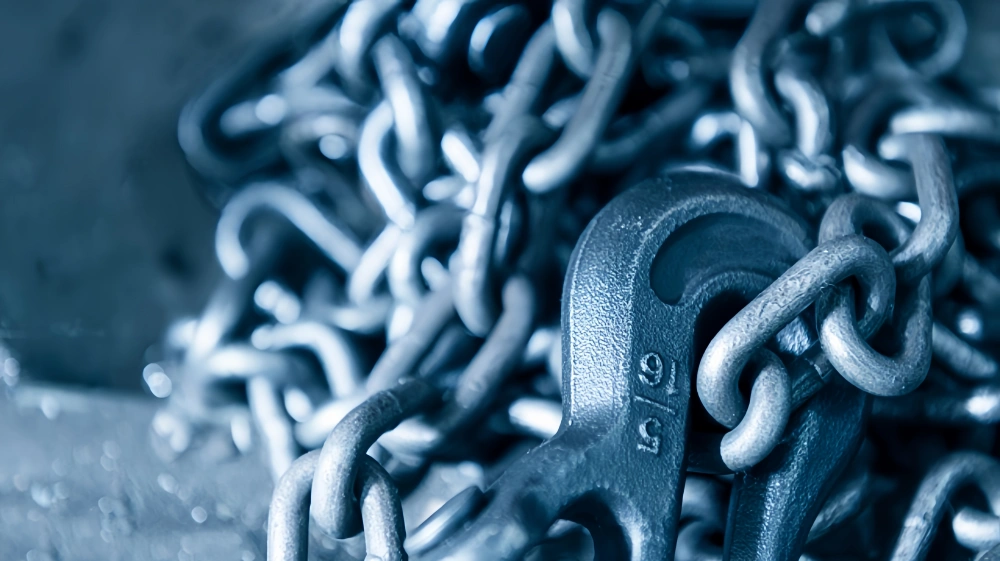
High test chains play a vital role in many industries. You depend on these chains for their strength, reliability, and ability to meet strict safety standards. Powerful Machinery supplies high-quality chains to clients worldwide, ensuring you get the right solution for your specific applications.
Marine and Transportation
You often see high test chains in marine and transportation settings. These chains secure cargo, anchor vessels, and handle heavy loads on ships and trucks. When you choose a chain for marine use, you need high-carbon steel and a higher safety factor than standard proof coil chains.
This ensures your chain meets the working load limit and resists corrosion from saltwater. Powerful Machinery provides chains that are compatible with most windlasses and meet international standards for marine safety.
Tip: Always check the chain grade and materials before using it for towing and anchoring. This helps you match the chain to your vessel or cargo needs.
Here is a quick overview of common industrial applications:
Application Area | Description | Key Features |
|---|---|---|
Cargo Securing | Used for securing cargo during transport. | High carbon steel, tensile strength, corrosion resistance |
Trucking and Transport | Trusted for safely securing heavy cargo. | Excellent durability, ease of use |
General Industrial Use | Essential due to strength and versatility. | Load requirements, safety standards |
Construction and Cargo Handling
In construction and cargo handling, you rely on high test chains for lifting, towing, anchoring, and load restraint. These chains support cranes, hoists, and rigging systems.
You need different grades to match the weight and type of load. Powerful Machinery offers chains that meet strict safety standards, so you can work with confidence on any job site.
Towing and anchoring heavy equipment
Securing loads on trucks and trailers
Supporting lifting operations with certified chains
Security Applications
You also use high test chains for security. These chains protect gates, fences, and valuable machinery. When you select a chain for security, you must consider standards like ASTM F1712 and ASTM F2611.
These standards guide the design and testing of chains for protective use. Powerful Machinery manufactures chains that meet these requirements, giving you peace of mind.
Standard | Description |
|---|---|
ASTM F1712 | Steel chain link fencing materials |
ASTM F2611 | Design and construction of security fencing |
ASTM F2781 | Testing security fence systems |
Note: Always verify that your chain meets the required safety standards for your application. This ensures maximum protection and compliance.
Selecting High Test Chains
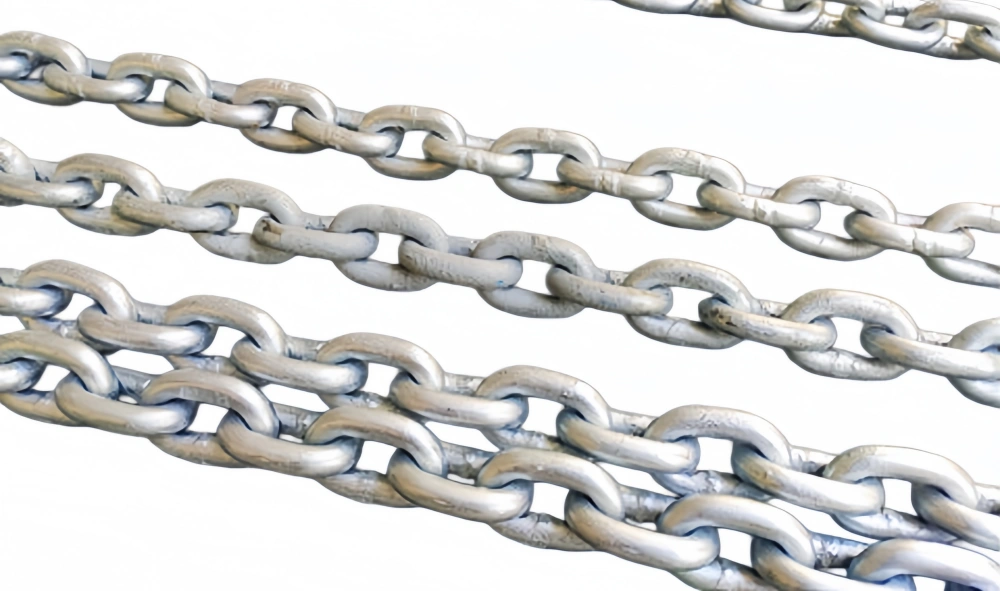
Choosing the right high test chains for your application requires careful consideration. You must evaluate load requirements, grade, materials, coatings, and safety practices. Trusted manufacturers like Powerful Machinery help you meet industry standards and ensure reliable performance.
Load and Grade Selection
Start by determining the working load limit for your project. You need to match the chain grade to your specific application. Each grade offers different tensile strengths and is suitable for certain uses. The table below helps you compare grades and their safe applications:
Chain Grade | Description | Safe for Overhead Lifting? |
|---|---|---|
Grade 30 | Multipurpose, economical chain used in light construction and the marine industry. | No |
Grade 43 | Common in the towing and logging industries. | No |
Grade 70 | Used for securing loads in transport. | No |
Grade 80 | Heat-treated design suitable for overhead lifting. | Yes |
Grade 100 | Premium chain with a higher load limit, safe for overhead lifting. | Yes |
Grade 120 | Stronger than Grade 80 and 100, resistant to abrasion, safe for overhead lifting. | Yes |
You should always check the grade marking before use. Grade 80, 100, and 120 chains are the only options approved for overhead lifting. Lower grades work well for towing, securing cargo, or marine use, but do not meet safety standards for lifting people or heavy equipment overhead.
When selecting a chain, consider these key factors:
Factor | Description |
|---|---|
Chain Grades | Different grades have specific tensile strengths and are suitable for various applications. |
Safety | Adhering to safety guidelines and proper maintenance is crucial for safe usage. |
Corrosion Resistance | Selecting chains with appropriate coatings is important based on environmental conditions. |
Powerful Machinery provides a full range of high-test chains, including high-strength carbon steel and alloy steel options. Their products meet strict safety standards and are clearly marked for easy identification.
Material and Coating Choices
Selecting the right materials and coatings ensures your chain performs well in its environment. High-strength carbon steel offers excellent durability for most industrial uses. Alloy steel provides enhanced properties for specialized applications.
Stainless steel chains deliver superior corrosion resistance, making them ideal for marine or chemical environments. Galvanized chains offer a cost-effective solution with moderate protection against rust.
Environmental exposure plays a major role in your decision. The table below outlines how different factors affect material and coating selection:
Factor | Description |
|---|---|
Material composition and microstructure | Influences how materials react to environmental conditions. |
Temperature, moisture, oxygen, and pH | Affects the rate of corrosion and material degradation. |
Presence of salts, chemicals, or pollutants | Can accelerate corrosion processes. |
Design features, stress levels, and exposure time | Impacts the durability and longevity of materials in specific environments. |
Exposure to aggressive environments (marine, industrial, buried) | Requires specialized materials and coatings to resist harsh conditions. |
Improper material selection for service conditions | Can lead to premature failure of chains. |
Poor design allows crevices, water traps, or dissimilar metals | Increases the risk of corrosion. |
Inadequate surface protection or maintenance | Essential for prolonging the life of materials in challenging environments. |
You should always match the chain material and coating to your working environment. For example, use stainless steel or galvanized chains in marine or outdoor settings to resist corrosion. Powerful Machinery offers a wide selection of materials and coatings, ensuring you find the right fit for your needs.
Safety and Maintenance
Safety remains the top priority when using high test chains. You must follow safety guidelines and inspect your equipment regularly. Industry standards recommend several types of inspections:
Inspection Type | Frequency |
|---|---|
Periodic Inspection | Minimum every 12 months; more frequent (monthly to quarterly) for severe service conditions. |
Frequent Inspection | Recommended before any change in shift or lifting application; before each use for severe service. |
Initial Inspection | Conducted upon receiving new rigging products to ensure proper ratings and conditions. |
Regular maintenance extends the life of your chain and keeps your operations safe. The table below summarizes essential maintenance practices:
Component | Maintenance Practice | Description |
|---|---|---|
Chains | Regular Inspection | Check for rust, corrosion, or excessive wear. Replace if damaged. |
Hooks | Visual Inspection | Look for cracks or deformation. Ensure safety latches are intact. |
Gears | Cleaning & Lubrication | Regularly clean and lubricate to prevent wear. |
Brakes | Function Testing | Ensure brakes engage and release properly; service if issues arise. |
Tip: Always document your inspections and maintenance activities. This practice helps you track the condition of your equipment and ensures compliance with safety standards.
Powerful Machinery supports your safety efforts by supplying certified products that meet or exceed international standards. Their chains undergo rigorous testing, so you can trust their reliability in demanding environments.
Conclusion
You make the best choice for your operation when you select the right high test chain for each application. Matching the correct grade and following safety standards protects your team and equipment.
Working with certified brands like Powerful Machinery ensures you meet industry requirements and reduce risks. The table below highlights the long-term benefits of proper selection:
Benefit | Description |
|---|---|
Safety | Following DIN 766 specifications lowers accident risk by meeting minimum breaking loads. |
Reduced Maintenance | High-quality materials mean less wear and fewer repairs. |
Long-term Value | Reliable performance over years saves money on replacements and ownership costs. |
You also gain peace of mind with clear tagging, unique identification, and expert support from certified manufacturers.
FAQ
What is the difference between a high test chain and a proof coil chain?
High test chains use higher-grade steel and offer greater tensile strength. You get better load capacity and durability. Proof coil chains work for lighter tasks. Always check the grade marking before use.
Can you use high test chains for overhead lifting?
No, you should only use Grade 80, 100, or 120 chains for overhead lifting. Lower grades like 30, 43, and 70 do not meet safety standards for lifting people or heavy equipment.
How do you identify the grade of a high test chain?
You can find the grade stamped on each chain link. Look for numbers like 43, 70, 80, or 100. This marking helps you match the chain to your job’s requirements.
How often should you inspect high test chains?
You should inspect chains before each use and perform a detailed inspection at least once a year. In harsh environments, increase inspection frequency. Regular checks help you spot wear, rust, or damage early.
What coatings help prevent chain corrosion?
Coating Type | Benefit |
|---|---|
Galvanized | Protects against rust |
Zinc Plated | Adds a durable finish |
Nickel Plated | Improves corrosion resistance |
Choose the right coating for your environment to extend chain life.