
You must apply seizing to the wire rope both before and after cutting. This step prevents wire strands from loosening and ensures rope integrity during handling. Steel wire rope seizing protects your equipment, reduces safety risks, and extends service life.
If you skip seizing, you risk birdcaging, brooming, and dangerous distortion. Handle Powerful Machinery’s Steel Wire Rope with proper seizing to maintain performance and reliability.
Key Takeaways
Always apply seizing to the wire rope before and after cutting to prevent strand loosening and maintain rope integrity.
Proper seizing extends the service life of wire rope, reducing the need for costly replacements and enhancing workplace safety.
Neglecting seizing can lead to dangerous issues like birdcaging and brooming, which compromise the rope’s strength and safety.
Use the correct type of seizing wire based on the rope’s diameter and environment to ensure a secure hold and prevent strand movement.
Regularly inspect wire rope for signs of damage or fraying, and replace or re-seize as necessary to maintain safety and performance.
Why Steel Wire Rope Seizing Matters?
Preventing Strand Loosening
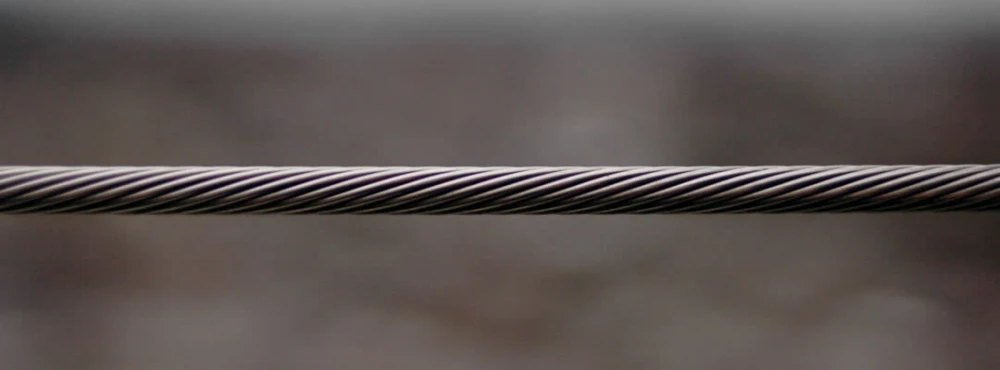
You protect your wire rope from strand loosening when you apply steel wire rope seizing. Each strand in the rope must stay tightly bound to maintain strength. If you cut the rope without seizing, the strands can unravel.
This leads to birdcaging and brooming, which weakens the rope and creates safety hazards. You avoid these problems by using proper seizing techniques.
Tip: Always seize both ends of the wire rope before and after cutting to prevent strand movement.
Maintaining Rope Integrity
Steel wire rope seizing helps you maintain the integrity of your equipment. When strands loosen, the rope loses its shape and cannot distribute loads evenly. You risk distortion and uneven tension if you skip seizing. Proper seizing keeps the rope compact and aligned, which ensures reliable performance during lifting or rigging.
You should remember that inadequate seizing can cause damage and shorten the lifespan of your wire rope. You maintain safety and efficiency by following recommended seizing procedures.
Extending Service Life
You extend the service life of your wire rope by seizing steel wire rope correctly. Seizing prevents premature wear and protects the rope from environmental stress. You reduce the chance of costly replacements and downtime when you keep the rope in optimal condition.
The primary functions of seizing include preventing damage, maintaining performance, and ensuring longevity. You safeguard your investment and improve workplace safety with proper seizing.
Benefit | Result |
|---|---|
Prevents strand loosening | Maintains rope strength |
Preserves rope integrity | Ensures even load distribution |
Extends service life | Reduces replacement costs |
Risks of Improper Seizing Wire Rope
Birdcaging and Brooming
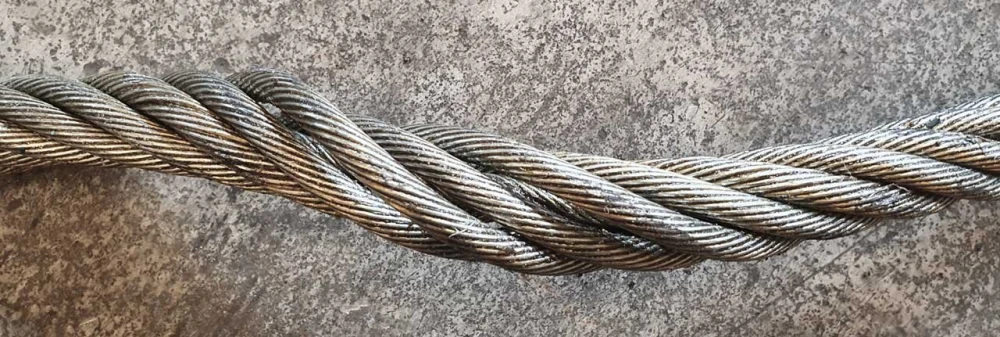
You face serious problems when you neglect seizing before cutting the wire rope. Birdcaging happens when strands spring outward, creating a bulged, unstable shape. Brooming occurs when the ends of the rope fray and separate, resembling a broom.
Both issues weaken the rope and make it unsafe for lifting or rigging. You cannot restore the rope’s strength once these deformations appear.
Tip: Always inspect the rope ends for signs of birdcaging or brooming before use. Replace any rope showing these defects.
Distortion and Load Issues
Improper seizing leads to distortion and load problems that compromise your equipment. You risk core slippage and loose strands, which can cause significant damage. Special attention is needed for lang lay, rotation-resistant, flattened strand, or compacted ropes.
If you lose the twist, strands loosen and may form dangerous loops.
You must secure the rope to the drum anchorage point.
Keep at least two to three wraps on the drum during multilayer applications to prevent crushing damage.
Distorted ropes cannot distribute loads evenly. You increase the chance of sudden failure and costly downtime when you ignore these precautions.
Safety Hazards
You expose yourself and your team to safety hazards when you use wire rope with improper seizing. Serious accidents and equipment damage have resulted from poor handling. Regular inspections help you spot fraying, deformations, or corrosion before they become dangerous.
Over 60 fatalities have occurred in the past 15 years due to wire rope failures.
Broken strands, corrosion, and fatigue often lead to slipping or snapping.
Wire rope hazards have caused hundreds of injuries and deaths on construction sites.
Do not operate an appliance if the wire rope fitted has become distorted, been damaged or has deteriorated to a level such that discard criteria has been reached.
You protect lives and property by following proper seizing procedures and replacing damaged ropes immediately.
When to Apply Seizing to Wire Rope?
Before Cutting
You must apply seizing before cutting the wire rope to prevent strand movement and maintain rope structure. If you skip this step, you risk birdcaging, brooming, and dangerous distortion. You should always use soft annealed iron wire for seizing, following industry standards.
The proper length of seizing depends on the rope diameter and type. You need to seize on each side of the cut to keep the strands compact and aligned.
Use soft annealed iron wire for seizing.
Apply seizing tightly and evenly, covering a length equal to the rope diameter.
Place seizing on both sides of the cut mark for maximum security.
Note: Carelessly or inadequately seized ends can shorten the life of ropes and compromise safety.
After Cutting
You must inspect and secure the ends after cutting the wire rope. Seizing the steel wire rope after cutting ensures the rope remains stable and safe for use. You can choose from several methods, depending on the rope size and application. The table below compares common techniques for seizing steel wire ropes after cutting:
Method | Description | Materials | Best For | Advantages | Disadvantages |
|---|---|---|---|---|---|
Tape Wrapping | Tightly wrap the cable with strong adhesive tape in multiple layers. | Vinyl electrical tape, duct tape, filament tape | Smaller diameter cables, quick field cuts, fiber core ropes | Fast, easy, requires no special tools, readily available | May not be strong enough for large ropes, and can leave residue |
Soft Wire Seizing | Wrapping the cable with soft, annealed iron wire using pliers or seizing tools. | Annealed seizing wire (16-18 gauge) | All rope sizes, especially IWRC and long lay ropes | Extremely secure, holds rope structure perfectly, no residue | Requires skill and specific wire, slower than taping |
Hose Clamps | Using mechanical hose clamps tightened on each side of the cut mark. | Stainless steel hose clamps | Emergencies, unavailable materials | Strong clamping force, reusable | Bulky, expensive, may not provide uniform pressure |
You should always inspect the cut ends for fraying or deformation. If you see any damage, apply additional seizing or replace the rope.
Special Cases for Non-Rotating Ropes
Non-rotating steel wire ropes require special attention during seizing. You must wind the seizing around the rope for a length equal to the rope diameter. Keep the wraps parallel, close together, and under tension.
Twist the ends of the strand together by hand, then use pliers to eliminate slack and tighten. Wind the twisted strand into a knot and pound it snugly against the rope.
Follow these steps for the best results:
Lay one end of the seizing in the groove between two strands of the wire rope.
Wrap the other end tightly over the portion in the groove.
Twist the ends together, then use pliers to tighten and secure the knot.
Pound the knot against the rope to finish.
Tip: Always use seizing steel wire rope methods recommended for non-rotating ropes to maintain structure and prevent strand loosening.
You protect your equipment and ensure safety by following these best practices for seizing steel wire ropes. Proper seizing at every stage keeps your wire rope reliable and extends its service life.
Seizing Process and Materials
Choosing Seizing Wire and Tools
You need to select the right seizing wire and tools for a successful seizing process. Start by matching the seizing wire diameter to your wire rope size. For most applications, soft annealed iron wire works well. If you operate in harsh or marine environments, consider Monel or stainless steel seizing wire.
Monel offers better ductility and resists cracking in saltwater, while stainless steel provides solid corrosion resistance. Monel costs more and is harder to find, but it bends more times before breaking. Always use sharp pliers, a sturdy seizing tool, and a wire cutter.
Do not use excessive force when tightening the seizing wire, as this can cause wire cracking.
Common seizing wire options:
Soft annealed iron wire (general use)
Stainless steel seizing wire (corrosion resistance)
Monel seizing wire (marine and saltwater applications)
Tip: Choose seizing wire that matches your rope’s environment and load requirements.
Seizing Wire Rope with Powerful Machinery Products
When you work with Powerful Machinery’s steel wire rope, you benefit from a non-rotating design and high tensile strength. Begin the seizing process by measuring the rope diameter. Cut enough seizing wire to wrap the rope at least six times. Place the seizing wire tightly around the rope, keeping the wraps parallel and close together.
Use pliers to twist and secure the ends. Seize the end on both sides of the cut mark for maximum stability. Ensure all PPE is worn before starting, including gloves and safety glasses. This protects you from sharp wire ends and flying debris.
The seizing process helps maintain the structure of Powerful Machinery’s wire rope and prevents strand loosening.
Alternative Seizing Materials
You can use alternative materials if seizing wire is not available. Some professionals use strong tape, such as vinyl or filament tape, for temporary jobs. Hose clamps also work in emergencies. However, these alternatives do not match the performance of proper seizing wire.
Always return to using seizing wire for permanent solutions. Remember, the seizing process is critical for steel wire rope seizing and long-term safety. Seizing steel wire rope with the right materials ensures the rope stays compact and reliable.
Always seize the end before and after cutting, and do not use excessive force during the process.
Safety Reminder: Always ensure all ppe is in place before starting the seizing process.
Step-by-Step Seizing Wire Rope
Preparation and Safety
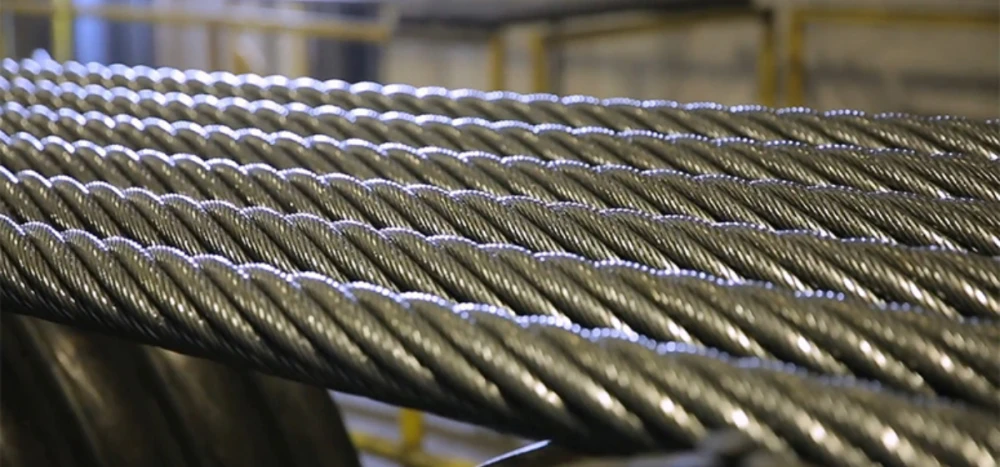
You must prepare carefully before starting the seizing process. Begin by inspecting the wire rope for damage or contamination. Clean the rope with a dry cloth to remove dirt and oil. Select the correct seizing wire based on the rope’s diameter and the environment.
Soft annealed iron wire suits most applications. Stainless steel or Monel wire works best in corrosive or marine settings.
You need to wear personal protective equipment (PPE) at all times. Gloves protect your hands from sharp strands. Safety glasses shield your eyes from flying debris. Use pliers, nippers, and wire cutters with sturdy grips. Lay out your tools and materials in a clean, organized workspace.
Safety Tip: Never rush the process. Double-check your PPE and tool condition before handling wire rope.
Seizing for Ropes Under 2.5mm
You handle thin ropes with extra care. For ropes under 2.5mm, use a lighter gauge seizing wire. Follow these steps for a secure process:
Place one end of the seizing wire between the valleys of two strands.
Wrap the other end tightly around the rope and the fixed end at a right angle.
Continue wrapping until you reach the recommended length, usually equal to the rope’s diameter.
Twist both ends of the seizing wire together using pliers. Make sure the twist is tight and secure.
Trim excess wire and press the twisted ends flat against the rope.
This method keeps the strands compact and prevents loosening.
Note: Thin ropes require gentle handling to avoid crushing or distorting the structure.
Seizing for Ropes Over 2.5mm
You need a stronger approach for ropes over 2.5mm. Use a thicker seizing wire and apply more tension during the process. Follow these steps for optimal results:
Lay one end of the seizing wire in the groove between two strands.
Wrap the other end around the rope and the fixed end, keeping the wraps parallel and close together.
Continue wrapping until you cover a length equal to the rope’s diameter or as specified by Powerful Machinery’s guidelines.
Twist the two ends of the seizing wire together. Use nippers for an extra-tight twist.
Pound the twisted ends gently against the rope to secure them.
This process maintains the rope’s integrity and prevents strand movement during cutting or handling.
Tip: For large-diameter ropes, consider double seizing for added security.
Post-Cutting Securing Methods
After cutting the wire rope, you must secure the ends to prevent fraying and maintain the structure. Several methods work for different situations:
Securing Method | Best Use Case | Tools Needed | Advantages |
|---|---|---|---|
Soft Wire Seizing | Permanent, all rope sizes | Pliers, seizing wire | Strong, reliable hold |
Tape Wrapping | Temporary, small ropes | Vinyl/filament tape | Quick, easy application |
Hose Clamps | Emergency, large ropes | Hose clamps, screwdriver | High clamping force |
You should inspect the ends for any signs of strand loosening. If you see fraying, apply additional seizing or replace the rope.
Reminder: Always follow Powerful Machinery’s recommendations for securing wire rope ends. This ensures maximum safety and performance.
You maintain the strength and reliability of your equipment by following each step in the process. Proper preparation, careful seizing, and secure post-cutting methods protect your investment and support safe operations.
Seizing Methods for Steel Wire Rope
Method for Ropes Over One Inch
You need a robust approach when working with wire rope over one inch in diameter. Larger ropes have more strands and require extra security to prevent strand loosening. Start by measuring a length of seizing wire that is at least 20 times the diameter of your rope.
Place the wire in the groove between two strands and wrap it tightly around the rope. Make sure each wrap sits snugly against the previous one. You should cover a length equal to twice the rope’s diameter for maximum hold.
Follow these steps for the best results:
Lay the seizing wire in the groove between strands.
Wrap the wire around the rope, keeping each turn tight and parallel.
Twist the ends of the wire together using pliers.
Pound the twisted ends flat against the rope for a smooth finish.
Tip: Double seizing is recommended for ropes over one inch. Place a second seizing about one rope diameter away from the first for added security.
Method for Ropes One Inch and Under
You can use a simpler method for ropes one inch and under. Cut a length of seizing wire about 10 times the rope’s diameter. Place one end of the wire in the groove between strands. Wrap the wire tightly around the rope, covering a length equal to the rope’s diameter. Twist the ends together with pliers and press them flat.
A quick checklist for smaller ropes:
Use lighter gauge seizing wire.
Keep wraps close and even.
Cover a length equal to the rope’s diameter.
Secure the ends tightly.
Note: Always inspect your work. Proper seizing keeps the rope compact and safe for use.
Reference Tables for Seizing Steel Wire Rope
Seizing Wire Diameter Table
You need to select the correct seizing wire diameter for each wire rope size. Using the right diameter ensures a secure hold and prevents strand movement. The following table provides a quick reference for common wire rope diameters and the recommended seizing wire sizes:
Wire Rope Diameter (mm) | Recommended Seizing Wire Diameter (mm) |
|---|---|
Up to 2.5 | 1.0 – 1.2 |
2.6 – 6.0 | 1.2 – 1.6 |
6.1 – 12.0 | 1.6 – 2.0 |
12.1 – 20.0 | 2.0 – 2.5 |
Over 20.0 | 2.5 – 3.0 |
Tip: Always match the seizing wire diameter to the wire rope size for maximum safety and performance.
Number, Width, and Spacing Guidelines
You must follow industry guidelines for the number, width, and spacing of seizings to maintain rope integrity. The recommendations depend on whether you use preformed or non-preformed wire rope. The table below summarizes the best practices:
Rope Type | Recommended Seizings | Length of Each Seizing |
|---|---|---|
Non-preformed Rope | 2 | At least 1 rope diameter |
Preformed Rope | 1 | At least 1 rope diameter |
You should place seizings close together, leaving no gaps between them. For non-preformed ropes, use two seizings spaced about one rope diameter apart. For preformed ropes, one seizing is usually enough. Each seizing must cover a length equal to the rope’s diameter.
Place seizings tightly and evenly.
Cover the recommended length for each seizing.
Inspect the finished work for gaps or loose wires.
Note: Following these guidelines helps you prevent strand loosening and ensures the wire rope stays compact during handling and cutting.
Tips for Effective Seizing Steel Wire Ropes
Material Selection
You must choose the right materials for every seizing procedure. Start by checking the diameter of your wire rope. Select a seizing wire that matches the rope’s size. The number and length of seizings depend on the rope diameter and whether the rope is preformed.
You should always use soft annealed iron wire for most applications. Stainless steel or Monel wire works best in marine or corrosive environments. If you use the wrong material, you risk a failed seizing procedure and possible strand loosening. Always measure and cut enough wire to wrap the rope securely.
This step ensures the seizing procedure holds under tension and prevents uneven distribution of loads.
Tip: Always match the seizing wire diameter to the wire rope size for a reliable seizing procedure.
Preformed vs. Non-Preformed Ropes
You need to adjust your seizing procedure based on the type of wire rope. Preformed ropes behave differently from non-preformed ropes. The table below highlights the main differences:
Characteristic | Preformed Wire Ropes | Non-Preformed Wire Ropes |
|---|---|---|
Seizing Requirement | Not required when cut | Required to maintain structure |
Behavior of Broken Ends | Do not untwist | Untwist |
Liveliness and Twisting | Substantially free | More prone to twisting |
Resistance to Fatigue | Increased | Lower resistance |
Safety of Broken Ends | Do not protrude | Protrude, increasing injury risk |
You must use a seizing procedure for non-preformed ropes to keep the strands together. Preformed ropes do not need a seizing procedure after cutting, but you should still inspect them for safety. Always follow the correct seizing procedure for each rope type to avoid strand loosening and maintain rope integrity.
Common Mistakes to Avoid
You can prevent most problems by following the correct seizing procedure. Many users make mistakes that compromise safety and rope performance. Here are common errors to watch for:
Skipping the seizing procedure before cutting the rope.
Using the wrong diameter or type of seizing wire.
Applying too few wraps during the seizing procedure.
Failing to cover the recommended length for each seizing procedure.
Ignoring the need for the double seizing procedure on large-diameter ropes.
Not inspecting the rope after completing the seizing procedure.
If you skip any step in the seizing procedure, you risk strand loosening, rope distortion, and uneven distribution of loads. Always follow each step in the seizing procedure to protect your equipment and ensure safe operations.
Note: A thorough seizing procedure prevents costly replacements and keeps your workplace safe.
Conclusion
You ensure the safety and longevity of your steel wire rope when you apply seizing at the right time and use the correct technique. Following recommended procedures and reference tables helps you maintain rope integrity and prevent costly failures.
Proper handling, storage, and lubrication protect your wire rope from damage and extend its service life.
Trust Powerful Machinery for certified, high-performance wire rope solutions and expert guidance. Your commitment to best practices keeps your operations safe and efficient.
FAQ
How do you know if your wire rope needs seizing?
You should seize your wire rope before and after every cut. If you see strands loosening, fraying, or birdcaging, apply seizing immediately. Always inspect rope ends before use.
What type of seizing wire works best for marine environments?
You should use Monel or stainless steel seizing wire for marine or corrosive environments. These materials resist rust and maintain strength in harsh conditions.
Can you use tape instead of seizing wire?
You can use strong tape for temporary jobs or emergencies. However, tape does not provide the same security as proper seizing wire. Always return to using seizing wire for permanent solutions.
How many seizings should you apply to non-preformed wire rope?
You should apply two seizings to non-preformed wire rope. Place them about one rope diameter apart for maximum security and to prevent strand loosening.
Does Powerful Machinery offer custom seizing solutions?
Yes. Powerful Machinery provides custom-engineered seizing and wire rope solutions. You can contact their team for expert advice and certified products tailored to your project needs.