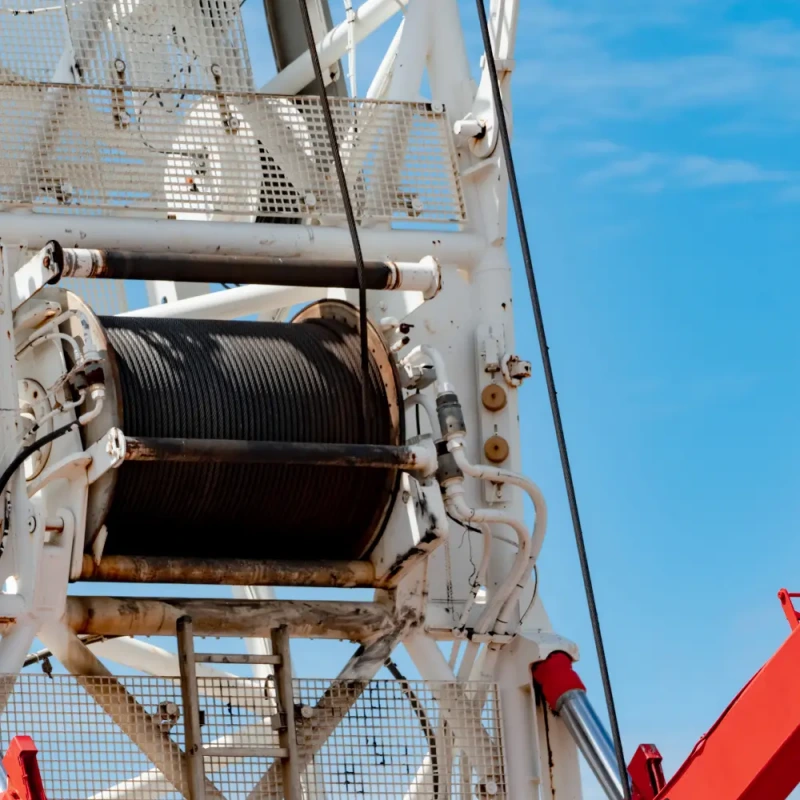
You rely on wire rope for demanding lifting tasks, so wire rope lubrication becomes essential for protecting against internal failure risks. When you apply proper lubrication, you reduce friction and extend wire rope life. This practice lowers maintenance costs and boosts safety in every operation.
Preventative maintenance ensures optimal wire rope performance, keeping your equipment reliable. Powerful Machinery’s Steel Wire Rope stands out when you prioritize wire rope lubrication for heavy-duty applications.
Key Takeaways
Regular wire rope lubrication reduces friction, extending the rope’s lifespan by up to 50%. This practice lowers maintenance costs and enhances safety.
Proper lubrication protects against corrosion, preventing rust and hidden weaknesses. Use high-quality lubricants to shield your wire rope from moisture and chemicals.
Implement a structured inspection schedule to catch issues early. Regular checks help prevent accidents and ensure reliable lifting operations.
Choose the right lubrication method for your needs. Automatic lubricators provide consistent coverage, reducing manual labor and improving efficiency.
Investing in quality lubricants and maintenance practices can lead to significant cost savings. Avoid unexpected failures and enhance productivity with proper care.
Importance of Wire Rope Lubrication
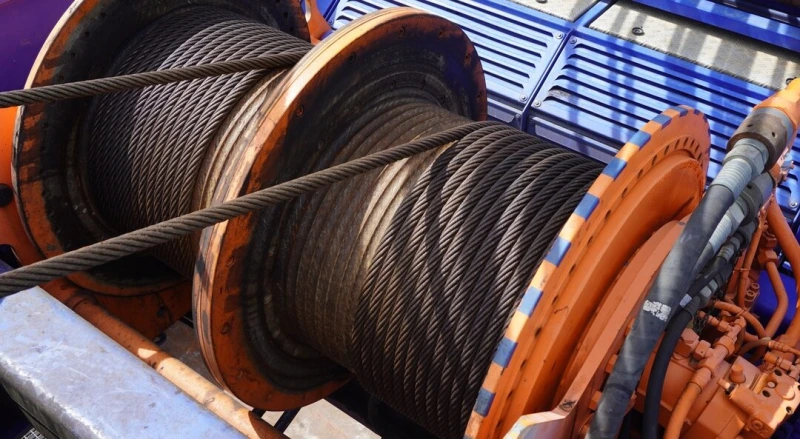
Wire rope lubrication plays a critical role in maintaining the safety and reliability of your lifting operations. When you understand the importance of wire rope lubrication, you can prevent costly failures and extend the life of your equipment.
Powerful Machinery’s Steel Wire Rope demonstrates how proper lubrication, combined with advanced design, delivers unmatched performance in demanding environments.
Friction Reduction
Friction between the individual wires and strands inside a wire rope can cause rapid wear and reduce lifting efficiency. When you apply wire rope lubricants, you create a protective film that penetrates deep into the rope core.
This film minimizes metal-to-metal contact and allows the rope to move smoothly during operation. As a result, you lower resistance and reduce the risk of internal damage.
Tip: Regular lubrication not only makes your wire rope easier to handle but also helps you avoid unexpected downtime.
The measurable benefits of friction reduction include:
Improvement Type | Measurable Benefit |
|---|---|
Rope Service Life | Extended by up to 50% |
Maintenance Frequency | Reduced frequency of maintenance |
Enhanced fatigue resistance | |
Lifting Efficiency | Improved lifting efficiency |
Risk of Rope Failure | Lower risk of failure |
You can see that effective wire rope lubrication directly impacts both the performance and the reliability of your equipment. Powerful Machinery’s Steel Wire Rope, with its non-rotating design, benefits greatly from reduced friction, which helps prevent twisting and kinking during heavy lifts.
Corrosion Protection
Corrosion is a silent threat to wire rope. Moisture, salt, and chemicals can attack the steel, leading to hidden weaknesses and sudden failures. Wire rope lubricants act as a shield, blocking moisture and forming a barrier against corrosive elements.
This protection is essential for maintaining the safety and reliability of your lifting systems, especially in harsh environments.
When you use high-quality lubricants, you:
Push out moisture from the rope core.
Coat the steel with corrosion inhibitors.
Prevent rust and pitting that weaken the rope over time.
Powerful Machinery’s Steel Wire Rope uses high-grade steel that already resists corrosion. When you combine this with proper lubrication, you maximize the rope’s lifespan and ensure dependable performance in every application.
Contamination Barriers
Dirt and debris can work their way into the rope structure, causing abrasion and accelerating wear. Wire rope lubricants serve as an effective barrier, blocking contaminants and keeping the rope clean. This function is vital for extending the working life of your wire rope and reducing maintenance needs.
Contaminants Blocked | Function of Barrier in Longevity |
|---|---|
Moisture | Prevents corrosion |
Dirt | Reduces mechanical wear |
By keeping contaminants out, you protect the internal structure of the rope and maintain its flexibility. Powerful Machinery’s Steel Wire Rope, when properly lubricated, resists both external and internal threats, supporting your commitment to safety and reliability.
Note: Many people underestimate the value of wire rope lubrication. Studies show that inadequate lubrication causes a large percentage of mechanical failures. You can avoid these risks by following best practices and using the right wire rope lubricants for your equipment.
Wire Rope Safety and Reliability
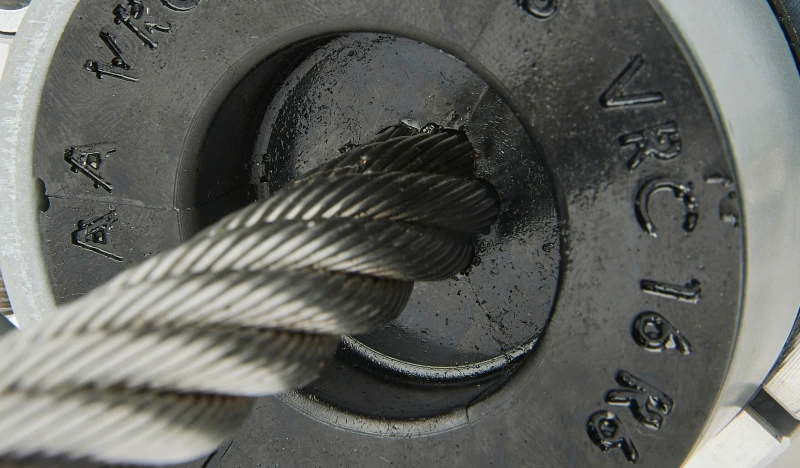
Internal Failure Risks
You face several internal failure risks when you use wire rope in demanding environments. Corrosion often develops in areas exposed to humidity or salt water. Frayed strands weaken the rope and can lead to further unraveling.
Bird caging occurs when wires expand and form a birdcage-like shape, severely reducing strength. Kinks create bends that lower lifting capacity and compromise the rope’s integrity.
Regular application of proper lubrication protects against these risks. Lubricants shield the wire rope from moisture and friction, enhancing strength and reliability. You improve the lifespan and functionality of your equipment by ensuring each strand receives adequate lubrication.
Powerful Machinery’s Steel Wire Rope, certified to international standards, demonstrates superior resistance to internal failures. The non-rotating design prevents twisting and kinking, supporting your goal of preventing unexpected rope failures and minimizing safety hazards.
Operational Downtime
Operational downtime disrupts your workflow and impacts productivity. Regular wire rope lubrication plays a key role in minimizing downtime. Maintenance routines that include lubrication prevent equipment failure and keep your machinery running smoothly.
Automatic lubricators offer efficient coverage, ensuring every wire rope receives consistent protection.
You extend the lifespan of wire rope with proper lubrication.
A South African mine increased rope replacement intervals from 18.5 months to 43 months by adopting regular lubrication.
Another operation extended rope life cycles from 8 months to 12 months, reducing interruptions and improving reliability.
Companies that use automatic lubricators report substantial savings in labor and replacement costs.
Powerful Machinery’s Steel Wire Rope stands out for its durability and compatibility with advanced lubrication methods. You maintain safety and reliability in your operations by following best practices and using certified products.
Financial Impact
Wire rope failures create significant financial challenges for your business. Accidents and injuries resulting from failures can lead to legal liabilities and increased insurance premiums.
Equipment damage often requires costly repairs and extends downtime. Unplanned maintenance disrupts production schedules, affecting efficiency and profitability.
Accidents and injuries cause financial liabilities.
Equipment damage leads to expensive repairs.
Operational downtime impacts overall productivity.
Financial loss includes legal costs and higher insurance premiums.
Preventive maintenance, including proper lubrication, helps you avoid these expenses. Companies that implement regular wire rope lubrication experience substantial savings in replacement costs and capital expenses.
Powerful Machinery’s industry achievements and certified products provide peace of mind, ensuring you invest in solutions that maximize safety and reliability.
Wire Rope Lubrication Methods
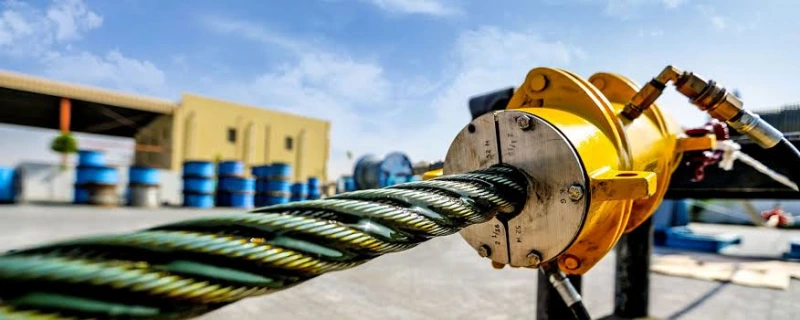
Lubricant Types and Selection
You must choose wire rope lubricants that match your operating conditions. Penetrating lubricants carry solvents deep into the wire rope core, leaving a protective layer inside. Coating lubricants shield the outer surface from corrosion and rust. For optimal performance, combine both types.
Penetrating lubricants protect internal wire-to-wire contact points, while coating lubricants defend against external threats. When you select recommended wire rope lubricants, consider temperature extremes, environmental exposure, rope construction, and application stresses.
Look for corrosion resistance, wear resistance, and strong penetration ability. Cleaning the wire rope before lubricant application ensures the lubricant clings to the rope and resists wash-off.
Powerful Machinery’s Steel Wire Rope configurations, such as 35W×7 and 18×19, allow lubricant to reach internal surfaces, displace moisture, and stay in place during operation.
Tip: Internal lubrication is vital because the rope’s outer surface represents only about 20% of its composition.
Application Techniques
You can use several lubrication techniques to achieve thorough coverage. The drip method applies lubricant along the moving wire rope, ensuring even distribution. The spray method uses equipment to coat both penetrating and coating lubricants across the rope.
The trough method lets the rope pass through a bath of lubricant, saturating inner and outer surfaces. Pressurized systems enhance these techniques, pushing lubricant deep into the rope.
Proper lubrication requires consistent application and cleaning before relubrication. Powerful Machinery’s Steel Wire Rope adapts well to these methods, supporting optimal performance and longevity.
Automatic vs Manual Lubricators
You must decide between manual and automatic lubricator systems. Automatic lubricators deliver precise and consistent wire rope lubrication, eliminating human error. Manual methods depend on operator diligence and can result in inconsistent coverage.
Automatic systems reduce relubrication times from days to hours and decrease manual labor by up to 90%. They ensure thorough lubricant application, reaching both outer and inner sections of the wire rope. The table below compares the two approaches:
Feature | Automatic Lubrication Systems | Manual Lubrication Methods |
|---|---|---|
Efficiency | High; ensures precise and consistent lubrication | Variable; relies on the operator’s diligence |
Consistency | Consistent; eliminates human error | Inconsistent; risk of inadequate or excessive lubrication |
Long-term Maintenance Costs | Higher upfront cost but lower long-term costs due to reduced repairs and downtime | Lower initial cost but higher long-term costs due to labor and potential equipment damage |
Powerful Machinery’s Steel Wire Rope supports both manual and automatic lubricator systems, making it suitable for a wide range of lubrication techniques. You maintain safety and reliability by choosing the right method for your operation.
Wire Rope Inspection, Maintenance, and Storage
Inspection Schedules
You need to follow a structured inspection schedule to keep your wire rope safe and reliable. Industry standards recommend several levels of inspection:
Daily or pre-use checks: Look for visible signs of wear, broken wires, or misalignment before each shift.
Weekly or monthly detailed inspections: Measure rope diameter, check sheave and drum grooves, and inspect end terminations. Trained personnel should handle these tasks.
Periodic inspections: Complete a thorough review at least every 12 months, or more often if your environment is harsh. This ensures compliance with ASME B30.9 standards.
Routine inspections help you spot broken wires, corrosion, or deformations early. By following these schedules, you reduce the risk of accidents and equipment failures. Powerful Machinery’s custom-engineered wire rope solutions make inspections easier and more effective, supporting your safety goals.
Maintenance Techniques
Effective maintenance extends the service life of your wire rope. You should:
Conduct regular inspections to catch issues like broken wires and corrosion.
Clean the rope with suitable materials to remove dirt and chemicals.
Lubricate the rope to reduce friction and prevent wear.
Handle and align the rope properly to avoid kinks and crushing.
Inspect and protect terminations from environmental damage.
Keep loads within safe limits to prevent fatigue and premature failure.
Lubrication remains essential for minimizing friction and preventing corrosion. Using a wire rope lubricator injects lubricant deep into the core while cleaning the surface. This process gives you comprehensive protection and helps in extending the rope’s lifespan.
Powerful Machinery’s products are designed for easy maintenance, offering durability even in demanding environments.
Challenge | Description | Solution/Prevention |
|---|---|---|
Wire Breakage | Fatigue, wear, or overload can compromise strength. | Replace broken sections or the entire rope. |
Deformation | Shape changes reduce strength and flexibility. | Regular inspections and timely replacement. |
Corrosion | Environmental exposure weakens the rope. | Clean and apply anti-corrosion agents often. |
Storage Best Practices
Proper storage protects your wire rope from damage and preserves lubricant effectiveness. You should:
Store wire ropes in a dry, ventilated area, away from moisture and sunlight.
Avoid acidic or chemical environments that can degrade the rope.
Apply a high-quality lubricant before storage and check it regularly.
Spool the rope on a reel to prevent kinks and tangles.
Elevate storage to protect from water damage.
These practices help maintain flexibility and prevent rust. Powerful Machinery’s wire rope products offer superior resistance to environmental threats, ensuring long-term performance and reliability.
Tip: Training your team on inspection, maintenance, and storage procedures increases safety and maximizes wire rope life.
Environmental and Economic Factors
Environmental Challenges
You face many environmental challenges when maintaining wire rope. Moisture, salt, and abrasive particles can quickly degrade both the rope and its lubricant.
In the marine, mining, and construction industries, these factors often shorten the lifespan of your equipment. The table below shows how different challenges impact lubrication performance:
Environmental Challenge | Impact on Lubrication Performance |
|---|---|
Corrosion from moisture | Leads to rust and degradation of steel wires, reducing lifespan and effectiveness of lubrication. |
Contamination from particles | Abrasive materials can wear down lubricants, compromising their protective qualities. |
Temperature extremes | Causes condensation that can accelerate internal corrosion if not properly managed with lubrication. |
To protect your wire rope, you should use lubricants that displace water and create strong moisture barriers. Choose products with salt spray resistance above 60 hours and humidity cabinet values over 60 days.
In marine or high-moisture environments, select lubricants with strong water-displacement properties. In abrasive or dirty settings, tacky lubricants that resist being scraped off work best.
Eco-Friendly Lubricants
You can improve both safety and sustainability by choosing eco-friendly lubricants for your wire rope. These lubricants offer several advantages:
Biodegradable formulas reduce pollution risks and use renewable resources.
They maintain high performance, even with temperature changes.
You meet strict environmental regulations more easily.
Higher thermal stability means less wear and longer equipment life.
Nontoxic and higher flash points improve safety for your team.
Powerful Machinery’s Steel Wire Rope supports the use of these lubricants, helping you align with global sustainability goals. The use of recycled materials in the rope also reduces energy consumption and carbon emissions, adding to the environmental value.
Wire Rope Lubricator Price
You have many options when selecting a wire rope lubricator. Prices vary based on features and application. The table below outlines typical price ranges:
Product Name | Price Range |
|---|---|
Basic Manual Lubricators | $1.90 – $70 |
General Purpose Lubricators | $3 – $300 |
Advanced Automated Systems | $2,000 – $2,500 |
Oilfield and Marine-Grade | $990 – $3,500+ |
Investing in an advanced lubricator may seem costly at first, but it can extend the life of your wire rope and reduce replacement expenses.
Cost-Effectiveness
You gain significant economic benefits by maintaining your wire rope with proper lubrication. Technological advancements, such as the use of lanthanum stearate-modified lubricating grease, can reduce friction by 35% and wear by 25%. These improvements lower maintenance costs and minimize downtime.
Powerful Machinery’s Steel Wire Rope uses recycled steel, which cuts energy use and supports long-term savings. Companies that invest in high-quality lubrication and durable wire rope see fewer replacements and less unplanned maintenance. This approach protects your budget and supports sustainable operations.
Conclusion
You improve optimal wire rope performance by following preventive lubrication practices. Industry research shows that regular maintenance reduces friction, protects against corrosion, and prevents costly failures. Review the table below for key takeaways:
Key Aspect | Description |
|---|---|
Mechanisms of Failure | Internal corrosion and wear cause rope failures. |
Functions of Lubrication | Lubrication reduces friction and contamination. |
Financial Implications | Poor maintenance increases replacement costs. |
Choose Powerful Machinery’s Steel Wire Rope for certified durability. Clean, lubricate, and inspect your ropes regularly to maximize lifespan.
FAQ
How often should you lubricate wire rope?
You should lubricate the wire rope every three months or after 500 hours of operation. Inspect the rope regularly and apply lubricant when you notice dryness or wear.
What type of lubricant works best for steel wire rope?
Choose penetrating lubricants for internal protection and coating lubricants for external defense. Select products with corrosion resistance and strong adhesion for Powerful Machinery’s Steel Wire Rope.
Can you use automatic lubricators with Powerful Machinery’s Steel Wire Rope?
Yes, you can use automatic lubricators. These systems provide consistent coverage and reduce manual labor. Powerful Machinery’s Steel Wire Rope supports both manual and automatic lubrication methods.
Why does wire rope lubrication improve safety?
Lubrication reduces friction, prevents corrosion, and blocks contaminants. You protect the rope’s structure and lower the risk of sudden failures. Safety improves when you maintain the wire rope properly.
How do you store wire rope to preserve lubricant effectiveness?
Store wire rope in a dry, ventilated area. Keep it away from moisture and chemicals. Use reels to prevent kinks and check lubricant condition before use.