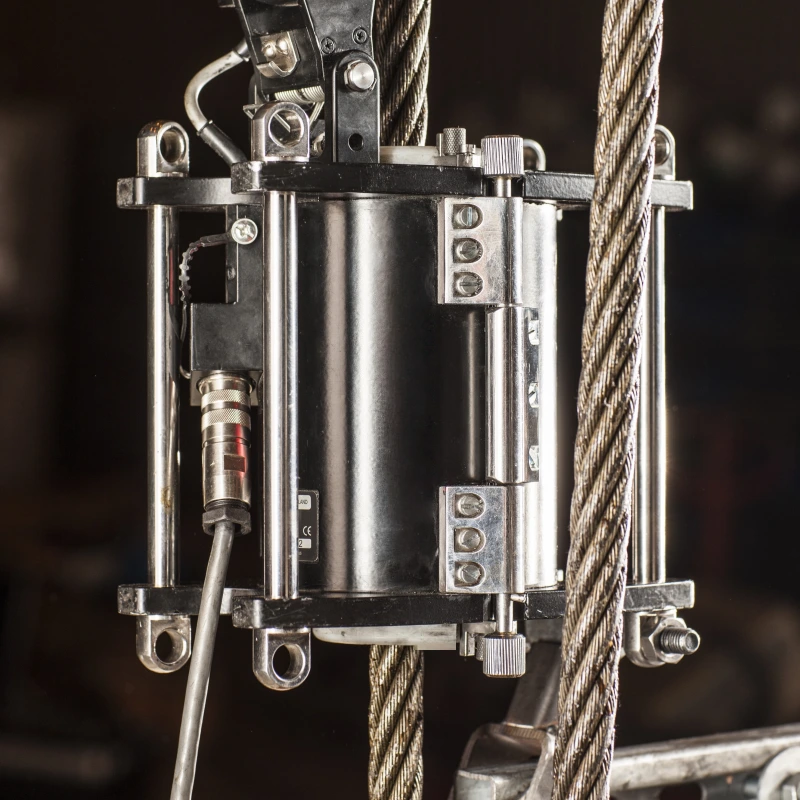
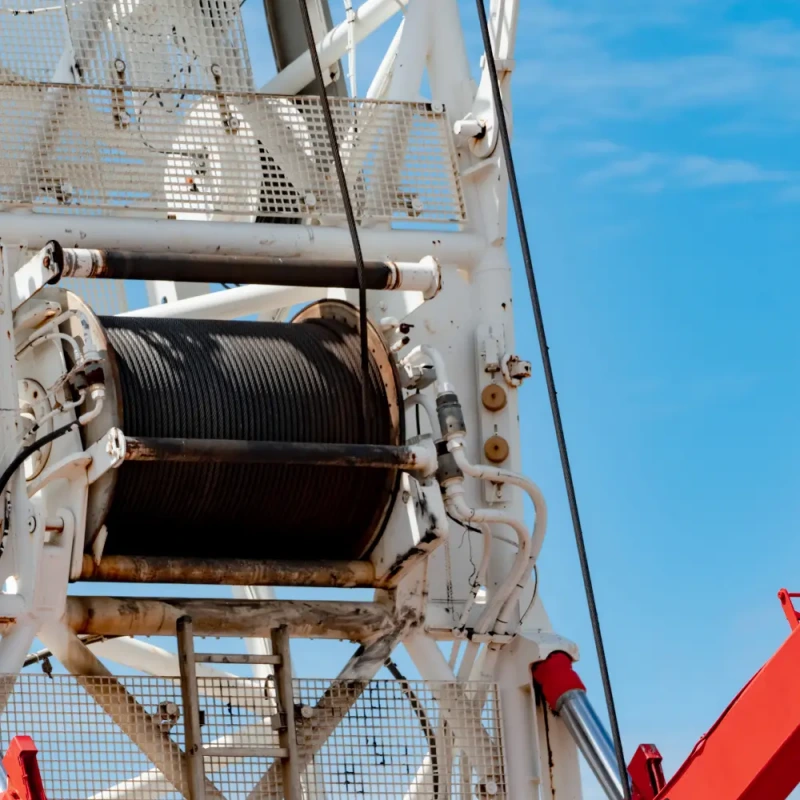
Wire rope material refers to the type of metal or alloy used to make wire ropes. You rely on the right material to keep lifting operations safe and long-lasting. Different materials offer unique properties, such as tensile strength and flexibility, which help prevent failures and accidents.
The table below shows how material choice affects safety and durability in real-world studies.
Study Title | Key Findings |
|---|---|
Failure analysis of steel wire rope used in the overhead crane system | Highlights the importance of material properties like tensile strength and flexibility in preventing failures during lifting operations. |
Experimental study on the effect of additional torsional load on the bending fatigue behavior and failure mechanism of steel wire rope | Demonstrates how torsional loads can significantly reduce the endurance of steel wire ropes, impacting safety. |
Influence of longitudinal vibration on the friction and wear characteristics of multi-layer winding hoisting wire rope | Discusses how vibrations can lead to wear and reduce the service life of wire ropes, affecting overall safety. |
You should always choose wire rope material from trusted wire rope manufacturers like Powerful Machinery. This decision helps you meet safety standards and fit your application needs.
Key Takeaways
Choosing the right wire rope material enhances safety and performance in lifting operations.
Stainless steel wire rope is ideal for outdoor projects due to its excellent corrosion resistance.
Regular inspections and maintenance can significantly extend the lifespan of wire ropes and reduce downtime.
Investing in high-quality wire rope materials saves money in the long run by minimizing replacement and maintenance costs.
Powerful Machinery offers custom solutions to meet specific project needs, ensuring safety and efficiency.
Types of Wire Rope Materials
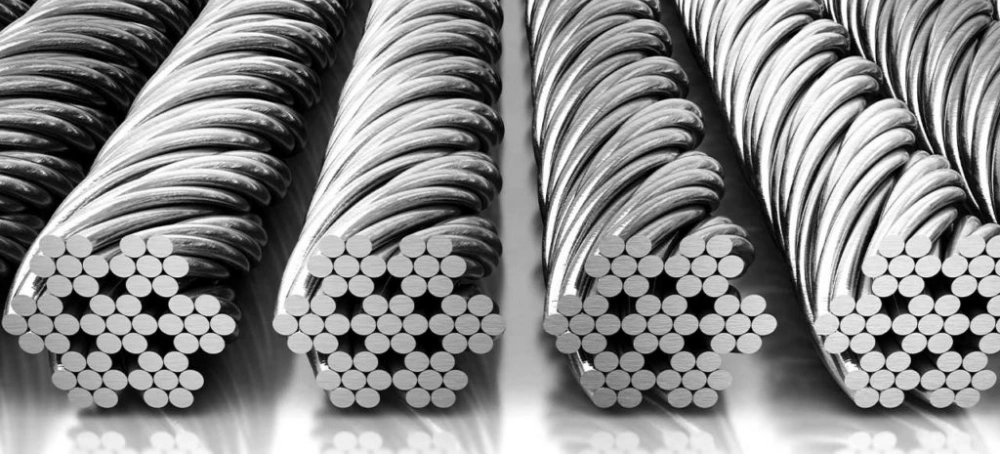
When you choose wire rope material, you need to understand the main types available in the market. Each type offers unique benefits for different applications. The most common wire rope materials include steel, galvanized steel, stainless steel, and specialty alloys.
Carbon steel wire rope holds about 63.8% of the global market share. You often select this material for its high tensile strength and cost-effectiveness.
Stainless steel wire rope is the fastest-growing segment. You rely on it for superior corrosion resistance, especially in marine and oil & gas environments.
You can see the differences between these wire rope materials in the table below:
Type of Wire Rope | Composition | Corrosion Resistance | Tensile Strength (MPa) | Applications |
|---|---|---|---|---|
304 Stainless Steel | Chromium, Nickel | Moderate; susceptible to salts and chemicals | ~505 | General applications, indoor/outdoor |
316 Stainless Steel | Chromium, Nickel, Molybdenum | High; excellent for marine and chemical environments | ~515 | Marine, industrial, medical applications |
Galvanized Steel | Steel coated with zinc | Moderate; protects against rust but can corrode over time | Varies | General construction, outdoor use |
Specialty Alloys | Varies by alloy | Varies; often designed for specific environments | Varies | Specialized industrial applications |
You may also encounter bright wire rope, which uses untreated steel wire and suits indoor or dry environments. High-carbon steel wire rope provides extra strength for heavy-duty lifting and construction tasks.
If you need a wire rope that delivers top performance, Powerful Machinery’s Steel Wire Rope stands out. You benefit from its non-rotating design, which prevents twisting and kinking during lifting. This feature increases safety and extends the lifespan of the rope.
Powerful Machinery engineers this product for high durability and reliability in demanding environments.
When you select wire rope materials, consider your application and environment. You can rely on Powerful Machinery to supply certified, high-quality wire rope for every need.
Wire Rope Material Properties
Strength and Durability
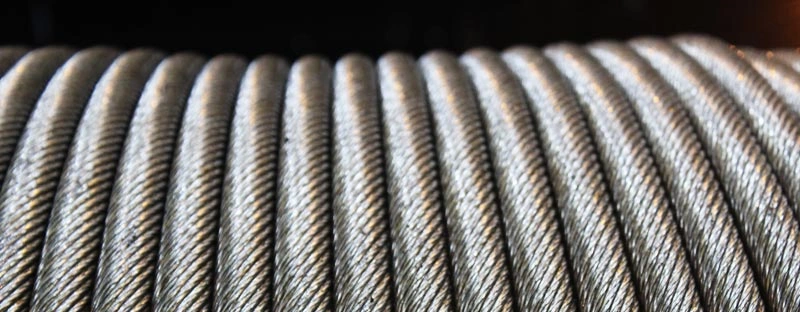
You need a wire rope that can handle heavy loads and resist wear. Steel wire ropes offer impressive tensile strength, ranging from 1570MPa to 1960MPa. This makes them reliable for lifting and rigging tasks.
Stainless steel wire rope also provides high strength and excellent fatigue resistance, especially in applications with repeated bending, such as elevators.
Specialty alloy cables, like Monel® 400, combine high tensile strength with added corrosion resistance for demanding outdoor jobs. The table below shows how tensile strength varies by material and diameter:
Material Type | Diameter (mm) | Tensile Strength (kilo) |
|---|---|---|
Stainless Steel 7×7 | 4 | 920 |
Stainless Steel 7×7 | 5 | 1438 |
Galvanized Wire Rope | 4 | 534 |
Galvanized Wire Rope | 5 | 834 |
Galvanized Wire Rope | 6 | 1356 |
Galvanized Wire Rope | 8 | 2346 |
Powerful Machinery’s steel wire rope stands out for its non-rotating design, which helps prevent twisting and kinking. This feature increases durability and safety during lifting operations.
Flexibility and Handling
Flexibility affects how easily you can handle and install wire rope. Industry standards rate flexibility by wire rope class. For example:
Wire Rope Class | Flexibility Rating | Trade-off |
|---|---|---|
6×19 | Less flexible | Best for abrasion resistance |
6×26 | Moderate flexibility | Balanced between flexibility and abrasion |
6×37 | Highly flexible | Best for repeated bending, less abrasion resistance |
You should choose a wire rope material that matches your need for flexibility. Highly flexible ropes work best for applications with frequent bends, while less flexible ropes resist abrasion better.
Corrosion Resistance
Corrosion resistance is crucial if you use wire rope outdoors or in marine environments. Stainless steel wire rope excels in harsh conditions, offering exceptional protection against rust and chemicals. Galvanized steel provides good resistance, but its zinc coating may wear down over time.
Specialty alloy wire ropes, especially those made from stainless steel, deliver excellent corrosion resistance and durability in chemical plants and other tough environments.
Tip: For marine or chemical plant use, select stainless steel wire rope for maximum longevity.
Cost and Value
You want wire rope material that balances cost and long-term value. Stainless steel wire rope can last 15 to 25 years, reducing replacement frequency. Galvanized wire rope may need more frequent inspections and maintenance, especially in corrosive environments.
The material you choose affects lifespan, maintenance needs, and overall value. Powerful Machinery’s steel wire rope offers high durability, minimizing downtime and replacement costs.
Applications of Wire Rope
Construction and Lifting
You see wire rope as a backbone in construction and lifting. Most construction sites use carbon steel and alloy steel wire ropes because they combine strength and flexibility. You rely on these ropes for tower cranes, hoisting equipment, and elevators. They lift heavy materials like steel beams and concrete blocks.
Suspension bridges also use steel wire ropes to distribute weight and handle tension. The table below shows key safety standards for construction and lifting:
Safety Standard | Description |
|---|---|
ASME B30.30 | Covers selection, installation, and maintenance for cranes and hoists |
Rope Load Limit | Must not exceed 20% of nominal breaking strength |
Sheave Grooves | Should be smooth and defect-free to prevent damage |
Replacement Rope | Must match original size, grade, and construction |
You benefit from the wire rope’s strength, flexibility, and cost-effectiveness in these demanding environments.
Marine and Outdoor Use
You need materials that resist corrosion for marine and outdoor applications. Stainless steel wire ropes work best here. They stand up to saltwater, humidity, and temperature changes. Grades like 304, 305, and 316 offer different levels of corrosion resistance, with 316 being the most durable.
Stainless steel wire ropes keep their bright appearance and last longer in harsh conditions. You often see them in docks, ships, and outdoor structures.
Tip: Choose stainless steel wire rope for any project exposed to saltwater or harsh weather.
Heavy Industry and Mining
You require wire rope with high tensile strength and durability in heavy industry and mining. Stainless steel, especially 904L, handles massive loads and resists deformation under stress. These ropes support mining operations, cranes, winches, and pulleys.
Their abrasion resistance ensures they last, even with constant use. You trust these ropes in mining, drilling, and energy sectors for their reliability and strength.
Custom Solutions by Powerful Machinery
You may face unique challenges that standard wire ropes cannot solve. Powerful Machinery offers custom-engineered solutions for your specific needs. You can request tailored strand configurations, core types, wire sizes, and specialized coatings.
The company also provides custom rigging hardware for unique load and environmental requirements. You receive support from initial consultation to final production, ensuring safety and efficiency for your project.
Choosing the Right Wire Rope Material
Assessing Application Needs
You should start by looking at your project’s requirements. Each job has different needs, so you must match the wire rope material to the task. Consider these key factors:
Length of the sling: The right length keeps loads stable and safe. Too short can cause failure. Too long can make the load hard to control.
Environmental conditions: High temperatures, moisture, and chemicals can weaken wire ropes. You need to know if your worksite has these risks.
Wear and tear: Check your wire rope before each use. Look for broken wires, rust, or other damage.
You can use the table below to see how different materials fit common applications:
Material | Key Features | Common Applications |
|---|---|---|
Galvanized Steel | High breaking strength, ductile, fairly flexible, minimal corrosion resistance | Logging, rigging, hoisting, and general industrial |
Stainless Steel | Excellent corrosion resistance, high strength, hard-wearing, less flexible | Mining, oil, and gas |
Bright Carbon Steel | High strength, very flexible, cost-effective, and needs lubrication | Crane hoisting, rigging, and general industrial |
You should always choose a wire rope material that matches your load, environment, and handling needs.
Considering Environment and Safety
You must think about where you will use the wire rope and how to keep people safe. Regular inspections help you spot problems like fraying or corrosion. Cleaning removes dirt that can block lubrication. Always use the correct size and type for your job.
If you work in high temperatures, you need special steps:
Use steel core wire rope if temperatures go above 180°F.
Lower the minimum breaking force if temperatures go above 200°F.
Do not use high-carbon wires above 800°F.
You should also remember that the right wire rope material can prevent accidents and keep your team safe.
Tip: For hot or hazardous environments, always check the manufacturer’s guidelines and safety standards.
Balancing Performance and Budget
You want the best performance, but you also need to watch your budget. High-quality materials like high-carbon steel and stainless steel cost more at first. They last longer and need less maintenance, which saves money over time. Innovative coatings can boost performance without raising costs too much.
Here are some points to help you balance cost and value:
Safety and quality matter most, but you should not ignore your budget.
Investing in better wire rope can stop accidents and lower replacement costs.
Each material choice affects how long your wire rope lasts and how often you need to replace it.
The table below compares premium and standard options:
Factor | Premium Wire Rope (2205 Duplex) | Standard Wire Ropes (304/316) |
|---|---|---|
Initial Cost | Higher | Lower |
Total Life-Cycle Cost | Significantly Lower | Higher |
Lifespan in Corrosive Environments | Longer | Shorter |
Maintenance Frequency | Reduced | Higher |
Replacement Rates | Lower | Higher |
Strength-to-Weight Efficiency | Higher | Lower |
You should look at both the short-term and long-term costs when choosing your wire rope material.
Powerful Machinery’s Selection Guide
You do not have to make this decision alone. Powerful Machinery offers a full range of wire rope classes and expert advice. You can use the guide below to match your needs to the right product:
Wire Rope Class | Description | Best Use Cases |
|---|---|---|
6×19 | Strong outer layer for high surface wear, less flexible. | Winch lines, drag lines, haulage operations. |
6×26 | Balanced option with reasonable abrasion resistance and flexibility. | Crane hoist lines, auxiliary lines, and general lifting operations. |
6×37 | Highly flexible, suitable for frequent bending. | Applications needing repeated bending over sheaves. |
You can contact Powerful Machinery for custom-engineered solutions. The team will help you choose the best wire rope material for your project, considering safety, performance, and cost. You get support from the first consultation to the final product.
Note: Powerful Machinery’s certified products meet international safety standards, giving you peace of mind for every lift.
Maintenance for Wire Rope Materials
Inspection and Cleaning
You should inspect your wire rope regularly to catch problems early. Inspection frequency depends on how you use the rope. The table below shows how often you should check your equipment:
Service Condition | Inspection Frequency |
|---|---|
Normal Service | Yearly |
Severe Service | Monthly to Quarterly |
Special Service | As recommended by a Qualified Person |
Cleaning helps prevent dirt and corrosion from damaging the rope. Follow these steps for the best results:
Use a stiff brush or a wire brush attachment to remove debris.
Wash the rope with clean water.
Rinse with white vinegar or apple cider vinegar to remove residue.
Let the rope dry completely.
Apply lubricant before storing.
Tip: Clean and inspect your rope after heavy use or exposure to harsh environments.
Lubrication and Storage
Lubrication keeps your rope flexible and reduces wear. Always apply lubricant after cleaning and before storage. For storage, keep the rope in a dry, moisture-free place. Here are some best practices:
Store the rope away from direct sunlight and chemicals.
Inspect and re-lubricate the rope if it has been stored for a long time.
Proper storage and lubrication help prevent rust and extend the life of your equipment.
Maximizing Longevity with Powerful Machinery Products
Regular maintenance does more than keep your wire rope looking good. It boosts strength, flexibility, and reliability. One facility improved its sling lifespan by 35% and cut equipment downtime by 40% after starting a structured maintenance program.
Safety incidents dropped to zero. The table below highlights these improvements:
Improvement Aspect | Details |
|---|---|
Sling Lifespan Increase | Regular maintenance increases lifespan by 35% |
Downtime Reduction | Equipment downtime decreases by 40% |
Safety Incidents | Safety incidents drop to zero |
When you use Powerful Machinery’s certified products and follow these care tips, you get safer lifts and longer-lasting equipment.
Conclusion
You improve safety and performance when you select the right wire rope material for your project.
You save money by choosing products that last longer and require less maintenance.
You get reliable results with Powerful Machinery’s certified Steel Wire Rope and custom solutions.
Visit Powerful Machinery’s website to learn more or ask experts for advice.
FAQ
What wire rope material should you use for outdoor projects?
You should choose stainless steel wire rope for outdoor projects. Stainless steel resists rust and corrosion. It lasts longer in harsh weather. Powerful Machinery offers certified stainless steel wire ropes for marine and outdoor use.
How often should you inspect wire rope?
You should inspect the wire rope before each use. For heavy-duty or critical applications, inspect monthly. Use the table below for guidance:
Application Type | Inspection Frequency |
|---|---|
General Use | Before each use |
Heavy Duty | Monthly |
Why does Powerful Machinery’s steel wire rope have a non-rotating design?
The non-rotating design prevents twisting and kinking. You get safer lifts and longer rope life. This feature helps you avoid accidents during lifting and hoisting tasks.
Can you request custom wire rope solutions from Powerful Machinery?
Yes, you can request custom wire rope solutions. Powerful Machinery offers tailored strand configurations, wire sizes, and coatings. You get expert support from consultation to production.