
Web Slings
Web slings handle tough lifting while protecting your load. We make web slings in our factory with tight weave and consistent strength. You get reliable supply and custom sizes for your jobs. Get a quote on slings & tie downs from Powerful Machinery.

Consistent web slings quality from controlled in-house production. Every batch performs the same, so you avoid risk in lifting jobs.
Factory direct web slings supply keeps your cost lower and your margins stable without relying on trading companies.
Custom web slings built to your exact specs, so you get the right fit for every lifting setup, not a generic solution.
Fast web slings production with reliable lead times, helping you keep projects on schedule and inventory under control.
Powerful Machinery - Your Reliable Web Sling Manufacturer
We supply work provide dependable web slings for industry leaders.




SYNTHETIC WEB SLINGS
Our web slings provide stable lifting performance with defined WLL and safety factors for consistent rigging operations.
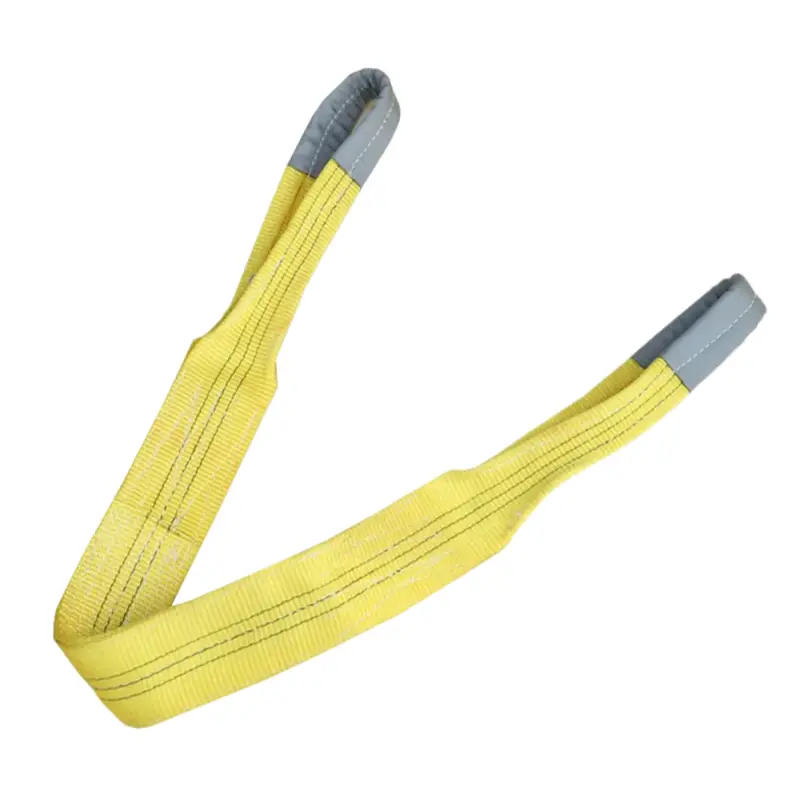
Eye and Eye Web Slings
Eye and eye web slings come with loops on both ends for secure lifting. You can choose flat or twisted eyes to fit choker, basket, or vertical hitches, making them a practical option for everyday rigging work.
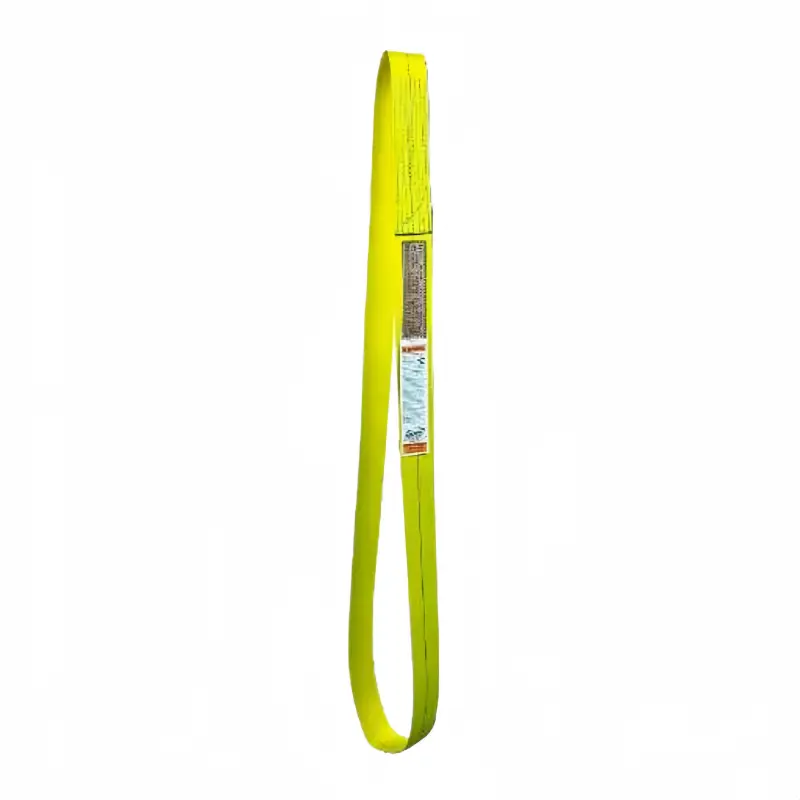
Endless web slings use a continuous loop design that lets you rotate contact points and extend sling life. They handle choker, vertical, and basket hitches, making them a practical choice for everyday lifting and rigging work.
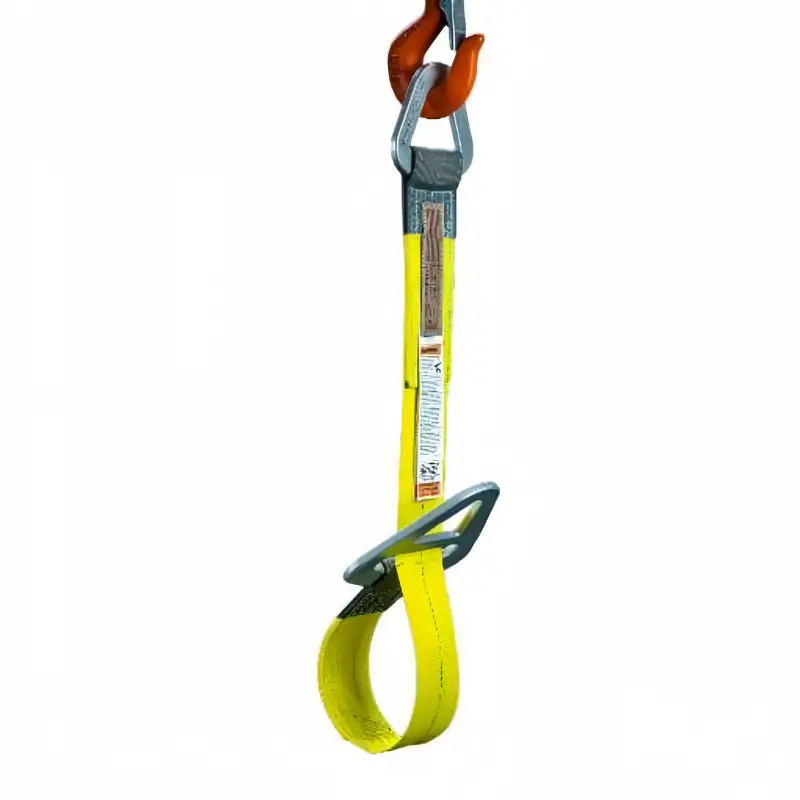
Choker Web Sling
Choker web slings wrap and tighten around the load to hold it firmly during lifting. They work well for choker, vertical, and basket hitches, especially when handling pipes, bundles, or uneven loads.

Reversed Eye Slings
Reversed Eye slings are heavy-duty nylon lifting straps with Cordura® wear pads for enhanced abrasion resistance. Designed with eyes at a 90° angle, they provide superior choke hitch performance and durability, making them ideal for demanding lifting jobs.

Wide Body Cargo Sling
Wide body cargo slings provide an expansive surface area for even load distribution, ensuring enhanced stability and load protection during lifts. Available in various lengths and widths, these slings are perfect for safely handling large or irregularly shaped loads.
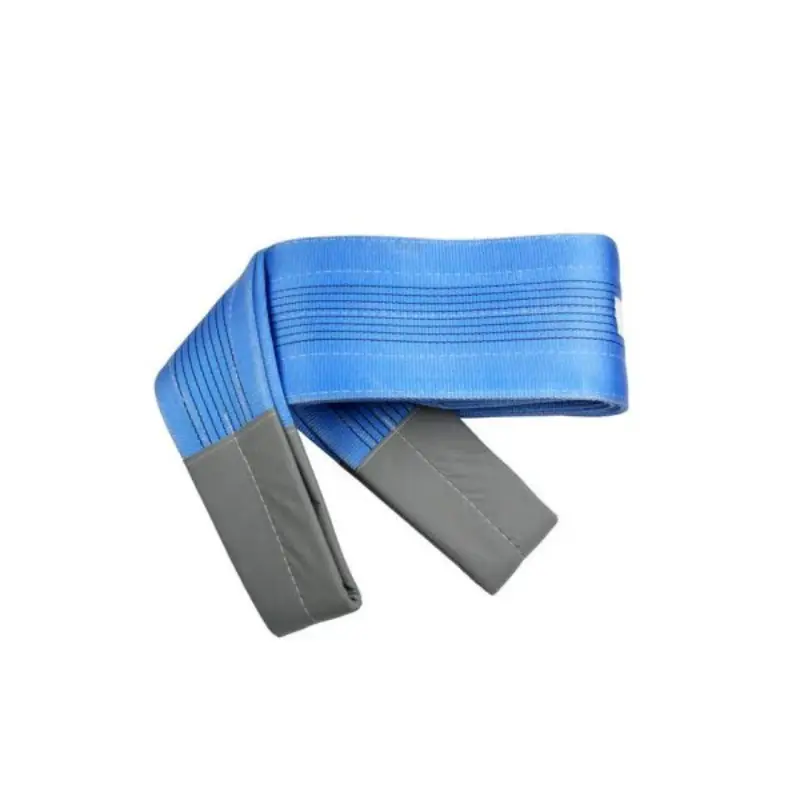
Duplex Webbing Sling
Duplex webbing slings feature a durable two-layer design for higher strength and wear resistance. Made from polyester, they’re lightweight, chemical-resistant, and ideal for lifting delicate loads while protecting surfaces from damage.
NEED HELP WITH YOUR WEBBING SLING ORDER?
Let us help! Reach out today and get recommendations on materials and sizing from our experts.


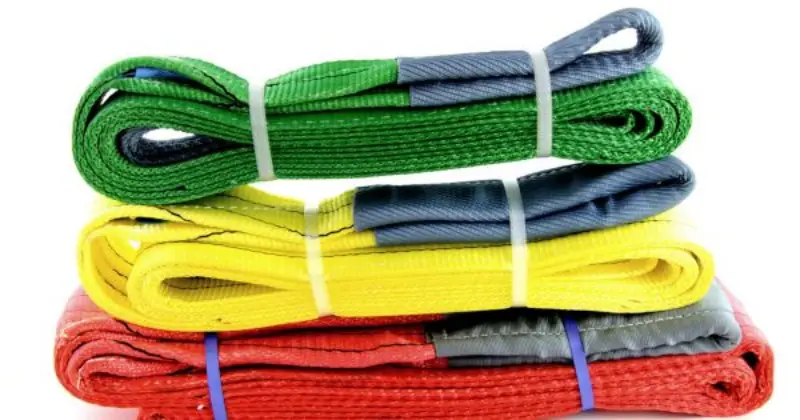
Guide to Synthetic Web Sling
Our guide to web slings helps you understand web sling types, applications, and selection tips so you can choose safe, reliable lifting connections.
What is a Web Sling?
Web slings are essential lifting tools made of woven synthetic fibers, designed to distribute the load evenly across the surface during lifts. Lightweight, flexible, and durable, these slings are perfect for handling a variety of loads. Whether lifting heavy machinery, building materials, or delicate items, web slings ensure a secure, efficient lift while minimizing the risk of damage to the load.
Web Sling Types
Web slings come in various types, each suited for specific lifting needs:
Flat Web Slings: Versatile and commonly used for general-purpose lifting.
Round Slings: These slings are made from a continuous loop of webbing, offering high strength and flexibility for lifting delicate or heavy loads.
Endless Slings: These slings have no fixed end and can be adjusted for different lifting configurations.
Single and Double Ply Slings: Depending on the thickness, double-ply slings are more durable and stronger, perfect for heavier loads.
Web Sling Material
Web slings are commonly made of polyester, nylon, or polypropylene. Polyester is the most widely used material due to its high strength, durability, and resistance to UV rays and chemical exposure. Nylon slings are slightly more flexible and have higher stretch, making them suitable for lifting heavy loads with reduced risk of load shifting. Polypropylene is lightweight and used for lighter lifting applications.
Parts of Web Slings
A web sling consists of several parts:
The Webbing: The main body of the sling, typically woven from synthetic fibers.
The Eyes: Loops or ends of the webbing, which attach to lifting hooks or hoists.
Reinforcement Material (Optional): Some slings are reinforced with additional layers or coatings to enhance durability, particularly at the eyes.
The Tagging/Labels: Each sling has a tag with safety information, such as load capacity, material, and manufacturer details.
What Are Web Slings Used For?
Web slings are versatile and used for lifting a variety of items in industries like construction, manufacturing, and transportation. You’ll use them to lift:
Heavy machinery
Building materials
Irregularly shaped loads
Pallets and containers
Delicate items like glass or fragile goods, as web slings provide an even distribution of load, reducing the risk of damage.
Synthetic Web Sling Inspection
To inspect a synthetic web sling, check for:
Visible Damage: Look for cuts, tears, or abrasions in the webbing.
Seam Integrity: Ensure that seams are intact and not worn or frayed.
Tag Information: Verify the sling’s load capacity and inspect for faded or missing tags.
UV Degradation: Look for signs of UV damage, especially if the sling has been exposed to sunlight for extended periods.
Regularly inspect your slings before and after use to maintain safety standards.
The Typical Safety Factor for Web Slings Is?
Web slings typically have a safety factor of 5:1. This means that the sling should withstand five times its rated capacity without failure. For instance, if a web sling is rated for 1,000 kg, it should handle up to 5,000 kg under normal conditions. Always ensure the rated capacity is not exceeded to maintain safety during lifting operations.
How Long Should a Webbing Sling Be in Service For?
Web slings can last between 3 to 5 years if used and maintained correctly. However, their lifespan depends on factors such as frequency of use, exposure to harsh conditions (like UV rays, chemicals, or extreme temperatures), and how well they are stored. Regular inspections help determine when it’s time for replacement. Slings that show visible damage should be replaced immediately.
How to Use a Web Sling?
Inspect the Sling: Check for any visible damage or defects.
Proper Attachment: Attach the sling’s eyes or loops to the hoist, ensuring they are secure.
Ensure Even Load Distribution: Position the sling so the load is evenly distributed across the surface.
Lift Carefully: Slowly lift the load and monitor it for stability. Avoid jerking or swinging the load.
Is web slinging possible with all types of loads?
Web slings are versatile but may not be suitable for all loads. They work best with loads that have smooth surfaces or require even weight distribution. For sharp-edged or irregularly shaped loads, you’ll need to use protective gear like edge protectors to prevent the sling from cutting. Always assess the load before using a web sling and ensure that the sling is appropriate for the job.
Round Sling vs Web Sling: Which is Better?
Both slings serve different purposes:
Web Slings are flat and perfect for distributing weight across a wide area. They are ideal for lifting large, flat loads.
Round Slings are made of a continuous loop of webbing, offering more flexibility and strength for smaller or irregularly shaped loads. They are also less likely to suffer from damage in tight spaces.
The choice depends on the load type, lifting configuration, and desired flexibility.
Safety of Web Slings
Web slings are generally safe if used correctly and maintained well. Their design helps to evenly distribute the load, reducing the risk of damage to both the load and the sling. Always use the sling within its rated capacity, check it for wear, and avoid exposing it to extreme conditions like chemicals or excessive sunlight. Following these steps ensures the safety and longevity of your web sling.
How Do You Determine the Capacity of a Web Sling?
The capacity of a web sling is determined by several factors:
Material Strength: Polyester has a higher strength-to-weight ratio than polypropylene.
Width and Ply: Thicker or wider slings generally have higher capacities.
Lifting Angle: The angle at which the sling is used affects its load-bearing capacity. As the lifting angle increases, the capacity decreases.
Check the sling’s tag for its rated capacity and ensure you follow guidelines for safe lifting.
Web Sling Inspection Checklist
When inspecting a web sling, follow this checklist:
Look for cuts, tears, or abrasions in the webbing.
Examine the eyes or loops for signs of wear or fraying.
Ensure the tag is legible and provides the correct information.
Check for UV or chemical damage, especially for slings exposed to harsh conditions.
Ensure there are no sharp bends, knots, or damages that could compromise the sling’s strength.
Webbing Sling Color Code
Webbing slings are color-coded to indicate their load capacity. Each color corresponds to a specific weight limit, making it easy to identify the right sling for the job:
Blue: 1,000 kg (2,200 lbs)
Green: 2,000 kg (4,400 lbs)
Yellow: 3,000 kg (6,600 lbs)
Red: 5,000 kg (11,000 lbs)
Always double-check the color code to ensure the sling can handle the weight of your load.
Webbing Sling Protection
Protecting webbing slings involves using:
Edge Guards: Prevent sharp edges from cutting into the sling.
Sling Covers: Use protective covers when lifting rough or abrasive loads.
Proper Storage: Store slings in a cool, dry place away from direct sunlight and chemicals.
Avoid Overloading: Never exceed the rated capacity of the sling.
Protecting your slings ensures they last longer and maintain their lifting capacity.
Have More Questions of Web Slings?
Have more questions about web slings? We’re here to help! Get expert answers on types, materials, safety tips, inspection, and proper usage to ensure safe and efficient lifting. Contact us for personalized guidance and support.