
Lifting Point
Lifting points are essential for safely connecting loads to lifting gear, ensuring secure handling during lifting, turning, and moving. Powerful Machinery offers over 700 tested lifting point variants, including eyebolts, swivel, ball-bearing, and load-swivel options. Our products are known for their durability, safety, and versatility across all lifting applications.
Whether you’re using chain slings or textile slings, our lifting points provide reliable performance. Contact Powerful Machinery today for a quote on high-quality hardware accessories!

Our lifting points are crafted from top-grade materials, ensuring long-lasting performance and reliability, even in the most demanding environments.
We offer various thread sizes and load capacities, providing the flexibility to meet your specific lifting requirements with precision.
Safety is our priority. Our lifting points are rigorously tested for strength and stability, delivering secure, dependable performance for all lifting tasks.
We provide customized lifting points designed to fit your unique requirements, ensuring the perfect fit for any project, no matter the complexity.
Powerful Machinery - Your Relaible Lifting Point Manufacturer
We supply work provide dependable lifting points for industry leaders.





LIFTING POINTS
Our lifting points support lifting and loading handling operations across diverse applications. Our selection includes:

Bolt-on Lifting Point
Bolt-on lifting points are durable, removable anchors that screw into loads, providing a secure connection for shackles, hooks, or slings. They allow 360-degree rotation and pivoting for safer, angled lifts.
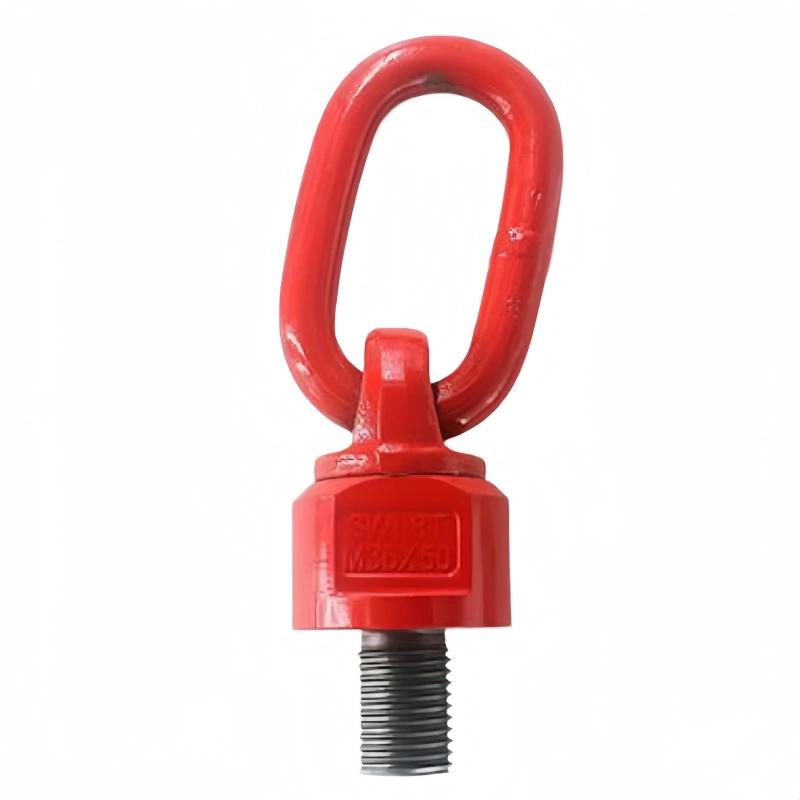
A swivel lifting point is a strong, adjustable attachment that bolts or welds onto loads, allowing 360° rotation and 180° pivoting. It ensures safe, angled lifts and is more versatile than standard eye bolts.
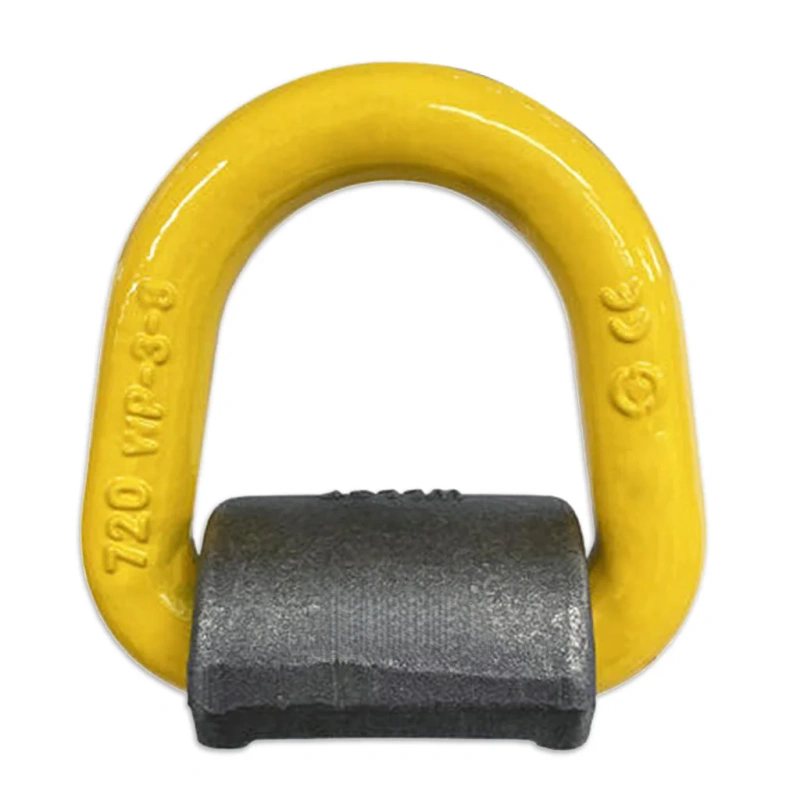
Weld on Lifting Points
Weld-on lifting points are permanent, high-strength steel attachments welded to machinery or beams, offering secure anchors for lifting or lashing heavy loads, from 1.12 to over 50 tonnes.
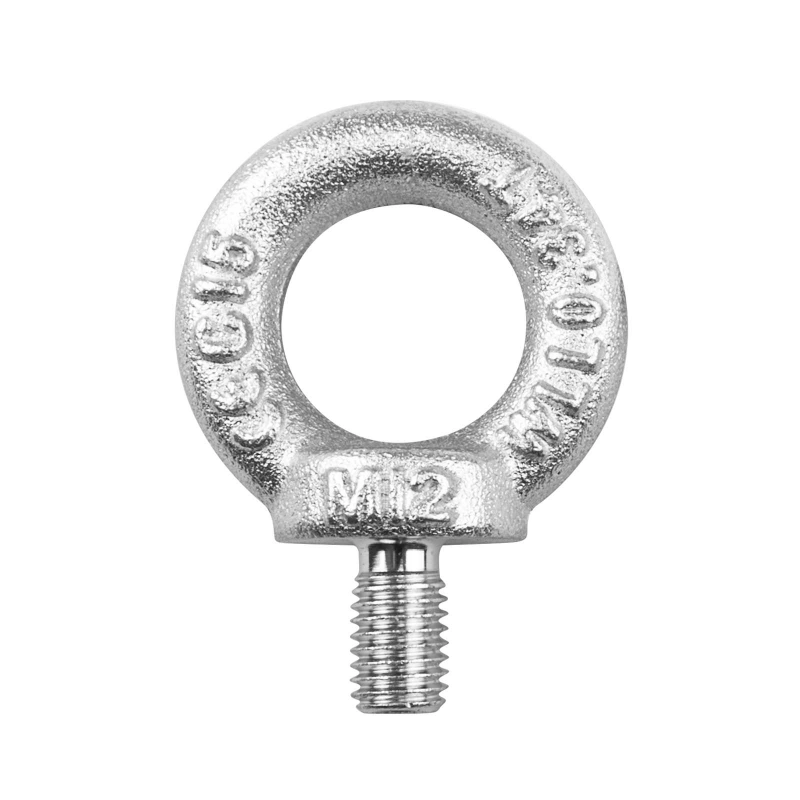
Eye bolts are durable, threaded fasteners with a circular loop, designed to securely attach lifting equipment like slings or hooks to loads for safe lifting.
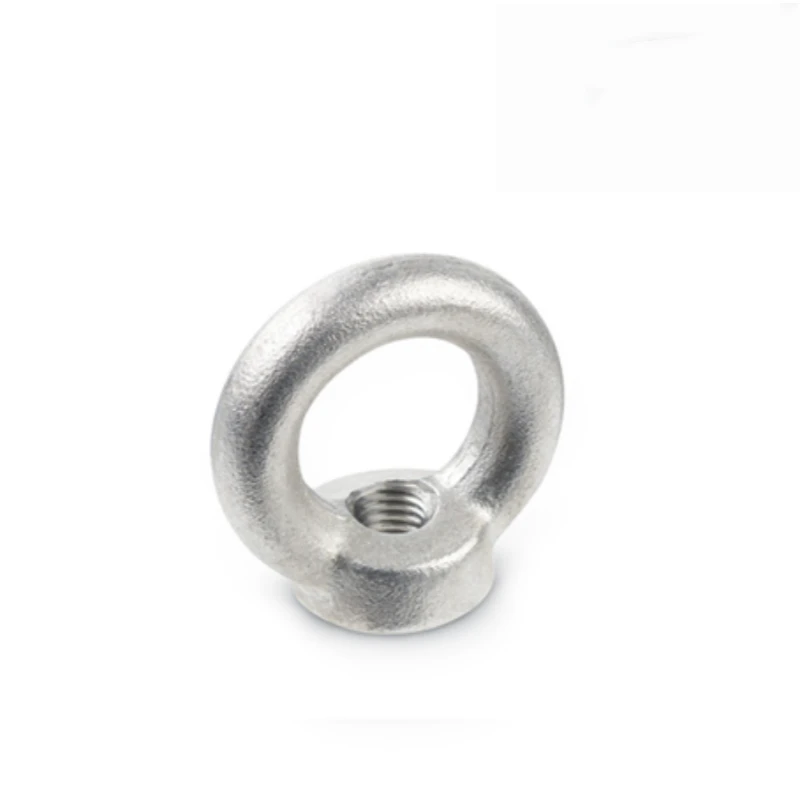
Eye nuts are threaded fasteners with a loop, designed to provide a secure attachment point for lifting equipment, ensuring safe lifting and load security.
NEED HELP WITH YOUR LIFTING POINTS ORDER?
Let us help! Reach out today and get recommendations on materials and sizing from our experts.


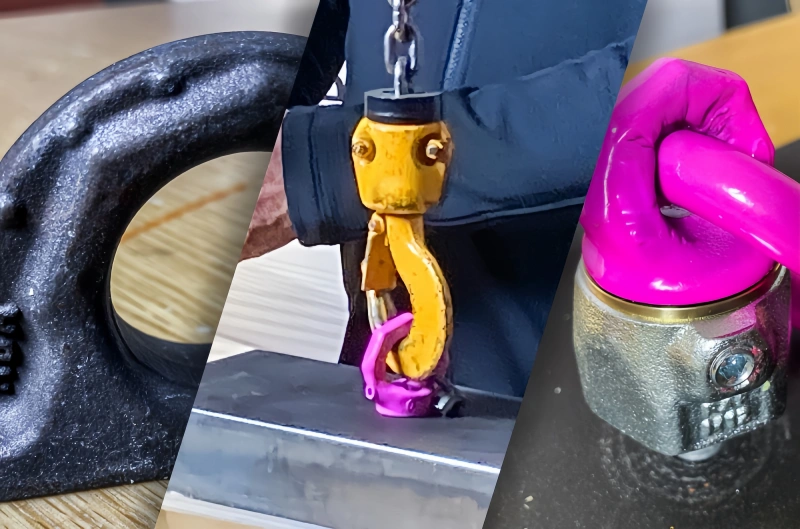
Guide to Lifting Point
Our guide to lifting points helps you understand lifting point types, applications, and selection tips so you can choose safe, reliable lifting and loading handling solutions.
What Factors Should Be Considered When Designing Lifting Points?
When designing lifting points, focus on the load type, lifting method, and environmental factors. Ensure the design allows for easy attachment with shackles, hooks, or slings.
Consider features like 360-degree rotation or pivoting for safer angled lifts. The material should be durable, with high-strength steel or alloys ideal for heavy-duty use. The design must meet safety regulations and be suited for the weight and shape of the load, ensuring maximum stability and strength.
Lifting Point Requirements
Choosing the correct lifting point is essential for safe and efficient lifting. Here’s a quick guide to help you evaluate the key factors when selecting a lifting point:
Evaluate Load Weight and Shape
Ensure the lifting point can handle the weight and shape of the load.Consider Lifting Conditions
Account for dynamic forces that may occur during lifting to ensure stability.Select the Attachment Method
Choose between bolt-on, weld-on, or adjustable lifting points based on your needs.Ensure Durability
Check for resistance to environmental factors such as moisture, chemicals, and extreme temperatures.Comply with Safety Standards
Verify that the lifting point meets safety regulations to prevent accidents and ensure secure lifting.
Selecting Lifting Points Guide
Choosing the right lifting point is crucial for safety and efficiency. Follow these steps to ensure you select the best lifting point for your application:
Consider Load Type and Weight
Ensure the lifting point is compatible with the load’s weight and shape for safe lifting.Choose the Right Attachment Method
Decide whether you need a bolt-on or weld-on lifting point based on your application.Look for Necessary Features
Consider if features like rotation or pivoting are needed to improve maneuverability.Evaluate Material and Coating
Select materials that provide durability, especially for harsh environments or extreme conditions.Verify Safety Compliance
Make sure the lifting point meets safety standards to guarantee reliable and secure performance.
Lifting Point Calculation
Calculating the load capacity of lifting points is essential for safe and effective lifting. Follow these steps to ensure you select the appropriate lifting point:
Determine the Load Weight
Accurately calculate the weight of the load being lifted, including any additional weight from slings or attachments.Account for Dynamic Forces
Factor in any dynamic forces that may occur during lifting, such as sudden movements or shifts in weight.Consider Material and Design
Choose lifting points made from high-strength steel or alloys, which can support heavier loads and offer better durability.Evaluate the Attachment Type
Weld-on lifting points typically support more weight than bolt-on points, so choose based on your lifting requirements.Add a Safety Margin
Always add a safety margin (typically 5-10%) to the calculated load to account for unforeseen stresses or variations during lifting.
Lifting Point Certification
Certifying lifting points ensures they meet safety standards and perform reliably under heavy loads. Here’s the certification process:
Undergo Rigorous Testing
Lifting points are tested to verify their strength, stability, and performance under load.Load Testing for Strength and Stability
The lifting point is subjected to load testing to ensure it can handle the specified weight without failure.Evaluate Design and Materials
The materials and design of the lifting point are reviewed to ensure they can withstand the expected stresses.Receive Certification
After passing tests, the lifting point is officially certified, confirming compliance with safety standards.Ensure Reliable Performance
Certification guarantees that the lifting point will perform safely, reducing the risk of accidents or failure during operation.
How Do You Ensure the Durability of Lifting Points?
We prioritize durability to ensure our lifting points perform reliably over time. Here’s how we achieve this:
Use High-Strength Materials
We use high-quality materials like alloy steel and stainless steel, known for their resistance to wear and corrosion.Rigorous Quality Control
Each lifting point undergoes strict quality control and is tested under extreme conditions to ensure it meets performance standards.Protective Coatings
We apply protective coatings to prevent rust and corrosion, especially for lifting points exposed to moisture or chemicals.Stress-Reducing Design Features
Our design includes features that minimize stress and wear, ensuring longer-lasting performance.
How Can I Improve the Safety of Lifting Points?
Ensuring the safety of your lifting operations starts with choosing the right lifting points. Follow these key steps to improve safety:
Choose Certified Lifting Points
Select lifting points that meet high industry standards and certifications to guarantee reliability and safety.Match Capacity to Load Weight
Ensure the lifting point’s capacity is suitable for the load weight, preventing overloading and enhancing safety.Select the Right Features
Look for features like 360-degree rotation or pivoting to improve control and prevent load slippage during lifts.Perform Regular Inspections
Conduct regular inspections to identify wear, damage, or degradation, ensuring the lifting point remains safe and effective.Maintain Lifting Points
Regular maintenance helps identify potential issues early, prolonging the lifespan of the lifting point and ensuring safe operation.
What Are the Benefits of Rotating vs Swivel Lifting Points?
When selecting a lifting point, it’s important to understand the difference between rotating and swivel lifting points. Here’s how they compare:
360-Degree Rotation with Rotating Points
Rotating lifting points allow full 360-degree rotation, making them perfect for simple, straightforward load rotations.Pivoting Functionality with Swivel Points
Swivel lifting points offer both rotation and pivoting, providing better control and flexibility during lifts.Ideal for Heavy or Awkward Loads
Swivel points are especially useful when lifting heavy or awkward loads, offering more precise control during the lift.Better Flexibility in Tight Spaces
Swivel lifting points provide greater flexibility in confined spaces or when precise load positioning is required.Versatility in Multiple Lifting Angles
For lifts that require multiple angles or directions, swivel lifting points offer superior versatility compared to rotating points.
What Maintenance is Needed for Lifting Points to Ensure Safety?
Regular maintenance is key to ensuring the safety and longevity of your lifting points. Follow these essential steps to keep your lifting points in top condition:
Inspect for Visible Signs of Wear
Regularly check for cracks, wear, or deformation on the lifting point to prevent failures during lifting.Examine Threads and Attachment Areas
Look for damage on threads and attachment areas. Ensure bolts are tightened to the proper torque to maintain a secure connection.Inspect Welds on Weld-On Points
For weld-on lifting points, inspect the welds for signs of stress or cracking, which can weaken the attachment.Keep Lifting Points Clean
Clean lifting points to remove dirt, rust, or debris that could affect their performance and lead to corrosion.Lubricate Moving Parts
Regularly lubricate any moving parts to reduce friction and prevent wear that could compromise safety.Store Away from Harsh Elements
Ensure proper storage of lifting points, keeping them away from extreme weather conditions or chemicals that could cause damage.
Have More Questions of Lifting Point?
Got more questions about lifting points? We’re here to help! Whether you’re choosing the right lifting point or need advice on maintenance, reach out for expert guidance to ensure safe and reliable lifting operations.