You play a vital role in maintaining the safety of web slings during every lift. Workplace incidents remain a serious concern, with over 2.6 million nonfatal injuries reported in 2023 and 27% of load drops traced back to poor rigging.
The safety of web slings stands at the heart of preventing such costly and dangerous events. To strengthen your approach, focus on these five essential practices:
Identify the proper sling type.
Choose a sling with the correct rating.
Conduct regular inspections.
Store slings properly.
Ensure all personnel receive thorough training.
The safety of web slings depends on your attention to detail and commitment to best practices. Powerful Machinery supports you with certified products and expertise, so you can keep the safety of web slings at the forefront of every operation. Prioritize the safety of web slings to protect your team and workplace.
Key Takeaways
Choose the right web sling based on load type and environment to ensure safety during lifts.
Conduct thorough inspections before each use to identify any damage or wear on slings.
Store slings properly in a clean, dry area to prevent damage from moisture and UV exposure.
Provide regular training for all personnel on sling safety and inspection procedures.
Remove any damaged slings from service immediately to prevent accidents and ensure workplace safety.
Choose the Right Web Sling for Safety
Assess Load and Application
You must start by understanding the load you plan to lift. Consider these key factors:
Determine the weight, size, and shape of the load.
Identify the center of gravity to ensure balanced lifting.
Check for sharp edges or delicate surfaces that require extra protection.
Evaluate the environment—temperature, moisture, and exposure to chemicals can affect sling performance.
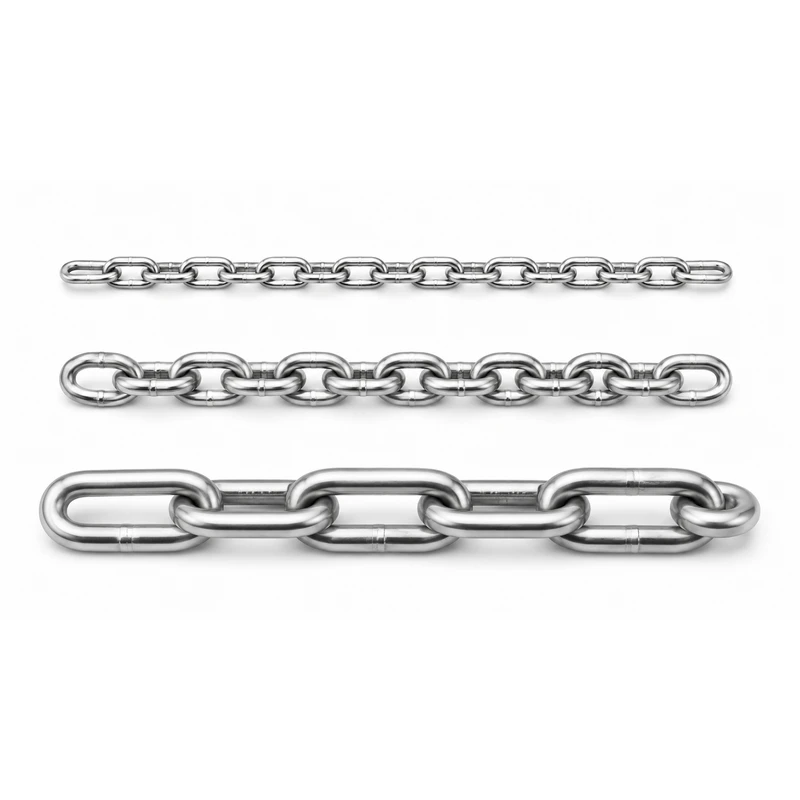
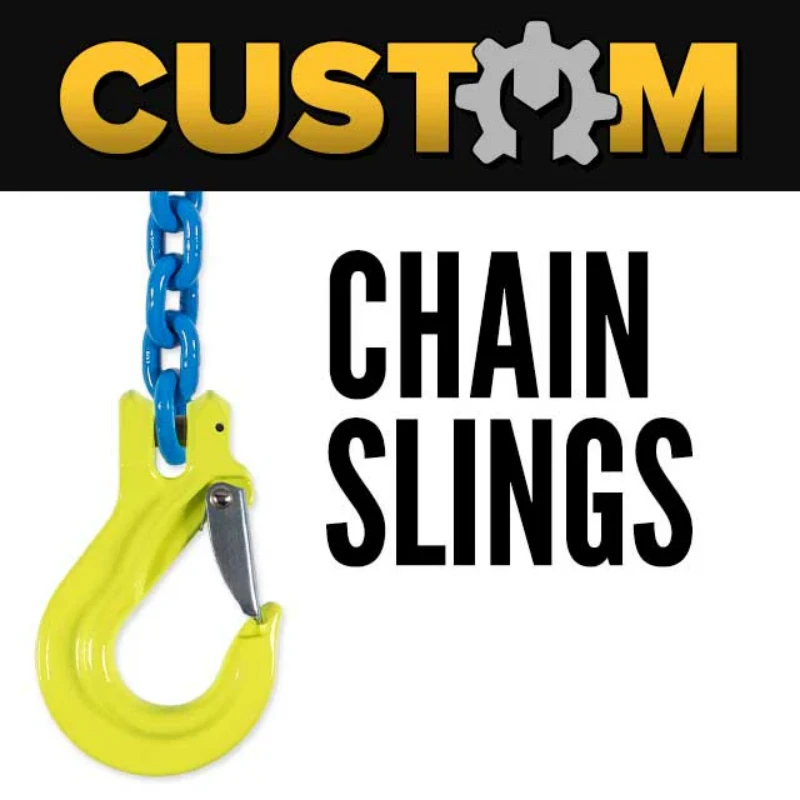
The right web sling matches the load’s weight and shape. For example, synthetic web slings work well for delicate or finished surfaces, while chain slings suit irregular or unbalanced loads. Always match the sling’s flexibility and design to your lifting needs.
Tip: Never ignore pre-use inspections. Look for cuts, fraying, or other damage before every lift.
Understand Sling Ratings and Materials
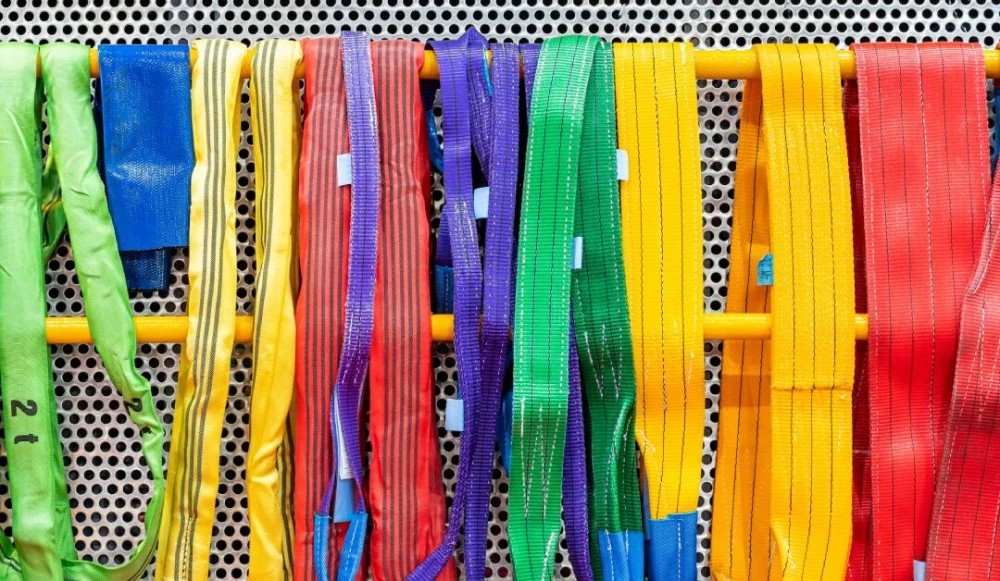
You need to check the Working Load Limit (WLL) on every sling. This label tells you the maximum safe load. Overloading a sling can cause failure and serious accidents. Color-coding helps you quickly identify the sling’s capacity—blue for 1,000 kg, green for 2,000 kg, yellow for 3,000 kg, and red for 5,000 kg.
Feature | Nylon Web Slings | Polyester Web Slings |
|---|---|---|
Stretch Under Load | 8-10% (cushions delicate items) | ~3% (better load control) |
Environmental Resistance | Avoid acids, UV, and high heat | Resistant to acids, UV, and moisture |
Best Use | Indoor, dry, cushioned lifting | Outdoor, chemical, and wet environments |
Select polyester for outdoor or chemical exposure. Choose nylon for indoor lifts where stretch helps protect fragile items.
Powerful Machinery’s Certified Options
You can trust Powerful Machinery’s web slings for safety and reliability. Each sling meets or exceeds international standards, including EN 1492-1, ASME B30.9, and ISO 4878. The company also holds ISO 9001 and CE certifications, reflecting a strong commitment to quality.
Every sling features clear labeling, color-coding, and detailed safety instructions. You benefit from products that undergo rigorous testing and inspection. With Powerful Machinery, you gain peace of mind knowing your lifting equipment is built for demanding industrial environments.
Web Sling Inspection and Maintenance
Pre-Use Visual Checks
You must perform pre-use inspections every time you handle a web sling. This process helps you spot damage before it leads to failure. Follow these steps for a thorough check:
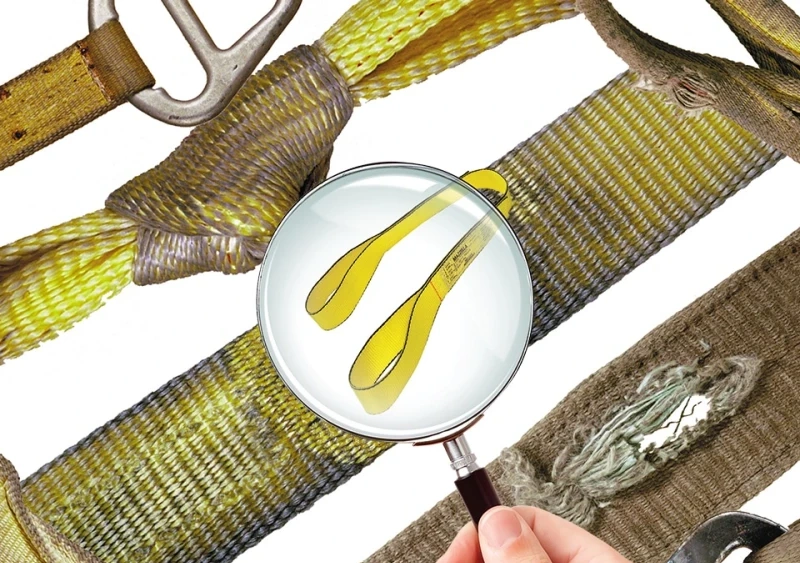
Examine the entire sling for tears, cuts, frayed edges, or chemical damage. Pay close attention to high-stress areas and attachment points.
Confirm the sling’s tag is present, readable, and matches your lifting requirements. Powerful Machinery’s slings feature clear labeling for easy verification.
Inspect hooks, latches, and hardware for cracks, deformation, or corrosion. Test moving parts to ensure smooth operation.
Lay the sling flat to check for knots, twists, or tangles that could affect load distribution.
Look for signs of UV or environmental damage, such as fading, brittleness, or discoloration.
Routine pre-use inspections help you catch problems early, reducing the risk of accidents and extending the life of your equipment.
Periodic Inspection Schedule
You should inspect web slings before each use and at the start of every shift. OSHA and ASME guidelines require a competent person to check all slings and attachments daily. During use, monitor stitching, seams, hardware, and the sling’s surface for any changes.
Frequent inspections are especially important if you use slings in harsh conditions or for multiple lifts each day. Consistent checks keep your lifting operations safe and compliant.
Identifying Damage and When to Replace
You need to know when to remove a sling from service. The table below lists common signs that indicate replacement is necessary:
Condition for Removal | Description |
|---|---|
Missing or illegible tag | Required markings for safety |
Holes, tears, cuts, or snags | Visible damage affecting integrity |
Broken or worn stitching | Compromised load-bearing capacity |
Acid or caustic burns | Chemical damage indication |
Melting or charring | Damage from heat exposure |
Knots in any part of the sling | Structural integrity concern |
Excessive abrasive wear | Significant wear affecting strength |
Discoloration and stiffness | Possible chemical or UV damage |
Excessively pitted fittings | Hardware damage affecting safety |
You should document every inspection. Record the date, inspector’s name, findings, and any maintenance actions. Store these records in a central location for audits. If you remove a sling from service, note the reason. Good documentation supports compliance and helps you track the condition of your lifting equipment.
The consequences of a sling failure can be severe, including property damage, injuries, or worse. Routine inspections and proper maintenance protect your team and your workplace.
Safe Web Sling Use Techniques
Proper Attachment and Lifting
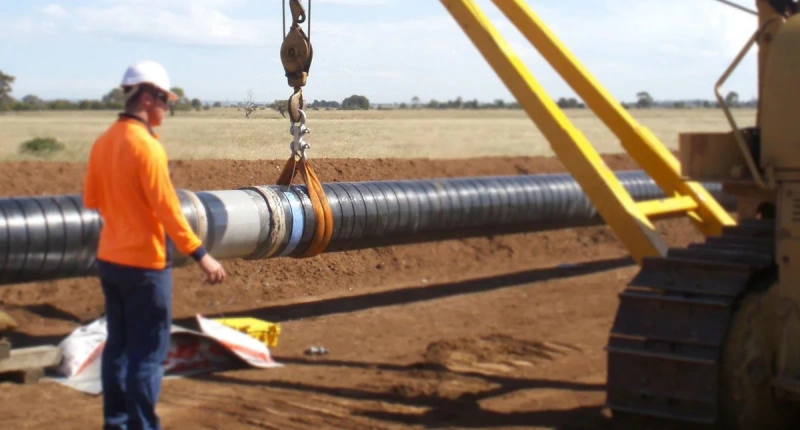
You must always follow proper safety steps when attaching web slings to loads. Start by checking the safety label for material type, weight-bearing limit, sling angle, length, and inspection standard. Select the correct hitch type—vertical, choker, or basket—based on the load’s stability and your lifting needs.
Powerful Machinery’s web slings support all major hitch types, giving you flexibility for different jobs.
Follow these steps for safe web sling use:
Inspect the sling and label before every lift.
Choose the right hitch for the load.
Use shackles or hooks with safety latches for secure attachment.
Distribute the load evenly across all lifting points.
Balance and secure the load before lifting.
Never stand under a suspended load. Always follow the manufacturer’s guidelines to keep your team safe.
Avoiding Sharp Edges and Overloading
Sharp edges can cut or weaken your sling. Always use sling protection like edge protectors or padding sleeves to shield the sling from corners and rough surfaces. Overloading is a leading cause of sling failure.
Exceeding the working load limit or ignoring sling angle multipliers can result in accidents, lost productivity, and costly repairs. You can prevent these risks by selecting the right sling, inspecting it regularly, and using it within its rated capacity.
Tip: Use sling protection at every contact point with sharp or abrasive surfaces to extend sling life and improve safety.
Using Protective Accessories
Sling protection accessories play a key role in maintaining the integrity of your lifting equipment. Edge protectors, corner pads, and wear sleeves help prevent damage from friction and sharp edges.
Powerful Machinery offers a range of protective solutions designed to fit their web slings, ensuring you get the best fit and performance. By using these accessories, you reduce wear and tear, lower replacement costs, and maintain proper safety standards on every lift.
Remember, investing in sling protection is a simple way to boost safety and extend the service life of your equipment.
Storage for Safety of Web Slings
Ideal Storage Conditions
You must store web slings properly to maintain their strength and reliability. Choose a dry, clean area for storage. This prevents moisture from causing mold or weakening the fibers. Keep slings off the ground by hanging them on racks or coiling them neatly. This avoids kinks, tangles, and contact with dirt or chemicals.
Always protect slings from direct sunlight. UV rays can degrade synthetic materials and shorten the lifespan of your equipment. Select a cool, dark place that does not experience extreme temperatures. Powerful Machinery recommends storing slings in a designated area away from sharp edges or abrasive surfaces.
This practice helps you avoid accidental cuts or snags.
Tip: Regularly check your storage area for leaks, spills, or other hazards that could damage your slings.
Preventing Environmental Damage
Environmental hazards can quickly reduce the life of your web slings. Sunlight, chemicals, and moisture are the main threats. Prolonged UV exposure causes fading, brittleness, and loss of strength. Chemicals can react with synthetic fibers, leading to discoloration or even melting.
Moisture promotes mold and can cause corrosion in wire rope slings. You should always inspect slings for signs of fading, stiffness, or discoloration before use.
Hazard | Effect on Web Slings | Prevention Method |
|---|---|---|
UV Exposure | Fading, brittleness, loss of strength | Store in dark, cool locations |
Chemicals | Discoloration, melting, weakness | Keep away from chemical storage |
Moisture | Mold, corrosion, fiber breakdown | Use dry, well-ventilated areas |
Following these steps ensures your slings remain safe and ready for use.
Organizing and Labeling Slings
Proper organization and labeling make your lifting operations more efficient and safe. Assign each sling a unique identification number or barcode. This helps you track inspections, repairs, and usage history. Store slings by type, length, and capacity on labeled racks or hooks.
Use clear tags that show the manufacturer, material, rated load, and sling angle. Powerful Machinery provides slings with durable labels and color-coding for easy identification. You can also use QR codes or RFID tags for advanced tracking in larger facilities.
Organized storage reduces the risk of using the wrong sling and helps you maintain compliance with safety standards.
Training and Safety Awareness
Regular Staff Training
You must make ongoing training a top priority in your workplace. OSHA and other regulatory bodies require that all workers receive proper instruction on web sling inspection and safe handling. This training covers pre-use, frequent, and periodic checks, helping you spot hazards before they cause harm.
You should retrain your team every five years or sooner if you notice gaps in knowledge or changes in equipment.
Interval for Retraining | Description |
|---|---|
Every five years | Retrain rigging users on safety procedures. |
Powerful Machinery supports your efforts by providing resources and guides for best practices. These materials help you avoid common mistakes, such as skipping inspections or using damaged slings. When you invest in regular training, you build a safer and more skilled workforce.
Promoting a Safety Culture
You create a strong safety culture by encouraging everyone to follow safe lifting practices every day. Start by inspecting each sling before use and cleaning it after each job. Document all inspections and repairs to keep track of sling condition. Train your team to handle, inspect, and store slings correctly.
Use a sling management system to organize records and schedule maintenance.
Encourage workers to speak up about safety concerns.
Follow OSHA guidelines and avoid common mistakes like shock-loading or improper storage.
Hold regular safety talks to keep hazards top-of-mind.
A workplace that values safety reduces accidents and builds trust among team members.
Reporting and Continuous Improvement
You should make it easy for workers to report hazards or unsafe conditions. Open communication helps you address risks quickly and improve your safety program. Regular safety meetings reinforce important protocols and give everyone a chance to share feedback.
Documenting these meetings helps you meet compliance requirements and shows your commitment to safety.
Key Benefit | Description |
|---|---|
Prevent Complacency | Regular talks disrupt routine and keep safety a priority. |
Safety Awareness Reinforcement | Quick refreshers on hazards and safe practices support formal training. |
Promote Safety Culture | Management shows commitment, building shared values. |
Improve Communication | Workers can raise concerns and report hazards openly. |
Address Immediate Risks | Quickly share site-specific issues or recent incidents. |
Meet Compliance | Documentation supports legal and regulatory requirements. |
Reduce Incidents | Reinforces safe behaviors and lowers accident rates. |
Powerful Machinery offers inspection checklists, safety instructions, and expert advice to help you maintain high standards. By focusing on training and continuous improvement, you protect your team and ensure safe lifting operations.
Conclusion
You can keep your lifting operations safe by following these five essential tips:
Select slings for the right job and environment.
Clean and inspect slings before and after use.
Remove damaged slings from service.
Store slings properly to prevent damage.
Train your team regularly.
Benefit | How It Protects You |
|---|---|
High Safety Factor | Handles loads well above rating, lowering accident risk. |
Standards Compliance | Meets OSHA and ISO rules, keeping your workplace safe. |
Best Practice Identification | Color-coding and clear labels help you choose the right sling. |
Stay vigilant and invest in certified solutions from Powerful Machinery for reliable, safe lifting every time.
FAQ
How do you identify the correct web sling for your lifting task?
Check the color-coding and label for the Working Load Limit (WLL). Match the sling’s material and design to your load and environment. You can always refer to Powerful Machinery’s product guides for quick selection.
What should you do if you find damage on a web sling?
Remove the sling from service immediately. Do not attempt repairs. Report the issue to your supervisor and document the damage. Safety always comes first.
How often should you inspect your web slings?
Inspect before every use and at the start of each shift. Schedule periodic inspections based on usage frequency and environmental conditions. Frequent checks help you prevent accidents.
Can you use web slings outdoors?
Yes, you can use polyester web slings outdoors. They resist UV rays and moisture. Always store slings in a dry, shaded area after use to extend their lifespan.
Where can you find more information about Powerful Machinery’s web slings?
Visit Powerful Machinery’s official website for detailed specifications, safety guides, and product support. You can also contact their team for expert advice.