
Hoist Chains
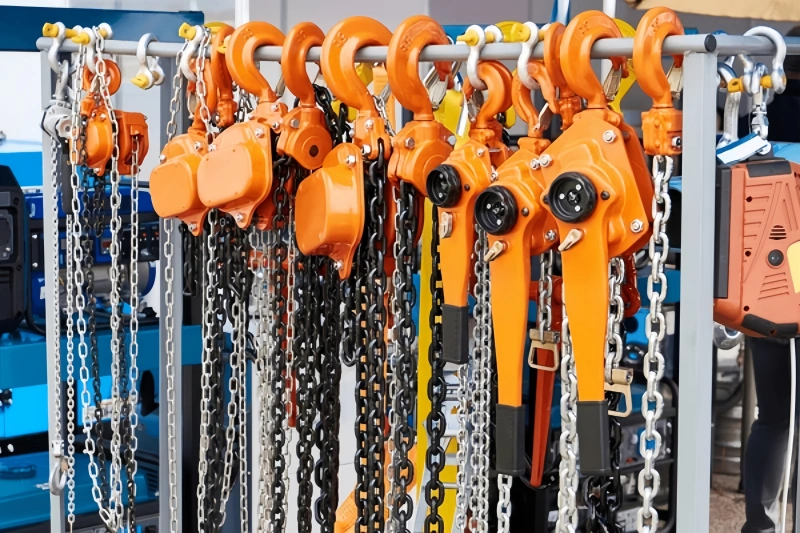
Hoist chains from Powerful Machinery deliver real lifting strength with precise control. We produce hoist chains from 3mm to 32mm using hardened steel, accurate sizing, and wear-resistant coatings for tough conditions. Each batch keeps stable performance and smooth operation in use. Request a chains quote from Powerful Machinery today.

Our hoist chains built to DIN EN and JIS standards ensure reliable compliance, consistent quality, and dependable lifting performance.
Wear-resistant hoist chains deliver longer service life, reduce downtime, and lower replacement and maintenance costs.
Precision-sized hoist chains provide smooth operation, accurate fit, and stable performance in manual and electric hoists.
Custom hoist chain production matches exact specs, ensuring system compatibility, flexible supply, and full manufacturing control.
Powerful Machinery - Your Relaible Hoisting Chain Manufacturer
We supply work provide dependable hoisting chains for industry leaders.






CHAIN FOR HOIST
Our hoisting chains support lifting and rigging operations across diverse applications. Our selection includes:

Grade 80 hoist chain uses heat-treated alloy steel to deliver strong lifting performance, high durability, and reliable safety for hoists, cranes, and rigging use.
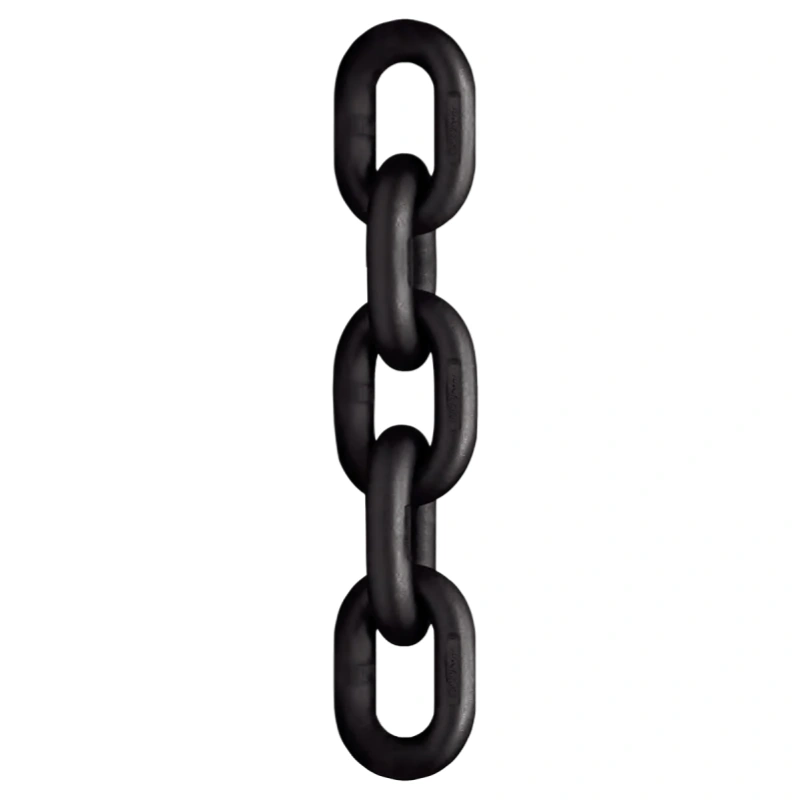
Grade 100 hoist chain delivers higher strength and wear resistance with heat-treated alloy steel, providing about 25% more load capacity than Grade 80 while allowing lighter, more efficient lifting.
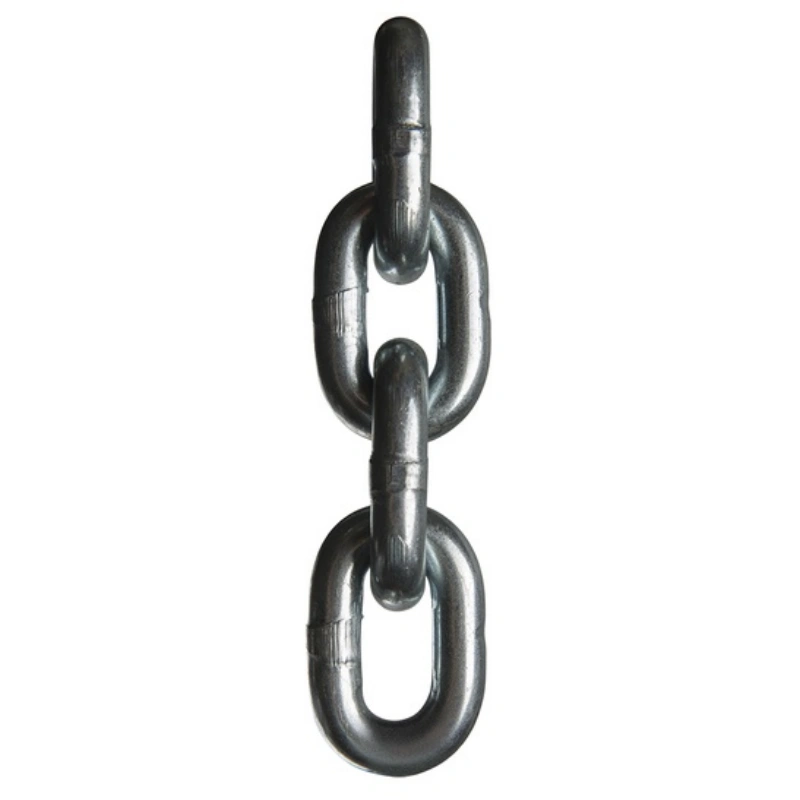
En818-7 Hoist Chain
EN818-7 hoist chain uses high-strength Grade 80 alloy steel with precise dimensions to ensure smooth sprocket engagement and reliable, safe performance in manual and electric hoists.
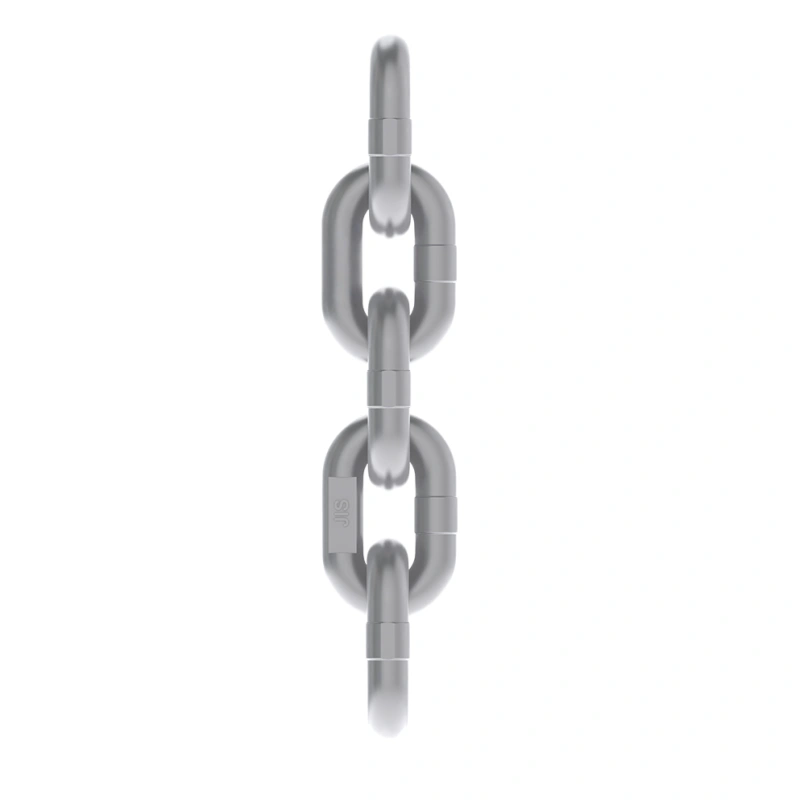
JIS 8812 Hoist Chain
JIS 8812 hoist chain features heat-treated high-strength alloy steel with precise calibration and high surface hardness, delivering smooth running, strong wear resistance, and reliable hoist performance.

Stainless Steel Chain
Stainless steel hoist chain uses 304 or 316 stainless steel for strong lifting and excellent corrosion resistance, ensuring clean, reliable performance in marine, food, and hygienic environments.

Hoist Load Chain
Hoist load chain uses high-strength, heat-treated steel with precise calibration to ensure smooth wheel engagement, strong wear resistance, and reliable lifting performance in manual and electric hoists.

Hand Hoist Chain
Hand hoist chain is used in manual hoists to control lifting motion, ensuring smooth, reliable operation, and it does not carry the load.
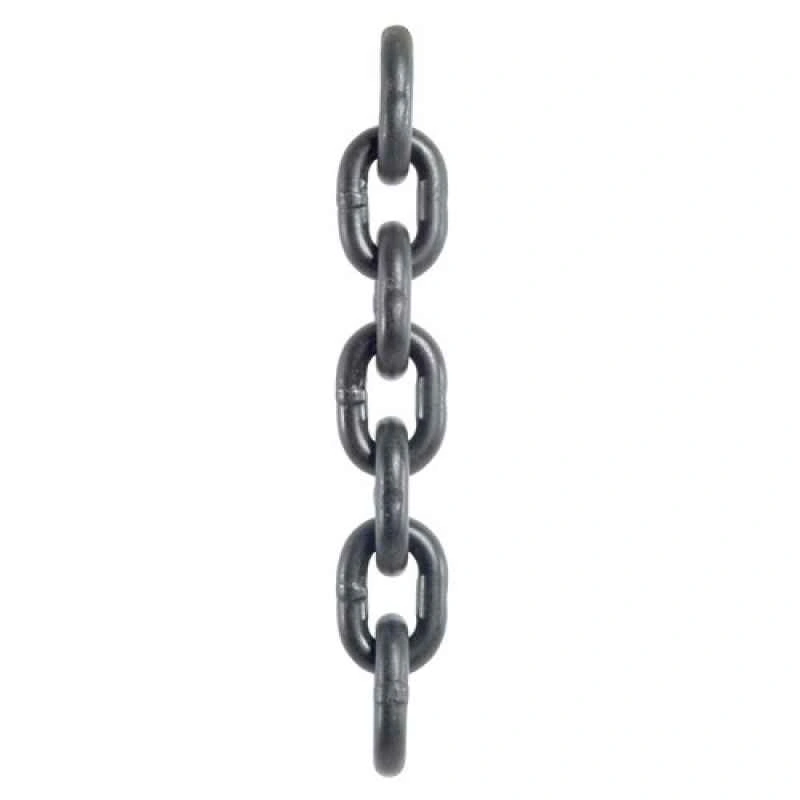
Calibrated Hoist Chain
Calibrated hoist chain features precise link dimensions for accurate sprocket fit, ensuring smooth running, reduced wear, and stable lifting performance in manual and electric hoists.
NEED HELP WITH YOUR HOISTING CHAIN ORDER?
Let us help! Reach out today and get recommendations on materials and sizing from our experts.


Guide to Hoisting Chains
Our Guide to hoist chains helps you understand hoist chain types, applications, and selection tips so you can choose safe, reliable lifting and rigging connections.
What Are the Types of Chains in Hoist Systems?
A clear understanding of hoist chains types helps you select the right solution for safe and efficient lifting performance.
- Load chains
Handle the lifting force and carry the load. High-strength alloy steel and precise calibration ensure safety and durability. - Hand chains
Control lifting motion in manual hoists. Do not carry load but ensure smooth and reliable operation. - Electric hoist chains
Require tighter tolerances for accurate sprocket engagement. Deliver stable performance under frequent lifting cycles. - Correct selection matters
Proper chain choice ensures smooth operation, improved safety, and longer service life in lifting systems.
How Does the Hoist Chains Market Look Today?
Understanding the hoist chains market helps you position products and stay competitive in global supply.
- Strong global demand
Hoist chains see steady growth across construction, energy, and heavy industry sectors. - Focus on quality and durability
Buyers prioritize certified standards, long service life, and reliable performance. - Market structure
European brands lead premium segments, while large-scale manufacturers offer cost and production flexibility. - Key competitive factors
Consistent quality control, fast delivery, and strong customization drive market advantage.
When Should a Hoist Chain Be Replaced?
Replacement becomes necessary when wear, elongation, cracks, or corrosion exceed safe limits. Chain pitch increase, diameter reduction, or visible damage signals risk. Early replacement prevents failure during lifting. Matching original specifications ensures proper fit, smooth operation, and continued safety in hoist systems.
How to Dead End a Hoist Chain Correctly?
Proper dead ending of a hoist chain ensures safe installation and stable lifting performance.
- Secure fixing
Attach the chain to the hoist body using approved fixing methods. - Correct alignment
Maintain proper positioning to prevent uneven load distribution and slipping. - Avoid twisting
Keep the chain straight during installation to ensure smooth operation. - Light-load testing
Test under light load first to confirm correct engagement before full use.
How to Choose the Right Hoist Chain Size?
Choosing the right hoist chain size ensures safe lifting, proper fit, and long service life.
- Load capacity matters
Select chain size based on required lifting capacity. - Match hoist design
Chain diameter and pitch must fit the hoist wheel for accurate engagement. - Consider working conditions
Lifting frequency and environment affect chain selection. - Avoid incorrect sizing
Poor fit causes faster wear, unstable operation, and safety risks.
How Many Grades of Hoist Chains Are There?
How to Inspect Hoist Chains?
Regular inspection of hoist chains is critical for safe and efficient lifting operations. Here’s how to properly inspect them:
- Check for wear and elongation
Measure the chain length to detect any stretch, which can affect the fit and load-bearing capacity. - Inspect for cracks and corrosion
Examine links for visible cracks, pits, or rust that could compromise the chain’s strength. - Measure chain diameter and pitch
Use calipers to check for any reduction in diameter or changes in pitch, which can lead to malfunction. - Inspect the surface condition
Ensure the surface is smooth and free from damage like gouges or excessive wear. - Test lubrication
Verify that the chain is properly lubricated to reduce friction and prevent premature wear. - Check for twisting or kinking
Inspect the chain for any twisting or kinks that can cause uneven wear or operation. - Look for stretch or deformation in the links
Examine individual links for elongation or bending, which can cause operational failure. - Confirm compatibility with hoist sprockets
Ensure the chain engages smoothly with the hoist wheels or sprockets without jumping or binding.
How to Maintain Hoist Chains for Longer Service Life?
Proper maintenance of hoist chains ensures their longevity and optimal performance. Here’s how to maintain them effectively:
- Keep chains clean
Regularly clean hoist chains to remove dirt, dust, and debris that can cause wear or corrosion. - Lubricate regularly
Apply the right type of lubricant to reduce friction and wear, helping maintain smooth movement. - Avoid overloading
Never exceed the rated load capacity of the hoist chain to prevent strain and damage. - Store chains properly
Store chains in a dry, clean environment to prevent rust or corrosion from moisture exposure. - Check for signs of wear
Regularly inspect the chain for elongation, cracks, or deformation and replace worn chains promptly. - Protect from harsh environments
Use protective covers or coatings when operating in corrosive or harsh environments to extend the chain’s lifespan. - Perform regular inspections
Schedule routine checks to identify potential issues early, ensuring quick repairs or replacements as needed. - Avoid shock loading
Prevent sudden, heavy loads that can cause excessive strain on the chain, leading to premature failure.
What Are Hoist Chains Used For?
Hoist chains support lifting, lowering, and positioning of heavy loads in industrial environments. Common applications include cranes, manual hoists, electric hoists, and rigging systems. High strength and durability allow reliable performance under repeated load cycles.
Have More Questions of Hoist Chains?
Have questions about hoist chains? Whether it’s selecting the right chain, maintenance tips, or replacement advice, we’ve got you covered. Reach out today for expert guidance to ensure safety and maximize the lifespan of your hoist chains!