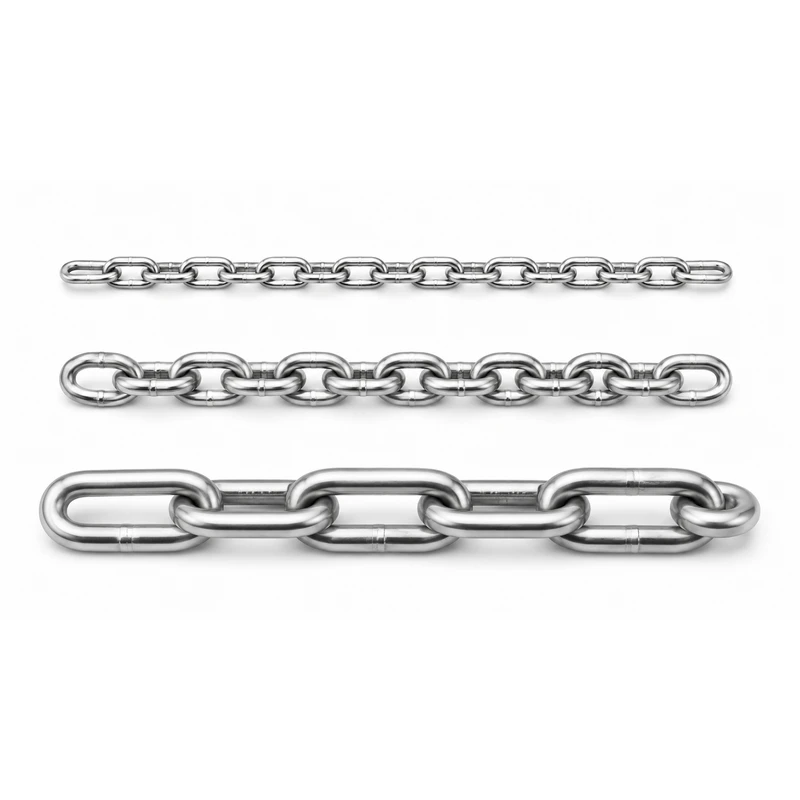
If you wonder about the best choice for vehicle recovery, the answer often depends on safety and the job at hand. When you compare a tow chain vs a tow strap, you need to think about how each tool acts under stress.
Tow chains offer reliable strength for heavy-duty jobs, while tow straps feel lighter and easier to handle. Safety matters most. You should know tow straps with hooks can turn into dangerous projectiles if they fail under load.
Using tow straps for recovery can lead to injuries if they snap or slip off. Always pick the right tool for your situation and check your gear before use.
Key Takeaways
Choose tow chains for heavy-duty jobs. They offer strength and durability for tough conditions.
Use tow straps for lighter vehicles on smooth roads. They are easier to handle and store.
Recovery straps are best for freeing stuck vehicles. Their stretch helps absorb shock during pulls.
Always inspect your towing gear before use. Check for damage to ensure safety and reliability.
Store your equipment properly. Keep tow chains dry and hang them, while storing tow straps away from sunlight.
Tow Chain vs Tow Strap: Main Differences
When you look at a tow chain vs a tow strap, you see two tools built for different jobs. Each one has its own strengths, and knowing these differences helps you pick the right tool for your next recovery or towing task.
Strength and Durability
You want something strong and reliable when you need to move a heavy vehicle. Tow chains and tow straps both offer impressive strength, but they do it in different ways. Tow chains from Powerful Machinery use high-strength steel and heat-treated links.
These chains come in different grades, like G70 and G80, and have verified load ratings. You can trust them for tough jobs.
Here’s a quick look at how tow chains vs tow straps compare in strength:
Type/Grade | Width/Grade | Breaking Strength / Working Load Limit | Description |
|---|---|---|---|
Tow Strap | 50mm | 5 tons | Good for lighter vehicles |
Tow Strap | 75mm | 10 tons | Handles bigger loads |
Chain Grade 70 | – | 4,700 pounds (about 2.1 tons) | Excellent for recovery |
Chain Grade 80 | – | Higher than Grade 70 | Best for demanding scenarios |
Tow chains last longer in harsh conditions. They resist wear from sharp edges, dirt, and rough surfaces. You can use them over and over again if you take care of them. Tow straps, made from polyester or nylon, can wear out faster if you drag them over rocks or metal.
Tip: If you work in construction, marine, or cargo handling, a tow chain from Powerful Machinery gives you the durability you need for daily use.
Flexibility and Stretch
Flexibility and stretch matter when you choose between a tow chain vs a tow strap. Tow chains stay rigid and do not stretch. This gives you a solid, direct pull. Tow straps, on the other hand, have a little bit of give.
Most tow straps stretch about 7%. Recovery ropes can stretch even more—up to 30%—which helps absorb shock during a sudden pull.
Here’s how they compare:
Tow chains: No stretch, very rigid, great for steady towing.
Tow straps: Minimal stretch (about 7%), good for gentle pulls.
Recovery ropes: High stretch (up to 30%), best for dynamic recoveries.
If you need to pull a stuck vehicle out of mud or snow, a recovery strap or rope works better because the stretch helps pop the vehicle free. For steady towing on the road, a tow chain or tow strap does the job.
Best Use Cases
You might wonder when to use a tow chain vs a tow strap. The answer depends on your situation.
Tool | Ideal Use Case | Why Choose It? |
|---|---|---|
Tow Chain | Heavy-duty towing, rough conditions, daily use | Handles sharp edges, dirt, and repeated use |
Tow Strap | Towing free-rolling vehicles on smooth roads | Lightweight, easy to handle, minimal stretch |
Recovery Strap | Off-road recovery, freeing stuck vehicles | High stretch, absorbs shock, great for dynamic pulls |
Tow chains shine in tough environments. You can use them for metal-to-metal connections, like attaching to hooks or anchor points. They work well when you need a strong, hardware-based link.
Tow straps are perfect for moving cars that roll freely, like a stalled car on the highway. Recovery straps help when you need to yank a vehicle out of mud or snow.
Tow chains from Powerful Machinery give you peace of mind in extreme conditions. They last longer, resist damage, and offer flexible hardware options like grab hooks and master links.
Tow straps and recovery straps are lighter and easier to store, but they need more care to avoid cuts and fraying.
When you compare a tow chain vs a tow strap, think about your vehicle, the environment, and how often you need to tow. The right choice keeps you safe and gets the job done.
What Are Tow Chains?
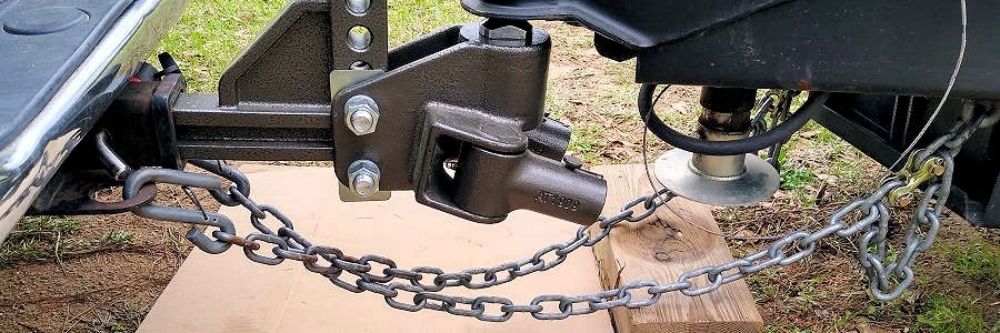
Tow Chains Overview
When you think about tough towing jobs, tow chains stand out as a reliable choice. Most tow chains use high-strength steel with heat-treated links. This design gives them the power to handle heavy loads and tough conditions.
The material matters a lot. Chains made from carbon steel or special alloy steel can take on demanding tasks without breaking down. Here’s a quick look at common types:
Chain Type | Material | Features and Applications |
|---|---|---|
Proof Coil (G30) | Low-carbon steel | Good for general use, not for heavy towing. |
High-Test (G43) | Medium carbon steel | Stronger, used for heavy pulling and safety chains. |
Alloy Steel (G70) | Heat-treated high-carbon steel | High abrasion resistance, great for transport. |
Alloy Steel (G80/G100) | Special alloy steel | Excellent strength, works well in cold and tough environments. |
Powerful Machinery leads the way in producing tow chains that meet strict international standards. You get products that are tested, certified, and built to last.
Tow Chain Applications
You can use two chains in many situations. They work well for towing, recovery, transport, and tie-down jobs. Here are some common uses:
Towing heavy vehicles like trucks, buses, and construction equipment
Recovering stuck vehicles from mud, snow, or rough terrain
Securing loads on trailers or flatbeds
Handling cargo in marine and industrial settings
Most recovery jobs use Grade 70 or Grade 80 tow chains. Grade 70 chains handle about 4,700 pounds for a 3/8-inch size, which covers most needs. Grade 80 chains give you even more strength for the toughest jobs.
Advantages of Tow Chains
Tow chains offer several big advantages, especially when you face heavy-duty recovery. Their strong steel links resist sharp edges and rough surfaces. You don’t have to worry about them snapping in rocky or muddy places. The rigid structure gives you better control when you need to move a vehicle at an odd angle.
Powerful Machinery makes sure every tow chain meets high standards. You get verified load ratings, a stable supply, and options to customize your chains for special jobs. Quality checks happen at every step, so you can trust your gear every time you use it.
Tip: Choose two chains from a trusted brand like Powerful Machinery for jobs that demand strength, safety, and reliability.
Tow Straps and Recovery Straps Explained
Tow Straps vs Recovery Straps
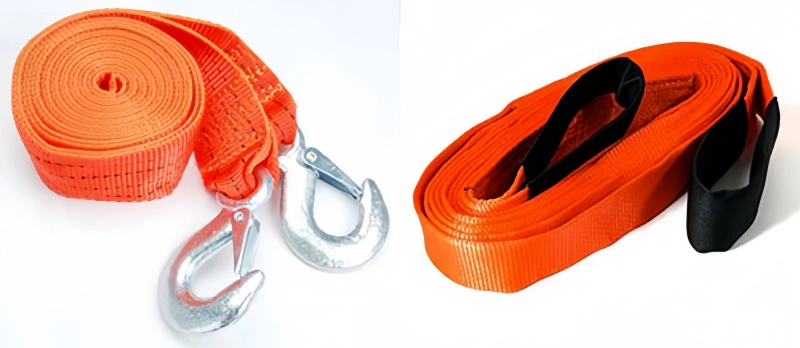
You might think tow straps and recovery straps do the same job, but they actually work in different ways. Tow straps usually come with metal hooks on each end and use less-stretchy polyester. Recovery straps have loops instead of hooks and use stretchy nylon. This difference changes how you use them and how safe they are.
Here’s a quick table to help you see the main differences:
Feature | Tow Straps | Recovery Straps |
|---|---|---|
Material | Polyester (low stretch) | Nylon (high stretch) |
Function | Towing moving vehicles | Recovering stuck vehicles |
Design | Metal hooks | Loops |
Safety | Can break under stress | Safer for recovery |
Usage | Not for recovery | Best for pulling free |
Tow straps work best when you need to tow a car that rolls easily. Recovery straps shine when you need to pull a vehicle out of mud, sand, or snow.
When to Use Tow Straps?
You should grab tow straps when you want to tow a vehicle like an RV, trailer, or car that isn’t stuck. Tow straps don’t stretch much, so you get a steady pull. They’re great for general towing jobs on smooth roads.
Recovery straps step in when you face a stuck vehicle. Their stretchy nylon helps you build up force and pop the vehicle free. You’ll use recovery straps for off-road adventures, muddy fields, or snowy driveways.
Tow straps: Best for towing vehicles that move freely.
Recovery straps: Perfect for pulling vehicles out of tough spots.
Tip: Always check your tow straps and recovery straps for damage before you use them. Frayed straps can snap and cause accidents.
Pros and Cons of Tow Straps
Tow straps bring some clear benefits. They’re lighter than chains and cost less, so you can carry them easily. You don’t need much strength to use tow straps, and they work well for quick towing jobs.
But two straps can snap if they get frayed or overloaded. Chains rarely break, especially when you use them for heavy-duty work. Tow straps don’t handle sharp edges or rough surfaces as well as chains. Recovery straps offer more safety during recovery because they stretch and absorb shock.
👍 Tow straps: Lightweight, affordable, easy to use.
👎 Tow straps: Can break if damaged, not for heavy-duty recovery.
👍 Recovery straps: Safer for pulling stuck vehicles, absorb shock.
👎 Recovery straps: Not ideal for towing on roads.
If you want a simple tool for towing, tow straps fit the bill. If you need to recover a stuck vehicle, recovery straps are your best friend.
Tow Strap vs Tow Chain: Choosing the Right Option
Vehicle Type and Weight
You need to match your towing gear to your vehicle. If you drive a heavy truck or construction equipment, tow chains work best. They handle rough conditions and offer verified load ratings.
For lighter cars or SUVs, tow straps make towing easier. Recovery straps help when you face a stuck vehicle, especially if you need to pull with sudden force. Always check the load capacity. Your towing tool must handle more weight than your vehicle. Here’s what you should keep in mind:
Tow chains suit heavy-duty towing and rough terrain.
Tow straps fit lighter vehicles and smooth roads.
Recovery straps are perfect for pulling a stuck vehicle out of mud or snow.
Road vs Off-Road Recovery
You face different challenges on the road and off-road. On paved roads, tow straps help you tow a free-rolling car. Two chains give you strength for bigger jobs. Off-road recoveries demand the right equipment. Recovery straps stretch and absorb shock, making them ideal for freeing a stuck vehicle.
Tow chains work well in rocky or muddy places, but you must check the connection points. Always inspect your gear before any vehicle recovery. Look for fraying, cuts, or rust. Clear the recovery path and make sure your equipment matches the vehicle’s weight.
Safety and Ease of Use
Safety comes first in towing. You must inspect tow chains for bending or rust and tow straps for sun damage or cuts. Keep communication clear with everyone involved. Designate one person to oversee the recovery. Using the wrong gear can lead to equipment failure or injuries.
Snapping straps cause whiplash effects. Legal issues may arise if you use improper towing equipment. Always check local regulations and confirm chain length limits. Choose the right equipment for your situation. The right choice keeps you safe and makes towing easier.
Tip: Always use gear with verified ratings and follow local rules for towing. Your safety depends on matching the tool to the job.
Tow Chain and Strap Safety
Inspection and Maintenance
You want your towing equipment to last and keep you safe. Regular checks and good care make a big difference. Here’s a quick guide on how often you should inspect your tow chains and tow straps:
Service Condition | Inspection Frequency |
|---|---|
Normal Service | Yearly |
Severe Service | Monthly to Quarterly |
Special Service | As recommended by a pro |
To keep your equipment in top shape, follow these steps:
Inspect for wear, rust, or damage before and after every use.
Clean off dirt and chemicals with mild soap and water.
Dry everything well and store in a cool, dry place.
Hang straps or lay them flat to avoid weak spots.
Lubricate any ratchet mechanisms for smooth use.
Never coil or knot straps, as this can create weak points.
Tip: Always check your equipment before heading out. A quick look can prevent big problems later.
Proper Attachment Points
Choosing the right spot to attach your tow chain or strap keeps everyone safe. Here’s what you should do:
Use two straps with looped ends instead of hooks. Loops lower the risk of flying metal if something slips.
Never attach a strap to a trailer hitch ball. These are not made for the shock of recovery and can break off.
Avoid hooking onto parts under the hood or body, like suspension or hoses. Stick to solid, factory-made recovery points.
If you’re unsure, check your vehicle’s manual for the best attachment points. Using the right spot protects your equipment and your vehicle.
Common Mistakes to Avoid
Even experienced drivers make mistakes with towing equipment. Watch out for these common errors:
Overloading your vehicle or trailer. This strains your engine and brakes.
Using the wrong hitch or not securing the load. This can cause the equipment to detach.
Ignoring your vehicle’s towing capacity. This can lead to damage or accidents.
Most tow straps with hooks don’t have latches. If the hook slips off, it can become a dangerous projectile.
Stay alert and double-check your setup. The right equipment and good habits keep you and others safe on the road.
Caring for Your Equipment
Storing Tow Chains
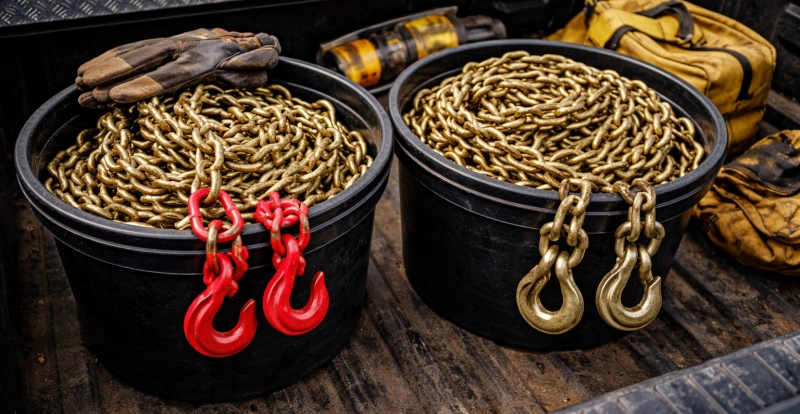
Taking care of your tow chains helps them last longer and keeps you safe on the road. You want to store your chains the right way to prevent rust and damage. Start by cleaning your tow chains after each use.
Dirt and grime can trap moisture, which leads to corrosion. Once clean, apply a light coat of lubricant. This step protects the metal and keeps the links moving smoothly.
Pick a storage spot that has good airflow. Humid, closed spaces can cause condensation and rust. Keep your chains away from chemicals, acids, or bases. These substances can eat away at the metal. If you live in a humid area, consider using epoxy or zinc coatings for extra protection.
In places with changing temperatures, a corrosion-resistant lubricant works well. For those near the ocean, marine-grade materials offer the best durability.
Tip: Hang your chains or lay them flat. This prevents tangling and makes them easy to grab when you need them.
Storing Tow Straps
Tow straps need a little different care. Sunlight can weaken the fibers, so store your straps out of direct sunlight. UV rays break down the material over time. Always make sure your straps are completely dry before putting them away. Moisture can lead to mold or mildew, which weakens the strap and makes it unsafe.
Choose a cool, dry place for storage. Avoid damp basements or garages where water might collect. Keep your straps off the ground and away from sharp objects that could cut or fray them.
Store straps in a bag or container to keep them clean.
Check for dirt or debris before rolling them up.
When to Replace?
You want your towing gear to work every time. Regular checks help you spot problems early. Replace your tow chains if you see deep rust, bent links, or cracks. If a chain looks worn or damaged, don’t risk it—get a new one.
For tow straps, look for fraying, cuts, or faded spots. If the strap feels stiff or brittle, it’s time for a replacement. Never use a strap with broken stitching or visible damage.
Remember: Your safety depends on strong, reliable equipment. When in doubt, swap it out!
Conclusion
Choosing between a tow chain and a tow strap depends on your needs. For most drivers, tow straps work well for light-duty towing and controlled recovery. They stretch a bit, which helps protect your vehicle. You get a safer connection when you use loop ends with d-ring shackles.
Avoid using ratchet straps for towing because their hooks can break or slip. If you want peace of mind, go with certified, high-quality gear from Powerful Machinery. You stay safe and ready for any job.
FAQ
What’s the main difference between a tow chain and a tow strap?
You get strength and durability with tow chains. Tow straps feel lighter and stretch a bit. Chains work best for heavy-duty jobs. Straps suit lighter vehicles and gentle towing.
How do I know which tool to use for my vehicle?
Check your vehicle’s weight and the job. Heavy trucks need tow chains. Cars and SUVs do well with tow straps. If your vehicle is stuck, grab a recovery strap.
Can I use a tow strap for off-road recovery?
You can use a recovery strap for off-road jobs. It stretches and helps pop your vehicle free. Tow straps don’t stretch much, so they work better for towing on smooth roads.
How should I store my tow chains and tow straps?
Clean your chains and hang them in a dry spot. Keep straps out of sunlight and store them in a cool, dry place. Always check for damage before you use them.