
Logging Chains
Logging chains need to work hard every day. At Powerful Machinery, we make logging chains, choker chains, hooks, and fittings in the grades, lengths, and setups your job calls for. Tell us what you need and get a quote from Powerful Machinery.

Our logging chains deliver the load strength and field durability you need for tough forestry and log handling work.
We keep manufacturing quality consistent across every batch, so your logging chains arrive reliable, uniform, and ready for use.
We produce logging chains to your required sizes, hooks, and fittings, so each order matches your equipment and job needs.
We support your supply with stable production, dependable lead times, and flexible order volumes for ongoing demand.
Powerful Machinery - Your Reliable Log Chain Manufacturer
We supply work provide dependable logging chains for industry leaders.






LOGGING CHAIN
Our logging chains support demanding forestry work with the strength, consistency, and custom setups we manufacture for your job needs.
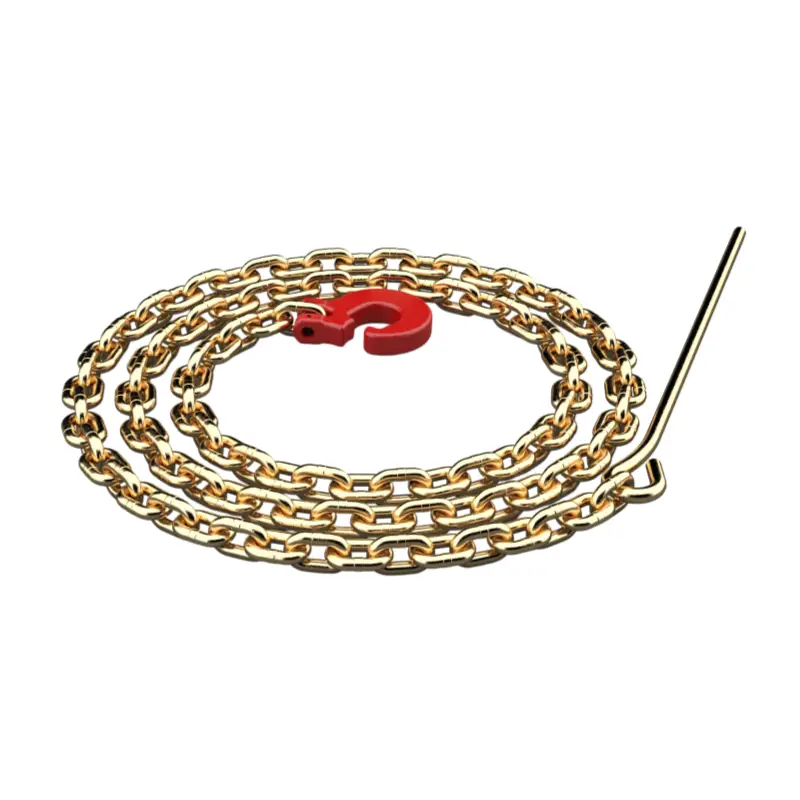
Logging Choker Chain
Our log choker chain wraps logs fast and locks tight for skidding with tractors, winches, or skidders. Strong, easy to handle, and built for tough forestry work.
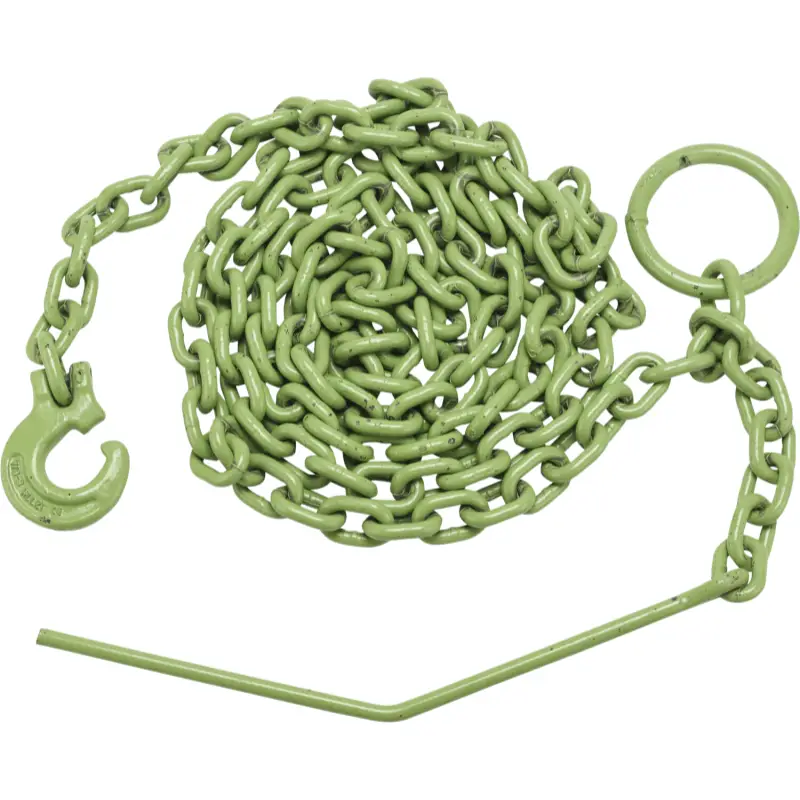
Log Grabber Chain
Our log grabber chain is built for secure log skidding and dragging, with strong links and dependable pulling performance for tough field work.
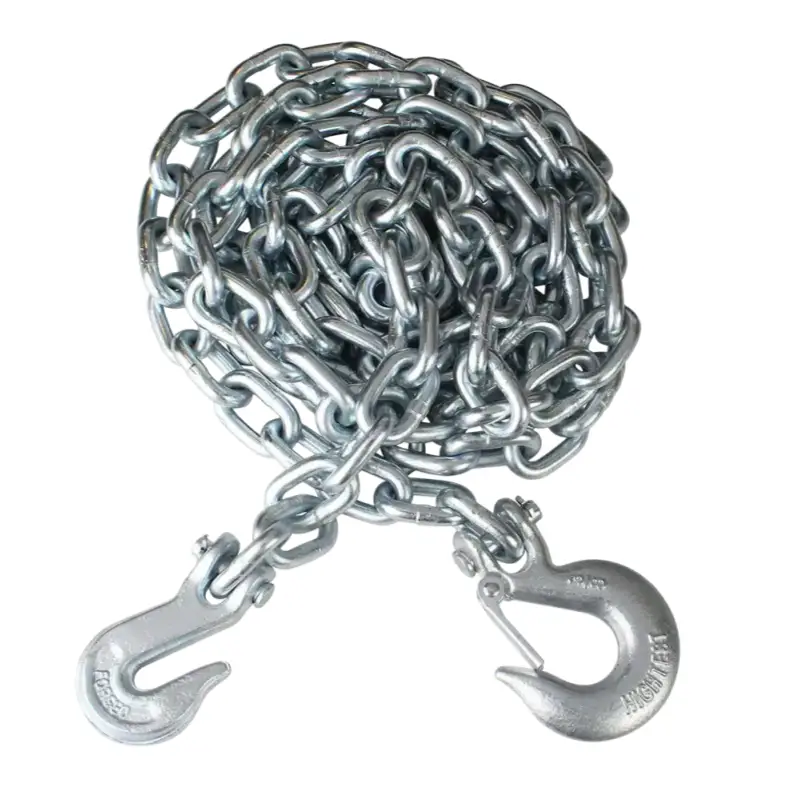
Stainless Steel Log Chain
Our stainless steel log chain delivers rust-resistant performance for pulling, towing, and load securing in wet, corrosive, and outdoor environments.
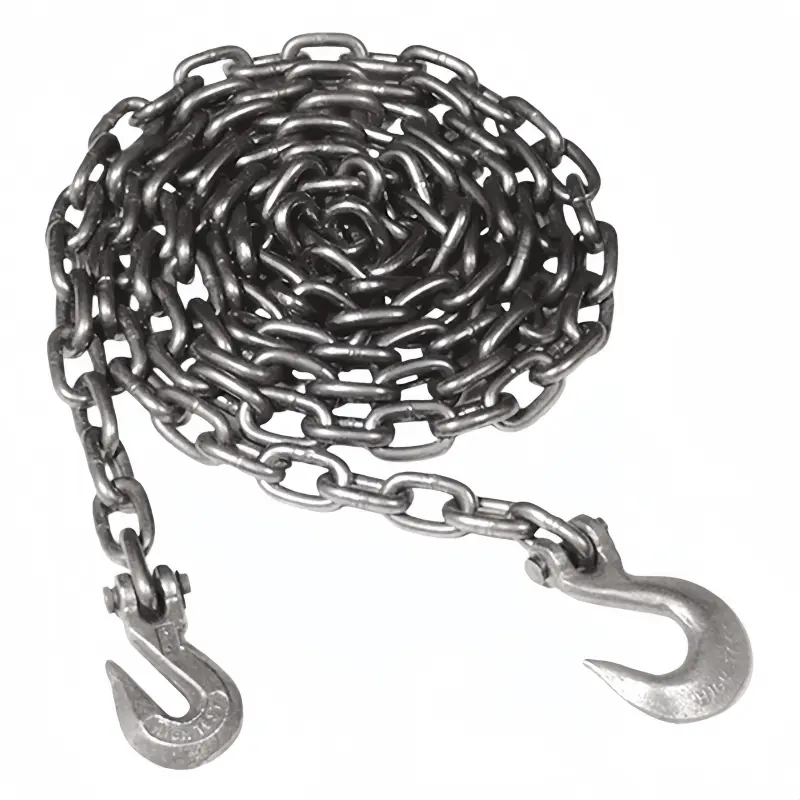
Heavy Duty Log Chain
Our heavy duty logging chain is built for skidding, pulling, and securing logs, with dependable strength and wear resistance for demanding forestry work.
LOG CHAIN ACCESSORIES
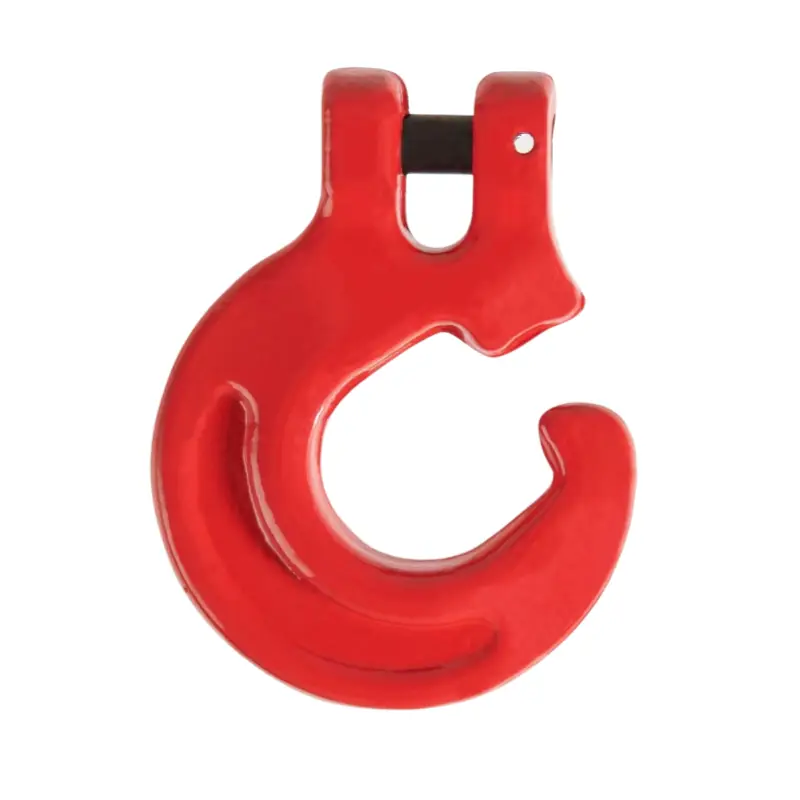
Log Chain Hooks
Our log chain hooks deliver secure attachment and dependable performance for log pulling, skidding, and handling in tough forestry work.
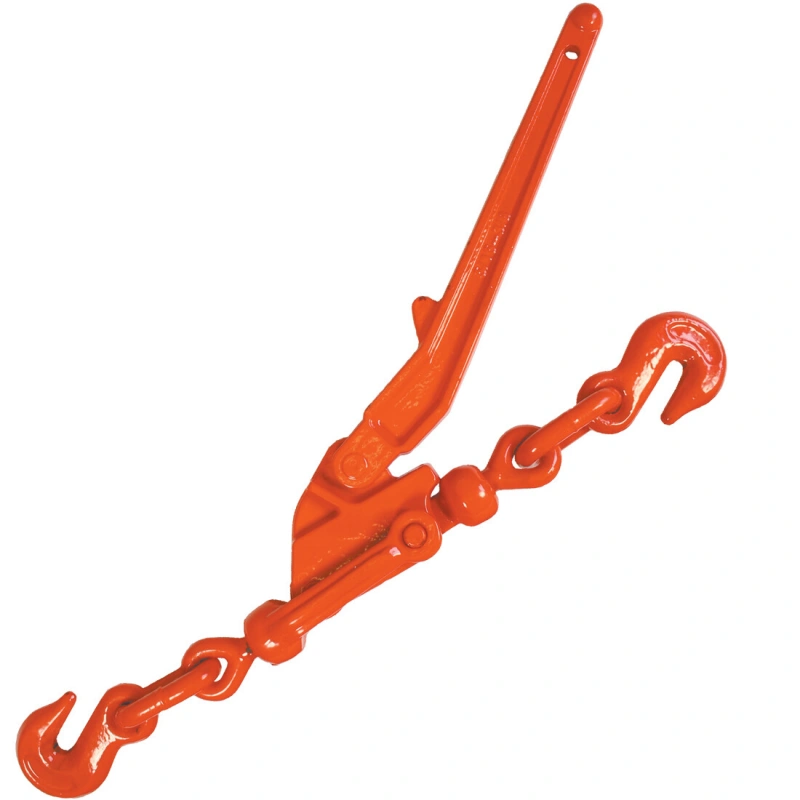
Log Chain Binders
Our log chain binders secure and tighten chains for stable load control during log transport and heavy-duty hauling.
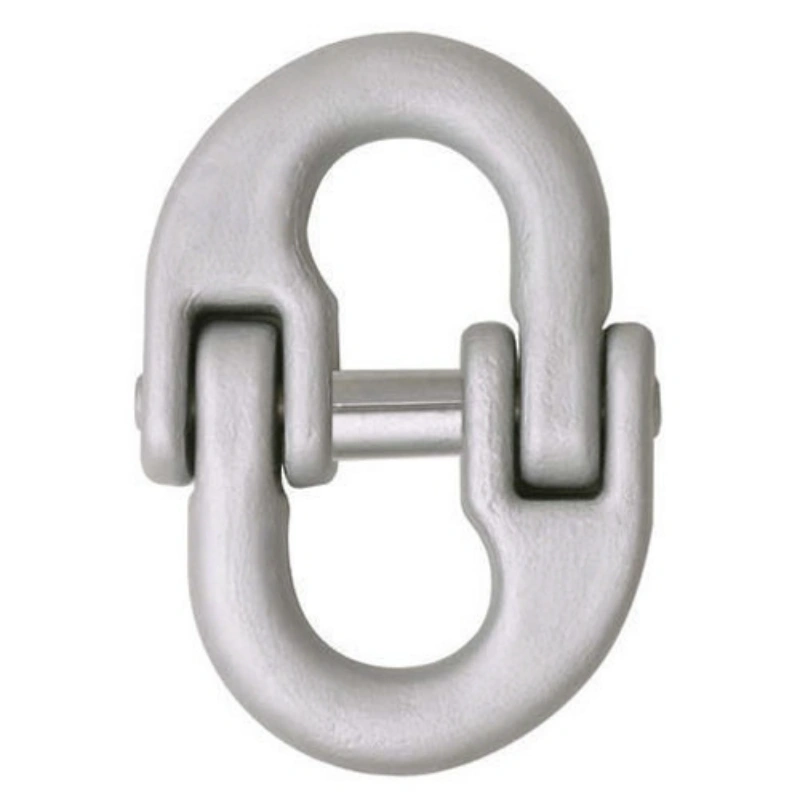
Log Chain Connecting Links
Our log chain connecting links provide secure joining for chains, hooks, and hardware in assembly, repair, and demanding logging applications.
NEED HELP WITH YOUR LOG CHAINS ORDER?
Let us help! Reach out today and get recommendations on materials and sizing from our experts.


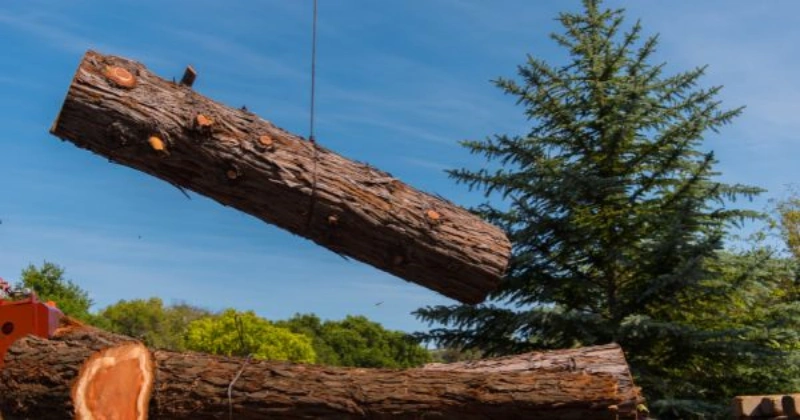
Guide to Logging Chains
This guide to logging chains explains chain types, sizes, hooks, and fittings for selecting the right setup for log pulling and skidding work.
What is a Logging Chain?
A logging chain is a chain used to move, pull, skid, choke, drag, or secure logs in forestry and timber handling.
Main points to know about logging chains:
- A logging chain handles different log-moving jobs such as pulling, dragging, skidding, choking, and securing logs.
- Different logging jobs need different chain types because one chain does not fit every application.
- A choker chain wraps around the log and tightens during pulling or skidding.
- A transport chain secures logs on trucks or trailers during hauling.
- A skidding chain must match the job in length, size, grade, and hook style.
- Machine type matters because the right chain depends on whether you use a skidder, tractor, winch, or trailer.
- Log size affects chain selection because larger and heavier logs need the right strength and fit.
- The connection method also matters because hooks and fittings must match your equipment and working setup.
- A properly matched chain assembly works better in the field and supports safer, more efficient daily operation.
Log Chain Sizes
Log chain sizes affect strength, handling, hook fit, and daily work speed. To choose the right chain, you need to look at more than chain diameter alone.
Common log chain sizes include:
- 1/4 inch
- 5/16 inch
- 3/8 inch
- 7/16 inch
- 1/2 inch
What log chain size affects:
- Load capacity because larger chains usually handle heavier pulling and securing work
- Chain weight because bigger chain adds more weight during carrying and hookup
- Flexibility because smaller chain often bends and wraps more easily
- Hook fit because chain size must match the hook and fitting size
- Handling speed because chain weight and flexibility affect how fast your crew can work
How larger and smaller chain sizes compare:
- Larger log chain sizes give you more strength
- Larger chain also adds weight
- Heavier chain can slow repeated hookup work
- Smaller chain handles faster
- Smaller chain may not give you the pull strength or safety margin you need
How to choose the right log chain size:
- Pulling method such as skidding, dragging, or securing
- Average log diameter because larger logs need the right strength and fit
- Hardware fit because hooks and fittings must match the chain size
- Daily working load because the chain should fit the real conditions your crew handles every day
How to Measure Log Chain Size?
Measuring log chain size the right way helps you choose the correct replacement chain, hooks, and fittings. A quick visual check is not enough. You need a few key measurements to avoid ordering the wrong chain.
Start with the correct measurement
- Measure the steel diameter of the link material
- Do not measure the outside size of the link
- Do not use the hook size as the chain size
Use the right tool
- Use a caliper for accurate measurement
- Measure an unworn section of the chain link
- Check more than one link for a better result
Why you should check several links
- Worn chain can flatten over time
- Links can stretch under repeated use
- High-contact areas can lose material
After you confirm the chain diameter
- Check the inside length of the link
- Check the inside width of the link
- Match those dimensions to your existing hook, connector, keyhole fitting, or slider
Check the chain grade before reordering
- Look for any grade markings on the chain
- Make sure the replacement chain matches the required grade
- Do not order by size alone
What to send your manufacturer
- Caliper measurements
- Total chain length
- Photos of the hooks or fittings
- One full photo of the complete chain assembly
Why this helps
- Speeds up replacement
- Improves fitting accuracy
- Reduces ordering mistakes
Simple takeaway
- Measure the link steel diameter first
- Check link dimensions next
- Send full details if you want an accurate match
Log Chain Storage
Good log chain storage helps you protect chain life, improve inspection results, and reduce replacement costs. A simple storage system also saves time when your crew needs the right chain fast.
Why log chain storage matters?
- Proper storage helps extend chain service life
- Good storage makes inspection easier
- Better storage helps reduce replacement costs
- An organized setup improves daily work efficiency
How to store log chains properly?
- Keep chains clean
- Keep chains dry
- Keep chains organized
- Keep chains off the ground
What damages stored log chains?
- Mud can trap moisture and dirt
- Bark dust can build up on the chain
- Moisture can cause rust
- Chemical residue can damage the chain surface
Problems with poor log chain storage
- Wet chain can rust faster
- Chain stored in piles can tangle easily
- Disorganized storage wastes crew time
- Poor storage makes wear harder to inspect
Best practices for log chain storage
- Hang chains by size
- Hang chains by length
- Label each chain clearly
- Separate ready-to-use chain from damaged or worn stock
What to inspect before storage?
- Hooks
- Connectors
- Wear points
- Any visible chain damage
Benefits of a better storage system
- Protects your chain investment
- Improves inspection quality
- Reduces downtime
- Gives your team faster access to the right chain
How Much Does a Logging Chain Weigh?
A logging chain’s weight depends on chain size, grade, link style, and whether hooks or fittings are attached. For a common benchmark, Grade 70 chain typically weighs about: 1/4 in = 0.59–0.76 lb/ft, 5/16 in = 0.93–1.01 lb/ft, 3/8 in = 1.31–1.46 lb/ft, and 1/2 in = 2.4–2.42 lb/ft.
For a quick field estimate, that works out to about:
10 ft of 3/8 in chain: ~13–15 lb
20 ft of 5/16 in chain: ~19–20 lb
20 ft of 3/8 in chain: ~26–29 lb
20 ft of 1/2 in chain: ~48–48.4 lb
How to Drag a Log With a Chain?
To drag a log with a chain, start by matching the machine, chain, log size, and terrain. Forestry guidance notes that commercial skidders and dozers are designed for heavy log dragging, while ATVs, side-by-sides, and many farm tractors are not and can become dangerous in this job.
A practical setup looks like this:
- Use the right machine and a low hitch point.
Attach the chain only to the drawbar on a tractor, not to a higher point such as the axle or top link. High hitch points increase the risk of a rear overturn. Extension safety guidance also says to take up slack slowly and never jerk the chain. - Choke the log near one end.
Place the chain or choker close to the end of the log so the front end can lift slightly and slide more cleanly. Arkansas guidance says to place the attachment point within about one foot of the end of the log. - Keep the chain only as long as needed.
A chain that is too long gives you less control and can snag on stumps, rocks, and roots. Guidance for tractor skidding warns against overly long chains for exactly that reason. - Clear the path before you pull.
Walk the route first and look for holes, stumps, side slopes, unstable ground, and places where the log could hang up or swing. Tractor safety sources warn that bumps, holes, and unstable banks can trigger overturns. - Pull slowly and stay out of the danger zone.
Start with light tension, watch how the log tracks, and stop if the log digs in, rolls, or snags. Keep everyone well away from the line of pull because a broken chain or cable can recoil violently.
The safer approach for frequent work is to use skidding equipment, a skid cone, log arch, or similar attachment instead of dragging bare chain on the ground, because these tools help control the log and reduce hang-ups.
The main mistakes to avoid are hitching high, jerking the load, using too much speed, using too much machine for too little control, or too little machine for too much log.
How to Use a Choker Chain in Logging?
To use a choker chain in logging, you wrap the chain around the log near one end, engage the choker hook or keyhole fitting, and pull until the chain cinches tight. OSHA’s logging standard says each choker should sit near the end of the log, and workers should hook or unhook from the uphill side or end where feasible unless the log is blocked against rolling.
A practical sequence looks like this:
- Inspect the chain and fittings first.
Check links, hook throat, connector, wear points, bends, cracks, and corrosion before use. Supplier guidance for logging chokers also stresses inspecting the chain before putting it into service. - Pass the chain under or around the log.
Many logging setups use a grab rod or probe to feed the chain under the log more easily. Wallingfords describes a hardened grab rod made for pulling chain chokers under logs. - Place the choker near the log end.
That position helps the log lift and track better during skidding or winching, and it aligns with OSHA’s requirement to position the choker near the end of the log or tree length. - Seat the chain in the correct hook or keyhole fitting.
Make sure the chain size matches the hook and fitting size. Forestry catalogs note that specific choker hooks accept specific chain sizes, and keyhole sliders are designed to work with matching choker components. - Take up slack slowly and make the chain bite.
Start the pull smoothly so the choker tightens around the log instead of jerking loose or shifting. Keep the machine within design limits and keep the line as straight as practical during winching or yarding. - Get clear before the log moves.
No log should move until every worker is in the clear. Oregon OSHA also warns workers to stay outside the swing radius of the longest log, plus the choker length and any line deflection.
The biggest mistakes are using mismatched chain and hook sizes, setting the choker too far from the log end, and standing in the danger zone while the line comes tight.
Log Chain Grades
Log chain grades tell you how much strength the chain offers and what kind of work it fits. You should choose grade by application, not by color or appearance alone.
Common log chain grades
- Grade 30 — proof coil chain for lighter general-purpose use
- Grade 43 — high-test chain for stronger general utility work
- Grade 70 — transport chain widely used for load securement, towing, and logging-related tie-down work
- Grade 80 — alloy chain used in heavy-duty rigging systems
- Grade 100 — higher-strength alloy chain used in demanding rigging applications
What each grade means for logging use?
- Grade 30 works for light-duty utility jobs, not demanding logging work
- Grade 43 gives you more strength than Grade 30 for general pulling and utility use
- Grade 70 is the most common choice for log transport, binders, tie-downs, and many forestry securement jobs
- Grade 80 and Grade 100 fit heavy-duty chain systems and alloy hardware where higher strength matters more
Important grade rule
- Grade 70 transport chain is not approved for overhead lifting
- For overhead lifting, manufacturers specify Grade 80 or Grade 100 alloy chain and matching attachments
How to choose the right log chain grade?
- Choose by job type such as skidding, tying down, towing, or rigging
- Check the required working load before you choose the grade
- Match hooks and fittings to the same chain grade system
- Read the chain markings before reordering or replacing chain
Logging Chain Accessories
Logging chain accessories complete the chain system and help you connect, shorten, guide, repair, or replace parts in forestry work. The right accessories improve fit, speed, and reliability in the field.
Common logging chain accessories include:
- Choker hooks — used to wrap and secure the chain around the log during pulling or skidding.
- Loggergrab or grab links — used to shorten or secure chain chokers without cutting into the chain.
- Hammerlok coupling links — used to connect cable chokers, grab links, and log slide assemblies.
- Log slides — used on winch lines so the assembly moves more easily and helps reduce line kinking.
- Choker gliders with keyhole — used on tractor skidding winch mainlines with logging choker chains.
- Keyhole sliders — used to attach chain links quickly in forestry choker setups.
- Connecting links — used to join chain sections, hooks, or other hardware in one assembly.
- Repair links — used to replace damaged connection points and keep assemblies serviceable.
Have More Questions of Logging Chains?
Have more questions about logging chains? Contact our team for product details, chain specifications, fitting options, and custom supply support.