
Coupling Links
Need reliable coupling links for lifting, towing, or rigging jobs? Powerful Machinery manufactures clevis, yoke, and sling connector styles in practical grades and sizes, giving you a solid fit for chain and hardware setups. Quote your hardware accessories with Powerful Machinery today.

Our coupling links stay consistent across batches, giving you reliable fit, finish, and performance with every order.
We keep production on schedule, so you get stable lead times and fewer delays in your coupling link supply.
Our coupling links meet certified load ratings, with clear technical data for safe and confident product selection.
Our factory responds fast on quotes, specs, and order updates, helping you move purchasing and projects faster.
Powerful Machinery - Your Relaible Chain Coupling Link Manufacturer
We supply work provide dependable chain coupling links for industry leaders.




COUPLING LINK

Hammerlock Coupling Link
Our hammerlock coupling link connects chain, hooks, and master links fast for secure, reliable lifting and rigging applications.
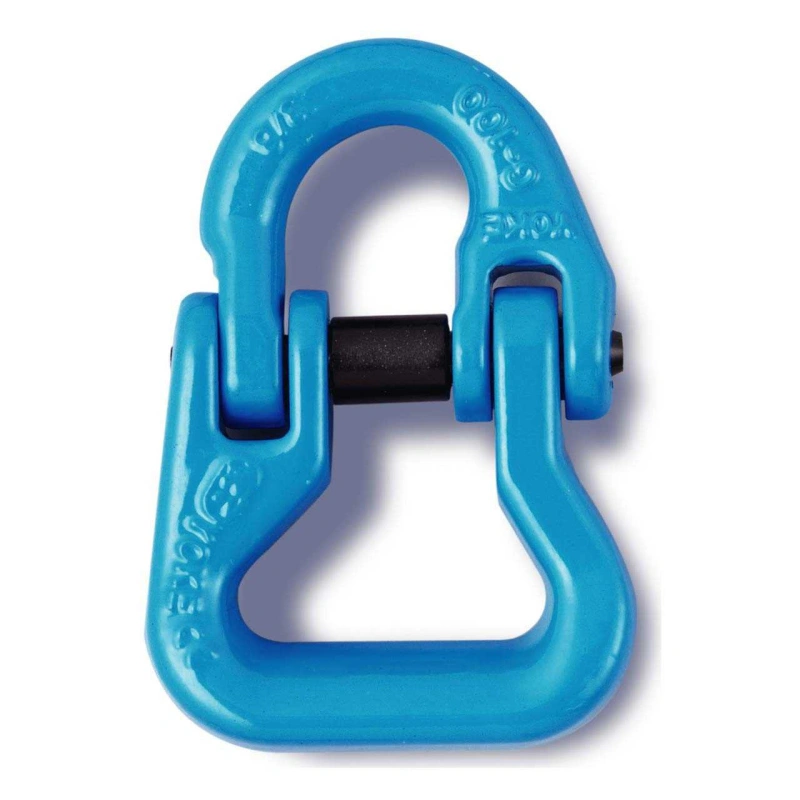
Web Sling Connector
Our web sling connector connects web or round slings to lifting hardware with forged alloy steel and a wide surface that reduces sling wear.

Our double-clevis coupling link connects chain, hooks, and fittings for towing and load securement, with forged steel strength. Not for overhead lifting.
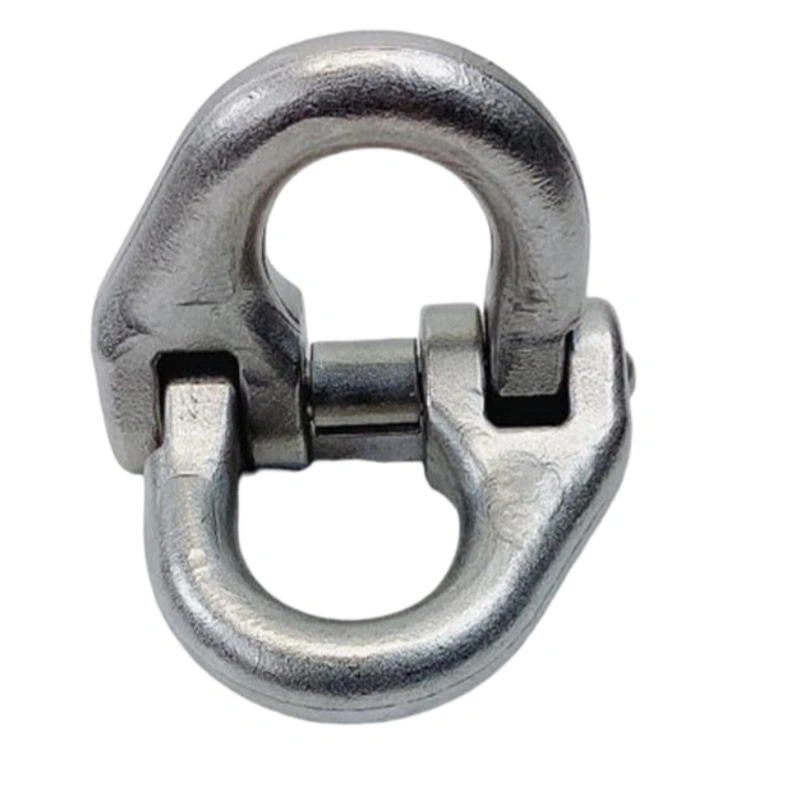
Stainless Coupling Link
Our stainless coupling link connects chain, hooks, and shackles with forged strength and corrosion resistance for harsh working environments.
NEED HELP WITH YOUR CHAIN COUPLING LINK ORDER?
Let us help! Reach out today and get recommendations on materials and sizing from our experts.

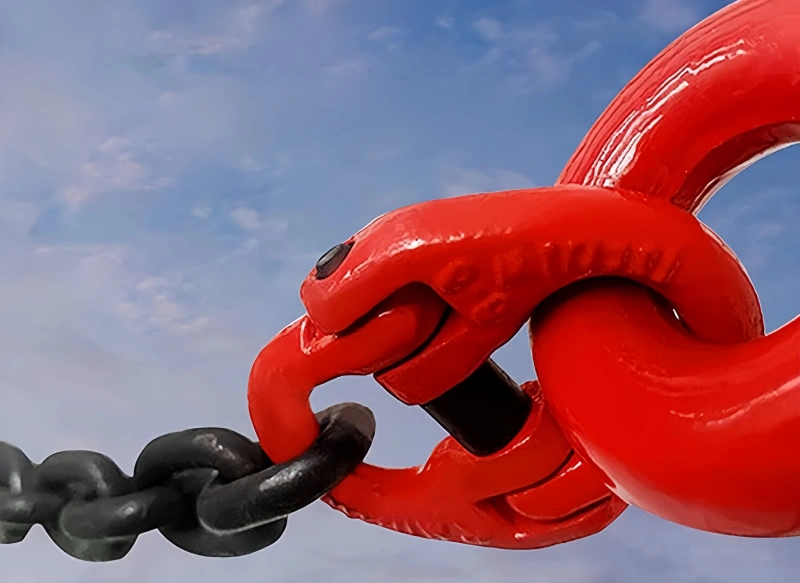
Guide to Coupling Links
Our coupling links guide covers types, sizes, and grades to help you choose the right product for lifting, rigging, and chain applications.
What Are Coupling Links Used For?
You use coupling links to support key jobs in lifting and rigging systems:
- Connect chain with hooks, master links, or fittings
Coupling links create a secure connection point between chain and other rigging hardware. - Support chain sling assembly
They help you build complete chain sling systems with the right connection layout. - Make repair and replacement easier
You can replace or reconnect parts without adding unnecessary complexity. - Improve fit and load transfer
Good coupling links give you a clean fit and steady load transfer in daily use. - Match chain grade and connected hardware
You need coupling links that fit the chain correctly and work with the right rigging components. - Support repeat-order consistency
When you buy in volume, consistent size, finish, and performance help you control assembly speed and inventory.
How Do You Choose the Right Coupling Links?
You should review these key points before you place an order:
- Check chain size first
The coupling links must match the chain size correctly for proper fit and safe use. - Match chain grade before price
Grade compatibility affects strength, performance, and the reliability of the full rigging system. - Confirm the working load requirement
You need coupling links that meet the load demand of the job without creating risk in the assembly. - Review the fitting you plan to connect
The link should fit hooks, master links, or other rigging hardware without forcing the connection. - Check fit with hooks and links
Good fit helps you avoid assembly trouble, rework, and field complaints. - Review load and service conditions
Marine use, towing, industrial lifting, and general rigging can require different material and finish choices. - Focus on technical fit before price
Low price means little if the coupling links do not match the chain system or application. - Work with a manufacturer who can confirm details early
Early technical support helps you avoid delays in approval, drawing review, and purchasing.
Key selection points
- Match chain grade before price
- Check fit with hooks and links
- Review load and service conditions
Why Does Chain Grade Matter for Coupling Links?
You should review coupling link grades carefully before ordering, because grade matching affects the full connection system:
- Grade 80 coupling links
Grade 80 works in many lifting and rigging applications where you need reliable strength and good compatibility with matching chain systems. - Grade 100 coupling links
Grade 100 gives you higher strength and supports more demanding lifting and rigging jobs when used with the correct matching components. - Match the grade to the chain system
You should use coupling links that match the chain grade correctly, so the full assembly performs as intended. - Grade affects strength and fit
The grade influences load rating, compatibility, and how the coupling link works with hooks, master links, and chain. - Wrong matching creates system risk
When you mix the wrong grades, you create problems in sourcing, assembly, resale, and daily use. - Clear grade control saves time
Stable grade separation, clear markings, and reliable technical data make approvals and purchasing much easier. - Check product marking and dimensional control
A good manufacturer should manage grade identification and size consistency clearly across every order.
What Documents Should You Request Before Ordering Coupling Links?
You should review these key documents before placing an order:
- Request a dimensional drawing
A drawing helps you confirm size, fit, and connection details before approval. - Check load rating details
Load rating data helps you review whether the coupling links match your lifting or rigging requirements. - Ask for product marking information
Clear marking details help you identify grade, size, and product traceability more easily. - Review test data and certification
Testing records and required certificates help you confirm product compliance for your market. - Confirm packing details
Packing information helps you check how the product will arrive, store, and move through your supply chain. - Check finish specification
Finish details help you confirm corrosion protection, appearance, and product suitability for the job. - Ask about traceability format
Traceability records support quality control and make batch tracking easier after delivery. - Use documents to compare suppliers
Complete product documents help your purchasing team evaluate suppliers more accurately. - Use documents to support inspection
Good records help your quality team inspect incoming coupling links more efficiently. - Use documents to answer customer questions
Clear technical files make it easier to support resale, private label supply, or finished chain sling assembly.
How Do Material and Finish Affect Coupling Links?
Material and finish play a big role in how coupling links perform in real working conditions. When you choose the right material and surface finish, you improve service life, reduce corrosion risk, and keep product quality more consistent from storage to end use.
You should review these key points before selecting coupling links for your application:
- Material affects strength and service life
The right material helps coupling links hold up better in lifting, rigging, and daily industrial use. - Forged alloy steel supports strength and durability
Forged alloy steel works well in many rigging jobs where you need reliable strength and long service life. - Stainless options suit harsh environments
Stainless coupling links work better in marine, chemical, wet, or washdown conditions where corrosion resistance matters more. - Finish affects corrosion and shelf condition
Surface finish helps protect the product during storage, transport, and use in different environments. - Finish affects appearance and product consistency
A good finish helps coupling links look more consistent when they reach your warehouse or customer. - Work environment should guide your choice
Marine supply, industrial lifting, OEM projects, and general rigging can require different material and finish decisions. - Lowest cost should not decide the specification
A cheaper option can create rust issues, shorter service life, or more complaints after delivery.
When Should You Develop Custom Coupling Links?
Custom coupling links make sense when standard products no longer fit your assembly needs, product range, or market requirements. The right custom design should solve a real supply or fit problem, improve product consistency, and make sourcing or resale easier.
You should consider custom coupling links in these situations:
- Standard parts do not fit your assembly method
Custom coupling links can match your chain sling setup or connection layout more accurately. - You need special dimensions
Non-standard sizes can improve fit with chain, hooks, master links, or other rigging hardware. - You want custom markings
Custom markings help with brand identity, grade identification, and product traceability. - You need private label packing
Private label packaging supports resale, distributor programs, and branded product lines. - Your product line needs better fit and consistency
A custom design can match your connected hardware better and reduce fit problems across orders. - You want to simplify your SKU list
Better fit can reduce SKU complexity and make stock management easier. - You need a design that supports your market better
Custom coupling links can align more closely with your application, customer demand, or brand position. - Custom design should solve a real issue
A good custom project should improve function, sourcing, assembly, or resale value. - Clear approval steps save development time
Early discussion about volume, tooling, drawings, and approval helps keep the project practical. - A capable manufacturer helps you judge the value
Good factory support helps you decide whether customization will improve efficiency and customer value.
What Should You Ask Before Requesting a Quote for Coupling Links?
A complete RFQ helps you get faster, more accurate quotes for coupling links. When you include the right technical and commercial details at the start, you make supplier comparison easier and improve the chance of getting the right product on the first order.
You should include these key points in your RFQ before asking for pricing:
- Include grade, size, and load need
These three points help the manufacturer confirm product fit and load performance from the start. - Specify chain grade clearly
Grade affects strength, compatibility, and the correct matching of the full rigging assembly. - Confirm the size requirement
Size details help avoid fit problems with chain, hooks, master links, or other connected hardware. - State the load requirement
Load information helps confirm whether the coupling links suit the intended lifting or rigging job. - Add the connected fitting type
The supplier needs to know what hardware the coupling links will connect with in the assembly. - Add finish, marking, and packing
These details affect corrosion protection, product identification, storage, and delivery condition. - Confirm expected lead time
Lead time matters when you plan repeat orders, project supply, or stock replenishment. - Ask about samples and documents
Samples, drawings, and technical files help your team review the product before order approval. - Mention certification or testing needs early
Early notice helps the manufacturer prepare the right documents and quote more accurately. - Include private label or custom requirements
Marking, packing, or branding requests should appear in the RFQ from the beginning. - Use a detailed RFQ to compare suppliers better
A stronger RFQ helps you compare not only price, but also technical support, response quality, and supply capability.
Have More Questions of Coupling Links?
Still have questions about coupling links? Contact our team for clear support on grades, sizes, load ratings, drawings, and sourcing for your rigging hardware projects.