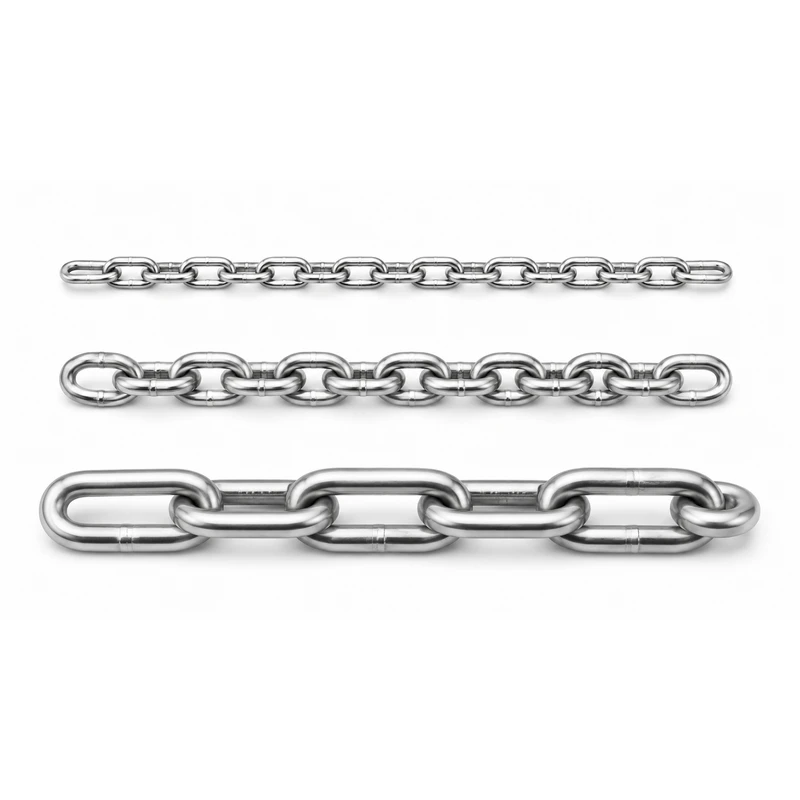
You need to know how much a logging chain weighs before you start any forestry or timber job. Most logging chains weigh between 0.59 and 2.42 pounds per foot, depending on size and grade. Check the table below for common weight ranges:
Chain Size | Weight Range (lb/ft) |
|---|---|
1/4 in | 0.59–0.76 |
5/16 in | 0.93–1.01 |
3/8 in | 1.31–1.46 |
1/2 in | 2.4–2.42 |
Understanding the weight of your chain helps you choose the right equipment and improves safety. Powerful Machinery gives you reliable, high-quality logging chains for every application.
Key Takeaways
Logging chains typically weigh between 0.59 and 2.42 pounds per foot, depending on size and grade.
Always verify the weight and working load limit of your logging chain to ensure safe operation and prevent equipment overload.
Select the right chain size and grade based on your log size and machinery capabilities for optimal performance.
Consider the material of the chain; high-carbon steel offers a good balance of strength and weight for forestry tasks.
Regularly inspect your chains and consult with experts for custom solutions to enhance safety and efficiency.
Chain Weight Basics
What Is a Logging Chain?
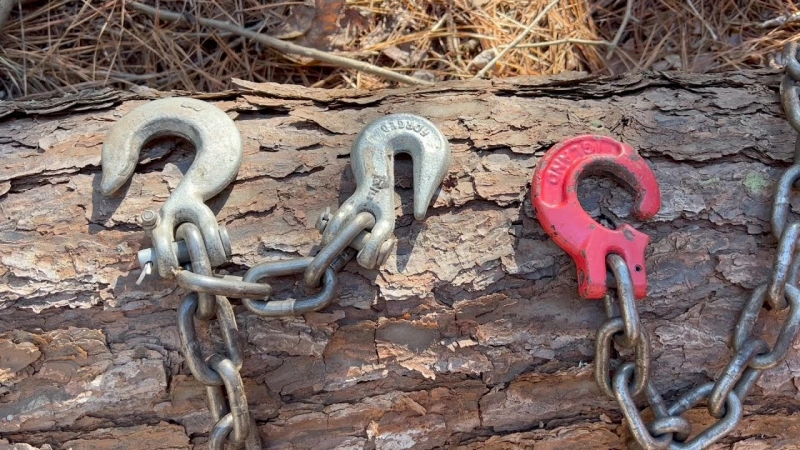
You use a logging chain when you need to pull, drag, or secure logs in forestry. This chain is a heavy-duty tool built for tough jobs. The design focuses on strength and durability, so you can handle timber safely and efficiently. Unlike standard chains, logging chains withstand rugged conditions and heavy loads.
You rely on them for tasks like skidding logs, choking, or securing timber during transport. Powerful Machinery manufactures logging chains with high load ratings and consistent quality, making them a trusted choice for forestry professionals.
Logging chains stand out because they are engineered for demanding applications. You benefit from their robust construction, which ensures safety and reliability in the field.
How Much Does a Logging Chain Weigh?
You often ask, “How much does a logging chain weigh?” The answer depends on several factors, including chain size, grade, and material. Most logging chains weigh between 0.59 and 2.42 pounds per foot.
For example, a 1/4-inch Grade 70 chain weighs about 0.59 pounds per foot, while a 1/2-inch chain can reach up to 2.42 pounds per foot. You need to check the specifications for your chain to determine the exact weight.
Powerful Machinery provides detailed product specs, so you can easily find out how much a logging chain weighs for your specific application.
You must consider the weight of the chain when choosing equipment. A heavier chain offers more strength but may require more effort to handle. You should match the chain weight to the size of the logs and the capabilities of your machinery.
Knowing how much a logging chain weighs helps you plan your job and ensures safe operation.
Tip: Always verify the chain weight before starting a project. This step prevents overloading your equipment and improves efficiency.
Comparing Logging Chains to Other Chains
You may wonder how logging chains compare to other chains used in industrial or agricultural settings. Logging chains are designed for forestry, so their weight and strength differ from chains used for lifting, towing, or transport. The table below shows common chain grades, their weight per foot, and typical applications:
Chain Grade | Weight per Foot (lbs) | Common Applications |
|---|---|---|
Grade 30 | 1,300 to 6,900 | Light construction, logging, and agricultural use |
Grade 43 | 2,600 to 13,000 | Towing, heavy-duty trucking, and construction |
Grade 70 | 0.59–2.42 | Trucking, logging, heavy load securement |
Grade 80 | 3,500 to 47,700 | Overhead lifting, rigging, mining |
Grade 100 | 4,300 to 35,300 | Overhead lifting, manufacturing, towing |
You see that logging chains, especially Grade 70, offer a balance of weight and strength for forestry tasks. Other chains, like Grade 80 and Grade 100, are heavier and used for overhead lifting or mining.
When you ask how much a logging chain weighs, you compare it to these other chains to ensure you select the right tool for your job.
You choose logging chains for their specialized design and reliable performance in timber handling.
You select other chains when you need different load capacities or applications.
Understanding how much a logging chain weighs gives you confidence in your equipment choices and helps you work safely and efficiently.
Factors Affecting Weight
Material Types (Steel, Stainless Steel)
You need to consider the material of your logging chain because it directly affects both weight and performance. Most logging chains use steel, but you can also choose stainless steel for specific environments.
Stainless steel chains usually weigh more than basic steel chains, but they offer higher corrosion resistance. Higher carbon steel provides a better strength-to-weight ratio, making the chain stronger without adding unnecessary weight. The table below shows how different materials impact weight and strength:
Material Type | Weight Impact | Strength Impact |
|---|---|---|
Basic Steel | Standard weight | Moderate strength |
Higher Carbon Steel | Better strength-to-weight ratio | Increased strength and durability |
Stainless Steel | Generally heavier than basic steel | High corrosion resistance, variable strength |
Tip: Choose stainless steel if you work in wet or corrosive environments. For most forestry jobs, high-carbon steel gives you the best balance of weight and strength.
Chain Size and Length
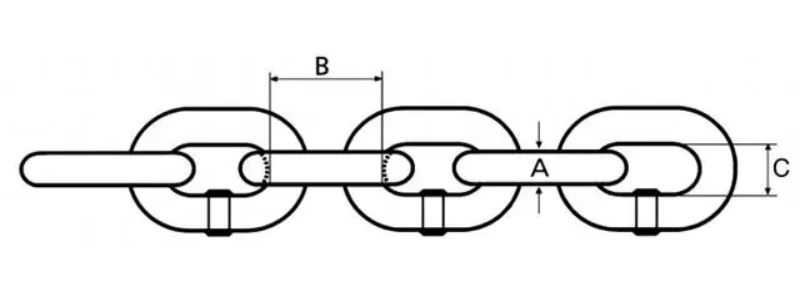
Chain size and length play a major role in determining the total weight. Larger chains weigh more per foot, and longer chains add more weight to your setup. You can select from a range of standard sizes and lengths to match your job requirements. Here are some common options:
Chain Size | Lengths Available |
|---|---|
1/2 inch | 4-6 ft, 10 ft |
3/8 inch | 4-6 ft, 8-12 ft, 20 ft |
5/16 inch | 20 ft |
Powerful Machinery offers custom lengths, so you can get exactly what you need for your equipment and log sizes.
Chain Grade and Strength
Chain grade tells you how much weight your chain can safely handle. Higher grades mean higher strength and often more weight per foot. For example, Grade 70 chains are popular for logging because they balance strength and weight. Grades like 80 and 100 offer even more strength for demanding jobs.
The working load limit (WLL) defines the maximum weight your chain can safely lift or pull. Always check the WLL before starting your job. As the grade increases, so does the chain’s ability to handle greater loads safely.
Chain Grade | Working Load Limit (lbs) |
|---|---|
Grade 30 | 1,300 – 6,900 |
Grade 43 | 2,600 – 13,000 |
Grade 70 | 3,150 – 15,800 |
Note: Powerful Machinery provides certified chains in all major grades, so you can match your chain to your safety requirements.
Accessories and Attachments
You often need accessories to complete your logging chain setup. Each accessory adds weight and changes how the chain performs. Common accessories include:
Choker hooks
Loggergrab or grab links
Hammerlok coupling links
Log slides
Choker gliders with keyhole
Keyhole sliders
Connecting links
Repair links
You can customize your chain with these attachments to fit your specific job. Powerful Machinery offers a full range of certified accessories, ensuring your chain system meets both safety and operational needs.
Logging Chain Weight Chart
Example Weights by Size and Grade
You need a clear reference when selecting logging chains for your forestry work. Powerful Machinery provides detailed chain weight ratings for each size and grade. You can use the following table to compare chain load ratings and chain weight ratings for the most common logging chains.
This chart helps you match the right chain to your equipment and job requirements.
Chain Size | Chain Grade | Chain Weight Ratings (lb/ft) | Chain Load Ratings (Working Load Limit, lbs) |
|---|---|---|---|
1/4 in | Grade 70 | 0.59 | 3,150 |
5/16 in | Grade 70 | 0.93 | 4,700 |
3/8 in | Grade 70 | 1.31 | 6,600 |
1/2 in | Grade 70 | 2.42 | 11,300 |
You see that chain load ratings increase as the chain size increases. The chain weight ratings also rise with larger diameters. You can select the right combination for your needs by checking both the chain weight ratings and chain load ratings.
Note: Powerful Machinery offers custom lengths and setups. You can order chains cut to your exact specifications, ensuring the chain fits your equipment and meets your safety requirements.
Using the Chart for Quick Reference
You can use this chart as a quick reference before every job. Start by identifying the log size and the equipment you plan to use. Check the chain weight ratings to ensure the chain is not too heavy for your machinery.
Review the chain load ratings to confirm the chain can handle the expected load. This process helps you avoid overloading and ensures safe operation.
You can also use the chart to compare different chain sizes and grades. If you need a lighter chain for easier handling, choose a smaller size with a lower chain weight rating.
For larger logs or heavier loads, select a chain with higher chain load ratings. Powerful Machinery supports you with custom options, so you always get the right chain for your project.
Tip: Always verify both the chain weight ratings and chain load ratings before starting your job. This habit keeps your team safe and your equipment running smoothly.
Determining Log Chain Weight
Manufacturer Specifications
You can find the most accurate information about your logging chain’s weight by checking the manufacturer’s specifications. Reputable brands like Powerful Machinery provide detailed data sheets for every chain model. These documents list the weight per foot, chain grade, and material type.
You should always review these specs before making a purchase or starting a job. This step ensures you select a chain that matches your equipment’s capacity and your project’s requirements.
Tip: Always keep the product label or technical sheet handy. This document helps you verify the chain’s weight and working load limit quickly.
Measuring Your Chain
If you do not have the original specifications, you can measure your chain directly. Start by measuring the diameter of one link using a caliper. Record the length of the chain in feet. Weigh the entire chain using a reliable scale.
Divide the total weight by the chain’s length to get the weight per foot. This method gives you a practical estimate, especially for older chains or custom setups.
Steps to measure your chain:
Lay the chain flat and stretch it out.
Use a caliper to measure the diameter of the steel link.
Measure the total length with a tape measure.
Weigh the chain on a scale.
Calculate the weight per foot.
Calculating Weight from Size and Material
You can estimate the weight of a logging chain by considering its size and material. Chain size refers to the diameter of the steel used in each link. Material composition, such as high-tensile or stainless steel, also affects the weight.
Chains made from higher tensile grades of steel can be lighter while maintaining the same strength. This means you get a strong chain without unnecessary bulk. The properties of the chain, including resistance to wear and rust, also influence the effective weight.
Note: For a given strength, a chain made from high-tensile steel will weigh less than one made from lower grades. Always factor in both size and material when estimating chain weight.
By using these methods, you ensure your logging chain meets both safety and operational needs.
Choosing the Right Log Chain Weight
Matching Chain Weight to Log Size and Equipment
You must match the chain weight to your log size and equipment for optimal performance. If you use a chain that is too light, you risk exceeding the working load limit. This can compromise safety and damage your gear. If you choose a chain that is too heavy, you may struggle with handling and reduce efficiency.
Always check the working load limit for each chain size. Select a chain that supports the weight of your largest logs and fits your machinery. Powerful Machinery recommends selecting the appropriate grade for your application.
This ensures the chain grade matches your job’s requirements and provides reliable performance.
Safety and Working Load Limit
You must prioritize safety in every forestry operation. The working load limit is the most important factor when choosing a logging chain. You need to understand how the working load limit relates to safe usage:
The working load limit defines the maximum weight you can safely lift or secure.
Manufacturers calculate the working load limit by dividing the chain’s minimum breaking strength by a safety factor.
You must never exceed the working load limit. Doing so can cause equipment failure and serious injuries.
Always select a chain with a working load limit higher than your expected load for an extra margin of safety.
Powerful Machinery advises you to choose a log chain grade that meets your strength and safety needs. This approach helps you avoid accidents and ensures your equipment operates within safe limits.
Common Mistakes to Avoid
You can prevent common mistakes by following a few simple rules. Do not guess the working load limit or ignore the chain’s specifications. Never use a chain that shows signs of wear or damage. Avoid mixing chains and accessories from different grades, as this can reduce safety.
Always review the working load limit before each job. If you have unique requirements, Powerful Machinery offers custom-engineered chains and assemblies. You can also access expert support for advice on safety and product selection.
Customization Options | Expert Support |
|---|---|
Custom-engineered lifting chains | Commitment to innovation and customer satisfaction |
Tailored assemblies for demanding projects | Positive feedback from clients |
Products that meet or exceed global standards | Trusted by clients in various industries |
Tip: Consult with Powerful Machinery’s experts to ensure your logging chain meets all safety and working load limit requirements.
Powerful Machinery Logging Chains
Product Features and Advantages
You want logging chains that deliver consistent results in the field. Powerful Machinery designs each chain for maximum chain durability and strength. You benefit from high load ratings, rust-resistant options, and accessories that fit your equipment.
You can trust the stable production process to provide a reliable supply and uniform chain quality. Forestry professionals choose these chains for their ability to handle tough jobs, from skidding to securing logs during transport.
High load ratings for demanding forestry work
Rust-resistant stainless steel options for wet conditions
Accessories like choker hooks and grab links for flexible setups
You can explore the full range of logging chains and accessories on the Powerful Machinery Logging Chains page.
Customization and Certified Quality
You need chains that match your unique requirements. Powerful Machinery offers custom lengths, grades, and assemblies to fit your equipment and job size. Every chain meets strict international standards for safety and chain performance. You can see the certifications that back up this commitment:
Certification/Standard | Description |
|---|---|
ISO9001 | International quality management standard |
TUV Rheinland | Certification for safety and quality assurance |
OSHA | Occupational Safety and Health Administration standards |
ASTM | American Society for Testing and Materials standards |
You get peace of mind knowing your chain meets or exceeds industry benchmarks.
Value for Forestry Professionals
You want value that goes beyond the product. Powerful Machinery supports you with expert advice, dependable lead times, and positive feedback from forestry clients worldwide. You can rely on these chains to reduce downtime and replacement costs.
Customers like Ben Carter from Canada and David Müller from Germany praise the reliability and long-lasting performance in extreme conditions. You gain a partner who understands your needs and delivers solutions that keep your operation running smoothly.
Choose Powerful Machinery for logging chains that combine strength, customization, and certified safety.
Conclusion
You improve safety and efficiency in forestry when you understand the logging chain weight. Chain size, grade, and link style affect performance and help you avoid accidents. Choosing the right chain ensures your equipment works at its best. Powerful Machinery supports you with certified products and expert guidance.
Review your equipment and log weights before selecting a chain.
Check certification codes and working load limits.
Inspect chains regularly and consult with experts for custom solutions.
You can trust Powerful Machinery for reliable, customizable logging chains.
FAQ
How do you choose the right logging chain size?
You should match the chain size to your log diameter and equipment capacity. Review the working load limit for each size. Powerful Machinery offers expert advice to help you select the best chain for your forestry needs.
Can you customize logging chains for specific projects?
You can request custom lengths, grades, and accessories. Powerful Machinery provides tailored solutions to fit your equipment and job requirements. Contact their team for personalized recommendations.
What certifications do Powerful Machinery logging chains carry?
You receive chains certified to international standards like ISO9001, TUV Rheinland, OSHA, and ASTM. These certifications guarantee safety and quality for demanding forestry applications.
How should you store logging chains to prevent rust?
You need to keep chains clean and dry. Store them off the ground in a well-ventilated area. Use rust-resistant options for wet environments. Regular inspection helps maintain chain performance.