You need to master chain rigging techniques to improve safety and efficiency in every lift. Using certified rigging hardware from Powerful Machinery helps you handle loads quickly and reduces the risk of injury. Regular training and maintenance keep your operations safe and efficient.
With the right approach, you boost productivity and ensure safety and efficiency for both new and experienced riggers.
Enhanced productivity through quick and efficient load handling.
Reduced risk of injury by using proper equipment for heavy lifting.
Importance of regular training and maintenance to ensure safe operations.
Key Takeaways
Always check the working load limit before lifting to prevent accidents and equipment failure.
Use certified rigging hardware to ensure safety and compliance with industry standards.
Inspect all rigging equipment before each use to catch wear or damage early.
Master essential rigging techniques like the straight lift, choker hitch, and basket hitch for safe and efficient lifting.
Regular training and documentation of inspections build a strong safety culture in lifting operations.
Chain Rigging Basics
Load Limits and Safety
You must always check the working load limit before lifting any load. Manufacturers set the maximum load capacity for each chain, which you can find on the chain tag or product documentation. Exceeding this limit can cause equipment failure and serious injury.
The working load limit is calculated by dividing the minimum breaking load by a safety factor, usually between 3:1 and 6:1. You should never guess the load capacity. Always verify it using the chain’s specifications.
Chain Size (inch) | Grade 70 WLL (lbs) | Grade 80 WLL (lbs) |
|---|---|---|
1/4″ | 3,150 | 3,500 |
5/16″ | 4,700 | 4,500 |
3/8″ | 6,600 | 7,100 |
7/16″ | 8,760 | 10,000 |
1/2″ | 11,300 | 12,000 |
5/8″ | 15,800 | 18,100 |
Larger Sizes | N/A | Up to 47,700 |
Tip: 68% of cargo securement failures happen because users ignore load limits. Always check the chain tag and documentation before lifting.
Chain Types and Grades
You need to select the right chain grade for your lifting task. Grade 80 chains offer high strength and wear resistance, making them suitable for overhead lifting. Grade 100 chains provide even greater load capacity and are used for heavy construction and mining.
Grade 120 chains deliver maximum strength for offshore and extreme environments. Lower grades like 30, 43, and 70 are not approved for overhead lifting. Industry standards such as ASTM, ASME, and OSHA regulate chain grades and ensure compliance.
Standard | Organization | Description |
|---|---|---|
ASTM | American Society of Testing & Materials | Sets safety standards for chain materials and grades. |
ASME | American Society of Mechanical Engineers | Provides guidelines for rigging applications. |
OSHA | Occupational Safety & Health Administration | Regulates workplace safety for rigging equipment. |
Inspection Essentials
You must inspect your rigging chains before every use. Look for missing or illegible tags, stretched or bent links, cracks, excessive wear, and heat damage. Remove chains from service if you find any of these issues. Follow recommended inspection intervals:
Inspection Type | Frequency |
|---|---|
Frequent Inspection | Daily or prior to use |
Periodic Inspection | At least once every 12 months |
ASME Normal Service | Yearly |
ASME Severe Service | Monthly to Quarterly |
ASME Special Service | As determined by Qualified Person |
Note: Proper inspection ensures safety and prevents accidents. Always document your inspections for compliance.
6 Essential Chain Rigging Techniques
Mastering chain rigging techniques is crucial for safe and efficient lifting. You need to understand each method, when to apply it, and how to maintain securement throughout every operation.
Below, you will find six essential rigging techniques that every rigger should know, along with practical tips for chain sling securement and proper sling configurations.
1. Straight Lift Method
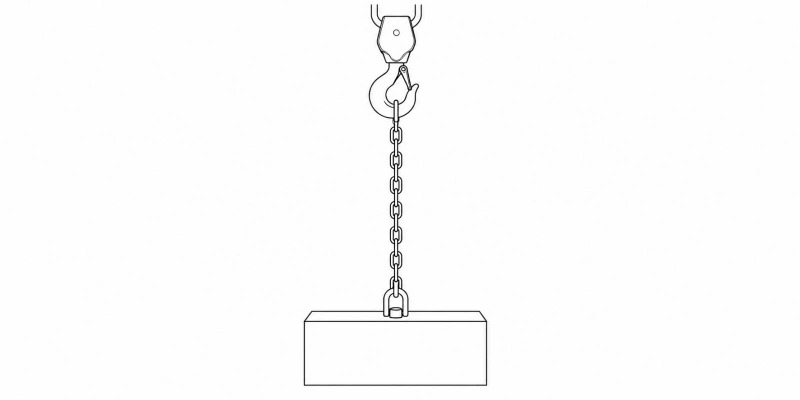
The straight lift method is the foundation of chain rigging techniques. You use this technique when you need to lift a load vertically with minimal movement. This method works best for balanced loads with a clear center of gravity.
How to Perform a Safe Straight Lift:
Inspect all rigging equipment, including chains, hooks, and master links, for wear or damage.
Determine the load weight and confirm it does not exceed the working load limit of your chain sling.
Select the correct sling style and hitch type for the load.
Calculate the sling-to-load angle to ensure proper sling configurations.
Account for environmental factors, such as wind or moisture, that may affect the load.
Lift the load only as high as necessary to complete the task.
Tip: Always conduct a practice lift to check load stability before proceeding with the main lift.
Powerful Machinery’s certified rigging hardware provides clear load ratings and traceability, making it easy for you to verify equipment suitability for each lift.
2. Choker Hitch Technique
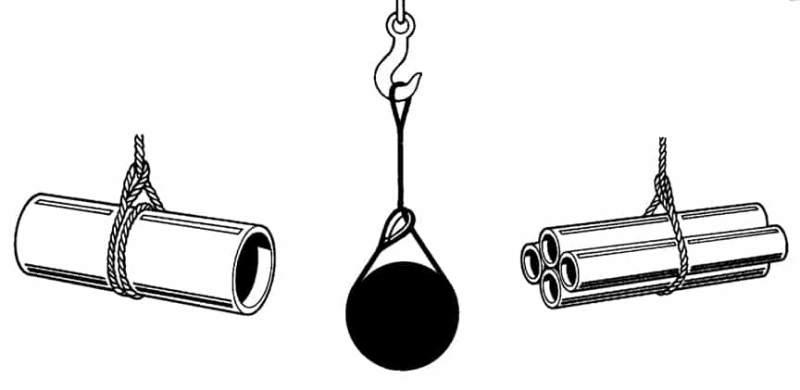
The choker hitch technique is one of the most versatile chain rigging techniques. You use it to secure loads that are round, irregular, or difficult to balance. This method involves wrapping the sling around the load and passing one end through a loop or fitting, creating a tightening effect as the load is lifted.
Hitch Type | Description | Safety Implications |
|---|---|---|
Vertical Hitch | Lifts directly upward; for balanced loads | Stable when applied correctly, but risky if misapplied. |
Choker Hitch | Encircles the load; for round shapes | Can slip if not applied properly, especially on loose materials. |
Basket Hitch | Distributes load across two sling legs | Offers greater stability and reduces slippage risk compared to a single choker hitch. |
Key Safety Tips:
Choose the right hitch for the load and task.
Maintain proper sling angles to preserve working load limits.
Inspect all rigging components before use.
Protect slings from sharp edges to prevent damage.
The choker hitch is ideal for lifting pipes, logs, or bundled materials. Remember, as the sling angle decreases, the lifting capacity drops, which can compromise load stability. Use Powerful Machinery’s high-tensile chain slings for reliable chain sling securement in these applications.
3. Basket Hitch Application
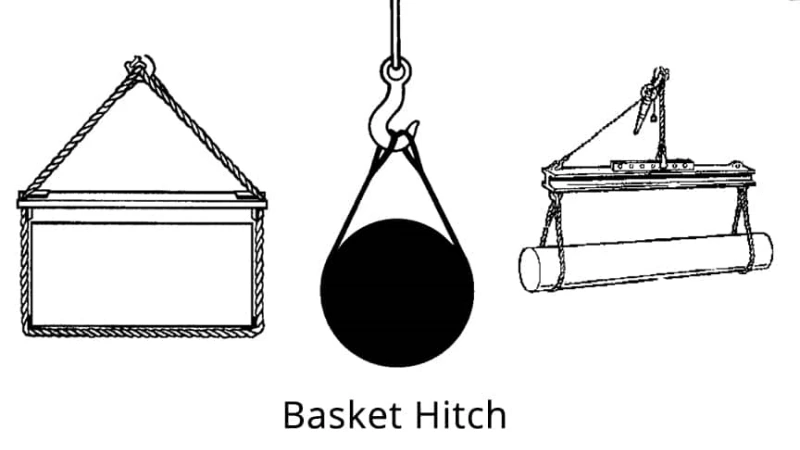
The basket hitch application stands out among chain rigging techniques for its ability to double lifting capacity and enhance load stability. You use this technique by passing the sling under the load and attaching both ends to the lifting device, forming a cradle.
Advantages of the Basket Hitch:
Doubles the lifting capacity by distributing the load across two sling legs.
Provides excellent stability, especially for irregularly shaped loads.
Evenly distributes tension, maximizing safety and efficiency.
Best Practices:
Keep both sling legs vertical to achieve maximum capacity.
Use an angle chart to verify proper sling configurations.
Ensure the load remains level during the lift.
Note: Always understand the limitations of each hitch and avoid incorrect sling angles to prevent overload.
Powerful Machinery’s certified rigging equipment, including Grade 80 and Grade 100 chain slings, ensures you achieve securement and stability with every basket hitch application.
4. Double Wrap Use
The double wrap use technique increases grip and control, making it one of the most effective rigging techniques for smooth or unstable loads. You wrap the sling around the load twice before securing it, which enhances friction and prevents slippage.
When to Use Double Wrap:
Lifting smooth, cylindrical, or unstable items like pipes or logs.
When a standard choker hitch does not provide enough securement.
How to Apply:
Wrap the sling fully around the load before choking it.
Ensure the sling lies flat and does not twist or kink.
Tighten the wrap to maximize grip and minimize movement.
Tip: Double wrap use is especially helpful for chain sling securement when handling single items that require extra stability.
Powerful Machinery’s robust rigging hardware supports double wrap applications, giving you confidence in every lift.
5. Adjustable Chain Sling
Adjustable chain slings offer unmatched flexibility in chain rigging techniques. You can modify the length of each sling leg to accommodate loads of different sizes, shapes, or lifting points. This technique is essential in dynamic environments where load requirements change frequently.
Benefits:
Adjusts quickly for confined spaces or unbalanced loads.
Enhances safety and load stability by allowing precise control.
Ideal for jobs with varying load heights or shapes.
Best Practices:
Understand the working load limit and factors that affect it.
Select the correct hitching method for the load.
Inspect the sling before each use, following ASME B30.26 standards.
Never twist or knot the chains.
Maintain proper sling angles to reduce stress and risk of failure.
Always check the rated capacity and conduct regular inspections to ensure safe chain sling securement.
Powerful Machinery’s adjustable chain slings are engineered for heavy-duty use, providing reliable securement and compliance with industry standards.
6. Multi-Leg Sling Setup
The multi-leg sling setup is one of the most advanced chain rigging techniques. You use this method to distribute the weight of a load across multiple sling legs, which is critical for heavy or irregularly shaped items.
How to Set Up:
Assemble two or more sling legs connected to a common master link or hook.
Distribute the load’s weight evenly among all legs.
Adjust individual leg lengths if needed to maintain balance.
Verify that the master link or lifting device is rated for the combined load.
Monitor the angle of each sling leg, as it affects the effective load on each leg.
Ensure all personnel are trained in proper rigging techniques and safety regulations.
Multi-leg slings help prevent tipping and imbalanced lifting by sharing the load across several points. The bridle hitch configuration, which uses multiple sling legs, further enhances stability and control.
Note: Using multi-leg slings reduces stress on individual attachment points and improves overall securement, especially for challenging loads.
Powerful Machinery’s multi-leg chain slings and master links are fully certified and traceable, supporting safe and efficient chain sling securement in complex lifts.
By mastering these six chain rigging techniques, you ensure proper sling configurations, maximize securement, and maintain safety in every lift. Powerful Machinery’s certified rigging hardware and equipment provide the reliability and performance you need for all your rigging operations.
Avoiding Common Rigging Mistakes
Mistakes in chain rigging can lead to accidents, equipment failure, and costly downtime. You need to recognize the most frequent errors and take steps to prevent them. This section helps you identify and avoid four major pitfalls in rigging operations.
Overloading Risks
You must always know the weight of your load before lifting. Overloading happens when you exceed the working load limit of your chain, sling, or hoist. This mistake can cause catastrophic failures and dropped loads. To prevent overloading:
Check the load weight and compare it to the rated capacity of your rigging hardware.
Use certified equipment with clear load ratings.
Select the right sling type for the job.
Follow manufacturer guidelines for safe working loads.
Tip: Ignoring weight limits is one of the most common causes of rigging accidents. Always verify the load capacity before every lift.
Incorrect Sling Angles
Incorrect sling angles reduce lifting capacity and compromise load stability. You need to maintain proper sling angles to ensure safe lifting. If the angle is too shallow, the tension on each sling leg increases, which can overload the hardware.
Use angle charts to determine the correct sling configuration.
Keep sling legs as vertical as possible.
Adjust sling lengths to balance the load.
Sling Angle (Degrees) | Capacity Reduction (%) |
|---|---|
90 | 0 |
60 | 13 |
45 | 30 |
30 | 50 |
Neglected Inspections
Skipping equipment inspections puts your operation at risk. You must inspect slings, hooks, shackles, and chains before each use. Look for signs of wear, cracks, or deformation. Routine inspections help you catch hazards early.
Perform visual checks before every lift.
Schedule periodic inspections based on usage and environment.
Document inspection results for compliance.
Note: Regular inspection is essential for maintaining safety and preventing equipment failure.
Equipment Compatibility
Using incompatible rigging hardware can cause instability and damage. You need to match the right components for each lift.
Choose hardware designed for the load weight and lifting environment.
Ensure all parts meet industry standards and manufacturer specifications.
Avoid mixing different grades or types of chains and slings.
By following these steps, you reduce risk and improve the reliability of your chain rigging operations.
Best Practices with Powerful Machinery Rigging Hardware
You need to follow rigging best practices to ensure safe lifting practices and maximize the lifespan of your equipment. Powerful Machinery’s certified products meet or exceed industry standards, giving you confidence in every heavy-duty lifting operation.
You can rely on clear load ratings, full traceability, and robust construction for consistent load control.
Do’s and Don’ts
You should always use equipment that matches the required capacity and complies with industry standards. Never mix components from different grades or manufacturers.
Always check the manufacturer’s data sheets for details like safe operating temperature, compatibility, and specific load control requirements. Ignoring these standards can lead to legal consequences and put lives at risk.
Do:
Use only certified rigging hardware for every lift.
Verify the capacity and compatibility of all components.
Plan each lift and follow safe lifting practices.
Don’t:
Exceed the rated capacity of any equipment.
Use damaged or uninspected hardware.
Ignore proper sling angles or load control guidelines.
Standard | Description |
|---|---|
ASME B30 | Covers material requirements, design factors, and inspection procedures. |
LOLER | Focuses on planning, supervision, and risk assessment for lifting operations. |
ISO | Ensures safety and interoperability in lifting components. |
Routine Inspections
You must perform a pre-use inspection before every lift. Look for signs of wear, cracks, or deformation. Schedule periodic inspections with a qualified inspector to ensure compliance with safety standards. Keep detailed records of all inspections, including dates and outcomes, to track the history of each component.
Maintenance Routine | Description |
|---|---|
Inspection | Visual checks before each use and scheduled inspections for compliance. |
Cleaning | Remove dirt, chemicals, and moisture after use. |
Documentation | Record all inspections and tests for traceability. |
Tagging Defective Gear | Tag out damaged equipment to prevent accidental use. |
Load Testing | Test after repairs or modifications to confirm capacity and load control. |
Regular inspection and documentation reduce the risk of accidents and help you maintain safe lifting practices.
Proper Storage
You should store rigging hardware in a clean, dry area away from chemicals and extreme temperatures. Hang slings and chains to prevent kinks and tangles. Separate equipment by type and capacity to avoid confusion during selection.
Proper storage protects the integrity of your hardware and ensures reliable load control.
Following these best practices with Powerful Machinery’s certified equipment reduces workplace incidents and supports a culture of safety. Over 60% of crane-related fatalities are linked to rigging failures, but regular inspection and planning can prevent most accidents.
By using traceable, standards-compliant hardware and following these routines, you ensure safe, efficient, and reliable heavy-duty lifting operations every time.
Conclusion
You improve workplace safety and efficiency by mastering chain rigging techniques. Certified hardware from Powerful Machinery gives you clear load ratings and compliance with international standards. Regular inspections and ongoing training help you prevent accidents and equipment failures.
Inspect chains and slings before every lift
Follow OSHA and ASME guidelines
Use certified equipment for every operation
Consistent practice and education build a strong safety culture. Apply these techniques daily to protect your team and ensure reliable lifting operations.
FAQ
How do you determine the right chain for lifting operations?
You must assess the load weight and load characteristics. Review the manufacturer’s specifications. Select the chain grade that matches the lifting requirements. Confirm the sling configuration and hitch selection. Always check for certified hardware before starting lifting operations.
What steps should you follow for safe lifting operations?
Inspect all equipment before use. Verify load capacity. Choose the correct sling configuration and hitch selection. Communicate with your team. Conduct worker training regularly. Monitor lifting operations closely. Document every lift for compliance.
Why is worker training important in lifting operations?
Worker training improves safety and efficiency. You learn proper lifting techniques, load handling, sling configuration, and hitch selection. Training helps you understand practical applications and enhances communication during lifting operations.
How can you improve communication during lifting operations?
Establish clear signals. Use radios or hand gestures. Hold pre-lift meetings. Assign roles for each worker. Encourage feedback. Good communication prevents accidents and ensures safe lifting operations.
What should you check during equipment inspection for lifting operations?
Look for wear, cracks, or deformation. Confirm load ratings. Inspect sling configuration and hitch selection. Check tags and documentation. Communicate findings with your team. Schedule routine inspections to maintain safe lifting operations.