
Rigging Hardware Manufacturer & Supplier
Powerful Machinery supplies industrial rigging hardware used to connect, tension, terminate, rotate, lift, and secure loads. Our catalog covers shackles, Grade 80 and Grade 100 hooks and links, master links, turnbuckles, wire rope clips and thimbles, eye bolts and eye nuts, swivels, sockets, rings, load binders, and other rigging components.
Rigging components are not interchangeable simply because they look similar. Use only hardware whose working load limit (WLL), markings, geometry, material, finish, and manufacturer’s instructions are suitable for the intended load path and service environment. For quotation and order execution, the exact product specification and agreed documentation should govern.

Proof or load testing and breaking-load testing can be included according to the product specification and agreed inspection plan.
Select a catalogue pattern or send a drawing, target dimensions, material, finish and marking requirements for review.
Material checks, dimensional inspection, batch identification and supporting documents help buyers keep order records organized.
Custom marking, private-label packaging, test records, material certificates and inspection reports can be aligned with the purchase order.
Rigging Hardware Product Range
Powerful Machinery supplies shackles, hooks, master links, turnbuckles, wire rope fittings, swivels, lifting points, blocks, and related components. For a more detailed explanation of the different types of rigging hardware and their functions, see our selection guide.
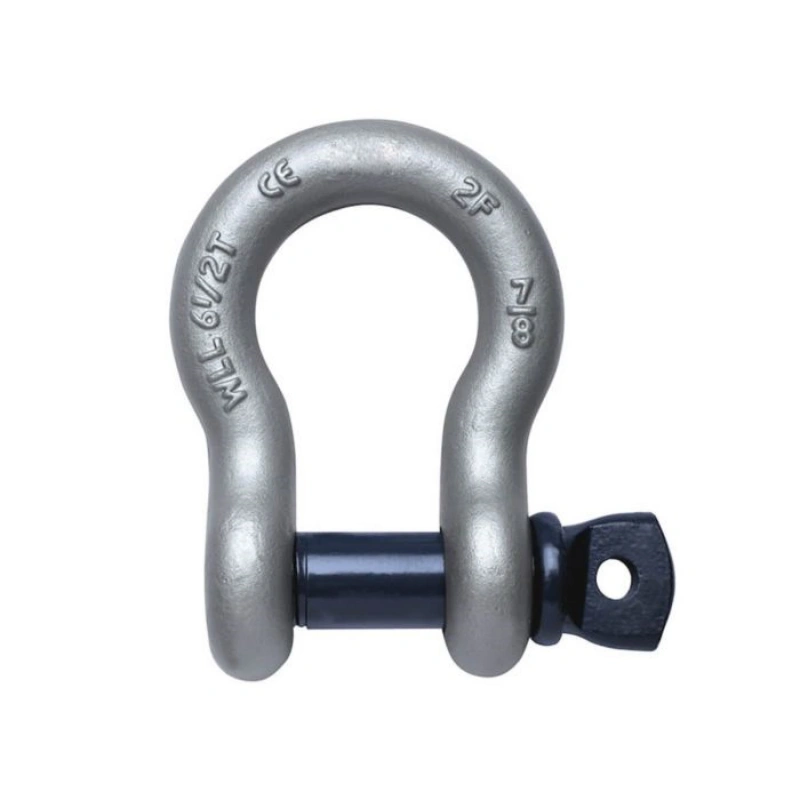
The shackle range includes bow and D shackle patterns with screw-pin and bolt-type configurations across multiple standard patterns. Select the exact shackle by WLL, pin configuration, dimensions, connection geometry, and intended application—not by nominal size alone.
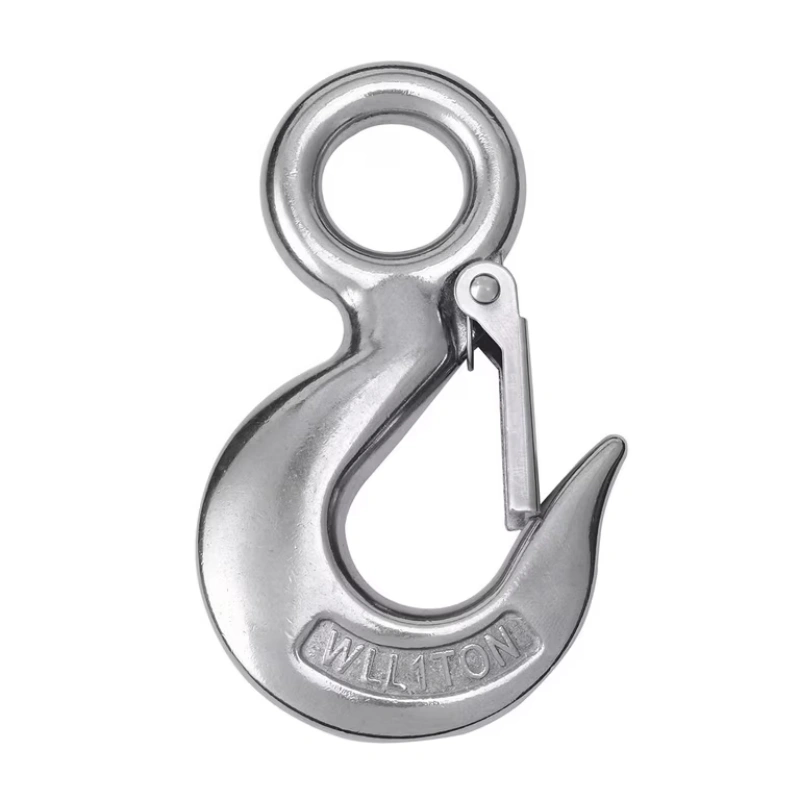
Hooks, Connecting Links and Master Links
Powerful Machinery supplies Grade 80 and Grade 100 lifting hooks, connecting links, master links, and related chain sling components for industrial lifting and rigging assemblies. Options include different hook designs, locking or latch configurations, connection types, chain sizes, and working load limits. Specify the required grade, chain size, WLL, connection type, and assembly requirements when requesting a quote.
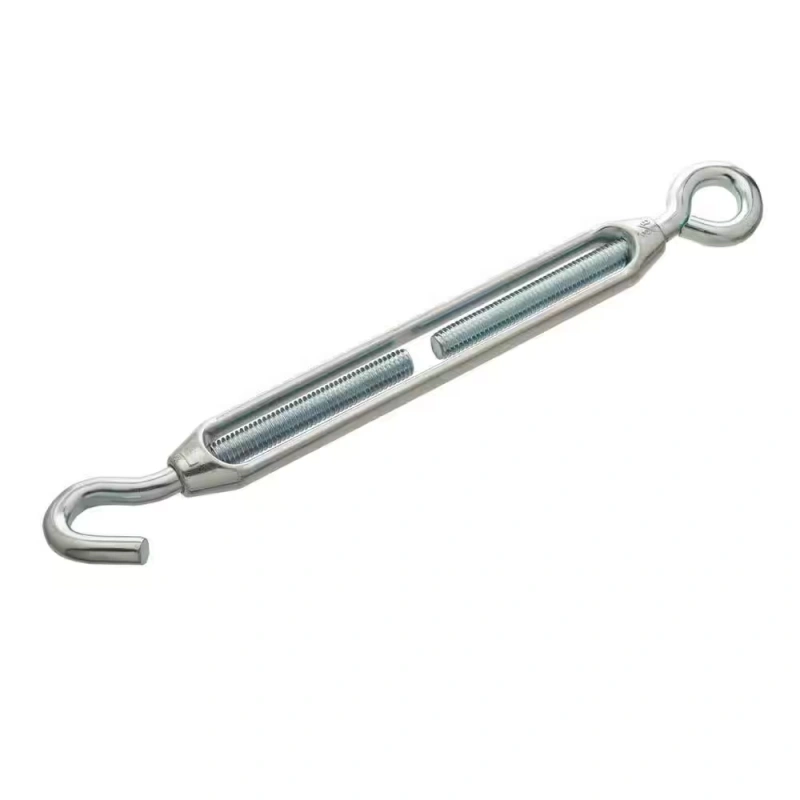
Turnbuckles and Rigging Screws
Powerful Machinery supplies turnbuckles and rigging screws for tensioning and length adjustment in wire rope, rod, and bracing assemblies. Available configurations include multiple body styles, thread sizes, and end-fitting combinations to suit different connection and service requirements. Specify the required end fittings, thread size, material, finish, rated capacity, applicable standard, and quantity when requesting a quote.
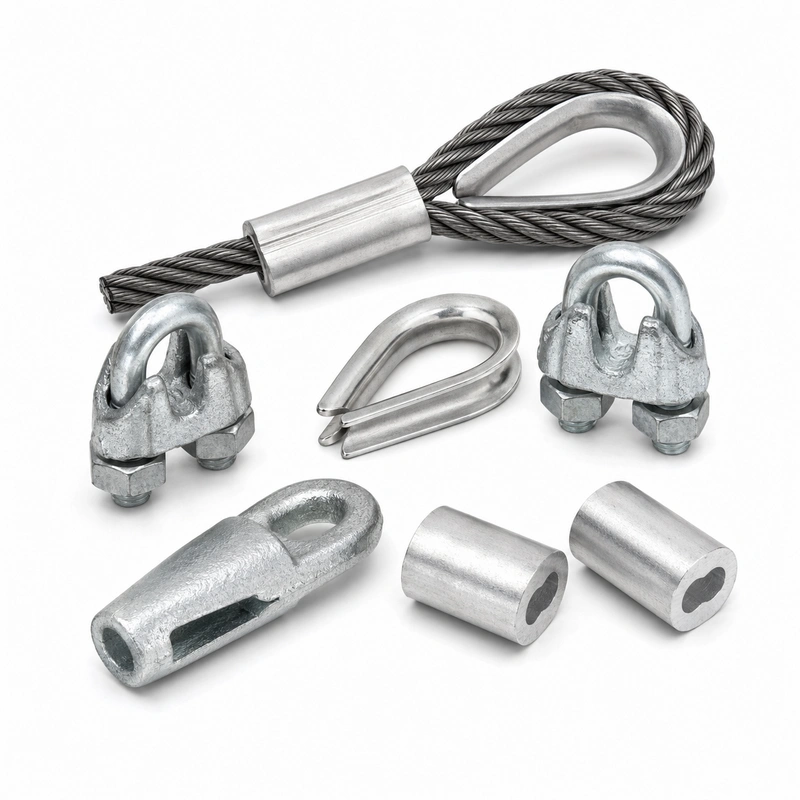
Wire Rope Fittings
Wire rope fittings include clips, thimbles, sleeves, sockets, and related components used to terminate, protect, or connect wire rope. Termination method, clip quantity, spacing, tightening torque, and socketing procedure are standard- and product-specific; follow the applicable manufacturer instructions and standard requirements.
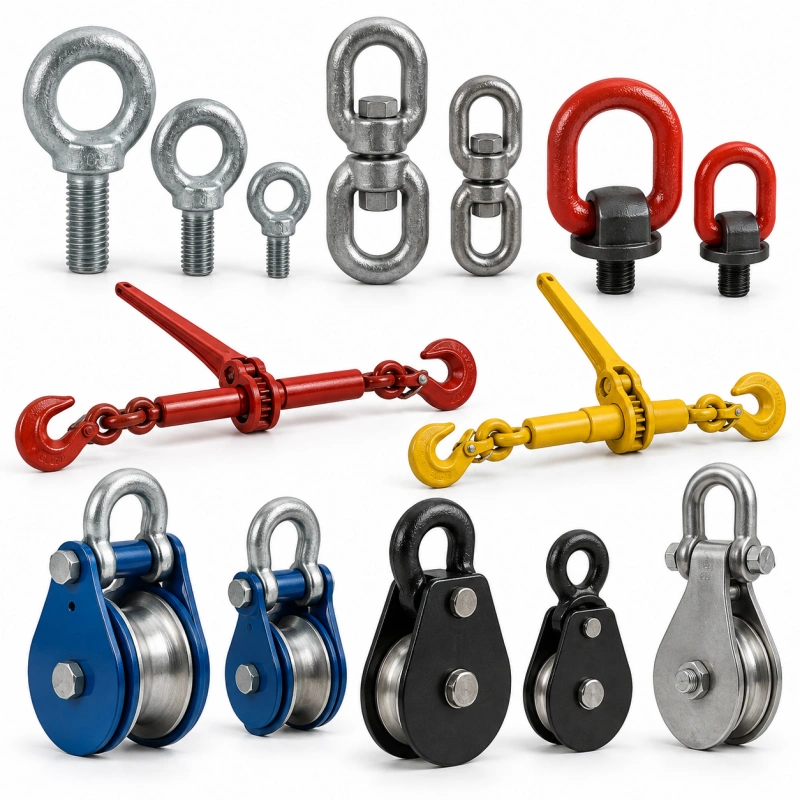
Eye Bolts, Swivels, Rings, Load Binders and Blocks
Powerful Machinery supplies eye bolts and eye nuts, swivels, rings and links, snap hooks and quick links, load binders, and pulley blocks and snatch blocks for lifting, rigging, tensioning, load securement, and wire rope systems. Products are available in different sizes, working load limits, connection styles, materials, and finishes. For quotation, specify the required product type, WLL or rated capacity, size, connection configuration, material or finish, applicable standard, and quantity.
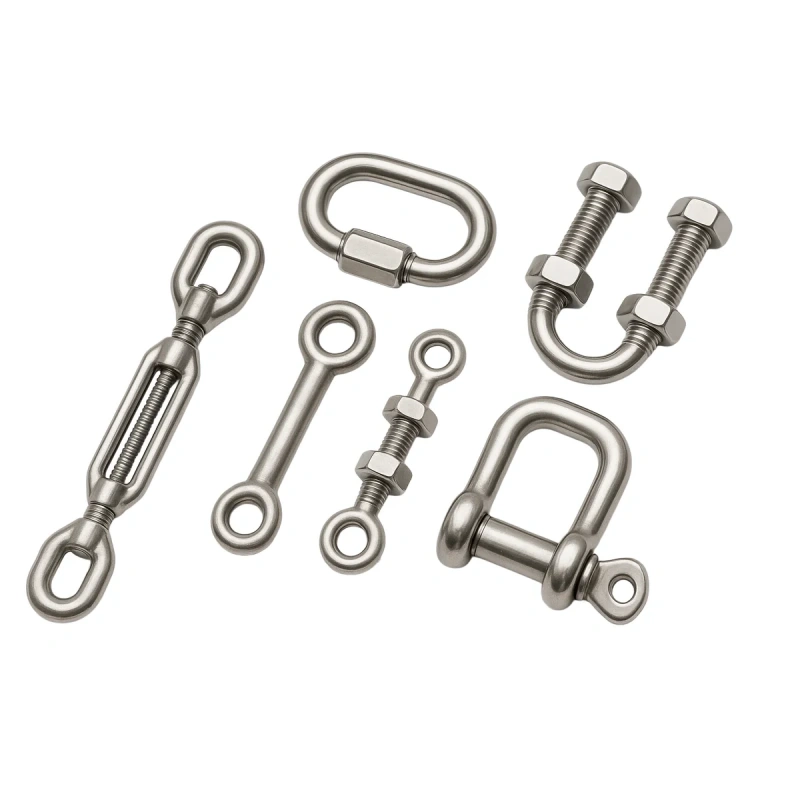
Stainless Steel Rigging Hardware
Selected stainless steel rigging components and corrosion-resistant finishes are available. Material grade and finish vary by product, so specify the service environment, required material grade, and finish rather than assuming one stainless steel grade across the range.
For category-level product browsing across hooks, links, shackles, turnbuckles, wire rope fittings, eye bolts, load binders, swivels, rings, and related components, browse individual hardware accessory categories.
How to Specify Rigging Hardware for Quotation
Before requesting a quotation, define the application, load requirements, connection geometry, and applicable specification. Rigging components with the same nominal size may have different working load limits, dimensions, connection configurations, and permitted load directions depending on the product design and applicable standard.
- Required WLL or rated capacity and load direction
- Product type, connection details, and critical dimensions
- Material, grade, and finish
- Operating or service environment
- Applicable standard, drawing, or customer specification
- Quantity
- Marking, certification, testing, and inspection requirements
If you need to compare different hardware types before preparing an RFQ, see our types of rigging hardware guide for an overview of common components and their typical functions.
How to Evaluate a Rigging Hardware Manufacturer or Supplier
When qualifying a rigging hardware supplier, evaluate whether the manufacturer can meet the exact product specification, quality requirements, documentation requirements, and delivery conditions for your order. The assessment should be based on the specific products and project requirements involved.
- Product range and application fit: Confirm that the supplier can provide the required rigging hardware types, sizes, grades, and configurations without unsuitable substitutions.
- Rated data and product markings: Verify the exact model or part designation, WLL or rated capacity, dimensions, material or grade, and required identification markings.
- Manufacturing and quality control: Review the relevant forging, heat treatment, machining, coating, inspection, and testing controls for the products being purchased.
- Traceability and documentation: Specify any heat or batch traceability, material certificates, test reports, inspection records, or other documentation required with the order.
- Third-party inspection: Define any independent inspection, testing, or witnessing requirements before the purchase order is confirmed.
- OEM and custom capability: For special dimensions, drawings, markings, packaging, or private-label requirements, see our custom and OEM rigging hardware capabilities.
- Packaging and logistics: Specify packaging, labeling, destination, shipping terms, and delivery requirements so quotations can be compared on the same basis.
Manufacturing, Testing, and Documentation: What to Verify
Manufacturing and quality requirements can vary by product type, material, grade, applicable standard, and order specification. Depending on the product, production may include forging, heat treatment, machining, surface finishing, inspection, and testing. The required process controls, test methods, traceability, and documentation should therefore be confirmed for the specific item being ordered.
When preparing an RFQ, specify any documentation and quality requirements that apply to the order, including product markings, heat or batch traceability, inspection records, test reports, certificates, and third-party inspection or witnessing requirements. The applicable documentation package and testing scope should be confirmed in the quotation and purchase specification.
Standards, Ratings, and Product Verification
For rigging hardware used in the U.S. market, applicable standards and regulatory requirements depend on the product, application, and work environment. ASME B30.26 covers several categories of detachable rigging hardware used in load-handling applications, including shackles, links, rings, swivels, turnbuckles, eyebolts, hoist rings, wire rope clips, wedge sockets, and rigging blocks.
For construction activities covered by OSHA requirements, 29 CFR 1926.251 includes provisions for rigging equipment used in material handling, including inspection, identification, and rated-load markings, removal of defective equipment from service, and requirements affecting shackles, hooks, slings, and related attachments.
Standards and regulatory references should not be treated as confirmation that every product is suitable or compliant for every application. Before ordering or use, verify the exact product specification, WLL or rated capacity, markings, dimensions, documentation, and intended application against the applicable standard, project specification, and regulatory requirements.
For in-service checks, common damage conditions, and component-specific inspection points, see our rigging hardware inspection guide.
Wholesale & Bulk Rigging Hardware Supply
Powerful Machinery supports wholesale, distributor, OEM, and project-based orders for rigging hardware across multiple product types, sizes, finishes, and configurations. For accurate quotation and order planning, provide the required specifications, quantities, packaging, documentation, and delivery information for each item.
- Quantity by item or SKU: Specify the required quantity for each size, grade, finish, or configuration.
- MOQ: Minimum order quantities may vary by product, size, finish, and customization requirement and should be confirmed in the quotation.
- Multi-item RFQs: Multiple rigging hardware products can be included in one inquiry for consolidated quotation and project sourcing.
- Packaging and labeling: Specify bulk, carton, pallet, export packaging, barcode, product marking, or private-label requirements.
- Quality documentation: State any required certificates, test reports, traceability records, inspection documents, or third-party inspection requirements.
- Delivery requirements: Provide the destination, required delivery schedule, and any shipping or project-specific logistics requirements.
For orders covering multiple products, send the complete item list or BOM with specifications and quantities so the requirements can be reviewed under one RFQ.
Custom and OEM Rigging Hardware
When standard products do not meet the required dimensions, material, finish, marking, packaging, or application requirements, Powerful Machinery can review custom and OEM rigging hardware requirements based on drawings or detailed specifications.
Custom requirements may include special dimensions, materials, forging or machining specifications, surface treatments, product markings, private-label packaging, testing, inspection, and documentation. See our custom and OEM rigging hardware capabilities for more information or submit your drawing and technical requirements with the RFQ.
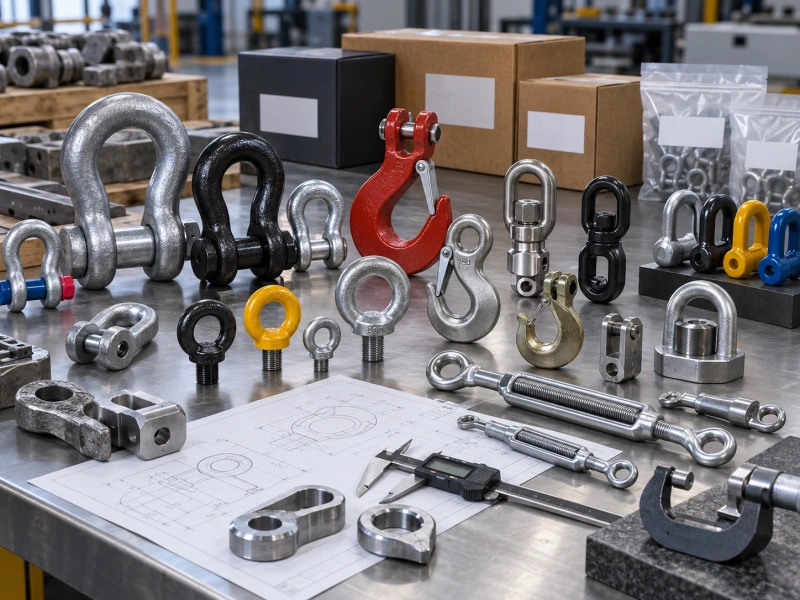
Why Source Rigging Hardware from Powerful Machinery?
- Broad product range: Source shackles, hooks, links, turnbuckles, wire rope fittings, eye bolts, swivels, load binders, blocks, and other rigging hardware through one supplier.
- Specification-based quotation: Product selection and quotation can be based on the required WLL or rated capacity, dimensions, material, finish, applicable standard, and application requirements.
- Manufacturing capabilities: Depending on the product, manufacturing can include forging, heat treatment, machining, surface finishing, and related production processes.
- Quality and documentation requirements: Testing, inspection, traceability, certificates, and other documentation can be defined according to the product and order requirements.
- Custom and OEM support: Drawing-based dimensions, special materials or finishes, custom markings, private-label packaging, and other OEM requirements can be reviewed for quotation.
- Multi-item RFQ support: Submit multiple rigging hardware items, sizes, or configurations in one RFQ for coordinated quotation and order review.

What to Include in a Rigging Hardware RFQ
- Product type, model, or part reference
- Required WLL or rated capacity, as applicable, and load direction
- Size, connection details, and critical dimensions or drawing
- Application and service environment
- Material, grade, and finish
- Applicable standard or customer specification
- Quantity by item or SKU
- Marking, labeling, and packaging requirements
- Test reports, certificates, traceability, or third-party inspection requirements
- Destination and required delivery date
Ready to source rigging hardware? Send your complete product list, including multiple rigging hardware items if required. Powerful Machinery will review the specifications, identify suitable products or configurations, confirm any additional information needed for quotation, and provide quotation details based on the actual order requirements.
Rigging Hardware FAQs
Which rigging hardware is designed for vertical pulls?
Shouldered eye bolts, rated hoist rings, shackles, hooks and other lifting points may be suitable for a straight vertical pull when their WLL, loading direction, connection and manufacturer instructions match the lift. Unshouldered eye bolts are generally limited to in-line loading. See our focused guide to rigging hardware for vertical pulls before choosing a component.
Can every shackle, hook or turnbuckle be used for overhead lifting?
No. Similar-looking hardware can be made for lifting, lashing, towing, tensioning, marine or general-purpose service. Use a component for overhead lifting only when it is rated, marked, documented and permitted by the manufacturer for that application.
Do you supply proof-tested rigging hardware?
Proof or load testing is available for applicable products and orders. Specify the required test load, sampling level, acceptance criteria, witness or third-party requirement and certificate format before quotation. Breaking-load testing can also be discussed when the order requires validation beyond routine proof testing.
How do I choose between galvanized and stainless-steel rigging hardware?
Choose by environment, rating and product specification. Galvanized carbon or alloy steel is widely used for outdoor industrial service, while stainless steel is selected where corrosion resistance is a priority. Confirm that the chosen product—not just the material—has the required rating and documentation.
What documents can be supplied with an order?
Depending on the product and agreed order scope, documentation can include material certificates, test certificates, dimensional or inspection reports, batch traceability records, packing lists and third-party inspection reports. List every required document in the RFQ so availability and cost can be confirmed.
Can you manufacture rigging hardware from my drawing?
Yes. Send the drawing or sample with the intended function, load direction, material, dimensions, finish, quantity, marking, testing and documentation requirements. We will review manufacturability and identify any points that must be confirmed before production.
Need a Rigging Hardware Quote or Selection Review?
Send your product list, drawing or project specification. Tell us the required WLL or size, connection details, finish, quantity, destination and documents. We will review the request and confirm the available product route before quoting.