You want your manual chain hoist to perform reliably every time. Regular maintenance and careful inspections help prevent accidents, extend equipment life, and ensure safe operation.
Powerful Machinery’s chain hoists stand out for their rigorous testing and international certifications, offering reliability that meets or exceeds leading brands. When you approach hand chain hoist troubleshooting, always use proper safety procedures.
If you feel unsure about any repair or maintenance step, consult a qualified professional.
Key Takeaways
Always wear personal protective equipment like safety glasses and gloves when working on a manual chain hoist to ensure your safety.
Regularly inspect your hoist for signs of wear, such as rust or damage, to prevent accidents and extend its lifespan.
Use only certified replacement parts from Powerful Machinery to maintain safety and compatibility with your hoist.
Perform systematic troubleshooting steps to identify issues quickly, such as checking for load capacity and inspecting the brake system.
Follow a regular maintenance schedule, including daily checks and periodic inspections, to keep your hoist in top condition.
Safety and Preparation for Hand Chain Hoist Repair
Powerful Machinery puts safety first in every product. You benefit from certified equipment that meets strict international standards. Before you begin any repair or maintenance on your hand chain hoist, you must prepare properly to protect yourself and your workspace.
Personal Protective Equipment
You should always wear the right gear when working with a hand chain hoist. The following items help keep you safe:
Safety glasses shield your eyes from flying debris.
Heavy-duty gloves protect your hands from sharp edges and pinch points.
Steel-toed boots guard your feet against dropped tools or parts.
A hard hat prevents head injuries in busy work areas.
Hearing protection is useful if you work in noisy environments.
Tip: Inspect your protective equipment before each use. A damaged gear cannot provide full protection.
Preparing the Work Area
A clean and organized workspace reduces risks. You should:
Remove clutter and obstacles from the area.
Ensure good lighting so you can see all parts clearly.
Place warning signs to alert others about ongoing repair work.
Use stable platforms or ladders if you need to reach overhead hoists.
Tools and Materials Needed
Gather all necessary tools before you start. Common items include:
Wrenches and screwdrivers for disassembly.
Lubricants for moving parts.
Cleaning cloths and brushes for removing dirt and grease.
Replacement parts that match your hand chain hoist model.
Note: Using certified replacement parts from Powerful Machinery ensures compatibility and safety.
When to Seek Professional Help?
Some repairs require expert knowledge. You should contact a qualified technician if you notice:
Severe damage to the load chain or hoist body.
Unusual noises that do not stop after cleaning and lubrication.
Brake systems that fail to hold the load securely.
Difficulty in identifying the cause of a malfunction.
The table below shows the certifications held by Powerful Machinery’s manual chain hoists. These certifications guarantee safety and reliability in your workplace.
Certification | Description | Impact on Workplace Safety |
|---|---|---|
CE Marking | Indicates compliance with safety standards for the European market. | Ensures reliable and safe lifting equipment, reducing accident risks. |
ISO 9001 | Certification for quality management systems. | Enhances safety through improved manufacturing practices. |
ASME B30.16 | Safety standards for overhead hoists in North America. | Ensures equipment safety through comprehensive design and testing rules. |
EN 13157 | European standard for hand-powered lifting equipment. | Compliance allows for CE marking, ensuring safety in the EU market. |
Proper preparation and attention to safety help you perform hand chain hoist repairs with confidence. Regular maintenance keeps your equipment reliable and extends its service life.
Manual Chain Hoist Troubleshooting and Common Issues
Manual chain hoists are built for reliability, but even the best equipment can face challenges over time. You need a clear hand chain hoist troubleshooting process to keep your SK Series or Chain Hoist from Powerful Machinery running smoothly.
This section covers how to identify the problem, what to look for during inspection, and how to address the most common issues.
Hoist Not Lifting
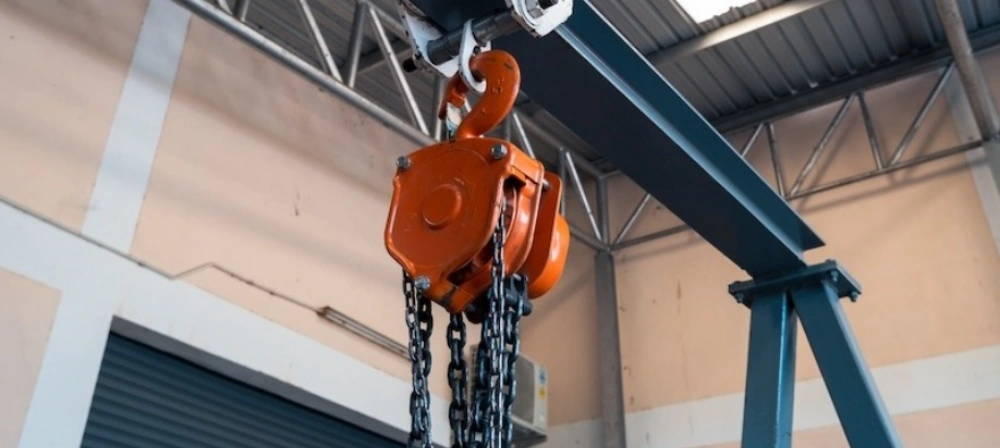
When your hoist does not lift, you must act quickly to identify the problem. Start by checking the load weight. If the load exceeds the hoist’s rated capacity, the hoist will not operate safely. Powerful Machinery’s SK Series models come with clear capacity markings to help you avoid overloading.
Other possible causes include:
The hand chain may not move smoothly due to dirt or lack of lubrication.
The load chain could be twisted or jammed.
The brake system may be worn or damaged.
You should always begin with a visual inspection. Look for obvious signs of damage or misalignment. If you cannot identify the problem visually, refer to your product manual for further hand chain hoist troubleshooting steps.
Chain Stuck or Jammed
A stuck or jammed chain is one of the most frequent hand chain hoist troubleshooting scenarios. This issue often results from improper chain alignment, debris in the chain path, or a twisted chain.
The SK Series and Chain Hoist products from Powerful Machinery feature high-quality chains designed to resist twisting and jamming, but regular inspection remains essential.
To address a jammed chain:
Lower the load completely and remove any tension from the chain.
Inspect the chain for kinks, twists, or foreign objects.
Clean the chain and guide path with a brush or cloth.
Lubricate the chain as recommended in your manual.
Tip: Never force a jammed chain. Forcing can cause permanent damage to the hoist.
Unusual Noises
Unusual noises during operation signal that you need to identify the problem before continuing to use it. Grinding, squeaking, or clicking sounds often point to issues with lubrication, worn gears, or misaligned components.
Powerful Machinery’s SK Series hoists use precision-engineered gears for smooth operation, but even the best gears require periodic inspection.
If you hear strange noises:
Stop using the hoist immediately.
Perform a thorough inspection of the gears, bearings, and chain.
Check for signs of wear, lack of lubrication, or loose parts.
Apply lubricant to moving parts if needed.
If the noise persists after maintenance, consult a professional technician for advanced hand chain hoist troubleshooting.
Brake Not Holding
A brake that does not hold the load is a serious safety concern. You must identify the problem and resolve it before using the hoist again. Worn or damaged brakes rank among the top five causes of manual chain hoist malfunction in industry reports.
To diagnose brake issues, follow these steps:
Regularly inspect the braking system for wear or slippage.
Adjust or replace brake components as needed.
Lift a small test load (10-25% of rated capacity).
Raise the load 30-50 cm off the ground and hold it for at least one minute.
Watch for any downward movement, which indicates a brake problem.
Test the hoist in both lifting and lowering directions to ensure crisp starts and stops.
If the brake fails any of these tests, do not use the hoist until repairs are complete.
Initial Inspection Steps
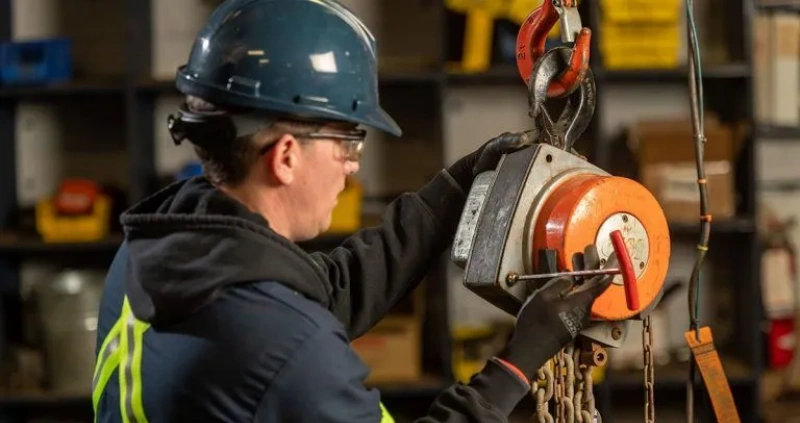
Before you begin any hand chain hoist troubleshooting, always perform a systematic inspection. This helps you identify the problem quickly and safely. Here are the top five causes of manual chain hoist malfunction according to industry reports:
Insufficient load capacity
Chain jamming or twisting
Worn or damaged load brake
Power supply issues (not applicable to manual hoists, but always check for environmental factors)
Motor overheating (for electric hoists; for manual hoists, focus on mechanical wear)
For manual hoists like the SK Series, focus on load capacity, chain condition, and brake performance. Use the following checklist for your initial inspection:
Check the load and hand chains for wear, corrosion, or deformation.
Inspect the brake system for signs of slippage or wear.
Ensure all gears and bearings move smoothly.
Confirm that the hoist is mounted securely and aligned properly.
Note: Powerful Machinery’s SK Series and Chain Hoist products are engineered for efficiency and durability, but regular inspection is the key to long-term performance.
A structured hand chain hoist troubleshooting approach helps you identify the problem early and keep your equipment in top condition. Addressing common issues promptly ensures safe and reliable lifting every time.
Disassembly and Inspection Repair Guide
A thorough repair guide helps you maintain your manual chain hoist and ensures safe operation. Powerful Machinery’s chain hoists offer exceptional durability and low maintenance needs, but you must follow a careful repair process to keep your equipment in top condition.
Disconnecting and Disassembling
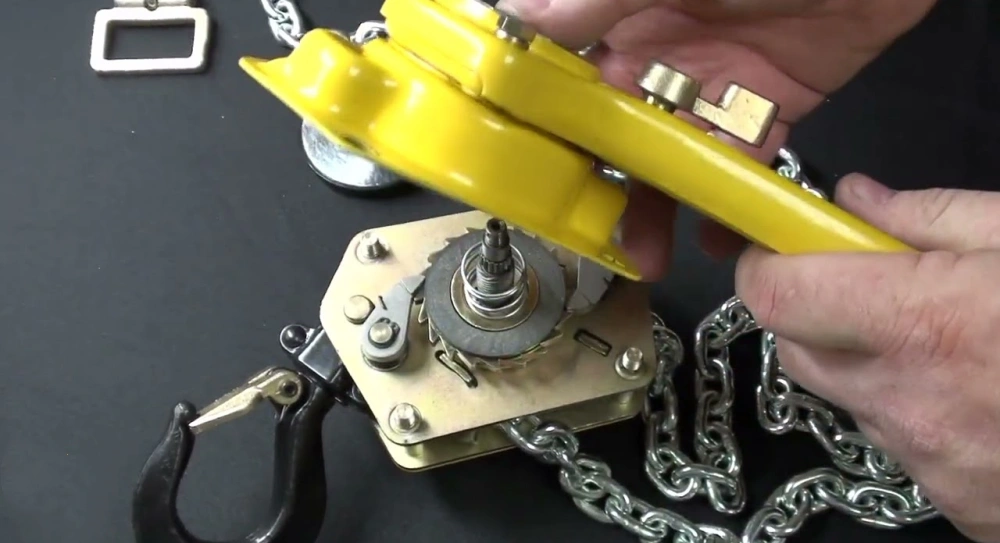
Begin the repair process by disconnecting the hoist from its mounting point. Make sure the load is removed and the area is secure. Use the correct tools to loosen bolts and fasteners.
Carefully separate the hoist body, chain, and hooks. Disassembly allows you to access internal components for cleaning and inspection. Avoid forcing parts apart, as this can cause damage.
Tip: Take photos during disassembly to help you remember the correct order for reassembly.
Cleaning Components
Clean each part thoroughly before you continue the repair process. Use brushes and cloths to remove dirt, grease, and debris from the chain, gears, and housing. Inspect the chain for rough or sticky links.
Chains made from hardened steel or zinc-plated materials resist corrosion and wear, but regular cleaning extends their lifespan. Wipe down hooks and safety latches, and check for any buildup that could affect performance.
Hardened load chains offer increased resistance compared to wire ropes.
Zinc-plated chains and steel hoist bodies provide extra durability.
Cast aluminum and steel construction enhance strength and longevity.
Inspecting for Wear and Damage
Inspection is a critical step in any repair guide. Look for these common signs of wear and damage:
Rust or corrosion on chains, hooks, or housing.
Excessive wear on chain links, gears, or moving parts.
Strange noises or vibrations during operation.
Difficulty operating the hoist smoothly.
Loose, cracked, or damaged hooks.
Signs of overloading or misuse.
Lack of proper maintenance.
Pay attention to slipping controls, rough chains, and visible damage to hooks or safety latches. Grade 80 chains are standard, but Grade 100 chains offer better durability for demanding tasks. The quality of construction impacts the lifespan of your hoist, especially in challenging environments.
Note: Regular inspection and repair help you avoid unexpected failures and keep your Powerful Machinery chain hoist working reliably for years.
Repairing and Replacing Hand Chain Hoist Parts
When you repair or replace parts on your manual chain hoist, you protect your investment and ensure safe operation. Powerful Machinery offers certified replacement parts designed for perfect compatibility with SK Series and Chain Hoist models.
Using genuine components helps you maintain the highest safety standards and keeps your equipment performing at its best.
Chain Repair and Replacement
You must inspect the load chain regularly for signs of wear, stretching, or corrosion. If you notice any damage, you should repair the chain or replace it with a certified part from Powerful Machinery. Genuine chains match your hoist’s specifications and guarantee reliable lifting performance.
Always remove the damaged chain before you install a new one.
Check the chain for proper alignment and smooth movement after installation.
Use only manufacturer-approved chains to avoid compromising safety.
Document the date and details of each chain repair for future reference.
Tip: Using non-original chains can compromise the safety of your hoist and may void your warranty. Genuine replacement chains ensure optimal performance and long-term reliability.
Brake Adjustment and Repair
The brake system is critical for holding loads securely. You need to adjust and repair the brake periodically to maintain optimal holding force. Powerful Machinery recommends regular brake inspections to prevent slippage and ensure safe operation.
Inspect the brake for wear or contamination during every maintenance cycle.
Adjust the brake tension according to your hoist’s manual.
Replace worn brake pads or components with certified parts.
Test the brake with a light load before returning the hoist to service.
Brake adjustments should be performed periodically to maintain optimal holding force.
Repairs with non-genuine parts may void the warranty.
Note: If you notice the brake failing to hold, stop using the hoist immediately and perform a thorough repair. Safety always comes first.
Gear and Bearing Replacement
Gears and bearings play a vital role in smooth hoist operation. You should inspect these components for signs of wear, grinding, or unusual noises. If you find damage, repair the affected part or replace it with a certified component from Powerful Machinery.
Remove the gear cover and inspect all gears for chipped teeth or excessive wear.
Check bearings for smooth rotation and absence of play.
Clean all parts before you install new gears or bearings.
Use only genuine parts to maintain warranty coverage and ensure compatibility.
Tip: Using non-original parts can compromise the safety of the hoist. Genuine gears and bearings from Powerful Machinery guarantee long-lasting performance.
Lubrication Tips
Proper lubrication reduces friction and extends the life of your chain hoist. You should follow the manufacturer’s recommendations for lubricants and application frequency. Powerful Machinery provides a range of approved lubricants for different components.
Usage | Type | Part # | Container Size |
|---|---|---|---|
Hoist Gears | Grease | 28605 | 1/2 pound |
28616 | 1 pound | ||
28617 | 4 pound | ||
Spine on the end of the Drive Shaft | Oil-Graphite Mixture | 40628 | 1 pint |
Load Chain | Oil | 28608 | 1 pint |
28619 | 1 gallon | ||
Limit Switch Shaft Threads | “3 in 1” or Light Machine Oil | – | – |
Apply grease to gears and moving parts as specified.
Use oil on the load chain to prevent rust and ensure smooth operation.
Lubricate the drive shaft and limit switch threads with recommended oils.
Tip: Regular lubrication prevents premature wear and keeps your hoist running smoothly. Always use the correct lubricant for each part.
When you repair your manual chain hoist, you must use certified replacement parts from Powerful Machinery. Genuine components protect your warranty, maintain safety, and deliver reliable performance. Document each repair and follow the recommended maintenance schedule to maximize the lifespan of your equipment.
Reassembly, Testing, and Maintenance Schedule
Powerful Machinery’s SK Series and Chain Hoist products undergo rigorous product testing and meet international safety standards. You must follow precise steps for reassembly, testing, and maintenance to ensure reliable performance and long service life.
Reassembly Steps
Reassemble the hoist carefully, using the photos you took during disassembly as a guide.
Lubricate all moving parts with the manufacturer’s recommended lubricants for best results.
Tighten all screws and bolts securely, but avoid overtightening to prevent damage.
Operate the hoist without any load to confirm smooth movement.
Adjust the brake tension if needed during testing and adjustment.
Tip: Double-check each connection before you test the hoist. Proper reassembly prevents future issues.
Initial and Load Testing
After reassembly, you must test the hoist to verify safe operation. Load testing is required by ASME B30.16 standards. You should:
Conduct load testing before returning the hoist to service after repairs or modifications.
Test the hoist’s lifting and lowering functions with a load between 100% and 125% of its rated capacity.
Ensure a qualified person supervises all testing and adjustment procedures.
Perform operational tests if you replaced the load chain, even if a full load test is not required.
Note: Always record the results of each test. Reliable testing helps you catch problems early and maintain safety.
Maintenance Tips and Schedule
Regular maintenance keeps your manual chain hoist in top condition. You should follow these maintenance tips:
Use a daily checklist for pre-operational inspections to spot issues early.
Schedule periodic inspections every 250 hours of operation or at least once per quarter, especially in heavy-use environments.
Clean and lubricate the hoist proactively, adjusting frequency based on usage.
Adhere to the manufacturer’s maintenance schedule and have qualified technicians perform servicing.
The table below outlines recommended inspection intervals for manual chain hoists:
Inspection Type | Frequency | Description |
|---|---|---|
Initial Inspection | Before initial use or after modifications | Ensures compliance with ASME B30.16. |
Frequent Inspection | Weekly to monthly | Visual check for proper operation and unusual sounds. |
Periodic Inspection | Monthly to annually | Detailed examination by competent personnel. |
Hoists Not in Regular Service | After 1 month or 1 year of inactivity | Inspection required before returning to service. |
Inspection Records | Ongoing | Maintain dated reports for accountability and safety. |
Maintenance tips: Document every inspection and repair. Consistent records help you track performance and plan future maintenance.
You protect your investment and ensure safe lifting when you follow a regular maintenance schedule and perform thorough testing.
Conclusion
You protect your manual chain hoist and workplace by following each step in the repair guide. Regular inspections and certified parts help prevent malfunctions and extend equipment life. Industry studies highlight the importance of checking load chains, wire rope, and reeving for damage.
Inspection Area | Key Points to Check |
|---|---|
Load Chains | Look for nicks, gouges, wear spots, and deformation. Replace if damaged. |
Wire Rope | Check for distortion, kinking, corrosion, and broken strands. Remove if damaged. |
Reeving | Ensure proper placement without kinks or twists. Repair if issues are found. |
You should schedule annual inspections and consult certified technicians for complex repairs. For more support or product details, visit Powerful Machinery’s website or reach out to a professional.
FAQ
How often should you inspect your manual chain hoist?
You should inspect your manual chain hoist before each use and perform a detailed inspection every three months. Regular checks help you spot wear, damage, or safety issues early.
Can you use any replacement part for your SK Series hoist?
You must use certified replacement parts from Powerful Machinery. Genuine parts ensure compatibility, maintain safety standards, and protect your warranty.
What lubricant works best for chain hoists?
You should use manufacturer-recommended lubricants. Powerful Machinery suggests high-quality oil for chains and grease for gears. Proper lubrication reduces friction and extends equipment life.
What should you do if your hoist fails a load test?
Stop using the hoist immediately. You need to inspect all components, repair or replace faulty parts, and retest before returning the hoist to service.