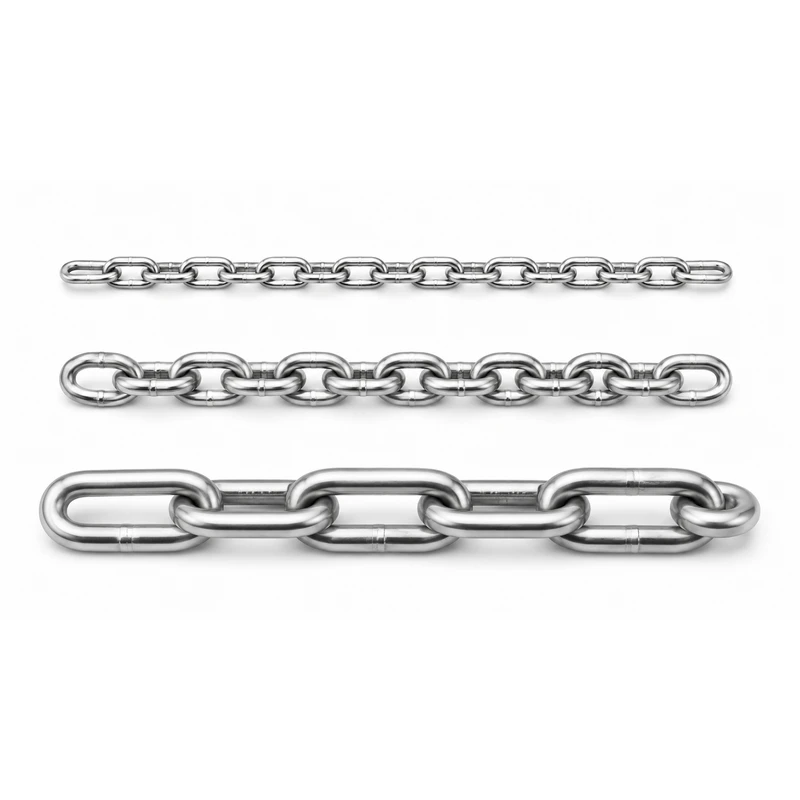
You need an anchor chain for boats to ensure safety and reliable performance on the water. Industry studies show that high tensile strength, corrosion resistance, and adherence to international standards play key roles in anchor chain integrity and vessel security.
Choosing the right type, length, and size protects your investment and keeps your boat secure, even in harsh conditions. Powerful Machinery provides certified solutions trusted by marine professionals worldwide.
Aspect | Importance |
|---|---|
Material Properties | High tensile strength and corrosion resistance are crucial for maintaining anchor chain integrity. |
Design Standards | Adherence to ISO and ABS standards ensures the safety and reliability of anchor chains. |
Inspection Techniques | Non-destructive testing methods help assess anchor chain condition and prevent failures. |
Failure Prevention Techniques | Understanding failure modes and employing techniques like heat treatment minimizes risks. |
Chain Management | Calculating breaking strength and assessing wear are critical for maintaining vessel safety. |
Key Takeaways
Using a certified anchor chain enhances safety and reliability for your boat, protecting it from potential hazards.
Select the right length and size of anchor chain based on your boat’s specifications and environmental conditions for optimal performance.
Regular inspections and maintenance of your anchor chain prevent failures and extend its lifespan, ensuring safe anchoring.
Understanding the differences between chain types, like stud link and studless, helps you choose the best option for your vessel’s needs.
Consulting marine professionals for advice on anchor chain selection ensures you make informed decisions that enhance your boating experience.
Do I Need a Chain on My Anchor?
Safety and Performance Benefits
You need an anchor chain for boats to achieve reliable anchoring and protect your vessel in all conditions. The anchor chain plays a critical role in keeping your boat secure, especially when you face strong winds, waves, or shifting currents.
Powerful Machinery designs anchor chains with high-grade steel and advanced galvanization, ensuring durability and long-lasting performance.
Anchor chains use heavy, durable materials like galvanized steel or stainless steel. These materials resist abrasion and mechanical damage, even in harsh marine environments.
The weight of the anchor chain creates a catenary effect. This effect keeps the pull on the anchor horizontal, which helps the anchor dig deeper into the seabed and prevents dragging.
Anchor chains act as shock absorbers. They reduce the stress on your anchor and hardware, extending the lifespan of your equipment.
You can rely on anchor chains for deep-water anchoring and rough seabeds. They provide stability for large vessels and industrial settings where abrasion resistance is essential.
When you choose a certified anchor chain from Powerful Machinery, you gain peace of mind. These chains meet international standards like ISO9001 and RINA, ensuring safety and reliability.
The robust holding power of these chains protects your crew and vessel from potential hazards. The studless design eliminates weak points, reducing the risk of failure and saving you time and money on replacements.
Feature | Description |
|---|---|
Durability | Reliable use in harsh marine conditions |
Compliance | Meets ISO9001 and RINA standards for safety and reliability |
Robust holding power | Protects your crew and vessel from hazards |
Studless design | Reduces risk of chain failure |
Long-lasting performance | Minimizes the need for frequent replacements |
You also reduce your liability as a boat owner. If your vessel drags anchor and causes damage, you may face insurance complications or legal claims. Using a certified anchor chain helps prevent these issues and keeps your boat compliant with insurance requirements.
Common Myths About Anchor Chains
Many boat owners believe myths about anchor chains that can put their vessels at risk. You may have heard that the weight of the chain alone is enough to keep your boat anchored in strong winds. In reality, the chain’s weight works with the anchor and the seabed to provide holding power.
Relying on weight alone can lead to anchor drag and dangerous situations.
Some owners think they do not need a snubber or bridle. A snubber absorbs shock loads and prevents the chain or windlass from breaking. Without a snubber, you risk damaging your equipment during sudden gusts or waves.
There is confusion between a bridle and a snubber. A bridle helps distribute loads and reduce shock, improving anchoring effectiveness.
Many believe that insurance will always cover damages if their boat drags anchor. If you use an uncertified or poorly maintained chain, insurance companies may deny claims or seek repayment for damages.
You should also know that regular maintenance is essential. Visual inspections, rinsing with fresh water, and checking shackles help prevent failures. Powerful Machinery anchor chains require minimal maintenance due to their corrosion-resistant materials, but you should still follow a schedule to ensure maximum safety.
Upgrading to a certified anchor chain for boats from Powerful Machinery gives you enhanced stability, improved safety, and long-term durability. These chains meet strict standards, so you can trust them in demanding marine environments.
Anchor Chain Length and Size Selection
How to Choose Anchor Chain Length?
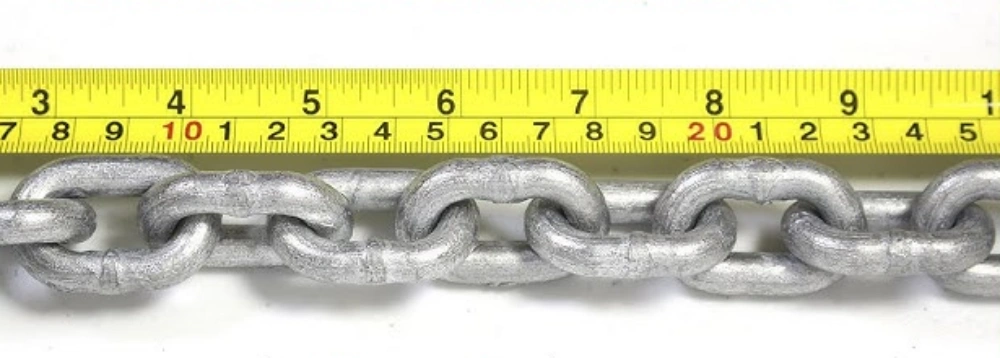
Selecting the right anchor chain length is essential for safe and effective anchoring. You must consider your boat’s size, the water depth, and the expected weather conditions. Marine professionals recommend using a scope ratio, which is the ratio of the total anchor rode (chain plus line) to the water depth.
For most boats, a scope ratio of 7:1 provides maximum holding power in rough weather. In calm conditions, you may use a 5:1 or even a 3:1 ratio.
Tip: Always measure the water depth at high tide to ensure you have enough chain for changing conditions.
Here are practical formulas and guidelines for calculating anchor chain length:
Measurement Unit | Formula for Chain Length | Notes |
|---|---|---|
Meters | Chain length = 15m + 2 × depth | Minimum for mid-size to large sailboats in high winds |
Feet | Chain length = 50ft + 2 × depth | Minimum for mid-size to large sailboats in high winds |
General | 4 to 7 times the depth of water | Scope ratio for maximum holding power |
Standard Usage | 7:1 ratio for anchor line | Recommended for rough weather conditions |
You should adjust the chain length based on the seabed type. If you anchor over rocky or uneven bottoms, add extra length for better holding. For sandy or muddy areas, you may subtract a few feet.
Powerful Machinery provides anchor chains in custom lengths, allowing you to match your chain precisely to your vessel’s needs and anchoring environment.
How to Choose Anchor Chain Size?
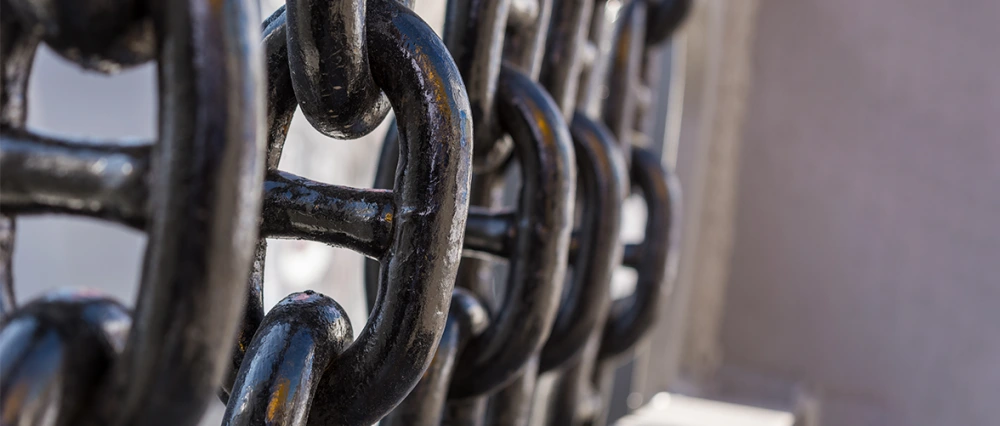
Anchor chain size refers to the diameter and strength of each link. You must select a chain that matches your vessel’s weight and type. Larger and heavier boats require thicker and stronger chains. The anchor type and its weight also influence the recommended chain size.
For example, a heavy plow anchor needs a robust chain to maximize its holding capacity.
Consider these industry standards when choosing anchor chain size:
Vessel size and weight: Heavier vessels need thicker chains for safety.
Anchor type and weight: Match the chain size to your anchor’s specifications.
Water depth: Use a scope ratio of 5:1 as a general rule, but increase the chain size for deeper waters.
Holding requirements: Factor in expected weather, currents, and seabed composition.
Note: Powerful Machinery offers anchor chains in a wide range of diameters and strengths, including stud link and studless designs. You can consult their technical specifications to find the ideal anchor chain size for your boat.
Adjusting for Boat Type and Conditions
Different boats require different anchor chain solutions. Sailboats often need longer chains due to higher windage and the forces acting on their hulls. In windy conditions, you should use at least a 5:1 scope, and sometimes more.
Motor yachts, which have less windage, may use shorter chains, but you must still account for tidal currents and the boat’s length.
Environmental factors also play a role. You should increase the chain length and size for challenging anchoring conditions, such as strong currents or exposed locations. Galvanized steel chains provide excellent corrosion resistance and strength, making them suitable for harsh marine environments.
Powerful Machinery supplies custom-engineered anchor chains for boats of all sizes, ensuring you get the right solution for your vessel and operating conditions.
Callout: Understanding your boat’s anchoring needs and consulting with marine professionals helps you select the best anchor chain size and length. Powerful Machinery’s certified products and expert support make this process straightforward and reliable.
Types of Anchor Chains for Boats
Hot Dip Galvanized and Stud Link Chains
When you select an anchor chain for boats, you must consider both material and construction. Hot-dip galvanized steel stands out as the most popular choice. The galvanization process coats the steel in molten zinc, forming a tough barrier that protects against rust and wear.
This makes hot-dip galvanized chains a cost-effective solution for marine environments.
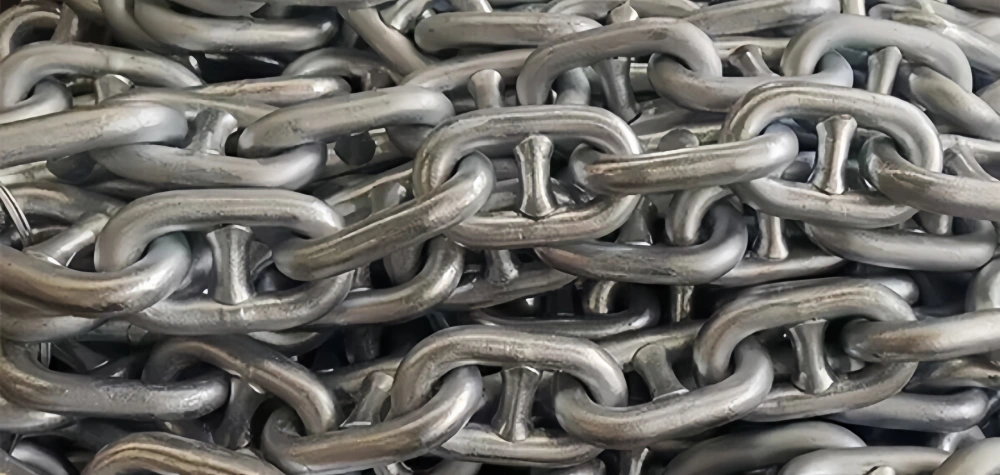
Stud link chains and studless chains offer different benefits. Stud link chains include a crossbar (stud) in each link, which boosts strength and reduces wear from friction. These chains work best for large vessels and high-stress anchoring situations.
Studless chains are lighter and more flexible, making them suitable for recreational boats and yachts.
Feature | Stud-Link Chains | Studless Chains |
|---|---|---|
Construction | Contains a crossbar (stud) for added strength | Lighter and more flexible, no studs |
Strength | Ideal for heavy loads | Suitable for lighter applications |
Wear Resistance | Reduces friction wear | More prone to wear due to flexibility |
Maintenance | Easier to inspect and maintain | Requires careful handling |
Typical Applications | Large vessels, high-stress areas | Yachts, recreational boats |
You should also pay attention to the thickness of the galvanized coating. Chains with a minimum of 100 microns provide reliable corrosion resistance.
In coastal environments, hot-dip galvanized steel can protect your anchor chain for boats for decades. If you anchor in areas exposed to ocean winds, you may see rusting after 5-7 years, but sheltered locations can extend protection up to 25 years.
Tip: Regular inspection and maintenance help you maximize the lifespan of your anchor chain for boats.
Features and Advantages of Powerful Machinery Anchor Chains
Powerful Machinery designs anchor chains for boats with durability and reliability in mind. You benefit from heavy-duty construction, which uses thick aluminum bronze for superior load-bearing capacity. Professional manufacturing prevents load failures and equipment damage, even during demanding marine operations.
Feature | Description |
|---|---|
Heavy-Duty Construction | Thick aluminum bronze provides superior load-bearing capacity |
Strength Enhancement | Professional construction prevents load failures and equipment damage |
Corrosion Resistance | Powder-coated bronze finish for enhanced weather protection |
Professional Quality | Heavy-duty construction maintains load integrity during demanding applications |
Long-Term Performance | Quality construction prevents premature chain failure |
You can trust the Powerful Machinery anchor chain for boats to deliver long-term performance. The powder-coated bronze finish enhances weather protection, while rigorous quality standards ensure each chain meets international certifications.
You receive a product that resists corrosion, maintains strength, and performs reliably in harsh marine conditions.
HDG steel remains a proven choice for long-lasting protection in coastal environments.
With proper design, a galvanized steel anchor chain for boats can provide reliable performance for decades.
Powerful Machinery anchor chains offer easy inspection and maintenance, helping you avoid premature failure.
When you choose Powerful Machinery, you invest in safety, durability, and peace of mind for every voyage.
Expert Tips for Safe Anchoring
Certification and Standards
You must prioritize certified anchor chains to ensure safety on the water. International standards set strict requirements for dimensions, materials, and performance.
These standards guarantee that your equipment will perform reliably in demanding marine environments. The table below outlines key certifications and what they mean for your anchoring setup:
Standard | Description |
|---|---|
ISO 1704 | Specifies dimensions and tolerances for studlink chains |
GB/T 20848 | Defines material and testing requirements (China) |
DIN Standards | Defines material and testing requirements (Germany) |
Class Society Approvals | ABS, BV, DNV-GL, and LR certifications ensure compliance and safety |
Certified anchor chains undergo rigorous testing for strength, durability, and corrosion resistance. These certifications help prevent unexpected failures and enhance vessel stability during anchoring and mooring operations.
When you select a chain from Powerful Machinery, you receive products that meet or exceed these international benchmarks.
Tip: Always check for certification marks before purchasing any anchor chain. This simple step protects your investment and ensures compliance with insurance and maritime regulations.
Consulting Professionals for Chain Selection
You should consult marine professionals when choosing the right anchor chain for your boat. Powerful Machinery supports you with detailed guidelines tailored to your vessel’s specifications.
Their experts help you select the correct size, type, and length, emphasizing compatibility with your windlass and anchor. They also highlight the importance of corrosion resistance and durability in marine environments.
Follow these expert safety tips for anchoring:
Select an anchor type that matches the seabed conditions.
Combine the chain and rope appropriately for your boat size.
Maintain a 7:1 ratio of rode to water depth for secure anchoring.
Calculate the scope and ensure enough space to avoid collisions.
Monitor weather and tides to adjust your anchoring setup.
Set the anchor by reversing the boat after lowering it.
Secure the rode to a cleat, not just the windlass.
Use your engine to break the anchor free when hauling.
Note: Professional advice and certified equipment work together to maximize safety and reliability for every voyage.
Conclusion
You ensure safety and reliable performance when you use the right anchor chain for your boat. The weight and catenary effect of the chain enhance holding power and durability. Selecting the correct length and size prevents anchor failure and keeps your vessel secure.
Certified chains from Powerful Machinery reduce the risk of material failure and meet international standards.
Marine professionals recommend matching chain type and length to your boat and conditions.
Consult experts for personalized solutions and invest in quality for long-term peace of mind.
FAQ
What material should you choose for your anchor chain?
You should select high-grade galvanized steel for most marine environments. This material resists corrosion and provides excellent strength. Powerful Machinery offers certified anchor chains made from premium steel, ensuring long-term durability and safety for your vessel.
How often should you inspect your anchor chain?
You should inspect your anchor chain before every trip. Look for signs of wear, corrosion, or deformation. Regular checks help you prevent failures and maintain safe anchoring. Powerful Machinery recommends a detailed inspection schedule for optimal performance.
Can you customize the length and size of your anchor chain?
Yes, you can request custom lengths and sizes to fit your vessel’s requirements. Powerful Machinery provides tailored solutions, ensuring your anchor chain matches your boat’s specifications and anchoring conditions.
How do you maintain your anchor chain for maximum lifespan?
Rinse your anchor chain with fresh water after each use. Store it in a dry, ventilated area. Inspect for rust or damage regularly. Lubricate moving parts if needed. These steps help you extend the chain’s service life and reliability.