You rely on your electric chain hoist to lift heavy loads safely and efficiently. Regular inspection plays a vital role in protecting your team and your equipment. Industry studies show that routine checks help identify issues early and reduce accidents. Maintenance keeps your hoist running smoothly, minimizing downtime.
Powerful Machinery delivers certified lifting solutions you can trust.
Evidence Type | Description |
|---|---|
Safety Impact | Regular inspections help identify potential issues early, reducing the risk of accidents. |
Efficiency Impact | Maintenance ensures equipment operates smoothly, minimizing costly downtime. |
Electric Chain Hoist Maintenance and Safety should always be your top priority.
Key Takeaways
Regular inspections of electric chain hoists can reduce accidents and extend equipment life by identifying issues early.
Proper operator training and adherence to safety protocols are essential for preventing common hoist problems and ensuring workplace safety.
Maintaining accurate documentation of inspections and maintenance helps track issues and ensures compliance with safety standards.
Routine checks of critical components like brakes, chains, and electrical systems are vital for safe and efficient hoist operation.
Choosing certified products from reliable manufacturers like Powerful Machinery enhances safety, reliability, and performance in lifting operations.
Electric Chain Hoist Maintenance and Safety
Why Regular Inspection Matters?
You protect your team and equipment when you focus on electric chain hoist maintenance and safety. Regular inspections help you catch common issues before they become serious problems. If you check connections and wiring, you prevent control failures.
When you test the motor and brake, you avoid sudden breakdowns. You also reduce the risk of accidents by checking limit switches and safety devices. Annual professional inspections can reveal hidden problems that daily checks might miss.
Risk Mitigated | Description |
|---|---|
Connections and Wiring | Inspect for wear and ensure control functions work correctly. |
Motor and Brake Checks | Efficiency test; malfunction requires immediate attention. |
Limit Switches and Braking System | Regular testing prevents over-travel and potential accidents. |
Safety Devices | Ensure functionality of overload protectors and emergency stops. |
Professional Inspection | Annual checks by professionals can identify hidden issues. |
You can lower mechanical failure rates by up to 40% with regular maintenance. Inspections also extend the life of your electric chain hoist by about 20%. Daily checks help you spot hazards early, so you avoid sudden failures during operation.
Powerful Machinery’s certified products support your commitment to safety and reliability.
Operator Training and Safety Protocols
You must train every operator on electric chain hoist maintenance and safety. Proper training reduces common issues and keeps your workplace safe. Operators should always wear personal protective equipment. Only certified personnel should use the hoist. Before each use, check the wire rope, hook, and brakes for damage.
Never exceed the rated capacity. Make sure the load is balanced and securely rigged. Lift and lower loads smoothly to prevent swinging. Stop immediately if you notice anything unusual. Always keep the area clear and never stand under a raised load.
Ensure all operators are properly trained.
Wear appropriate PPE.
Never stand under a raised load.
Keep the area clear of obstacles.
Only certified personnel may operate the hoist.
Check all components before use.
Never exceed the rated capacity.
Store the hoist properly after use.
Documentation and Compliance
You must keep accurate records to meet the electric chain hoist maintenance and safety standards. Documentation proves you follow safety protocols and helps you track common issues.
Record every inspection, including the date, inspector’s name, hoist serial number, and any problems found. Note all corrective actions taken. This practice ensures compliance with standards like ASME B30.21 and ASME B30.10.
Requirement | Description |
|---|---|
Date of inspection | The date when the inspection was conducted. |
Name and signature of the inspector | The individual who performed the inspection. |
Serial number or identifier of the hoist | Unique identifier for the hoist being inspected. |
Record of deficiencies and corrective actions | Documentation of any issues found and how they were addressed. |
You support a safe workplace when you follow these electric chain hoist maintenance and safety practices. Powerful Machinery’s certified lifting solutions make compliance and reliability easier for you.
Electric Chain Hoist Inspection Checklist
You need a comprehensive checklist to ensure electric chain hoists operate safely and efficiently. Following a structured approach helps you identify issues early and apply effective solutions before problems escalate. Powerful Machinery recommends these procedures for every inspection.
Visual Component Checks
Start with a visual inspection. Examine the hoist body, chain, hook, and electrical parts for wear, corrosion, or damage. Look for cracks on the housing, rust on metal components, and frayed wires. These checks help you spot mechanical failures and load-related problems before they affect performance.
Tip: Use a flashlight to check hard-to-see areas and document any irregularities.
Type of Damage | Signs of Wear or Damage |
|---|---|
Mechanical Failures | Strange noises, erratic movements, trouble lifting loads |
Load-related Issues | Deformed hooks, elongated chain links |
Visual Inspection | Cracks, rust, frayed wires |
Load Capacity Verification
You must verify the load capacity before every lift. Calculate the total weight, including the object and all attachments. Add the weight of rigging gear such as slings, shackles, or hooks.
Consider dynamic forces that may increase the effective load. Select electric chain hoists with a Working Load Limit (WLL) that exceeds your requirements.
Standard | Description |
|---|---|
SQP2:2018 | Code of Practice for electric chain hoists in entertainment applications |
ASME B30 | Safety standards for cranes, hoists, and rigging |
Note: Never exceed the rated capacity. Overloading can cause equipment failure and serious injury.
Control and Emergency Stop Testing
Test all controls and the emergency stop function as part of your pre-use checks. Inspect the pendant and remote controls for proper operation and clear labeling. Conduct operational tests by lifting and lowering the hoist without a load. Activate the emergency stop to confirm it works instantly.
Conduct pre-operational safety inspections.
Check all control buttons for responsiveness.
Test the emergency stop function for immediate action.
Chain and Hook Inspection
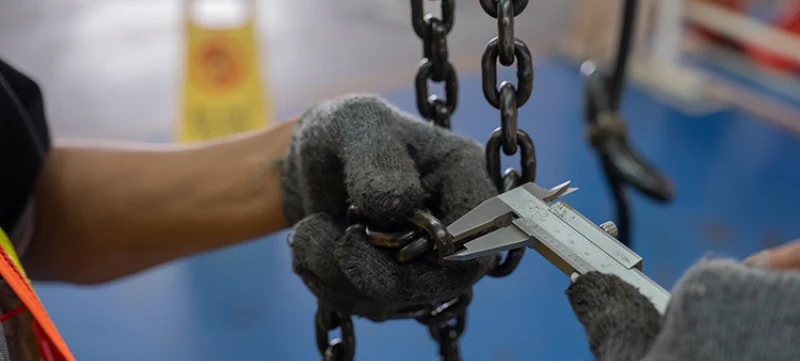
Perform a detailed chain inspection. Look for kinks, twists, and signs of wear. Examine the hook for breaks, dents, or deformation. Ensure the safety latch operates smoothly. Replace any damaged parts immediately to maintain safe operation.
Chain and Hook Issue | What to Look For |
|---|---|
Chain Wear | Elongation, rust, or cracks |
Hook Damage | Dents, bends, or a missing latch |
Alert: Never use electric chain hoists with damaged chains or hooks. Immediate replacement prevents accidents.
Electrical System Checks
Inspect all wiring and electrical connections for damage or loose fittings. Check for exposed wires, overheating, or signs of electrical arcing. Verify that all covers and guards are secure. These procedures help you avoid electrical failures and ensure reliable operation.
Examine wiring insulation for cracks or wear.
Confirm all connections are tight and corrosion-free.
Test the power supply for the correct voltage.
Brake and Limit Switch Testing
Test the brake system to ensure it stops the hoist immediately when you release the control. Regularly check limit switches to confirm they stop the hoist at the correct positions. Follow these procedures for the best results:
Activate the power switch and raise the hook to test the upper limit switch.
Press the down button to check the lower limit switch.
Lower the hook and ensure the brake engages without delay.
Tip: Perform monthly checks on limit switches and brakes. Schedule annual inspections for gear locking and gearbox oil replacement.
Final Pre-Use Inspection
Complete a final pre-use inspection before every shift. Review all previous checks and confirm that no issues remain. Test the hoist under no load to verify smooth operation. Document any findings and corrective actions.
Review the comprehensive checklist.
Confirm all safety devices function properly.
Ensure the work area is clear and safe.
Inspection Frequency and Record Keeping
Follow industry standards for inspection frequency. Perform frequent inspections daily or monthly, depending on usage. Schedule periodic inspections every 1 to 12 months. Keep detailed records for compliance and traceability.
Inspection Type | Frequency |
|---|---|
Frequent Inspection | Daily to Monthly |
Periodic Inspection | 1 to 12-month intervals |
Record the date, inspector’s name, hoist serial number, and any deficiencies found. Note all corrective actions taken. This documentation supports compliance with standards like ASME B30 and Powerful Machinery’s product guidelines.
Reminder: Accurate records help you track maintenance, support training, and provide effective solutions for recurring issues.
By following these procedures and using this comprehensive checklist, you ensure that electric chain hoists remain safe, reliable, and compliant with industry standards. Powerful Machinery’s certified products and support make these checks straightforward and effective.
Troubleshooting Electric Chain Hoists
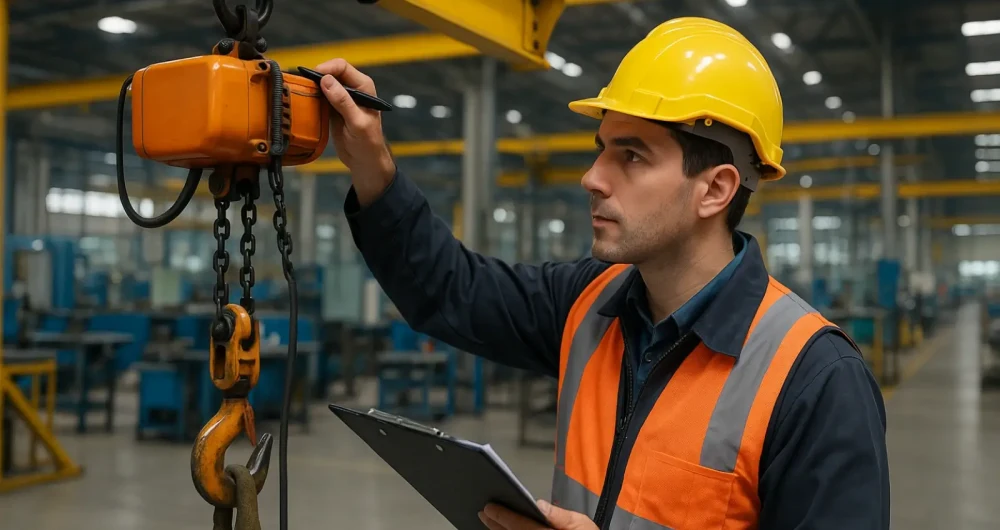
Electric chain hoists are reliable tools, but even the best equipment can experience problems. You need a systematic approach to troubleshooting common issues. This section guides you through the most frequent challenges and provides actionable solutions.
Powerful Machinery’s certified products and technical support help you resolve these problems quickly and safely.
Non-Operation and Control Issues
When your hoist does not operate, you must check several factors. Many control issues stem from incorrect setup or improper use. Review these common causes:
Selecting the wrong speed control (single vs. multi-speed)
Failing to set limit switches
Inadequate operator training
Pulling heavy loads by the pendant or push button
Side-pulling instead of using the proper equipment
Plugging errors (reversing direction abruptly)
Lifting over people or attempting to lift people
Leaving a load suspended for extended periods
You should always verify the power supply and inspect the control pendant for visible damage. If the hoist still does not respond, consult your operator’s manual and contact Powerful Machinery’s support team for further troubleshooting.
Tip: Never bypass safety features or attempt repairs without proper training.
Erratic Movement and Noise
Erratic movement or unusual noise signals mechanical wear or lack of lubrication. You can address these issues with a few targeted maintenance tasks:
Lubricate the chain according to the manufacturer’s recommendations.
Inspect the chain and sprockets for wear, damage, or misalignment.
Check the gearbox for proper oil level and condition.
If the hoist operates slowly or makes grinding sounds, stop using it immediately. Addressing these problems early prevents further damage and extends the life of your equipment. Powerful Machinery’s electric chain hoists feature robust construction, but regular inspection remains essential for optimal performance.
Improper Stopping and Load Drifting
You may notice that the load drifts or lowers unexpectedly after stopping the hoist. This issue often points to brake wear or improper load management. Take these steps to resolve the problem:
Check the braking system for wear and adjust or replace components as needed.
Ensure the load chain is properly lubricated and free of kinks or twists.
Verify the hoist is not overloaded, as excessive weight strains the brakes.
Load drift or creep means the load moves slightly when the hoist stops. This condition indicates potential problems with the braking system or load handling. Address these concerns promptly to maintain safety and compliance.
Overload and Load-Related Problems
Overloading the hoist can cause severe damage and safety risks. You must act quickly if you suspect an overload or related issue:
Unload promptly by lowering the load to the ground or a stable support.
Use proper storage or support stands for temporarily suspended loads.
Inspect the brake mechanism regularly for wear.
Assess load placement needs and consider a multi-speed or VFD hoist for precise positioning.
Avoid severe plugging by using the correct motor control.
Train operators to understand hoist operation and load limits.
Follow the manufacturer’s instructions for setting limit switches.
Test and calibrate limit switches routinely.
Provide comprehensive training programs on safe handling practices.
Inspect the motor for overheating or excessive wear if plugging occurs frequently.
You protect your equipment and team by following these guidelines. Powerful Machinery’s electric chain hoists include safety features that help prevent overloads, but operator vigilance remains crucial.
Solutions for Mechanical and Electrical Failures
Mechanical and electrical failures require a structured troubleshooting approach. Address these common failure points:
Overheating of the motor: Check the motor’s cooling system and clean air vents and fans to ensure proper airflow.
Worn-out or damaged cables: Inspect lifting cables for fraying, kinks, or corrosion. Replace damaged cables immediately.
Improper or lack of lubrication: Follow the manufacturer’s guidelines for lubrication intervals and use the recommended lubricant.
Electrical failures: Inspect all wiring for integrity and security. Test the control panel regularly.
Failure of the brake system: Inspect the brake system for wear or damage. Replace worn brake pads to maintain safety.
You can prevent most failures with regular maintenance tasks and prompt attention to warning signs. Powerful Machinery’s support team stands ready to assist you with advanced troubleshooting and parts replacement, ensuring your hoist remains reliable and safe.
Note: Always use certified replacement parts and follow manufacturer guidelines for repairs.
By understanding these troubleshooting steps, you keep your electric chain hoist operating at peak performance. You also reduce downtime and extend the service life of your equipment.
Routine Maintenance for Electric Chain Hoists
You ensure the reliability and safety of your electric chain hoist by following consistent maintenance procedures. Powerful Machinery designs electric chain hoists with low maintenance requirements, but you must still perform regular checks to maximize performance and lifespan.
Lubrication and Cleaning
You should lubricate the load chain and gears regularly to prevent friction, wear, and corrosion. Always use the manufacturer’s recommended lubricants and avoid over-application. Clean the hoist after each use with a damp towel to remove dust and debris.
Occasionally, wash the hoist with mild soap and water, but make sure it is completely dry before operation. Use a clean cloth or brush to remove stubborn dirt, and never allow water to enter the hoist’s internal components.
Routine Lubrication and Cleaning Steps:
Lubricate the chain and gears as specified in the manual.
Wipe the hoist’s surface with a damp cloth after each use.
Wash with mild soap and water when needed, then dry thoroughly.
Avoid excessive lubrication to prevent waste.
Tip: Consistent cleaning and lubrication extend the life of your equipment.
Scheduled Professional Inspections
You should schedule professional inspections annually. Qualified technicians can identify issues that daily checks may miss. These comprehensive inspections cover all mechanical and electrical components, ensuring your hoist meets safety standards.
During scheduled maintenance, technicians perform necessary adjustments or repairs to keep your equipment in top condition.
Chain and Hook Care
You must include chain and hook care in your maintenance procedures. Lubricate the load chain regularly to reduce friction and prevent wear. Inspect the chain for elongation, nicks, or cracks, and replace it if you find any damage.
Check hooks for deformation or cracks, and ensure safety latches work properly. Clean and lubricate chains to prevent premature wear.
Electrical System Upkeep
You need to inspect all electrical components for damage or wear. Test limit switches to confirm they function correctly and prevent over-travel. Check power cords for fraying or other signs of damage.
Listen for abnormal noises from the motor during operation. Verify the operation of upper and lower limit switches to ensure safety.
Brake and Safety Device Maintenance
You should regularly inspect limit switches and the braking system. Confirm that the brake engages properly for safe lifting and lowering. Test all safety devices, including overload protectors and emergency stops, to ensure they function as intended.
Periodically test the load brake by lifting a rated load and verify that limit switches stop the hoist accurately. Replace any malfunctioning components immediately.
By following these maintenance procedures, you support safe and efficient operation. Powerful Machinery’s electric chain hoists require minimal scheduled maintenance, but your commitment to proper maintenance practices ensures long-term reliability.
Choosing Reliable Electric Chain Hoists
Product Selection Criteria
You must evaluate several factors when selecting an electric chain hoist for your operation. The duty cycle determines how often and for how long you can safely use the hoist. If you plan to lift loads frequently, choose a model designed for heavy-duty cycles.
Consider the rated load capacity and ensure it matches your maximum lifting requirements, including attachments like slings and hooks. Assess the lift height and confirm the hoist can reach the necessary elevation.
Check your available power supply and select a hoist compatible with your voltage, whether single-phase or three-phase. Suspension type and operating environment also play a role in your decision. Always follow proper installation procedures to guarantee safety and optimal performance.
Criteria | Description |
|---|---|
Capacity | Determine the maximum weight the hoist will lift, including attachments. |
Frequency of Use | Assess how often the hoist will be used; frequent use favors electric hoists over manual ones. |
Electrical Requirements | Check available voltage and ensure compliance with safety standards. |
Headroom | Measure the minimum distance between hook points for installation. |
Installation Procedures | Follow guidelines to ensure safety and functionality. |
Rated load capacity
Lift height
Available power supply
Suspension type
Operating environment
Duty cycle
Tip: Select a hoist that matches your workload and installation space for maximum efficiency.
Powerful Machinery Product Advantages
You gain unique benefits when you choose Powerful Machinery electric chain hoists. The company offers custom-engineered solutions tailored to your specific needs. You receive direct pricing, which helps you manage costs more effectively.
Powerful Machinery provides global delivery, ensuring you get certified products wherever your project is located.
Feature | PowerFul Machinery | Other Certified Brands |
|---|---|---|
Custom-engineered solutions | Yes | No |
Direct pricing | Yes | Varies |
Global delivery | Yes | Limited |
You can rely on Powerful Machinery for certified quality, robust design, and responsive customer support. The brand’s commitment to safety and reliability sets it apart in the industry.
Customization for Specific Needs
You may require specialized features for your lifting application. Powerful Machinery offers a range of customization options to meet your requirements. You can adjust pendant control lengths for better ergonomics and accessibility.
Select from various suspension types, such as hook mounts or lug mounts, to fit your installation. Variable speed controls allow you to handle fragile or heavy loads with precision.
Customization Option | Description |
|---|---|
Pendant Control Lengths | Adjust the control cable for better ergonomics and accessibility. |
Suspension Types | Choose between hook mounts, lug mounts, or other custom setups. |
Variable Speed Controls | Allows for precise control over the lifting speed for fragile or heavy loads. |
Note: Powerful Machinery collaborates with you to deliver solutions that fit your unique project needs.
You ensure safe, efficient, and tailored lifting operations when you select a reliable electric chain hoist from Powerful Machinery.
Conclusion
You protect your team and equipment when you follow a strict maintenance schedule for your electric chain hoist. Regular inspections and prompt troubleshooting keep your operations safe and efficient.
Choosing certified products from Powerful Machinery gives you peace of mind and reliable performance. Use the checklist and stick to your maintenance plan. You ensure safety, compliance, and long-term value for your business.
Stay proactive—your attention to detail makes all the difference.
FAQ
What are the most common electric chain hoist issues?
You often encounter issues like erratic movement, non-operation, unusual noise, or load drifting. These issues usually result from improper maintenance, overloading, or electrical faults. Regular inspection helps you identify and resolve these issues before they affect safety or performance.
How do you prevent recurring issues with electric chain hoists?
You prevent recurring issues by following a strict maintenance schedule. Inspect all components regularly. Lubricate moving parts and replace worn items immediately. Operator training also reduces issues caused by improper use. Always document issues and corrective actions for future reference.
What should you do if your hoist develops electrical issues?
You should stop using the hoist immediately. Inspect all wiring and connections for visible damage. Test the control pendant and power supply. If issues persist, contact a qualified technician or Powerful Machinery’s support team. Never attempt repairs without proper training.
How can you identify mechanical issues early?
You can spot mechanical issues by listening for unusual noises, checking for erratic movement, and inspecting chains and hooks for wear. Early detection of issues prevents costly repairs and downtime. Always address issues as soon as you notice them.
Why is documentation important for tracking issues?
You need accurate records to track issues and maintenance history. Documentation helps you identify patterns in recurring issues. It also ensures compliance with safety standards. You improve safety and reliability when you document all issues and corrective actions.