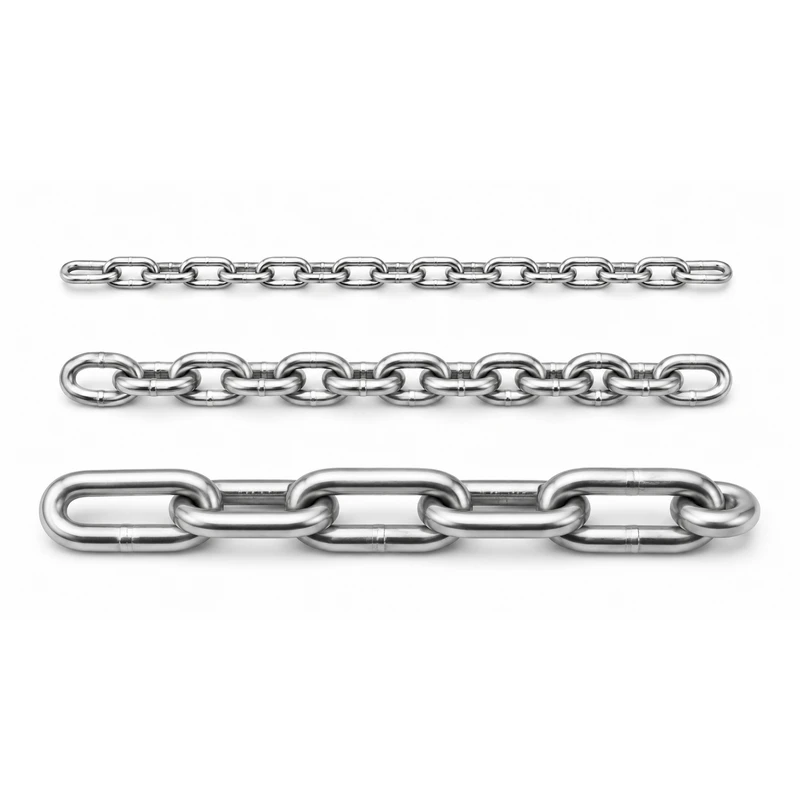
A chain hoist that will not lift, lower, or hold a load needs a fault assessment before anyone tries to “fix” it. Start by identifying the hoist type, recording the symptom, and checking only the external items allowed by the instructions for that exact model. A jam, slipping load, damaged chain, or electrical fault may require the hoist to be removed from service.
This chain hoist troubleshooting guide covers hand-chain-operated and electric chain hoists. It helps you decide what can be observed safely and where to send a fault for qualified inspection or repair.
It is not a universal procedure for opening a housing, resetting a brake, replacing a load chain, or testing a repaired hoist. If a load remains suspended, keep people clear and have competent personnel follow the site lifting plan to make it safe.
Before Troubleshooting: Identify the Hoist and Make It Safe
Look for the nameplate and record the manufacturer, exact model, serial or batch number, rated capacity, and lift. Note whether the fault occurs while lifting, lowering, or holding a load. Record the load and suspension arrangement, the control used, any unusual sound or smell, and any overload, impact, water, dust, or heat exposure. Take clear photographs before cleaning or moving the equipment.
A manual chain hoist has a hand chain that drives the lifting mechanism. An electric chain hoist uses a motor and electrical controls; its external checks and isolation procedures differ. A lever hoist is a separate type of equipment and should follow its own instructions.
If identification or the capacity marking cannot be confirmed, stop and obtain the correct documentation before further operation. For electric equipment, isolate energy according to the workplace procedure before authorized inspection; never open a live enclosure as part of a general troubleshooting check.
Chain Hoist Troubleshooting Quick Table
The possible areas below are leads for assessment, not a diagnosis or permission to dismantle the hoist.
| Symptom | External check or observation | Stop-use point and next step |
| Will not lift | Confirm the equipment type, actual load, visible chain path, and controls allowed by the manual. | Do not pull harder or bypass an overload device. Escalate unexplained resistance. |
| Will not lower | Record the direction, position, and control response; check for a visible obstruction. | Do not force or release a brake under load. Secure the situation under the site plan. |
| Chain jams, twists, or jumps | Observe visible links, reeving, chain container, and guide area without reaching into moving parts. | Stop for damaged links, jumping chain, or unresolved binding. |
| Load slips or drifts | Record what moved and when; clear the load path. | Remove from service immediately and arrange qualified assessment. |
| Electric hoist does not respond | Authorized staff may check external supply indication, emergency stop status, pendant, and fault display. | Isolate for damaged cables, burning smell, heat, or unexplained control behavior. |
| Grinding, clicking, or rough travel | Record the sound, direction, location, and visible condition. | Stop if the sound is abnormal or movement is erratic. |
Why a Chain Hoist Will Not Lift or Lower
First, compare the actual load and lifting arrangement with the nameplate and the model instructions. Check whether the load or chain is visibly obstructed and whether the suspension and hook are correctly aligned. Do not use extra force to overcome a fault.
Excessive hand pull can indicate a problem with the load, chain path, brake, gearing, or another internal part; an operator cannot distinguish those causes by pulling harder.
If a hoist raises a load but will not lower it, do not try to release or adjust the brake while the load is suspended. Record the exact point at which travel stopped and whether the chain or control responds in either direction. Competent personnel must secure the load under the site’s lifting plan before a qualified person investigates the mechanism.
Electric units may also stop at a limit or show a control or supply fault; follow only the external checks specified for that model.
How to Troubleshoot a Jammed or Twisted Chain
Stop operating the hoist as soon as the chain binds or jumps. From a safe position, look for a visible twist, a damaged link, an obstruction, or a chain that has left its intended path. A twisted load-chain fall or a jammed chain container can restrict travel, but the visible symptom does not establish the internal cause.
Do not pull harder, reverse repeatedly against a jam, reach into moving components, or grind, weld, heat, straighten, or splice a damaged link.
If damage or improper travel is visible, remove the hoist from service. For a confirmed replacement decision, read the hoist chain replacement guide and obtain the correct model-specific instructions and compatible chain through the appropriate technical route.
What to Check When the Load Slips or the Brake Will Not Hold
Load drift is a critical warning. Stop using the hoist, keep the area beneath and around the load clear, and have the load made safe under the site procedure. Do not make another trial lift, adjust a brake, or treat a brief light-load check as proof that the hoist is safe.
A brake-related symptom may involve internal wear, contamination, incorrect assembly, or another defect. Only a qualified assessment can establish the cause and the repair and return-to-service requirements.
Electric Chain Hoist Troubleshooting
For a motorized unit that does not respond, record the pendant or remote-control behavior, any displayed fault, direction of travel, and whether the problem appears near an end of travel. Personnel authorized by the workplace and the model instructions may check visible supply status, emergency-stop status, accessible control condition, and whether a limit has operated.
Do not bypass a limit, reset a protection device repeatedly, probe live wiring, or replace controls on the basis of a generic article.
Unexpected motion, damaged cables, smoke, burning odor, abnormal heat, or a failure to hold the load calls for immediate isolation and qualified electrical and lifting-equipment assessment. Use the electric chain hoist inspection guide for the relevant inspection scope, or the electric chain hoist troubleshooting guide for more detailed electric-only symptom routing.
Manual Chain Hoist Troubleshooting
On a hand-chain unit, record whether the hand chain moves, whether the load chain travels in either direction, and whether the hand pull has changed. Note visible chain twists, jumping, damaged hooks, rough travel, and any difference between raising and lowering.
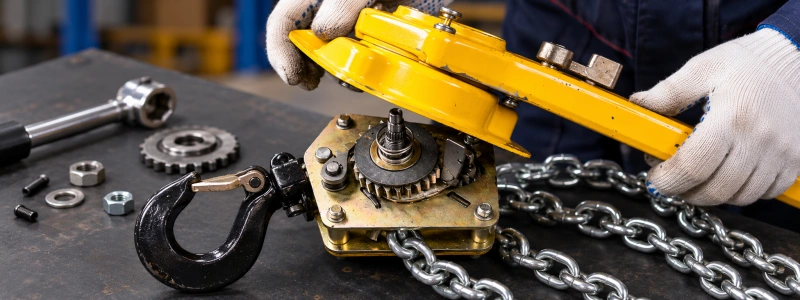
Do not force the hand chain or open the cover to locate a brake or gear fault. A hand chain that will not move and a load chain that binds can arise from different conditions; the exact manual and a qualified inspection determine the cause.
If the unit is confirmed as a hand-chain-operated chain block and internal work or return-to-service assessment is needed, follow the manual chain block repair guide. It covers repair control, compatible parts, records, and testing decisions without treating internal work as an operator task.
When to Stop Using the Hoist Immediately?
Remove the hoist from service when the load slips or the brake will not hold; a chain is cracked, twisted, severely worn, corroded, or jumps out of its path; a hook or suspension is visibly damaged; the housing or load-bearing structure is deformed; or the hoist has experienced overload, shock loading, fire, or an incident.
For electric units, include damaged wiring, unexpected movement, burning odor, or unexplained heat. Missing or unreliable identification is another reason to stop.
Follow the employer’s isolation and tag-out procedure. If the load is suspended, do not work beneath it or assume that the suspect hoist will hold while someone investigates. Arrange for competent personnel to make the load safe, then document the condition for the inspector or repairer.
Maintenance vs Repair: What the Operator Can Do
An operator may perform the visible checks and routine external care assigned by the exact model instructions and workplace program. Cleaning or lubrication is not automatically appropriate for every component; lubricant on a brake friction surface, for example, may create a serious problem. See the chain block maintenance guide for preventive work on manual blocks and the chain block inspection checklist for condition checks.
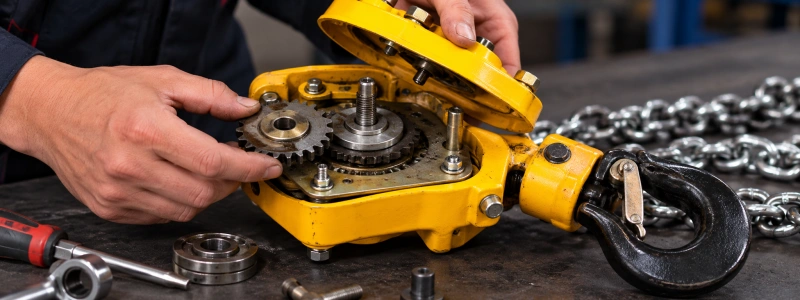
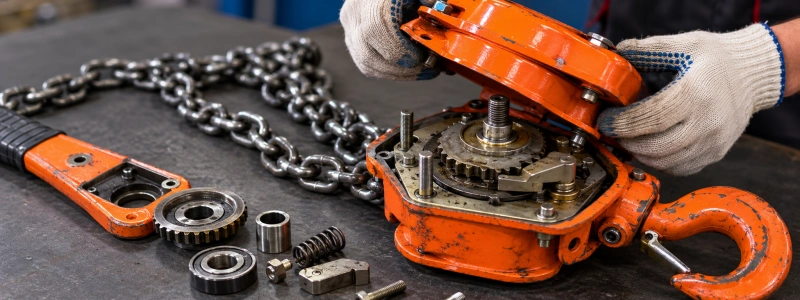
Opening a housing, working on brakes, gears, bearings, shafts, hooks, load sheaves or structural parts, and replacing a hoist load chain are repair activities. They require model-specific instructions, suitable parts, and a qualified or otherwise authorized repairer. Inspection identifies and documents a condition; it does not itself authorize a repair or return to service.
Where to Go Next?
For a confirmed manual chain block fault, use the manual chain block repair guide to plan a qualified repair assessment. For a motorized unit, use the electric-only inspection and troubleshooting resources above.
If the hoist cannot be identified or replacement is more practical, compare the manual chain hoist range or electric chain hoist range against the required capacity, lift, suspension, application, and documentation. A similar-looking unit is not necessarily an equivalent replacement.
Send the nameplate photograph, model, rated capacity, lift, fault description, incident history, and photographs of the affected area when you contact Powerful Machinery for model identification, available product information, or replacement selection. Repair authorization and parts compatibility must be confirmed for the exact hoist.
Chain Hoist Troubleshooting FAQs
Why Won’t My Chain Hoist Lift?
Check the actual load, visible chain path, suspension, and the external controls allowed by the model instructions. Do not increase hand pull, bypass protection, or continue if the load slips or the cause remains uncertain. Remove the hoist from service for qualified assessment.
What Should I Do If the Chain Hoist Is Jammed?
Stop operation and observe the chain for a twist, damaged link, jumping, or an obstruction from a safe position. Do not force travel or alter a damaged link. Remove the unit from service if the condition cannot be resolved within the exact manual’s authorized external checks.
Why Does a Hoist Load Slip?
The symptom can involve the brake or another internal fault; the cause cannot be confirmed from the symptom alone. Clear the load path, have competent personnel make the load safe, and arrange a qualified inspection and repair assessment.
Can I Troubleshoot a Chain Hoist Myself?
You can record symptoms and perform only the external checks assigned to your role by the model instructions and workplace procedure. Internal brake, gear, electrical, and load-chain work require the appropriate qualified or authorized personnel.
When Should a Chain Hoist Be Removed from Service?
Remove it for load drift, unreliable braking, chain or hook damage, abnormal travel, structural damage, electrical hazards, overload or impact history, or missing reliable identification. Follow the site procedure to secure any suspended load before inspection.