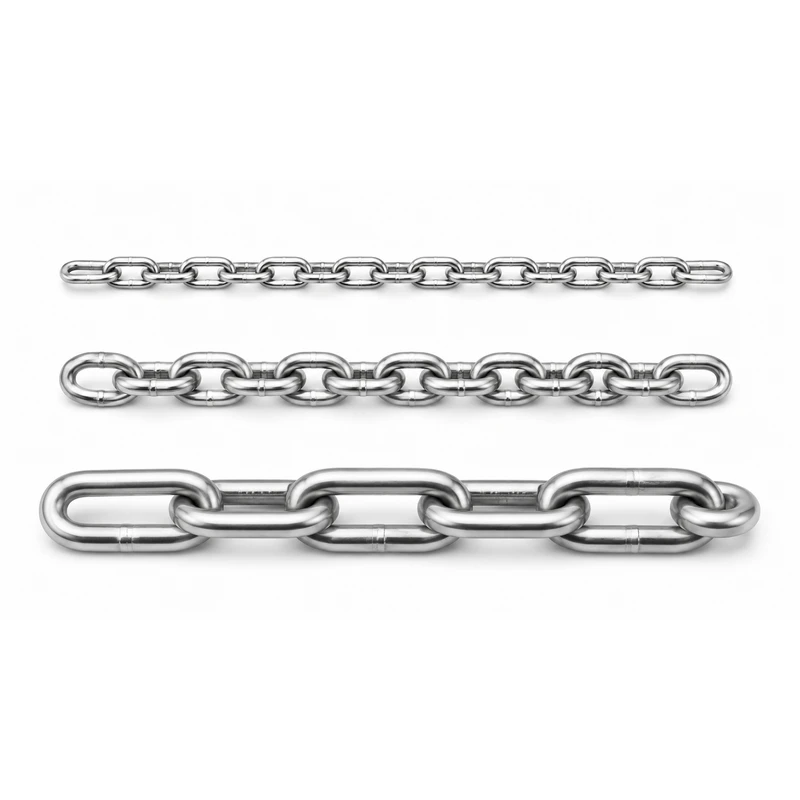
Lifting chain grades define the strength and durability of a chain, helping you select the safest option for your lifting applications. When you use the correct grade, you reduce risks and improve operational performance.
Powerful Machinery delivers certified lifting chains built for demanding environments, so you can trust every lift. You want peace of mind about safety and compliance—understanding chain grades ensures you make the right choice for every job.
Key Takeaways
Understanding lifting chain grades is crucial for selecting the right equipment. Each grade indicates strength and suitability for specific tasks.
Always match the chain grade to your lifting needs. Using the correct grade reduces risks and enhances operational performance.
Regularly inspect lifting chains for wear and damage. Frequent checks help maintain safety and prolong the life of your equipment.
Comply with safety standards and regulations. Certifications like OSHA and ASME ensure your lifting chains meet necessary safety requirements.
Avoid common mistakes in chain selection, such as using undersized chains or mixing grades. These errors can lead to accidents and costly failures.
What Are Lifting Chain Grades?
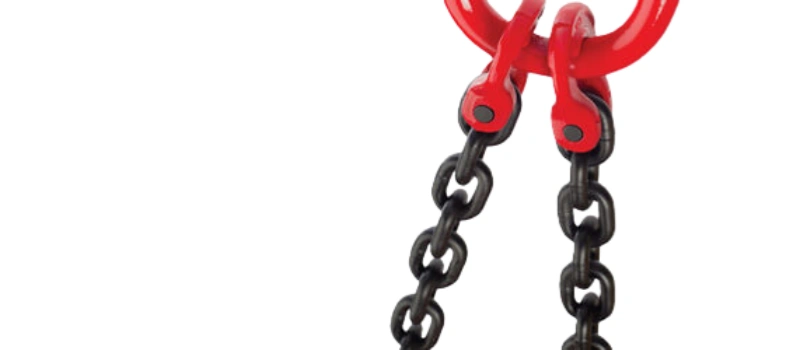
Definition and Purpose
You need to understand what lifting chain grades mean before you select the right equipment for your job. Chain grades classify the strength and performance of lifting chains based on their material properties and manufacturing process.
International standards, such as ISO and ASTM, set the minimum tensile strength for each grade. The table below shows the most common grades and their minimum tensile strengths:
Grade | Minimum Tensile Strength (MPa) |
|---|---|
G80 | 800 |
G100 | 1,000 |
G120 | 1,200 |
Assigning grades to lifting chains serves several important purposes. You can match the chain’s strength and durability to the demands of your lifting task. This process ensures safety by establishing a working load limit (WLL) for each chain.
Higher-grade chains, like Grade 80 and Grade 100, handle heavier loads and tougher conditions. These chains are essential for industrial applications where reliability matters most.
Powerful Machinery brings over 20 years of expertise in manufacturing certified lifting chains. The company’s products meet or exceed international standards, giving you confidence in every lift.
Why Grades Matter for Lifting?
You must choose the correct chain grade for each lifting operation to protect your team and your equipment. Chain grades affect the chain’s ability to handle specific loads and environments.
For example, you should use Grade 80 or Grade 100 alloy lifting chains for overhead lifting in industrial settings. These chains meet strict standards, such as EN 818 and ASME B30-series, which require high strength and traceability.
The table below highlights how different applications require specific chain types and grades:
Application Type | Chain Type | Key Requirements |
|---|---|---|
Industrial Lifting | Alloy Lifting Chain | Must meet EN 818 or ASME B30-series standards, use G80/G100 grade chains for overhead lifting. |
Trailer Applications | Retail Tow Chains | Designed for transport work, marked ‘NOT FOR OVERHEAD LIFTING’, must have WLL and size indicated. |
Heavy Equipment Chains | G80/G100 Alloy | Used for securing machines, must match hooks and binders to the same rating family. |
Trailer Safety Chains | Standard Chains | Should cross under the coupler, check WLL meets trailer requirements, and inspect before every trip. |
You also need to comply with safety regulations in your industry. Standards such as OSHA, ASME B30.9, NACM, and ASTM set requirements for lifting chains. Powerful Machinery’s certified products help you meet these regulations and maintain a safe work environment.
Chain Grading System Overview
How Grades Are Determined?
You need to understand how manufacturers assign grades to lifting chains. The grading process relies on the ultimate breaking strength of the chain.
This strength is measured in newtons per square millimeter, using the formula ‘N/mm²’. Manufacturers calculate the tensile strength by testing the chain’s ability to withstand force until it breaks.
The grade number, such as 80, 100, or 120, represents the minimum tensile strength required for that chain. Higher numbers indicate greater strength and suitability for more demanding lifting tasks.
International standards play a crucial role in this process. These standards set the requirements for chain performance, safety, and traceability. For example, ISO 16872:2008 specifies the requirements for Grade VH hoist chains used in manually operated chain hoists.
This standard covers round steel short link chains that are electrically welded and heat-treated. You will find chains sized from 3 mm to 13 mm, suitable for use in temperatures from -10 °C to 150 °C.
Standard | Description |
|---|---|
ISO 16872:2008 | Specifies requirements for Grade VH hoist chains used in manually operated chain hoists. |
Applicability | Covers round steel short link chains, electrically welded and heat-treated. |
Size Range | Nominal sizes from 3 mm to 13 mm. |
Temperature Range | Suitable for use in temperatures from -10 °C to 150 °C. |
Powerful Machinery ensures every lifting chain meets or exceeds global standards, including ISO, ASTM, and OSHA. You can trust their products for consistent strength and safety.
Key Factors: Strength, Material, Markings
When you select a lifting chain, you must consider three key factors: strength, material, and markings. Strength sets the chain’s working load limit and determines which grade fits your application. Material quality, such as alloy steel, affects durability and resistance to wear.
Markings help you identify the grade and ensure compliance with safety standards.
The table below highlights the main features that distinguish Grade 80, Grade 100, and Grade 120 chains:
Feature | Grade 80 | Grade 100 | Grade 120 |
|---|---|---|---|
Relative Strength | Baseline standard | ~ +25 % vs grade 80 | ~ +50 % vs grade 80 |
Typical Color / Finish | Black (varies) | Black, blue, gray | Blue, silver, bright |
Link Geometry | Round | Round | Round, square, modified |
Design Factor for lifting | 4: 1 | 4: 1 | 4: 1 |
Best For | General-purpose chain slings | Industrial & frequent use | Industrial, weight-sensitive lifts, chocking slings |
ASME B30.9 / OSHA Use | ✅ | ✅ | ✅ |
Tip: Always check the markings on your chain before each lift. Markings confirm the grade and traceability, helping you maintain compliance and safety.
Common Chain Grades and Their Applications
Understanding chain grades is essential for selecting the right lifting equipment and ensuring safety in your operations. Each grade offers unique performance characteristics, making it suitable for specific lifting applications.
You need to match the grade to your task to maximize chain strength, durability, and safe working load capacity.
Grade 30, 43, 70: Features and Uses
You will often encounter Grade 30, Grade 43, and Grade 70 chains in general industry. These grades serve different purposes based on their strength and performance.
Chain Grade | Strength Rating | Applications |
|---|---|---|
Grade 30 | Low tensile strength; prone to stretching under heavy loads | Light construction, agricultural applications, marine industry |
Grade 43 | Stronger than Grade 30; better resistance to wear and tear | Container securement, logging, farming, towing, marine applications, utility chain |
Grade 70 | Approximately 20% higher load rating than Grade 43 | Load securement and towing by truckers, loggers, and highway crews |
Grade 30 chains work well for light-duty tasks. You can use them in agriculture or for marine tie-downs. Grade 43 chains offer more strength and durability, making them suitable for towing, logging, and utility work.
Grade 70 chains provide even higher performance, supporting heavy-duty load securement and transport. You should not use these grades for overhead lifting because they do not meet the required lifting chain grades for such critical tasks.
Grade 80: Powerful Machinery’s Solution
Grade 80 chains set the standard for industrial lifting. You can rely on this grade for overhead lifting, rigging, and demanding environments. Powerful Machinery’s Grade 80 chains meet strict industry standards, including:
OSHA 1910.184 – Slings
ASME B30.9 – Slings
These certifications ensure you get consistent performance and safety with every lift. Grade 80 chains deliver a high strength-to-weight ratio, which means you can handle heavy loads without excessive weight. You will notice enhanced durability, as these chains withstand repeated loading cycles.
Their versatility allows you to use them for lifting, securing, and rigging in various industries.
Tip: Grade 80 chains resist corrosion and require minimal maintenance, making them a cost-effective choice for long-term use.
You can pair Grade 80 chains with chain slings for flexible lifting solutions. Powerful Machinery’s chain slings use Grade 80 links, providing reliable performance in construction, manufacturing, and shipping. You benefit from easy identification and traceability, which supports compliance and load testing requirements.
Grade 100: High-Performance Lifting
Grade 100 chains represent a leap in lifting performance. You gain up to 25% higher working load limits compared to Grade 80 chains, allowing you to use smaller, lighter chains for the same load. This grade uses premium alloy steel and advanced heat treatment, resulting in superior fatigue resistance and durability.
Characteristic | Description |
|---|---|
Material | Premium alloy steel, heat-treated for durability |
Strength | Up to 25% higher working load limits than Grade 80 |
Weight | Reduced weight compared to other grades |
Fatigue Resistance | Enhanced fatigue resistance |
Typical Applications | Industrial, construction, manufacturing, and marine environments where safety and performance are critical |
Grade 100 chains excel in overhead lifting, hoisting, heavy-duty rigging, and the oil and gas sector. You can trust these chains for industrial applications where safety and performance cannot be compromised. Powerful Machinery’s Grade 100 chains comply with NACM, ASTM, and other international standards.
You will find certification marks and date codes for full traceability, supporting your safety protocols.
Grade 100 chains offer superior abrasion resistance and a long service life. You can use them with lifting chains and chain slings to maximize lifting performance and efficiency. Their high elongation rate—over 20%—adds a layer of safety, distinguishing them from wire ropes or synthetic slings.
Grade 120: Advanced Lifting Chains
Grade 120 chains deliver the highest performance among standard chain grades. You get a nominal stress rating of 1200 N/mm² and an approximate working load limit of 3,200 kg for specialized lifts.
Chain Grade | Nominal Stress (N/mm²) | Approx. WLL (kg) | Primary Application |
|---|---|---|---|
Grade 120 | 1200 | ~3,200 | Demanding, specialized high-performance lifts |
Grade 120 chains use advanced alloy steel and feature a unique profile-link geometry. This design minimizes internal wear and extends service life. You should choose Grade 120 for the most demanding lifting applications, such as high-capacity lifts in construction, manufacturing, and logistics.
These chains support higher grades of lifting performance, making them ideal for weight-sensitive or chocking sling configurations.
You can integrate Grade 120 chains into lifting chains and chain sling grades for advanced projects. Their superior performance ensures you meet the strictest safety and load testing requirements.
Note: Always verify the grade, markings, and certifications before using any chain for lifting. This practice ensures you maintain compliance and protect your team.
By understanding the differences in lifting chain grades, you can select the right chain for your lifting applications. You improve safety, maximize performance, and ensure every lift meets industry standards.
Chain Grades Comparison Table
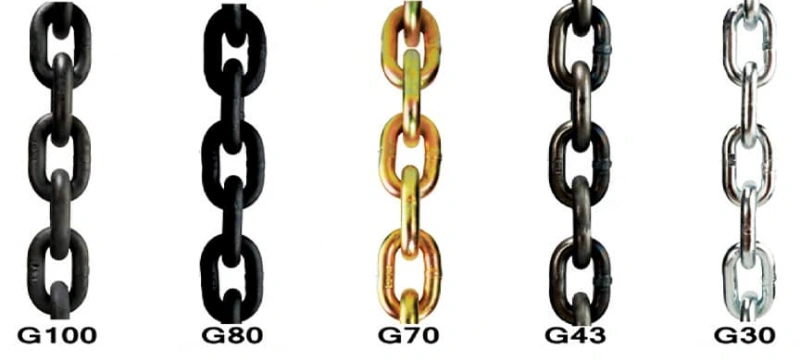
You need to compare chain grades side by side to make the best decision for your lifting operations. A clear comparison helps you understand the strengths and limitations of each grade. The table below shows the minimum breaking strength and working load limit (WLL) for the most common lifting chain grades.
Chain Grade | Minimum Breaking Strength | Working Load Limit (WLL) |
|---|---|---|
Grade 80 | 8,000 lbs | 2,000 lbs |
Grade 100 | 10,000 lbs | 2,500 lbs |
You can see that Grade 100 chains provide a higher minimum breaking strength and WLL than Grade 80 chains. This means you can lift heavier loads with a smaller or lighter chain. You also gain better efficiency and safety when you select the right grade for your application.
Tip: Always check the markings on your chain before every lift. Markings confirm the grade and ensure you use the correct equipment for the job.
When you compare chain grades, focus on these key points:
Minimum breaking strength tells you how much force the chain can withstand before failure.
Working load limit shows the maximum safe load you can lift during normal operations.
Higher grades usually offer better performance, durability, and safety.
Choosing the right chain grade protects your team and your equipment. You improve productivity and reduce the risk of accidents. Powerful Machinery provides certified chains that meet or exceed international standards, so you can trust every lift.
Safety Standards and Compliance
Regulations and Certifications
You must prioritize safety when selecting any lifting chain. Safety standards protect your team and equipment, ensuring every lift meets strict requirements. Powerful Machinery follows global safety standards and holds certifications that guarantee compliance and reliability.
You can see how major markets set their own standards for lifting chains:
Standard/Certification | Region | Description |
|---|---|---|
ASME | US | Sets rules for lifting equipment design and use, including the B30 series. |
CE Marking | EU | Confirms compliance with health, safety, and environmental protection laws. |
ISO | Global | Provides international standards for chain strength and performance. |
EAC Mark | Eurasia | Ensures conformity with technical safety regulations in the Eurasian Union. |
You should always check for certifications such as ASME, CE Marking, ISO, and EAC Mark before using any chain. These certifications confirm that the product meets safety standards and has passed rigorous testing for strength and durability.
Powerful Machinery’s products display clear markings, unique serial numbers, and traceable records to support compliance and standards.
Tip: Accurate records and proper tagging help you maintain compliance and support safe lifting operations.
Inspection and Maintenance
Inspection is critical for maintaining safety and prolonging the life of your lifting equipment. You need to follow a frequent inspection schedule and ensure that trained personnel conduct each inspection. Visual inspection protocols help you spot wear, deformation, or irregularities in chain links.
Use specialized tools like calipers and wear gauges to measure chain strength and detect early signs of damage.
Follow these best practices for inspection and maintenance:
Establish a regular inspection schedule based on usage and manufacturer recommendations.
Assign qualified inspectors to perform each inspection and document findings.
Conduct a proof test before using new or repaired gear, testing most slings at 125% of their working load limit.
Perform a periodic inspection at least once every 12 months, keeping written results for reference.
Train your team to recognize safety risks and maintain accurate records of all inspections.
You must address any issues found during inspection immediately. A comprehensive maintenance plan ensures that your lifting chains remain in top condition and meet all safety standards. Powerful Machinery supports you with products designed for easy inspection, traceability, and compliance.
Note: Frequent inspection and proper maintenance reduce the risk of accidents and extend the service life of your lifting chains.
Choosing the Right Chain Grade for Lifting
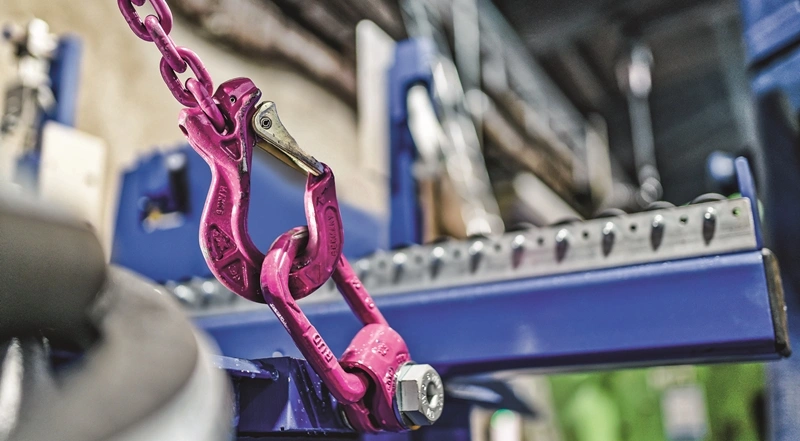
Assessing Load and Application
You need to evaluate several factors before selecting the right grade for your lifting applications. Start by identifying the type of chain required for your task. Consider the material composition and ensure it matches the demands of your environment.
Check the tensile strength and heat treatment, as these influence the chain’s ability to handle heavier loads and resist wear. Review the working load limit to confirm it meets your lifting requirements. Examine the pitch diameter and break strength, which affect the chain’s overall performance.
Look for special finishes or coatings if your application involves exposure to harsh conditions.
Type of chain
Material composition
Tensile strength
Heat treatment
Specific applications
Working load limit (WLL)
Environmental factors
Pitch diameter
Maximum lift
Special finishes or coatings
Break strength
Suitability for heavier loads and harsher conditions
You should always match the chain’s strength to the weight and nature of the load. For complex lifting scenarios, consult Powerful Machinery for custom-engineered solutions and expert advice. Their team can help you select the optimal grade and configuration for your project, ensuring safety and reliability.
Environmental and Usage Factors
Environmental conditions play a critical role in choosing the right lifting chain. Temperature extremes and corrosion risk can affect chain performance and longevity. Review the table below to compare how different grades perform under various conditions:
Chain Grade | Temperature Performance | Corrosion Resistance |
|---|---|---|
Grade 80 | Standard performance | Moderate |
Grade 100 | Better in low temps | Slightly better |
Grade 100 chains feature a finer grain structure, which enhances impact resistance in cold environments. Chemical exposure affects both grades, but Grade 100 may offer improved corrosion resistance.
For outdoor or humid conditions, galvanized chains provide excellent protection. Stainless steel chains deliver the highest resistance to corrosion, acids, and saltwater.
You must assess the environment and frequency of use before making your selection. If you operate in extreme temperatures or corrosive settings, choose a chain with the appropriate finish and grade.
Powerful Machinery offers a range of lifting chains designed for challenging environments, helping you maintain safety and maximize strength in every lift.
Common Mistakes in Chain Grade Selection
Selecting the right chain grade is critical for safe and efficient lifting. Many professionals make avoidable mistakes that can lead to serious problems. You need to recognize these common errors to protect your team and your operation.
Undersized Chains: Choosing a chain with a working load limit below your requirements puts every lift at risk. Overloading can cause sudden failure and dangerous accidents.
Improper Storage: Leaving chains exposed to rain or harsh weather leads to rust and corrosion. Damaged chains lose strength and may fail during use.
Inadequate Inspection: Skipping regular checks means you might miss signs of wear, cracks, or deformation. Damaged chains can break without warning.
Mixing Chain Grades: Using different grades together in one lifting setup creates uneven stress. This practice increases the chance of failure and makes it hard to predict performance.
Lack of Lubrication: Dry chains experience more friction and wear. Without proper lubrication, chains wear out faster and become unsafe.
⚠️ Warning: Using the wrong chain grade can result in accidents, injuries, or even fatalities. Regulatory agencies may fine your company, suspend operations, or revoke licenses. Legal costs and penalties can reach over $1 million. Your reputation and business relationships may suffer long-term damage.
You must always match the chain grade to your lifting needs, store equipment properly, and inspect every chain before use. These steps help you avoid costly mistakes and keep your workplace safe.
Conclusion
You improve workplace safety and operational efficiency when you understand lifting chain grades.
The choice of chain grade affects lifting performance and matches different operational needs.
Compliance with safety standards and manufacturer guidelines is essential for every lift.
Choosing certified products from trusted brands like Powerful Machinery ensures reliability.
Safety Standard | Description | Impact on Safety |
|---|---|---|
OSHA 1910.5 (c) (1) | Requires identification tags for lifting chains | Ensures traceability and accountability |
ASME B30.9-1.10.1 (c) | Mandates matching attachments | Reduces the risk of equipment failure |
OSHA 1910.184 (e) | Prohibits makeshift links | Prevents unsafe practices |
You should consult lifting chain experts for tailored solutions and ongoing support. This approach helps you maintain a strong safety culture and optimize every lift.
FAQ
What is the difference between Grade 80 and Grade 100 lifting chains?
Feature | Grade 80 | Grade 100 |
|---|---|---|
Strength | Standard | +25% higher |
Weight | Heavier | Lighter |
Use | General lifting | Heavy-duty lifts |
How do you identify the grade of a lifting chain?
You should check the markings stamped on each link. Manufacturers include grade numbers, certification marks, and sometimes color codes. These markings help you confirm compliance and traceability before every lift.
Can you use transport chains for overhead lifting?
No, you should never use transport chains for overhead lifting. Only certified lifting chains, such as Grade 80 or Grade 100, meet the safety standards required for overhead applications.
How often should you inspect lifting chains?
🛠️ You need to inspect lifting chains before each use and schedule a thorough inspection at least once every 12 months. Regular checks help you spot wear, deformation, or damage early.