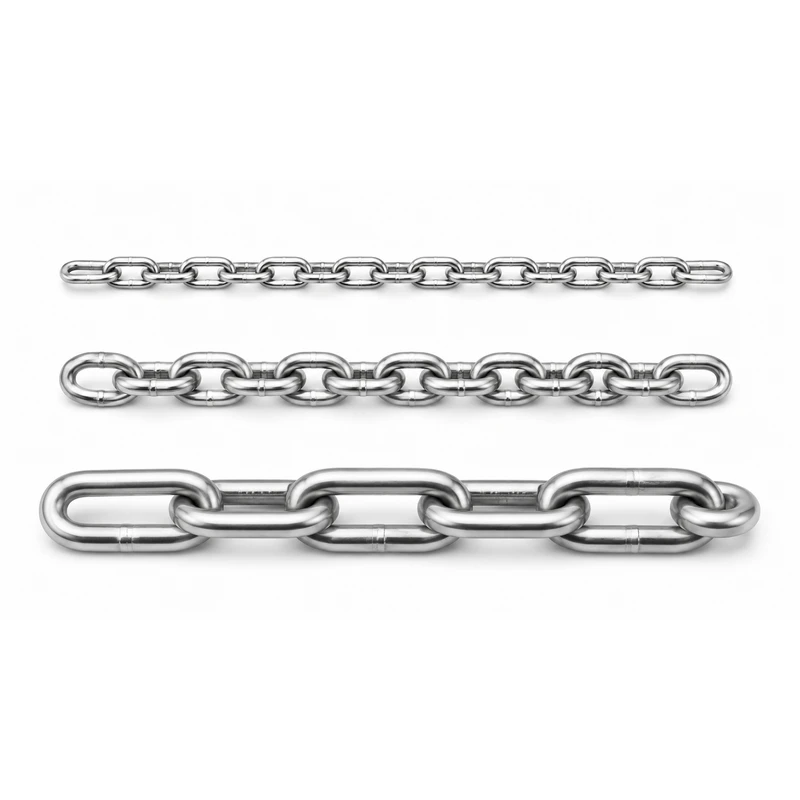
You must select the right lifting hook material to ensure safety and maximize performance. Your choice affects how well your lifting equipment handles heavy loads and stands up to harsh environments. Think about the type of load you need to lift and the conditions you face every day.
When you consider these factors, you reduce risk and improve reliability in every operation. Trust expert guidance from Powerful Machinery to help you make informed decisions.
Key Takeaways
Choose high-strength materials like forged steel or advanced alloys for lifting hooks to ensure safety and performance under heavy loads.
Balance cost and durability when selecting hooks; investing in quality materials can save money on replacements and repairs over time.
Always inspect lifting hooks before use to check for damage and ensure they meet safety standards; this practice helps prevent accidents.
Consider the environment where you operate; use stainless steel hooks in corrosive settings and alloy steel hooks for heavy-duty tasks.
Follow a practical checklist before each lift to verify load limits and equipment condition, ensuring safe and efficient lifting operations.
Why Lifting Hook Material Matters?
Safety and Performance
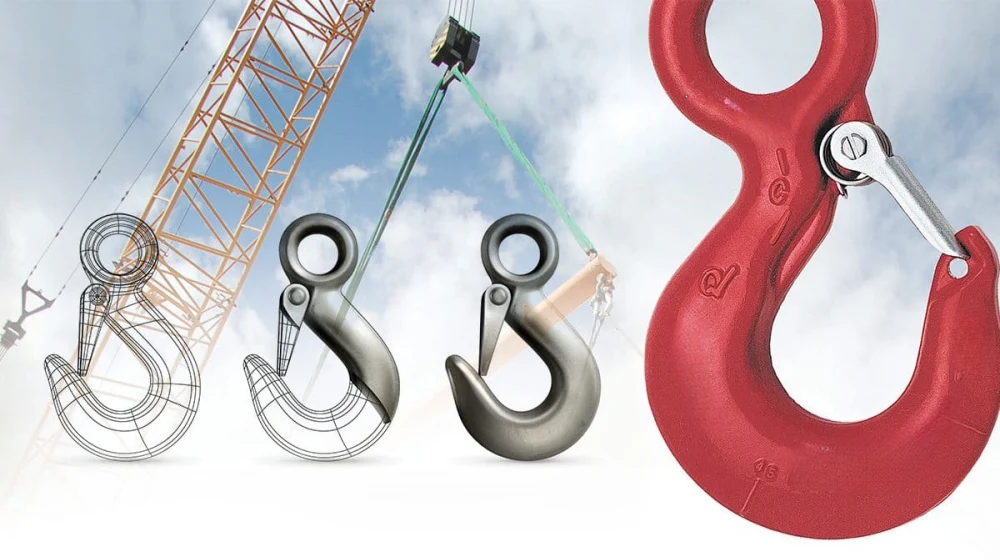
You rely on hoist hooks to keep your lifting operations safe and efficient. The material you choose for these hooks plays a major role in how well they perform under stress. High-strength materials like forged steel and advanced alloys give your hooks the ability to handle heavy loads without bending or breaking.
When you use corrosion-resistant and heat-treated materials, you extend the life of your hooks, especially in tough environments such as industrial plants or marine docks. These features help you avoid unexpected failures and keep your team safe.
Lightweight yet strong materials, such as titanium, also reduce wear and tear, making your lifting equipment last longer and work more smoothly. You should always inspect your hoist hooks before each use to ensure they meet safety standards and show no signs of damage.
Tip: Always check the manufacturer’s certification and markings on your hooks. Certified products from Powerful Machinery guarantee reliable performance and safety in every lift.
Cost and Durability
You want to balance cost with durability when selecting lifting hook material. Some hooks cost less but may not last as long in harsh conditions. Others offer advanced safety features and longer service life, which can justify a higher price. The table below shows how different types of hooks compare in terms of cost and durability:
Hook Type | Cost Difference | Durability Features |
|---|---|---|
Grade 80 Sling Hook | Lower | Forged alloy steel, heat-treated for strength |
Grade 80 Self-Locking Hook | 20-30% higher | Automatic locking mechanism, positive engagement design, secondary safety catch |
Choosing the right material means you spend less on replacements and repairs. You also reduce downtime and keep your lifting operations running smoothly. Investing in durable hoist hooks saves you money over time and helps you maintain a safer workplace.
Types of Lifting Hooks from Powerful Machinery
You need the right lifting hook for every job. Powerful Machinery offers a wide selection of lifting hook types to meet the demands of construction, marine, transportation, and manufacturing industries.
You can choose from hooks designed for heavy-duty lifting, precise load control, or specialized tasks. This product diversity ensures you always find a solution that matches your specific lifting requirements.
Eye, Clevis, and Shank Hooks
Eye hooks give you a secure connection for slings and chains. You use them for overhead lifting and rigging. Clevis hooks feature a U-shaped design with a latch, making quick connections to chains and slings. Shank hooks provide a strong attachment point for custom rigging setups.
You rely on these hooks for safe and efficient load handling in everyday operations.
Hook Type | Application | Safety Feature |
|---|---|---|
Eye Hooks | Overhead lifting, rigging | Secure sling connection |
Clevis Hooks | Quick chain/slings connections | Latch secures the load |
Shank Hooks | Custom rigging setups | Solid attachment point |
Swivel, Grab, and Slip Hooks
Swivel hooks allow 360-degree rotation, giving you precise control when moving loads in dynamic environments. Grab hooks are designed for chain applications, letting you adjust and secure loads quickly.
Slip hooks offer flexibility for towing and load securing, with a closed design and safety latch to prevent accidental release. You use these hooks to handle complex lifting tasks and adjust loads on the fly.
Swivel Hooks: Rotate smoothly for precise load positioning.
Grab Hooks: Attach quickly to chains for construction and cargo handling.
Slip Hooks: Adjust loads easily during towing or securing operations.
Self-Locking and Specialty Hooks
Self-locking hooks automatically engage when loaded, providing extra safety for critical lifting tasks. You prefer these hooks in construction and overhead lifting because they reduce the risk of accidental release.
Specialty hooks, such as foundry hooks, sorting hooks, and barrel hooks, address unique challenges. You use foundry hooks in high-temperature environments, sorting hooks for organizing materials, and barrel hooks for lifting drums securely.
Note: Powerful Machinery’s specialty hooks help you tackle niche applications, from steel plate handling to lifting in tight spaces.
You benefit from the wide range of lifting hook types available, ensuring you always have the right tool for the job.
Comparing Lifting Hook Material Options
Choosing the right hook for your lifting equipment starts with understanding the strengths and weaknesses of each lifting hook material. Powerful Machinery offers hooks made from alloy steel, carbon steel, and stainless steel.
Each material brings unique benefits to your lifting operations. You need to match the lifting hook material to your job requirements, environment, and safety standards.
Alloy Steel (Grade 80, Grade 100)
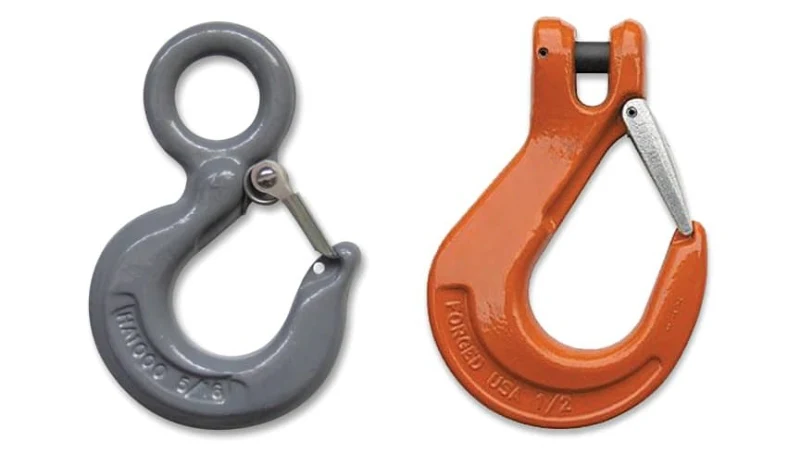
You rely on alloy steel hooks when you need maximum strength and durability. Grade 80 and Grade 100 alloy steel hooks handle heavy loads and resist deformation under stress.
These hooks go through heat treatment, which increases their toughness and makes them ideal for demanding tasks in construction, marine, and cargo handling. You often choose alloy steel as your lifting hook material for overhead lifting and critical applications.
Compliance with relevant standards, such as ASME B30.10 (Hooks), is essential when selecting or using lifting hooks, indicating that certifications are tied to adherence to these standards.
You benefit from alloy steel hooks because they meet strict international certifications. Powerful Machinery tests and certifies every alloy steel hook to ensure reliable performance. You can trust these hooks for high-risk jobs where safety is your top priority.
When you need the right hook for lifting heavy machinery or structural steel, alloy steel is your best choice.
Carbon Steel Hooks
You use carbon steel hooks for general lifting tasks where cost efficiency matters. Carbon steel is a common lifting hook material that offers solid strength for lighter loads. These hooks work well in controlled environments, such as warehouses or manufacturing plants.
You often select carbon steel hooks when you need the right hook for routine lifting and rigging.
Carbon steel hooks require regular maintenance. You need to inspect them for signs of wear and apply protective coatings to prevent rust. Powerful Machinery produces carbon steel hooks that meet industry standards, but you must follow maintenance guidelines to keep them safe.
You should avoid using carbon steel hooks in wet or corrosive environments, as they are more prone to oxidation.
Stainless Steel Hooks
You choose stainless steel hooks when you need superior corrosion resistance. This lifting hook material stands out in marine, chemical, and outdoor settings. Stainless steel contains at least 11% chromium, which protects the hook from rust and oxidation.
You benefit from high tensile strength and long service life, especially when you need the right hook for lifting in harsh environments.
Material | Corrosion Resistance | Maintenance Needs |
|---|---|---|
Stainless Steel | High | Low |
Carbon Steel | Low | High (requires coatings) |
Stainless steel is less susceptible to rust and corrosion compared to carbon steel.
It contains a minimum of 11% chromium, which prevents oxidation.
Common grades like 304 and 316 offer high tensile strength and superior corrosion resistance.
You save time and money on maintenance when you use stainless steel hooks. Powerful Machinery offers certified stainless steel hooks for specialized lifting tasks. You should select stainless steel as your lifting hook material when you need the right hook for outdoor, marine, or chemical applications.
You must consider the load, environment, and safety standards before choosing the right hook. Powerful Machinery provides certified options in every lifting hook material, helping you meet international requirements and keep your lifting equipment safe and reliable.
Choosing Lifting Hook Material for Your Lifting Equipment
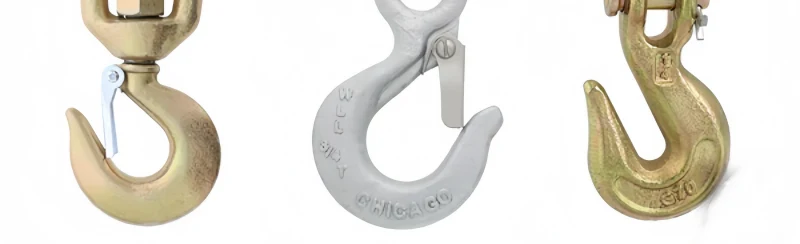
Selecting the right lifting hook material for your lifting equipment is a critical step in ensuring safe and efficient operations. You need to consider several factors, including the load you plan to lift, how often you use your hooks, and the environment where you work. Powerful Machinery offers a wide range of certified hooks, making it easier for you to find the best type of hook for your specific needs.
Load Requirements and Working Load Limit
You must always match the hook material to your load requirements. Start by checking the working load limit (WLL) marked on each hook. This value tells you the maximum weight the hook can safely handle.
When you choose a hook, look for high yield strength and durability. These features help prevent bending or breaking under heavy loads.
Here are the main factors you should consider:
Load capacity and high yield strength
Durability and resistance to wear
Temperature resistance
Weight and cost balance
Compliance with safety standards
Temperature also plays a big role in material selection. Use the table below to help you choose the right material for your temperature range:
Temperature Range | Material Types |
|---|---|
Low-Temperature Range | Stainless steel, bronze |
Standard Temperature | Carbon steel, aluminum |
High-Temperature Range | High-temperature alloys, stainless steel |
Very High-Temperature | High-grade stainless steel, special alloys |
If you lift heavy machinery or structural steel, you should select alloy steel hooks. For lighter loads in controlled environments, carbon steel hooks may be suitable. Always verify that your hook meets or exceeds the required safety standards.
Tip: Never exceed the working load limit. Regularly inspect your hooks for signs of wear or damage.
Frequency of Use and Environment
How often you use your lifting hooks and the environment where you operate will influence your material choice. If you work in a corrosive environment, such as near saltwater or chemicals, stainless steel hooks offer the best protection against rust.
For explosive environments, you need spark-resistant materials. In areas with extreme heat, choose hooks made from robust alloys that can withstand high temperatures.
Consider these points when selecting your hook material:
Corrosive environments require stainless steel or special coatings.
Explosive areas need spark-resistant materials.
Extreme heat demands high-temperature alloys.
Outdoor use exposes hooks to rain, wind, and sun, so corrosion resistance is essential.
Chain slings made from high-strength alloy steel work well in hot and dirty environments. These hooks resist abrasion, impact, and corrosion, especially when galvanized or made from stainless steel. If you lift rough or abrasive materials, such as concrete blocks or scrap metal, choose hooks designed for durability.
Proper storage also extends the life of your hooks. Store them in dry, clean areas to prevent corrosion. Use organized storage systems to avoid kinks and abrasion. Keep hooks away from chemicals and control exposure to UV light and temperature extremes.
Compliance with Safety Standards
You must ensure that every hook you use complies with international safety standards. Powerful Machinery manufactures hooks that meet or exceed global requirements, including ISO, ASME, and other recognized certifications.
These standards guarantee that your lifting equipment performs reliably in demanding conditions.
Practice/Standard | Description |
|---|---|
Inspections | Pre-use and post-use checks to ensure safety |
Third Party Inspections | Conducted every 6 or 12 months, depending on the application |
Compliance with Standards | Adherence to British Standards, ASME B30 Series, API RP 2D, LOLER, LEEA COPSULE |
Competent Personnel | Only trained supervisors and verified equipment allowed |
Strict Adherence | Required for industries like oil & gas, construction, marine, and logistics |
You should always check for certifications and markings on your hooks. Powerful Machinery provides full traceability and documentation for every product. This commitment to quality helps you maintain compliance and reduces the risk of accidents.
Note: Using certified hooks from Powerful Machinery ensures your lifting operations meet the highest safety standards worldwide.
When you match the right material to your application, you protect your team and your investment. Take time to review your lifting equipment, consider your environment, and always follow international standards. This approach helps you choose the best type of hook for every job.
Lifting Hook Selection Tips
Practical Checklist
You can prevent common mistakes in lifting hook material selection by following a clear checklist. This approach helps you stay organized and ensures every step meets safety standards. Before you choose a hook, review each item below to confirm your equipment is ready for safe operation.
Checklist Item | Description |
|---|---|
Verify the gross load | Ensure the total weight, including rigging components, is known. |
Confirm ratings | Check that slings and hardware are rated for the load and lift angles. |
Inspect slings | Look for cuts, abrasions, corrosion, or signs of damage. |
Check shackles | Examine for cracks, deformation, or missing pins. |
Examine hooks | Look for deformation and ensure proper latch operation. |
Ensure tags are legible | Identification tags must be clear on all components. |
Verify connection points | Ensure they are aligned and securely fitted. |
Tip: Always document your inspections and keep records up to date. This habit supports compliance and improves workplace safety.
When to Consult a Professional?
Some lifting scenarios require expert advice. If you face unusual loads, harsh environments, or strict compliance requirements, consult a professional. Industry experts, like those at Powerful Machinery, offer guidance on material types and their advantages.
For example, steel provides high strength and durability, while alloy options balance strength and weight. High-tensile synthetic fibers offer lightweight and corrosion-resistant solutions, but their performance can change with environmental factors.
Material Type | Advantages | Considerations |
|---|---|---|
Steel | High strength and durability | Corrosion resistance is needed in harsh environments |
Alloy | Balance of strength and weight | Unique alloys may be required for some jobs |
High-tensile synthetic fibers | Lightweight, corrosion-resistant | Performance varies with the environment |
You should reach out to Powerful Machinery or another industry professional if you have doubts about load requirements, environmental conditions, or compliance. Their expertise helps you make the safest and most cost-effective decisions.
Conclusion
Choosing the right lifting hook material keeps your workplace safe, reliable, and cost-effective. You improve efficiency, reduce accidents, and extend equipment life by matching material to your load and environment.
Benefit | Description |
|---|---|
Improved Efficiency | The right material reduces wasted time and resources. |
Reduced Risk of Accidents | Proper selection lowers the chance of equipment failure. |
Extended Lifespan | Durable hooks last longer and need fewer replacements. |
Cost Savings | Smart choices lead to long-term savings. |
Always follow safety standards and inspect your equipment.
Use the checklist before every lift.
Consult Powerful Machinery or a safety expert if you have questions.
Prioritize safety and quality in every lifting operation for the best results.
FAQ
What is the most durable lifting hook material?
You get the highest durability from alloy steel, especially Grade 80 and Grade 100. These materials resist deformation and wear during heavy lifting. Powerful Machinery tests and certifies every alloy steel hook for maximum safety and reliability.
How do you check if a lifting hook meets safety standards?
You should look for clear markings, certifications, and documentation. Powerful Machinery hooks display Working Load Limit (WLL) and certification stamps.
Tip: Always verify these details before each use.
Can you use stainless steel hooks in marine environments?
Yes, you can use stainless steel hooks for marine applications. Stainless steel resists corrosion from saltwater and harsh weather.
Material | Marine Suitability |
|---|---|
Stainless Steel | Excellent |
Carbon Steel | Poor |
How often should you inspect lifting hooks?
You need to inspect lifting hooks before every use and after each lift. Schedule third-party inspections every 6 to 12 months.
Check for cracks, deformation, and worn latches.
Document all inspections for compliance.