
Lifting Hooks
Powerful Machinery manufactures and supplies lifting hooks for chain slings, wire-rope assemblies and custom lifting equipment. The range covers Grade 80 and Grade 100 clevis, eye, shank, swivel, grab, slip, foundry, sorting and self-locking designs.
Tell us the required working load limit, chain size, connection, finish and documentation, and we will match the hook to the assembly instead of offering a one-size-fits-all part.
Standard and custom orders can be supported with drawings, batch traceability, inspection records and testing as agreed for the order. For complete assemblies, see our chain slings, or send your specification for a quote.
Grade 80 & Grade 100 Lifting Hooks
Grade identifies the strength class of a compatible lifting system; it does not replace model-level selection. Our Grade 80 lifting hooks cover established chain-sling configurations such as clevis, eye, grab, sling, foundry and self-locking hooks. Grade 100 lifting hooks are available for compatible higher-grade assemblies where the required WLL, chain size and component dimensions have been checked together.
Never mix a hook and chain simply because the nominal size looks similar. Confirm the grade, chain diameter, WLL, connection geometry and required documents for the exact model before ordering.
- Grade 80: a broad choice for compatible alloy chain slings and replacement components.
- Grade 100: a higher-grade option for compatible systems where model-specific capacity and dimensions are confirmed.
- For either grade: specify WLL, chain size, attachment, hook function, latch or locking preference, finish and documentation.
Lifting Hook By Attachment
We supply lifting hooks to industry leaders who require reliable products from our broader Rigging Hardware range.
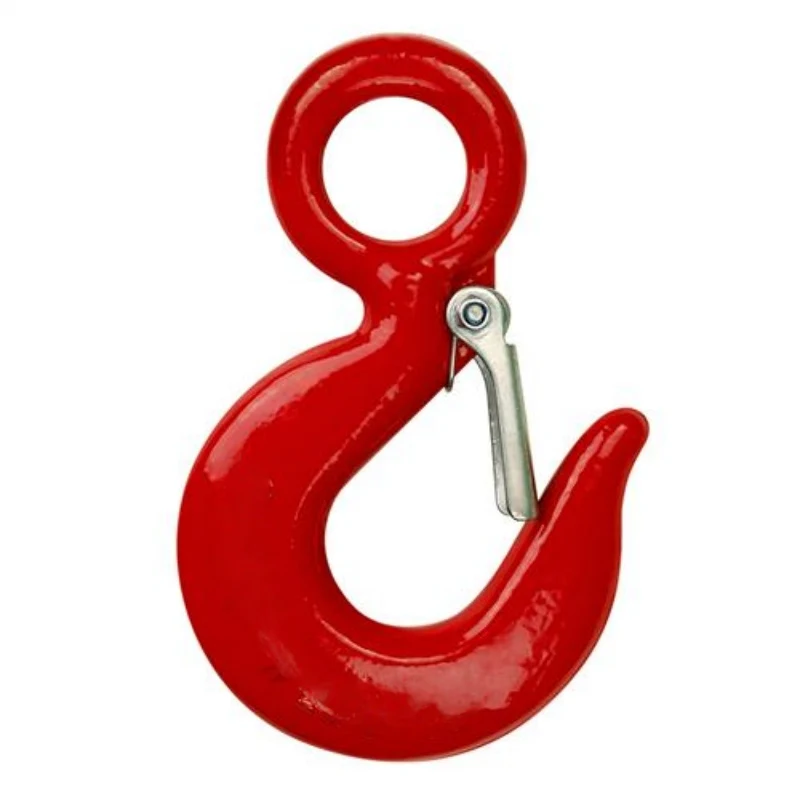
Eye Hooks
An eye hook connects through a coupling link, shackle or other approved fitting. It is useful when the assembly needs more connection flexibility than a direct clevis. Check the eye dimensions, bearing area, WLL and compatibility of every connecting component. For one common chain-sling configuration, review the eye sling hook with latch.
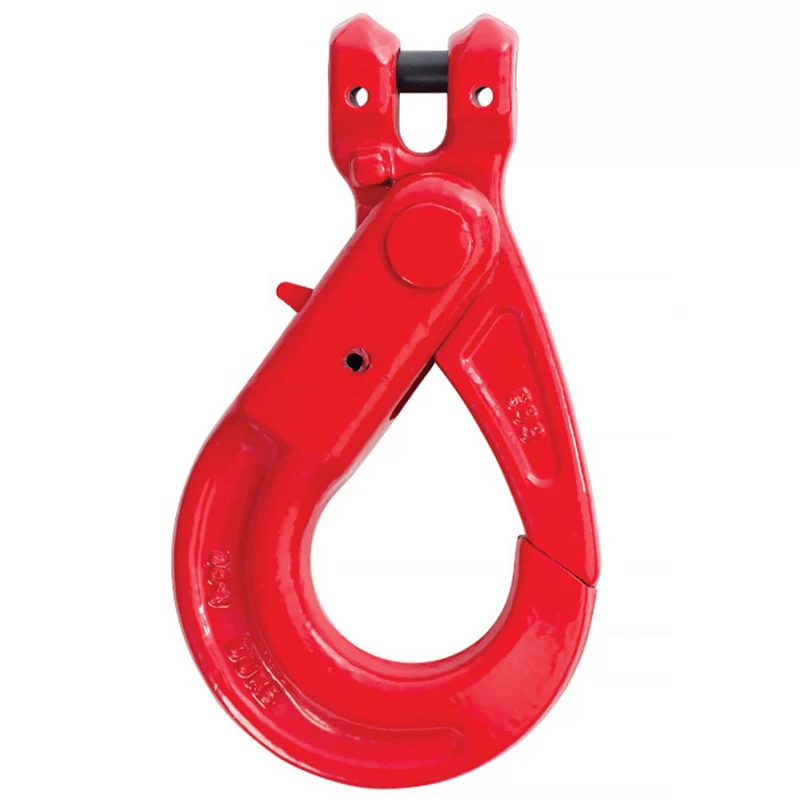
Clevis Hooks
A clevis hook pins directly to a compatible chain end, creating a compact connection without a separate coupling link. Match the clevis pin, chain diameter, grade and WLL. Choose a sling, grab, foundry or self-locking design according to what the hook must do—not by appearance alone. Use the clevis hook sizes guide when checking the main connection dimensions.
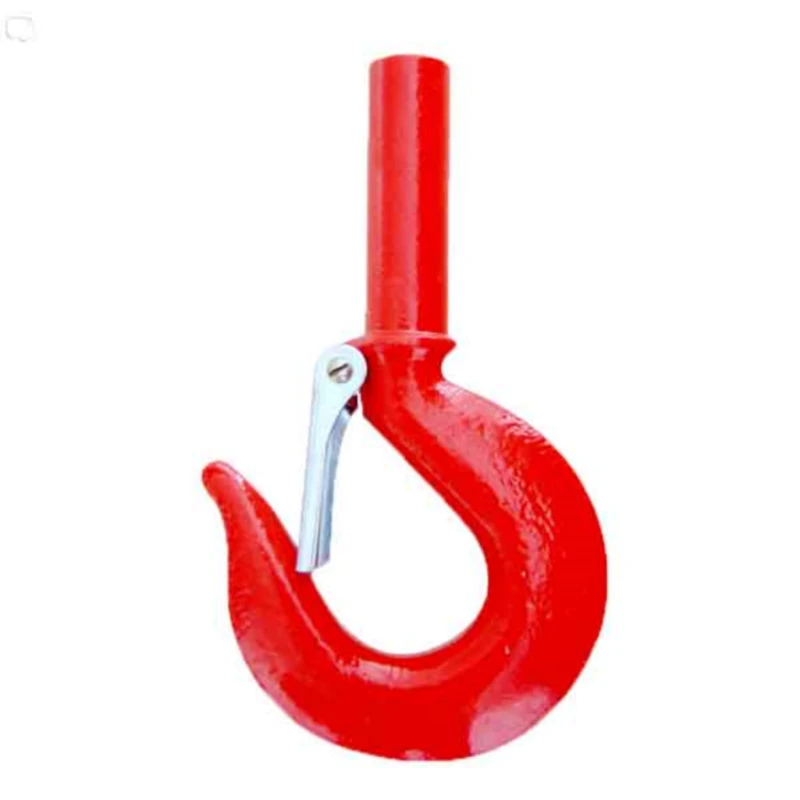
A shank hook is mounted through a nut, crosshead or engineered lifting device. The shank dimensions, thread, retention method and post-machining requirements must follow the approved drawing. It is a practical choice for hoists, blocks and custom below-the-hook equipment. Review the S-319 forged shank hooks for a standard product path.
Lift Hook By Function
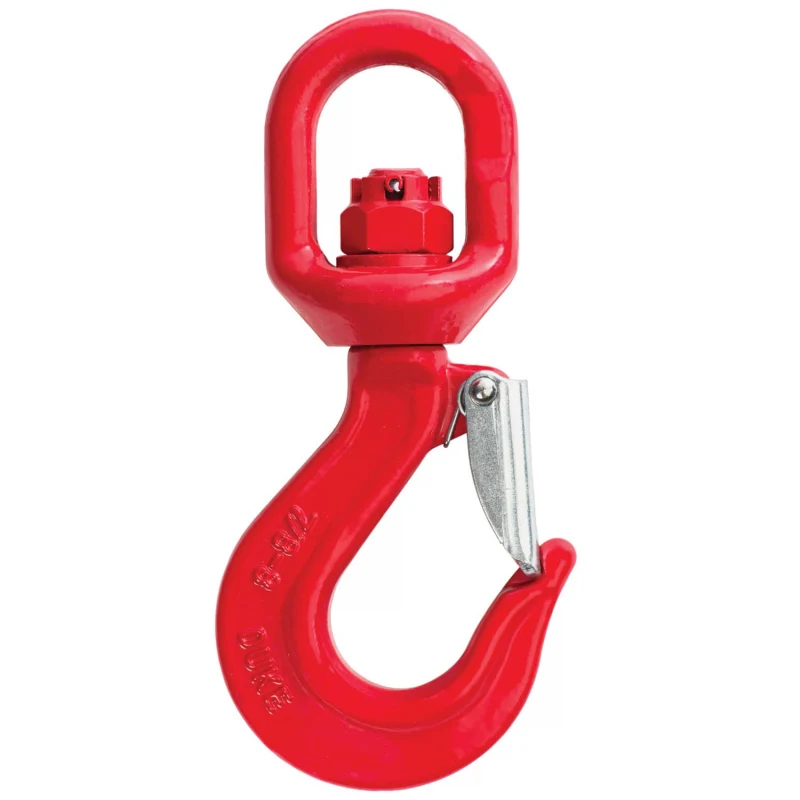
A swivel hook helps orient the hook before the lift. Rotation under load is permitted only when the selected model and bearing design explicitly allow it. Confirm the intended movement, WLL, latch and connection dimensions before use. Compare the S-322 swivel hooks for a standard product route.

Grab Hook
A grab hook engages a compatible chain link to shorten or control a chain leg. Cradle or winged designs support the link differently from non-cradle designs, so any effect on assembly capacity must be confirmed from the exact product data. Browse grab hooks by connection and available product family.
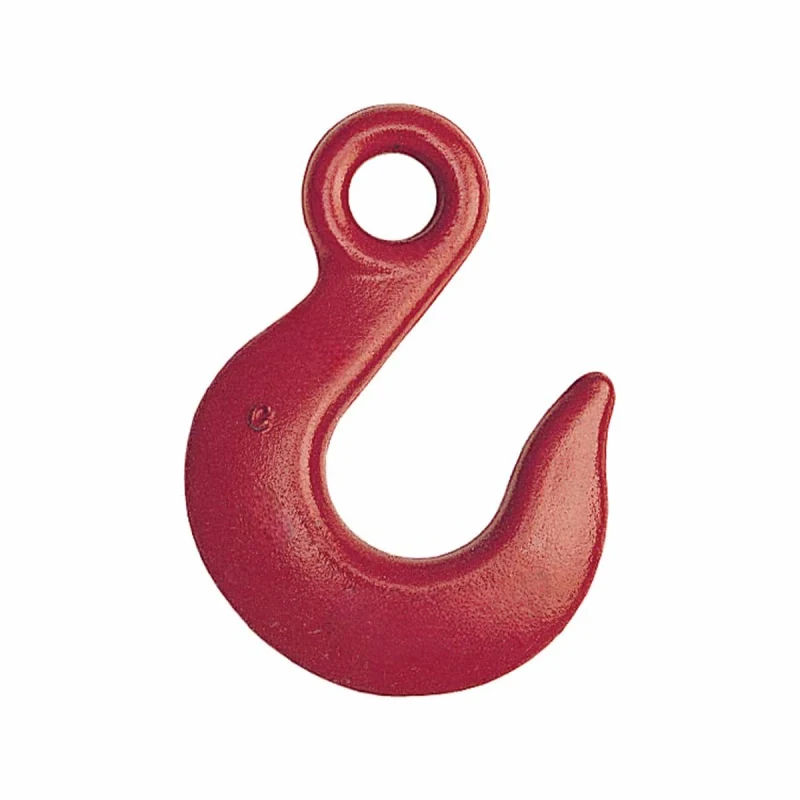
A slip or sling hook has a wider throat for connecting to lifting points, links or attachments. A latch helps retain a slack connection but does not increase WLL. Check the bowl, throat opening and latch arrangement against the load connection, then browse slip hooks for the available product family.
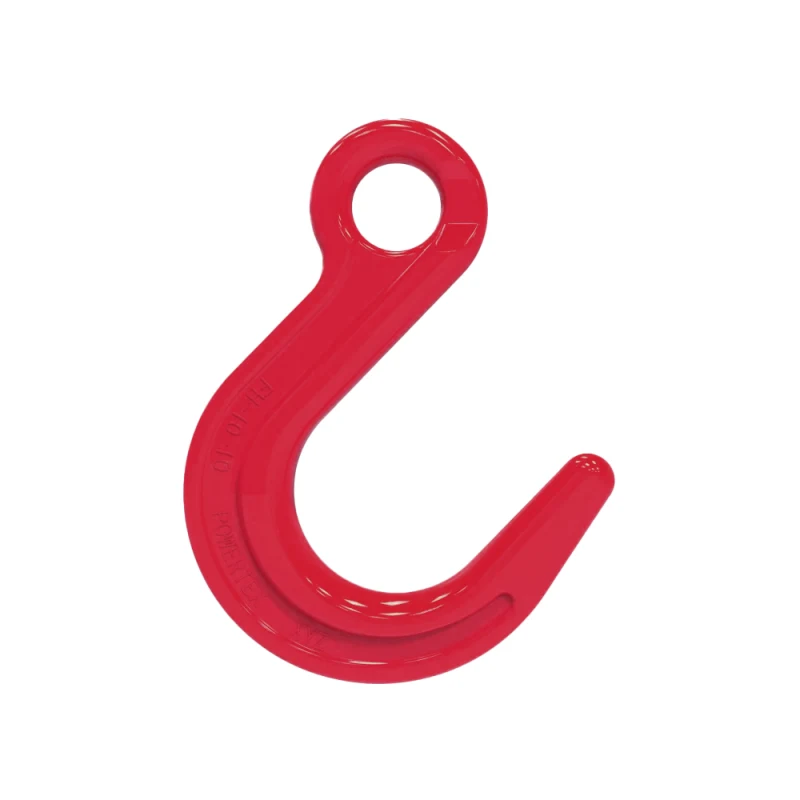
A foundry hook provides a wide, open throat for suitable large attachment points and foundry-handling applications. Because many designs are open hooks, the lift plan must account for load seating and the risk of disengagement. Use only the model and loading method approved for the application. The G80 clevis foundry hook is one catalogue-backed product route.
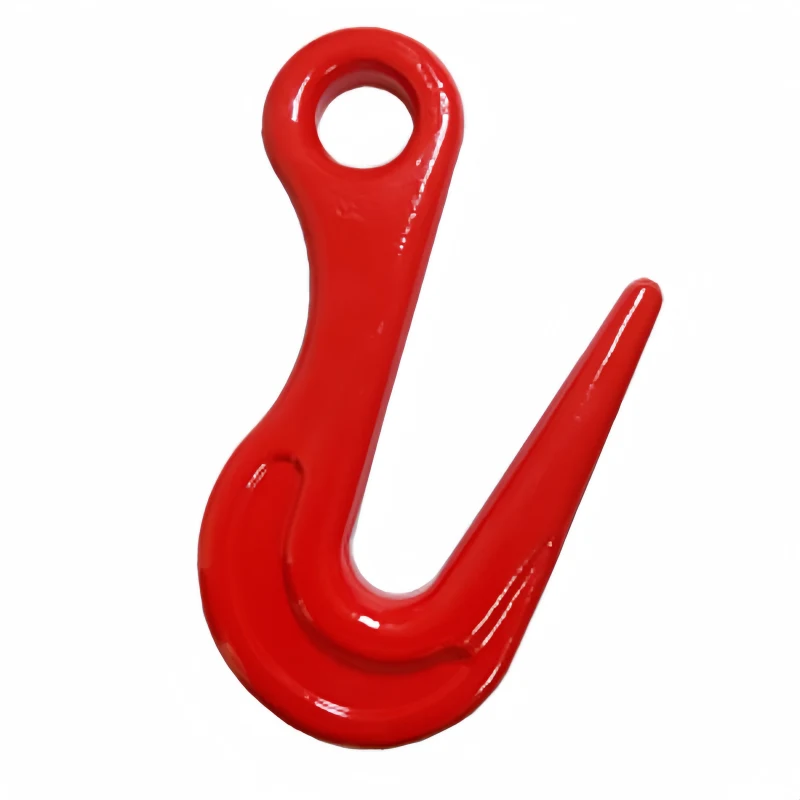
Sorting Hook
A sorting hook has a long point for handling or positioning suitable material such as plate, pipe or scrap. Capacity can change with the load position on some designs. Follow the model-specific rating and never assume tip loading is permitted.

A self-locking hook closes through its locking mechanism and is opened manually when unloaded. Eye, clevis and swivel versions are available for different assemblies. Confirm grade, WLL, trigger orientation and replacement-part availability for the selected model.
How to Choose a Lifting Hook?
Start with the complete lift, not a hook name. The hook must be compatible with the load, chain or sling, connecting hardware and operating conditions. Use the checklist below for an RFQ; the manufacturer or a qualified lifting specialist should verify the final assembly.
| Decision | What to Provide | Why It Matters |
|---|---|---|
| Load Rating | Maximum load, hitch, number of legs and lift geometry | Establishes the required assembly WLL; never size from load weight alone. |
| Grade and Size | Chain grade, chain diameter and existing component details | Prevents mismatched components. |
| Attachment | Eye, clevis, shank or swivel | Determines how the hook joins the assembly. |
| Function | Sling/slip, grab, foundry, sorting or self-locking | Matches throat, seating and retention to the task. |
| Load Retention | Latch, positive locking mechanism or open-hook requirement | Addresses slack conditions and disengagement risk. |
| Environment | Temperature, corrosion, offshore, chemical or high-cycle exposure | Affects material, finish and inspection planning. |
| Documents | Required standard, drawing, test certificate, material certificate or inspection report | Lets the supplier quote the correct verification package. |
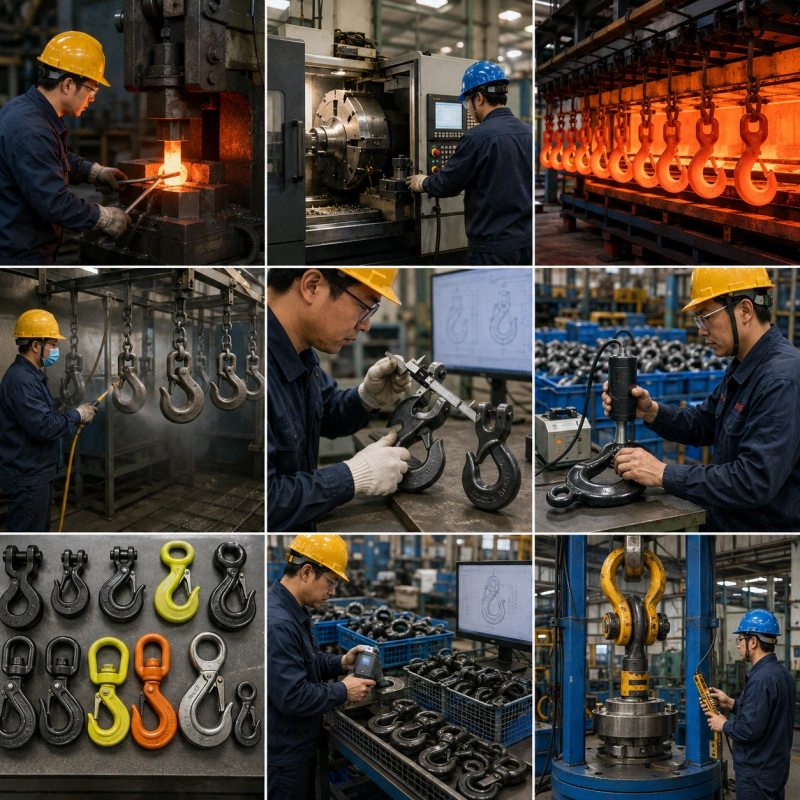
Lifting Hook Manufacturing & Quality Control
A reliable lifting hook begins with controlled material and a drawing that defines the load-bearing geometry. Depending on the model, production can include forging, machining of connection features, heat treatment and surface finishing. Dimensional checks are made against the approved drawing, while material identification and batch records keep the product tied to its production history.
Testing and documentation should be agreed at quotation stage. Powerful Machinery can support material inspection, dimensional inspection, proof or load testing, breaking-load testing, batch traceability, test and material certificates, inspection reports and third-party inspection according to the product and order requirements. This wording is deliberate: not every model or shipment automatically includes every test or document.
For approval, ask for the model drawing, WLL, key dimensions, grade and markings. For repeat production, lock the approved revision, marking format, finish, packaging and document set. This gives purchasing and quality teams a clear basis for incoming inspection and future reorders.
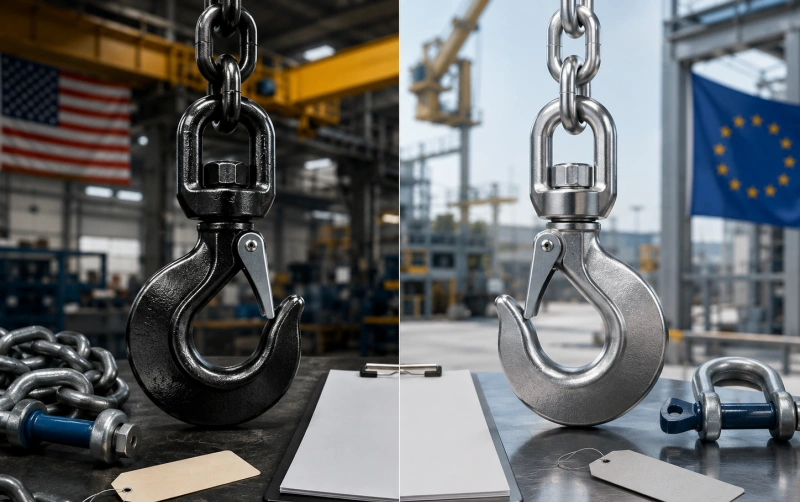
Lifting Hooks for North America & Europe
North American and European buyers often use different units, standards, markings and documentation practices. Send the destination market, required standard, imperial or metric dimensions, WLL, design or safety factor if specified, finish, temperature range, traceability and certificate requirements with the RFQ. We will confirm which catalogue model fits the request or identify where a custom review is needed. Grade 80 or Grade 100 alone should never be treated as proof that a hook meets every regional requirement.
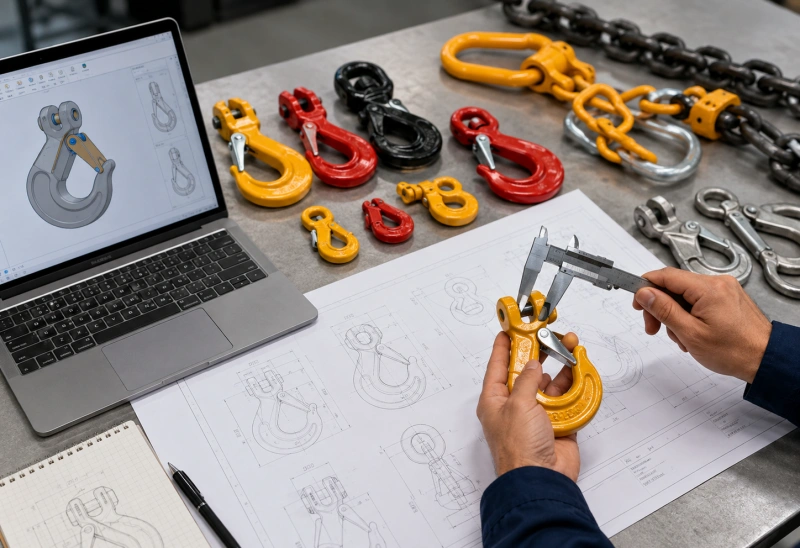
Custom & OEM Lifting Hooks
For OEM projects, provide a drawing or sample, load case, connection dimensions, material or grade requirement, finish, markings, target quantity and verification documents. We can review forging, machining, heat treatment, private marking, packaging and inspection requirements as one controlled specification.
Where geometry or load-bearing details change, allow time for drawing approval, samples and validation before bulk production. If the hook will be used in a complete assembly, include the chain, sling and connecting components in the review.
LIFT HOOKS GUIDE
What Are the Main Types of Lifting Hooks?
Lifting hooks can be grouped by attachment—eye, clevis, shank or swivel—and by function, including sling/slip, grab, foundry, sorting and self-locking. Start with the connection, then choose the function and exact model. See our guide to the main types of rigging hooks for a deeper comparison.
How Do I Determine Lifting Hook Capacity?
Use the WLL marked for the exact hook and verify the rating of the complete assembly. Load weight, hitch, sling angles, number of legs, component compatibility, side loading, shock and temperature can affect selection. Do not calculate a replacement rating from hook dimensions alone. Use the lifting hook capacity guide for the detailed selection factors.
How Should a Lifting Hook Be Inspected?
Before use, check identification, deformation, cracks, wear, corrosion, heat damage, throat opening and the latch or locking mechanism. Compare measurements with the manufacturer’s original data and follow the applicable inspection program. Remove the hook from service when damage or an out-of-limit condition is found. The lifting hook inspection guide covers the detailed process.
Are Safety Latches Required on Lifting Hooks?
The answer depends on the hook, equipment, lift and applicable rules. A latch is a retention device; it does not increase WLL or correct poor load seating. Specify the operating context and confirm the requirement with the equipment manufacturer, lift plan and governing standard. See the separate guide to safety latch requirements for lifting hooks for a fuller discussion.
Which Lifting Hook Material Should I Choose?
Material and heat treatment must be evaluated with the model, grade, WLL and environment. Alloy-steel hooks are common in rated lifting systems; corrosion-resistant or special-temperature applications need product-specific review. A finish can improve surface protection, but it does not change the underlying WLL. Use the lifting hook material guide for the detailed comparison.
How Do I Attach a Hook to a Chain?
Use the attachment system designed for the chain: a compatible clevis connection or an approved eye-and-coupling-link arrangement. Match grade, chain diameter, pin or connector and WLL, then follow the manufacturer’s assembly instructions. Our guide on how to attach a hook to a chain explains the general connection routes. Do not weld, drill or substitute connection parts unless the approved design specifically allows it.
Can a Hook or Safety Latch Be Replaced?
Use only a replacement hook or latch kit approved for the exact model and size. Check the mounting point, spring, pin and locking action after installation. A damaged, distorted or unidentifiable hook should be assessed under the applicable inspection procedure rather than returned to service with a generic latch.
NEED HELP WITH YOUR ORDER?
Send the hook type or a photo, required WLL, chain size and grade, attachment, quantity, destination market and any drawing or certificate requirement. If some details are unknown, explain the lift and connection points; our team will identify the missing information before quoting.
Technical fields should remain optional on the web form so buyers can still start with a simple inquiry.