You rely on your hoist to keep operations running smoothly and protect your team from harm. Skipping hoist inspection can lead to serious risks, including workplace accidents, unexpected downtime, and even costly legal penalties.
Many countries require regular inspections based on standards like ASME, EN, and directives such as the EU Machinery Directive or the UK’s PUWER and LOLER. These regulations ensure that only trained operators use equipment and that every inspection is documented, prioritizing safety at every step.
Many national laws reference international standards like ASME B30.16.
European regulations demand regular checks and thorough reporting.
The UK enforces periodic examinations and written reports for every hoist.
Key Takeaways
Regular hoist inspections prevent accidents and injuries by identifying issues before they escalate.
Compliance with safety regulations protects your business from legal penalties and builds trust with your team.
Frequent inspections reduce costly downtime and extend the lifespan of your equipment.
Professional inspectors have the training to spot hidden defects, ensuring safety and compliance.
Documenting inspections and maintaining records is crucial for regulatory compliance and workplace safety.
Hoist Inspection and Safety
Preventing Accidents and Injuries
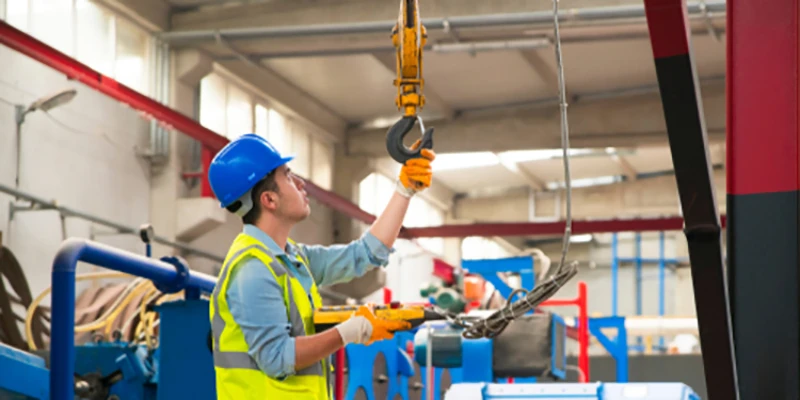
You play a critical role in keeping your workplace safe. Regular hoist inspection helps you spot problems before they cause harm. Many accidents happen because of overloading, equipment failure, or improper use.
Environmental factors can also affect how your hoist performs. You can see the main causes of hoist-related accidents and how inspections help in the table below:
Cause of Hoist-Related Accidents | Description |
|---|---|
Overloading | Can lead to equipment failure and dropped loads, posing injury risks. |
Equipment Failure | Sudden drops from broken cables or malfunctioning motors can cause serious hazards. |
Improper Use | Incorrect operation can increase the likelihood of accidents. |
Environmental Factors | External conditions can affect hoist performance and safety. |
When you schedule regular inspections, you catch wear or damage early. This action prevents malfunctions that could lead to injuries. Frequent checks ensure that your equipment, like Powerful Machinery’s Electric Wire Rope Hoist or Chain Hoist, operates safely even in high-risk environments such as construction sites.
Qualified technicians can find issues before they become dangerous, reducing the risk of accidents and protecting your team.
Compliance with Regulations
You must follow safety regulations to avoid legal trouble and keep your workplace safe. Standards like OSHA, ASME, and international guidelines require you to perform regular hoist inspections and keep detailed records. These rules exist to protect workers and ensure that only trained operators use lifting equipment.
Powerful Machinery’s certified products, including Electric Hoists and Lifting Equipment, meet or exceed these standards. When you follow compliance requirements, you show your commitment to safety and avoid penalties.
Note: Keeping up with compliance is not just about avoiding fines. It also builds trust with your team and clients, showing that you value their well-being.
Operational Continuity
You want your operations to run smoothly without unexpected stops. Regular inspection helps you avoid sudden breakdowns and costly downtime. When you check your equipment, you find minor issues before they turn into big problems.
For example, a small crack in a hydraulic hose discovered during an inspection can be fixed quickly, saving you from days of lost work and expensive repairs.
Benefit of Regular Inspections | Description |
|---|---|
Lower total cost | Preventive inspections lower total cost by avoiding emergency repairs and unplanned downtime. |
Faster maintenance | Planned maintenance is faster and cheaper than emergency repairs during a breakdown. |
Hazard identification | Hazards are identified through inspection and put out of service until they are repaired. |
You can rely on Powerful Machinery’s professional hoist inspections to keep your equipment in top shape. This approach increases equipment lifespan, improves operator confidence, and keeps your business productive.
Chain hoist inspections and routine checks on electric hoists help you maintain efficiency and safety every day.
Risks of Skipping Hoist Inspection
Accident and Injury Risks
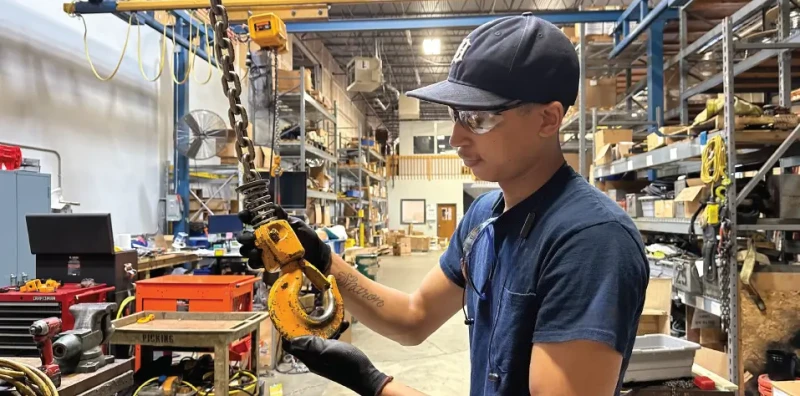
You face serious hazards when you skip inspection. Unchecked hoists can drop loads or snap unexpectedly, causing accidents that injure workers or damage property. Many incidents happen in construction environments where heavy lifting is routine.
Inspectors often find that missed inspections lead to undetected defects, such as worn cables or malfunctioning controls. These issues can result in severe injuries or even fatalities.
Tip: Always schedule regular hoist inspections to catch problems early and protect your team from harm.
Risk Type | Description |
|---|---|
Increased Risk of Failure | Unchecked hoists are prone to drops, snaps, or malfunctioning controls, leading to injuries. |
Higher Costs in the Long Run | Neglected wear can lead to expensive repairs or replacements, increasing long-term costs. |
Regulatory Penalties | Non-compliance can result in fines, legal issues, or worksite shutdowns. |
Legal and Financial Consequences
You must maintain compliance with safety regulations. Missing inspection records or outdated reports can trigger legal action. Investigators focus on the last certified inspection when accidents occur. If you cannot provide proper documentation, you may face fines or worksite shutdowns.
Legal repercussions escalate quickly, especially in industries like construction, where strict standards apply. You protect your business and reputation by keeping accurate records and following inspection schedules.
Skipped inspections can lead to dropped loads and damaged infrastructure.
Severe injuries or fatalities can occur due to undetected defects.
Legal repercussions can escalate if inspection records are missing or outdated.
Equipment Failure and Downtime
You risk costly downtime when you neglect hoist inspection. Wear, corrosion, and fatigue build up over time. These hazards may go unnoticed until a failure happens. When equipment breaks, you lose valuable work hours and face expensive repairs.
Regular hoist inspections help you avoid sudden breakdowns and keep your operations running smoothly. You ensure safety and efficiency by addressing issues before they disrupt your workflow.
Note: Preventive inspection saves money and keeps your team confident in the equipment.
Benefits of Professional Hoist Inspections
Early Hazard Detection
You need to identify hazards before they become serious problems. Professional hoist inspections help you spot early signs of wear, corrosion, or mechanical issues. When you schedule regular inspections, you prevent small defects from turning into major failures.
This approach keeps your Electric Wire Rope Hoist and Chain Hoist in top condition. You also maintain compliance with industry standards, which protects your team and your business. Early detection supports a safer workplace and reduces the risk of unexpected breakdowns.
Equipment Longevity and Cost Savings
You want your equipment to last as long as possible. Regular professional hoist inspections play a key role in extending the lifespan of your lifting equipment. These inspections help you maintain the integrity of critical components and avoid operational mistakes.
You reduce the chance of overloading and other errors that can shorten the life of your hoist. Powerful Machinery’s Electric Wire Rope Hoist and Chain Hoist are designed for durability and low maintenance. When you combine these features with consistent inspection, you maximize your investment and minimize repair costs.
Companies that invest in regular inspections and preventative maintenance avoid costly repairs and downtime. These practices deliver the best return on investment for your equipment. You also benefit from lower insurance premiums, as documented safety programs can reduce premiums by 35-55%.
Benefit | Description |
|---|---|
Extending equipment lifespan | Regular inspections help maintain the hoist’s functionality over time. |
Reducing repair costs | Early detection of issues can prevent expensive repairs. |
Preventing costly downtime from accidents | Consistent checks minimize the risk of accidents that lead to operational halts. |
Maintaining smoother workflows | Reliable performance ensures operations run efficiently. |
Productivity and Worker Confidence
You improve operational efficiency when you keep your hoists in excellent condition. Regular chain hoist inspections and maintenance routines create a safer environment. Your operators feel more confident using equipment that passes inspection.
Confident workers make fewer mistakes and work more efficiently. You also reduce unplanned downtime, which keeps your projects on schedule.
Regular inspections enhance safety, which boosts operator confidence.
Confident operators are less likely to make mistakes due to fear of equipment failure.
Reduced unplanned downtime leads to a more efficient and productive work environment.
Professional hoist inspections support your team, protect your investment, and keep your business running smoothly.
Chain Hoist Inspections and Inspection Types
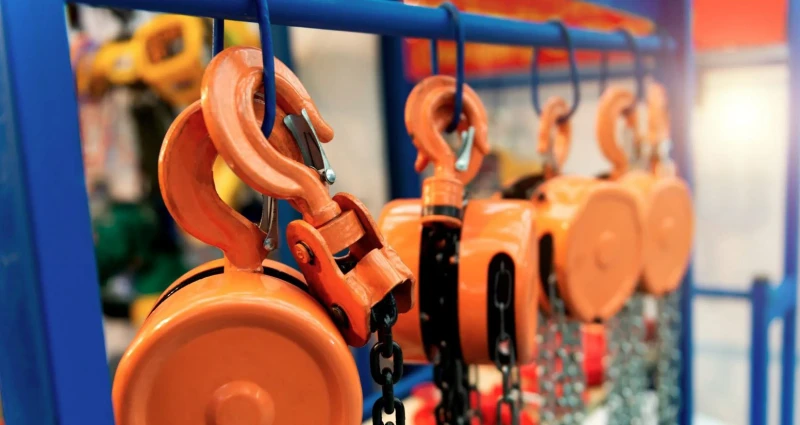
Pre-Operation Checks
You should always perform pre-operation checks before using overhead hoists. These steps help you catch issues early and keep your team safe. Follow this checklist every time you prepare for lifting:
Inspect all controls to make sure they work correctly and are clearly marked. Test the emergency stop function.
Examine the hook for any signs of deformation, wear, corrosion, or damage. Check that the hook latch closes securely.
Look over the chain and end connections for wear or damage. Make sure all connections are tight and secure.
Run the hoist through its motions without a load to confirm that every function operates as expected.
By following these steps, you reduce the risk of accidents and improve operational efficiency.
Frequent and Periodic Inspections
Chain hoist inspections and checks for electric wire rope hoists must happen on a regular schedule. The frequency depends on how often you use your equipment and the environment where you operate. Use the table below as a guide:
Inspection Level | Frequency |
|---|---|
Level I | Monthly |
Level II | Every three months |
Level III | Every six months |
If you use overhead hoists in harsh conditions or for heavy loads, increase the frequency of your inspections. Regular inspections help you spot problems before they become serious and keep your equipment running smoothly.
Inspection Process and Documentation
A thorough inspection process includes more than just looking at the equipment. You need to keep detailed records for compliance and safety. Your inspection report should include:
Company name, date, location, and signatures of those involved
Verification of safety tags and load ratings
Checks of all functional mechanisms, bolts, rivets, electrical and hydraulic lines, brake systems, hooks, chains, and end connections
Documentation of wiring, control panels, and safety devices
Notes on the overall condition and any deficiencies found
Keep all inspection reports and records accessible. This documentation proves you follow safety standards and helps during regulatory audits. A structured logbook tracks inspections, repairs, and any issues, ensuring accountability and transparency.
Tip: Good recordkeeping supports your compliance with OSHA, ASME, and ISO standards and demonstrates your commitment to safety.
Qualified Inspectors and Professional Services
Operator vs. Professional Hoist Inspections
You may wonder if your operators can handle hoist inspections or if you need to call in qualified professionals. Operators play an important role in daily pre-use checks, but they often lack the specialized training required for thorough inspections.
Unqualified personnel can make mistakes such as neglecting inspection protocols, misunderstanding load characteristics, or missing signs of wear. These errors put your team and equipment at risk. Qualified inspectors bring advanced knowledge, practical experience, and a deep understanding of safety standards.
They know how to spot hidden defects and document findings accurately, ensuring your hoist remains safe and compliant.
Industry Standards for Inspectors
You should always trust your hoist inspections to individuals who meet strict industry standards. Inspectors must complete specialized training that covers equipment principles, inspection methods, and regulatory compliance.
This training usually combines classroom learning with hands-on practice and lasts several days. Inspectors must also pass a rigorous exam and demonstrate their ability to identify defects and prepare official reports. Most certification programs require at least 2,000 hours of relevant experience.
Qualified technicians understand OSHA, ANSI, and ISO standards, so you can rely on their expertise to keep your operations safe.
Outsourcing to Certified Firms
You gain many advantages when you outsource hoist inspections to certified firms. These companies employ qualified professionals who stay current with government regulations and maintain detailed service records. Outsourcing saves you time and resources because you do not need to train your own mechanics.
It also lets you focus on your core business, which can boost profitability. Powerful Machinery ensures compliance by offering products and services that meet ASME, OSHA, and ANSI standards.
The company maintains accurate inspection records and provides certifications for all products, reflecting a strong commitment to safety and reliability.
Benefit of Outsourcing | Description |
|---|---|
Regulatory Compliance | Certified firms know the latest standards and keep proper records. |
Access to Skilled Labor | You avoid the challenge of finding or training inspectors. |
Focus on Core Operations | Your team can concentrate on business priorities. |
Tip: Choose a certified partner like Powerful Machinery to ensure your hoist inspections meet the highest international standards.
Conclusion
You ensure a safer, more reliable workplace when you schedule regular, professional hoist inspections. Industry experience shows that early issue detection, proper operator training, and accurate documentation reduce accidents and extend equipment life.
You build trust and protect your business by maintaining compliance with regulations.
Step | Description |
|---|---|
1 | Review inspection and training records |
2 | Retain records for 7 years |
3 | Inspect all lifting equipment thoroughly |
4 | Provide detailed reports for compliance |
5 | Consult on actionable safety improvements |
Take action today—schedule your next inspection and keep thorough records to safeguard your team and operations.
FAQ
How often should you inspect your hoist?
You should inspect your hoist before each use and schedule professional inspections at least once every year. If you use your hoist in harsh environments or for heavy lifting, increase the inspection frequency.
Who can perform a hoist inspection?
Only qualified professionals or certified inspectors should perform thorough hoist inspections. Your operators can handle daily pre-use checks, but you need experts for detailed assessments and compliance documentation.
What records do you need to keep after an inspection?
You must keep detailed inspection reports, including dates, inspector names, findings, and corrective actions. Store these records for at least seven years to meet regulatory requirements and support workplace safety.
What are the signs your hoist needs immediate attention?
Look for unusual noises, visible wear on chains or wire ropes, malfunctioning controls, or any sudden changes in operation. If you notice these signs, stop using the hoist and schedule a professional inspection right away.
Does Powerful Machinery offer certified hoist inspection services?
Powerful Machinery provides certified products and can recommend trusted inspection partners. You can contact their team for guidance on inspection schedules, compliance, and maintenance best practices.