Use this chain block inspection checklist to spot visible damage, abnormal operation, missing identification, and other reasons to stop a manual hoist before a lift. It applies to hand-operated chain blocks, also called manual chain hoists or hand chain hoists.
If you are still choosing the correct equipment type, start with our manual hoist range. This page does not cover electric chain hoists, lever hoists, wire-rope hoists or lifting slings.
This checklist is a practical screening guide, not a replacement for the instructions supplied with the exact hoist. Use the manufacturer manual, your site procedure, the competent person’s examination scheme and the rules that apply where the hoist is used. If a condition is unclear, do not use the hoist until it has been assessed.
What This Checklist Covers?
A pre-use check helps an operator identify obvious problems before lifting. A frequent or periodic inspection goes further and may include measurements, internal examination, testing and written records. The person, scope and interval for each inspection should be defined by the manufacturer, service conditions, equipment history, risk assessment and local requirements.
For this page, “chain block” means a manually operated hoist with a hand chain, load chain, top suspension and lower load hook. The rated capacity marked on the unit is the maximum load for that exact hoist; it is not a target to exceed, and it must not be inferred from appearance.
Before You Start the Inspection
☐ Identify the exact hoist by manufacturer, model, serial or asset number, and rated capacity.
☐ Obtain the current manufacturer instructions and the previous inspection record when required.
☐ Place the hoist in a well-lit, controlled area where it can be checked without exposing anyone to a suspended load.
☐ Make sure the chain is clean enough to inspect. Use only cleaning methods permitted by the manufacturer; aggressive chemicals or abrasive cleaning can hide or create damage.
☐ Do not open the hoist body or dismantle the brake unless the work is assigned to trained and authorized personnel under the correct procedure.
If you need help identifying the hand chain, load chain, hooks, brake, and housing, use the chain block components guide before completing the checklist.
Pre-Use Chain Block Inspection Checklist

Complete the following visual and functional checks before use or at the interval specified by your site procedure. Stop the check and remove the hoist from service if you find a condition that could affect safe operation.
Identification and Capacity
☐ The manufacturer, model, serial or asset number and rated capacity are present and legible.
☐ Required warning labels and operating directions are readable.
☐ The hoist is not marked, tagged or otherwise identified as out of service.
☐ The planned suspended load, including attachments, will not exceed the rated capacity shown on the hoist.
Suspension, Housing and Fasteners
☐ The supporting structure, trolley, clamp or suspension point is approved for the task and shows no obvious damage or instability.
☐ The top hook or suspension fitting is correctly seated and aligned for the intended load path.
☐ The hoist housing, side plates and covers show no cracks, deformation, impact damage or severe corrosion.
☐ Pins, nuts, bolts, retaining devices and other visible fasteners are present and show no obvious looseness or damage.
Hooks and Latches
☐ The top and bottom hooks show no cracks, gouges, nicks, twist, bending, heat damage, unauthorized grinding, welding or other visible deformation.
☐ Hook latches are present where supplied, move freely, close as designed and are not being used to support the load.
☐ The hook saddle is suitable for the connection, and the load will not bear on the point or latch.
☐ Any hook wear, throat opening or twist that requires measurement will be assessed against the exact manufacturer method and discard limit, not a generic percentage.
Load Chain

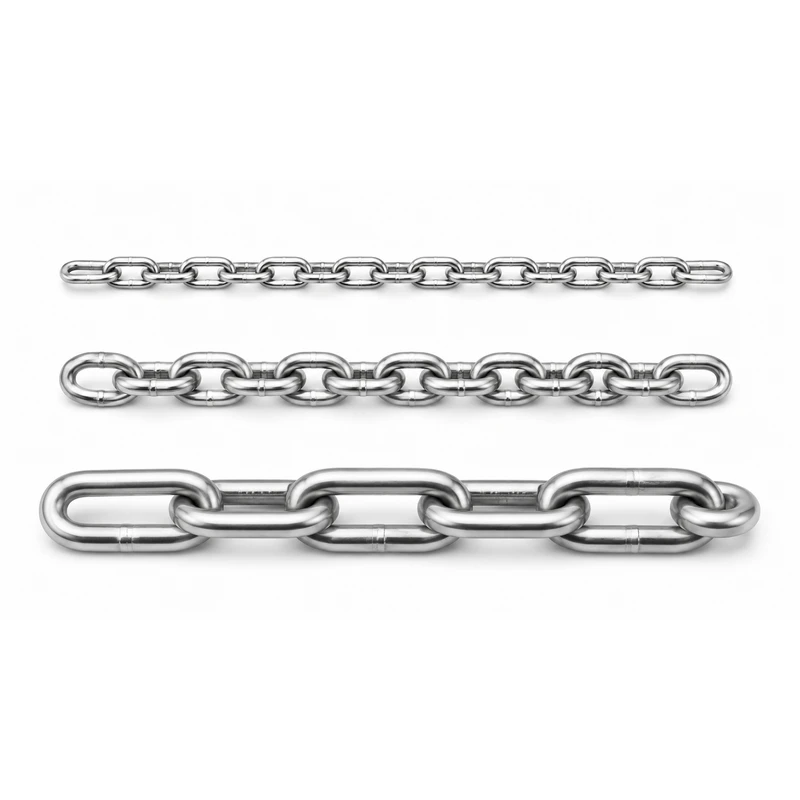
☐ Inspect the accessible length of the load chain for bent, cracked or twisted links; nicks; gouges; corrosion; heat damage; weld spatter; paint contamination; and other visible damage.
☐ The chain is correctly reeved and enters the load sheaves without twisting, bunching, jumping, or binding.
☐ The chain end, end stop or anchor is present and arranged as shown in the manufacturer’s instructions.
☐ Lubrication is present where required and is not contaminated with grit or material that could accelerate wear.
☐ Any chain wear or elongation that requires measurement will be checked by a competent person using the exact manufacturer procedure, number of links, and limit for that model.
Hand Chain and Operating Mechanism
☐ The hand chain is correctly fitted, free from harmful twists and damage, and runs freely through the hand wheel.
☐ With no load and in a controlled area, the hoist raises and lowers smoothly through the travel needed for the check.
☐ There is no unusual resistance, slipping, grinding, binding, jerking, or abnormal noise.
☐ The hook and chain move in the intended direction when the hand chain is pulled.
Brake and Controlled Function Check
A brake check must follow the exact manufacturer procedure and site controls. Where that procedure calls for a light test load, use a known load in a controlled area, lift it only far enough to confirm operation, and keep everyone clear. The load should raise, lower, and remain supported as intended, without drift or slipping. Do not improvise a proof load or overload test as part of a routine operator check.
☐ The brake engages and holds as specified in the manufacturer’s instructions.
☐ The load does not drift when the hand chain is released.
☐ There is no abnormal noise, heat, smell, vibration, or movement during the check.
Detailed Periodic Inspection
A detailed inspection should be completed by a competent person with the practical and theoretical knowledge needed to find defects and judge their significance. The exact scope may require cleaning, measurements, partial disassembly, internal examination, non-destructive testing or functional testing. It should be defined before work begins.
In addition to all pre-use items, the competent person should consider the following, using the exact manufacturer criteria for the hoist:
☐ Measure load-chain wear and elongation with the specified method and over the specified number of links.
☐ Measure hook wear, throat opening and twist, and compare the result with the original dimension or model-specific limit required by the manufacturer.
☐ Examine load sheaves, hand wheels, gears, shafts, bearings, pawls, ratchets, brake parts and load-bearing fasteners where the inspection scope requires access.
☐ Check the condition and security of chain guides, stops, anchors, suspension parts and load-block assemblies.
☐ Look for unauthorized modifications, substituted components or mismatched chain and parts.
☐ Review previous defects, repairs, overload or shock events, abnormal service, long storage and changes in the working environment.
☐ Complete any operational or load test only when the manufacturer, applicable standard, competent person, or local law requires it, using an approved test procedure and controlled test area.
When to Remove a Chain Block from Service?
Stop using the chain block if a check reveals a condition that could affect safe lifting or if the rated capacity or identity cannot be confirmed. Examples include:
- A cracked, bent, twisted, heat-affected, welded, or otherwise damaged hook.
- A missing or malfunctioning latch where the hoist was designed and supplied with one.
- A cracked, bent, heavily corroded, gouged, worn, elongated or incorrectly reeved load chain, or a chain that jumps or binds.
- A brake that slips, fails to hold or operates abnormally.
- A damaged housing, suspension fitting, load block, chain end or load-bearing fastener.
- Missing or illegible rated-capacity and identification markings.
- Abnormal noise, resistance, jerking, drift, or any condition the operator cannot explain.
- Evidence of overload, shock loading, unauthorized modification, incorrect parts, or damage after an incident.
Identify the hoist clearly, isolate or quarantine it so it cannot be returned to use, and report the finding. Do not weld, heat, straighten, grind, or otherwise reshape a load chain or hook. Internal repairs and safety-critical part replacement should be completed only by trained and authorized personnel using parts approved for the exact model.
Use the chain block repair guide to plan the next step, but keep the unit out of service until the defect has been corrected and the required examination and testing have been completed.
Inspection Frequency
There is no single inspection interval that is correct for every chain block in every country. Set the schedule from the manufacturer’s instructions, applicable law and standards, service severity, operating environment, equipment age and history, and the competent person’s examination scheme. Shorten the interval when use or conditions increase the rate of deterioration.
An operator pre-use check and a formal thorough examination are different activities. A pre-use check looks for obvious defects and abnormal operation. A formal examination is systematic, more detailed and performed by a competent person.
In the United Kingdom, LOLER requirements and any competent-person examination scheme must be applied to equipment used at work. In other jurisdictions, use the corresponding local rules and contract requirements.
Arrange an additional inspection or examination after events that could affect integrity, such as overload or shock loading, damage, failure, long periods out of use, major modification, or replacement or repair of a safety-critical part.
Chain Block Inspection Record
Use a record that matches the inspection type and your legal and site requirements. A useful record includes:
☐ Manufacturer, model, serial number or asset ID, rated capacity and location.
☐ Inspection type, inspection date and next due date where applicable.
☐ Manufacturer manual, procedure, standard or examination scheme used.
☐ Condition of each item checked and any measurements taken, including the method and acceptance limit used.
☐ Defects found, their safety significance and whether the hoist was removed from service.
☐ Corrective action, replacement parts, repair provider and supporting documents.
☐ Operational or load-test details only where testing was required.
☐ Inspector name, role, competence or authorization, and sign-off.
☐ Date and authority for service return.
Maintenance and Return to Service
Inspection identifies condition; maintenance preserves condition. Clean and lubricate the chain block only as the manufacturer directs, and keep lubricant away from friction surfaces unless the manual specifically instructs otherwise. The chain block maintenance guide covers routine care without turning this inspection page into a repair manual.
After long storage, contamination, transport damage or exposure to a harsh environment, follow the manufacturer’s return-to-service procedure and the required inspection or examination. Use the chain block storage guide for storage planning.
A repaired hoist should return to service only after the required inspection, examination and testing have been completed and documented. The person authorizing service return should be identified in the record.
Chain Block Inspection Questions
How often should a chain block be inspected?
Check it before use at the interval defined by your site procedure, and arrange more detailed inspections or examinations at intervals set by the manufacturer, service conditions, risk assessment, equipment history, competent-person scheme and local law. Do not copy a generic annual or monthly interval without confirming that it applies.
Who can perform a chain block inspection?
A trained operator may complete the pre-use check when the site procedure permits. Detailed inspections, measurements, internal examinations and formal thorough examinations require a person with enough practical and theoretical knowledge and experience to identify defects and judge their significance. Local law may define additional requirements.
How do I measure chain wear or elongation?
Use the method in the manual for the exact hoist and chain. It should state where to measure, how many links to include, how to position the chain, and what limit applies. Do not use a universal percentage from a general web article.
Does every inspection require a load test?
No. A routine visual inspection does not automatically require a proof or overload test. Testing should be performed only when required by the manufacturer, applicable standard, competent person, examination scheme or local law, using an approved procedure. Unnecessary overload testing can damage lifting equipment.
Can a damaged load chain or hook be repaired?
Do not weld, heat, straighten, grind or reshape a damaged load chain or hook. Remove the hoist from service and follow the manufacturer’s repair or replacement route. Use only parts approved for the exact model, then complete the required return-to-service checks.
What should I do if the hoist makes an unusual noise?
Stop using it, lower and secure the load if this can be done safely, and isolate the hoist. Unusual resistance, grinding, jerking, clicking, drift or binding requires assessment before the hoist is used again.
Choose a Chain Block with Traceable Inspection Information
When specifying a new hoist, ask for the model manual, rated-capacity marking, replacement-part route and available inspection or test documents. Compare models in our chain block product range or review the SK manual chain hoist. For a quotation, send the required capacity, lift, headroom, suspension, environment, quantity, and destination to our technical sales team.