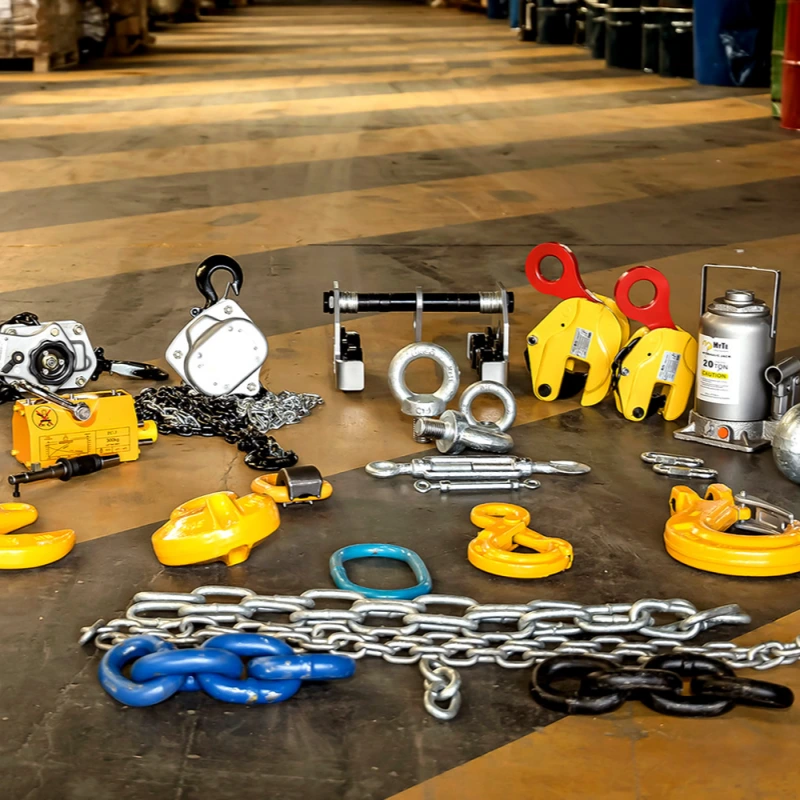
You can perform manual hoist repair safely by following strict safety guidelines and using only certified equipment. Always check that your hoist meets standards like ASME B30.16, ASME B30.21, and ASME B30.10.
Most accidents result from overloading or poor rigging, so you must never exceed rated capacity or skip inspections. Powerful Machinery provides manual hoists that undergo rigorous testing for safety. Trust certified products and clear safety protocols to protect yourself and your team every time you work.
Key Takeaways
Always wear personal protective equipment like hard hats and gloves when repairing manual hoists. This gear protects you from injuries.
Inspect your manual hoist regularly, including daily checks before use and comprehensive inspections at least once a year. Early detection of issues prevents major failures.
Use only certified replacement parts that meet manufacturer specifications. This practice ensures safety and maintains the warranty.
Document all inspections and repairs. Keeping records helps track the hoist’s condition and supports compliance with safety standards.
Follow manufacturer guidelines for disassembly, cleaning, and reassembly. Adhering to these steps ensures safe and reliable operation after repairs.
Manual Hoist Repair Safety Basics
PPE and Workspace Setup
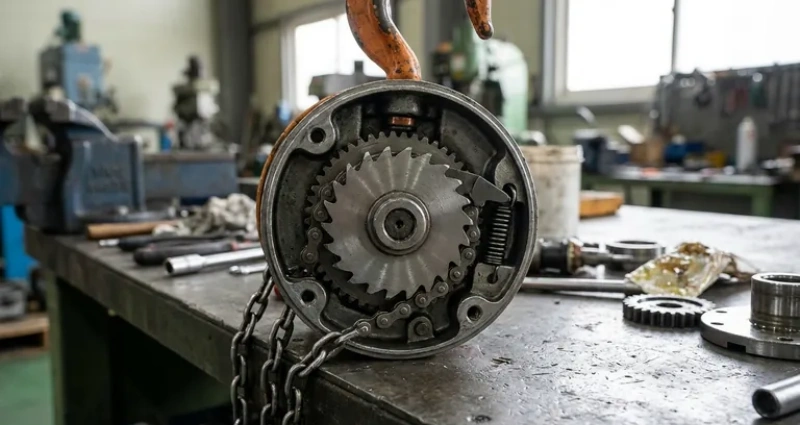
You must always prioritize safety when repairing a manual chain hoist. Wearing proper safety gear reduces risk and protects you from injury. Industry standards require you to use personal protective equipment such as hard hats, gloves, and safety shoes.
These items shield you from falling objects, sharp edges, and pinch points. You should check your workspace for hazards before starting any repair. Remove clutter, secure loose tools, and ensure good lighting. A clean, organized area lowers risk and helps you follow safety procedures.
Tip: Always read the owner’s manual and follow the hoist manufacturer’s safety recommendations. This step ensures you understand the specifications and safety guidelines for your equipment.
You must document inspections according to safety standards. Record the date, inspector’s name, and component identifiers for each inspection. This practice helps you track the hoist’s condition and spot developing issues.
Tools for Manual Chain Hoist Repair
Using the right tools is essential for maintaining safety standards and reducing risk during manual chain hoist repair. You need basic hand tools such as wrenches, screwdrivers, and pliers.
Specialized tools may include chain gauges and brake testers. Always inspect your tools for damage before use. Damaged tools increase risk and may cause accidents.
Inspection Type | Frequency | Description |
|---|---|---|
Annual Inspection | Minimum once a year | Evaluates over 20 mandatory inspection points to ensure safety status. |
Initial Inspection | Before commissioning | Confirms hoist functionality, includes load test, and provides documentation for the owner. |
Pre-Shift Inspection | Daily | Visual checks by the user at the start of each shift to ensure safe operation. |
Frequent Inspection | Monthly to weekly (varies) | Detailed inspections based on usage, with documentation of findings. |
Periodic Inspection | Quarterly to annually | Comprehensive evaluations by experts, including mechanical component assessments. |
Powerful Machinery ensures its manual chain hoists meet strict safety standards. You can decode certification markings, verify serial numbers, and check the reliability of safety mechanisms.
Each hoist comes with a comprehensive user manual and a unique serial number for traceability. These features help you maintain safety and reduce risk during repairs.
You must follow safety standards and use personal protective equipment every time you work. This approach protects you and ensures compliance with industry standards. Regular preventive maintenance and proper documentation help you avoid risk and keep your manual chain hoist in top condition.
Troubleshooting Manual Chain Hoist Issues
Common Problems and Symptoms
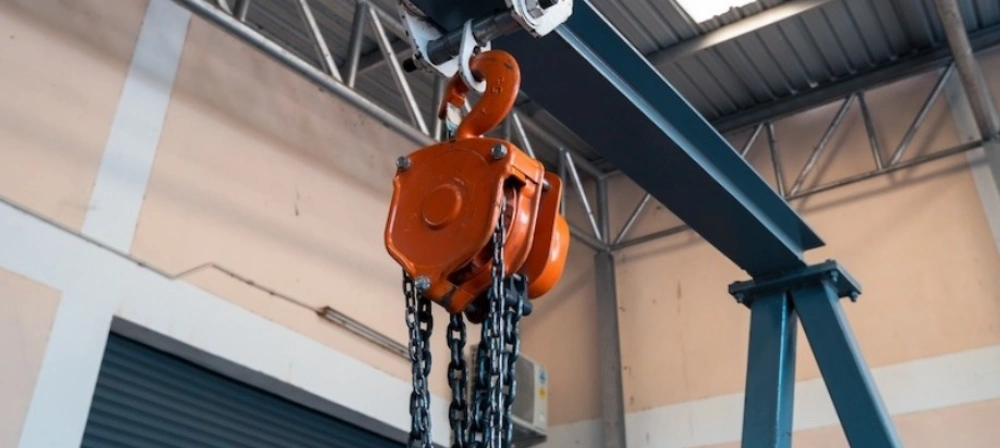
When you start troubleshooting a manual chain hoist, you need to recognize the most frequent issues. Many users report problems such as chain jamming, worn or damaged brakes, and unusual noises during operation. These symptoms often signal deeper mechanical wear or contamination.
You may also notice the chain stretching, hooks bending, or the hoist failing to lift loads smoothly. Overloading the hoist or using it for tasks beyond its design can cause these issues.
Here are some common chain hoist problems you might encounter:
Chain jamming or twisting
Worn or damaged load brake
Unusual noises during lifting or lowering
Chain stretching or deformation
Hooks showing signs of contortion or stretching
Load drifting or slipping
Note: Overloading is a leading cause of manual chain hoist malfunctions. Always check the rated capacity before use.
Diagnosing Chain Hoist Repair Needs
A good troubleshooting guide helps you decide if your manual chain hoist needs repair or replacement. Start with a visual inspection. Look for nicks, gouges, or corrosion on the chain and hooks. Check for distortion, kinks, or improper reeving. If you find any damage, remove the hoist from service.
You should also perform load testing. Gradually apply weight to see if the hoist can lift and hold the load without slipping. Listen for unusual noises or signs of strain. If the hoist fails repeatedly or if repair costs approach the price of a new unit, replacement may be the best option.
Diagnostic Step | What to Check For |
|---|---|
Visual Inspection | Wear, corrosion, deformation |
Load Testing | Slipping, drifting, unusual noises |
Functional Testing | Smooth operation, proper brake function |
If you need help, Powerful Machinery provides maintenance guidelines, inspection checklists, and access to official manuals. You can also order certified spare parts to keep your manual chain hoist in top condition. Use this troubleshooting guide to ensure safe and reliable lifting every time.
Step-by-Step Manual Hoist Repair with Powerful Machinery
Manual hoist repair requires a systematic approach to ensure safety and restore reliable operation. You should always follow manufacturer guidelines and use certified parts for every repair.
Powerful Machinery supports you with expert technicians, immediate spare parts availability, and comprehensive maintenance solutions. This section guides you through each stage of manual chain hoist repair, from safe disassembly to final testing.
Disassembly and Cleaning
Begin manual hoist repair by preparing your workspace and gathering the necessary tools. Always review the manufacturer’s guidelines before starting. You should perform an initial inspection to confirm the hoist is not under load and is properly secured. Disconnect the hoist from any rigging or support structure.
Follow these steps for safe disassembly and cleaning:
Remove the hoist cover and set aside all fasteners in a labeled container.
Use a brush or cloth to remove dirt, dust, and debris from the hoist body and chain.
For hard-to-reach areas, use compressed air to clear out grime.
Avoid harsh chemicals that could damage hoist components.
Regularly lubricate moving parts to prevent friction and rust.
Use cleaning brushes to remove stubborn grime without scratching surfaces.
Tip: Always document your initial inspection and cleaning process as part of your inspection checklist. This record helps you track the condition of your manual chain hoist over time.
Inspecting and Replacing Parts
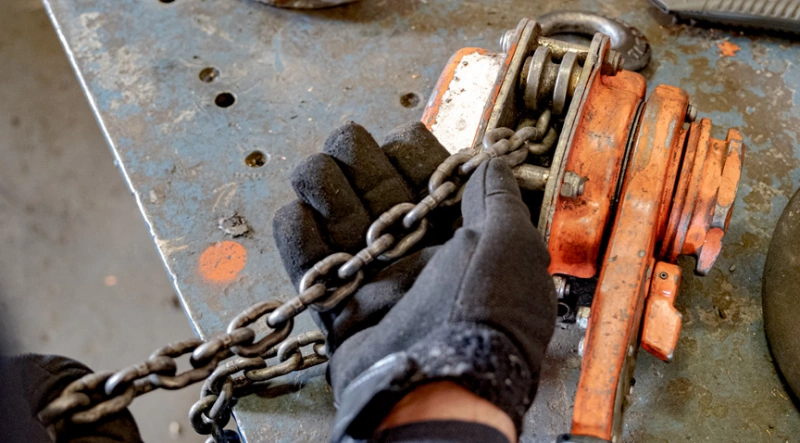
After cleaning, you must conduct a thorough inspection of all hoist components. Manufacturer guidelines specify key inspection points to identify worn or damaged parts. Start with a visual inspection and continue with functional checks.
Key inspection steps include:
Check all load chains for visible damage, kinks, or corrosion.
Confirm the hoist is properly secured and stable.
Verify the load does not exceed the limit indicated on the warning label.
Operate the hoist without a load to check for smooth, regular motion.
Inspect the chain for twisted links and ensure it feeds smoothly into the sprockets.
Examine all markings and labels for legibility.
Test the hoist controls and brake responsiveness.
Inspect hooks for wear, deformation, or cracks. Ensure safety latches work correctly.
Listen for unusual noises during operation.
If you find any damaged or worn parts, replace them immediately. Use only certified replacement parts that meet manufacturer guidelines. Powerful Machinery maintains a high stock of crucial components, so you can access genuine parts quickly.
Their trained technicians can assist you with complex repairs or provide emergency support if needed.
Note: Always refer to the manufacturer’s guidelines for torque specifications and assembly order when installing new parts. This practice ensures your manual chain hoist meets safety standards after repair.
Reassembly and Testing
Once you complete the inspection and part replacement, begin reassembly. Follow the manufacturer guidelines step by step, ensuring all fasteners are tightened to the correct torque. Reinstall the hoist cover and verify all safety features are in place.
Before returning the hoist to service, perform a series of tests to confirm safe operation:
Clear the area under the hoist and ensure no one is in the path.
Confirm the hoist is unloaded.
Prepare to stop the hoist quickly if needed.
Test the upper limit switch by running the hoist up without a load. Listen for any strange noises.
If the limit switch does not function, remove the hoist from service for further repair.
Test the lower limit switch by lowering the hook and listening for unusual sounds.
Inspect the chain or wire rope for defects during operation.
You should document the results of your initial inspection, repair, and final testing. This documentation supports ongoing safety and compliance with industry guidelines. Powerful Machinery provides detailed manuals and ongoing support to help you complete every manual hoist repair with confidence.
Remember: Following manufacturer guidelines and using certified parts ensures your manual chain hoist remains safe and reliable for every lift.
Chain Hoist Maintenance Tips
Post-Repair Testing for Safety
You must always test your manual chain hoist after completing repairs to confirm safety and reliable operation. Begin with tests that do not involve a load. Operate the hoist through all functions, including raising and lowering, and check the brake system for smooth performance.
Next, use a light load to verify that the hoist responds correctly. Finally, test with a load close to the maximum rated capacity. This process ensures chain hoist maintenance restores full functionality and meets safety standards.
Tip: Document each test result. This record helps you track chain hoist maintenance and supports compliance with industry safety requirements.
Simple Maintenance Schedule
You can prevent future issues by following a basic chain hoist maintenance routine. Start with daily checks for visible signs of wear or damage. Always adhere to the manufacturer’s chain hoist maintenance schedule for optimal performance. Lubricate the load chain regularly to prevent corrosion and reduce friction.
Schedule annual comprehensive inspections with a qualified technician. Operator training is essential for correct use and chain hoist maintenance.
Inspection Type | Frequency |
|---|---|
Frequent Inspections | Daily or before each use |
Periodic Inspections | Monthly or quarterly |
Routine chain hoist maintenance prolongs equipment life.
Effective chain hoist maintenance enhances workplace safety by reducing accidents.
Cleaning and lubrication are vital parts of chain hoist maintenance.
Powerful Machinery supports you with rigorous inspection routines, compliance with international safety standards, and ongoing operator training. You can rely on their certified products and expert guidance for every chain hoist maintenance task.
Regular maintenance ensures your manual chain hoist operates safely and efficiently, reducing downtime and extending service life.
Note: Consistent chain hoist maintenance is the best way to protect your investment and maintain safety in every lifting operation.
Conclusion
You protect yourself and your team by following each safety step during manual hoist repair. You inspect, clean, and replace parts to maintain safety and reliable operation. You test the hoist after repairs to confirm safety before every lift. Regular chain hoist maintenance improves safety and reduces the risk of equipment failure:
Early inspections detect issues and prevent major failures.
Lubrication reduces wear and increases safety.
Troubleshooting minor problems maintains safety and prevents breakdowns.
Choosing certified brands like Powerful Machinery strengthens your safety commitment:
Benefit | Description |
|---|---|
Safety | Certified products protect your team and assets. |
Compliance | Products meet international safety standards and regulations. |
Expert Guidance | Certified providers help you achieve safety and select proper equipment. |
You build confidence with every repair. You create a safer workplace. You can trust Powerful Machinery for safe lifting solutions.
FAQ
How often should you inspect your manual hoist?
You should inspect your manual hoist before each use and schedule comprehensive inspections at least once a year. Regular checks help you catch wear or damage early and keep your equipment safe.
What should you do if your hoist chain gets stuck?
Stop using the hoist immediately. Inspect the chain for twists, kinks, or debris. Clean and lubricate the chain. If the problem continues, replace the chain with a certified part from Powerful Machinery.
Can you use any replacement parts for your manual hoist?
Always use certified replacement parts that match your hoist’s specifications. Using non-certified parts can compromise safety and void your warranty.
Where can you find official manuals and spare parts?
You can visit Powerful Machinery’s official website for manuals, spare parts, and technical support. The site provides resources to help you maintain and repair your hoist safely.
What is the best way to store your manual hoist?
Store your manual hoist in a dry, clean area. Hang it to prevent chain tangling. Lubricate moving parts before storage. This routine helps you extend the life of your equipment.