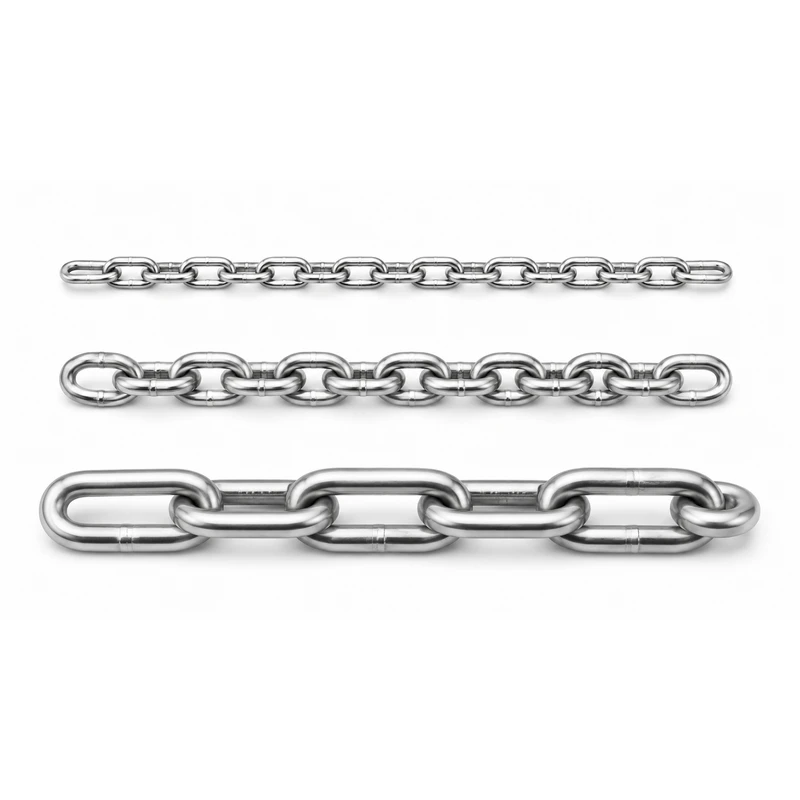
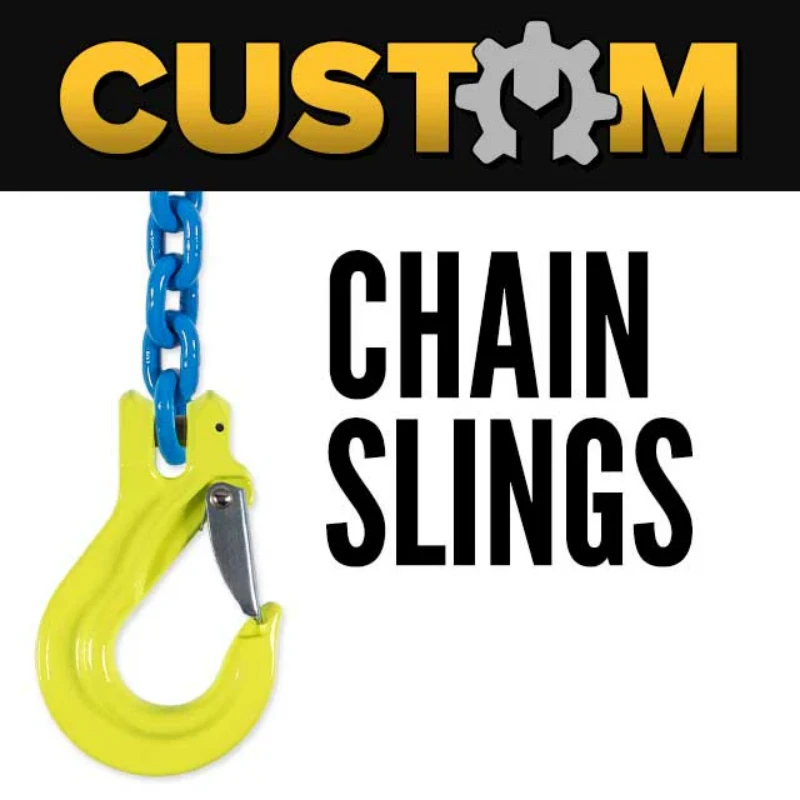
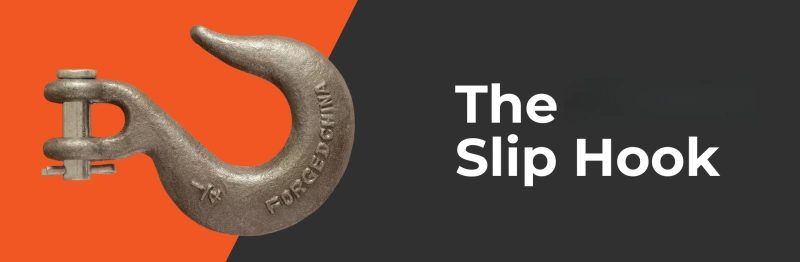
You may wonder what a slip hook is. A slip hook is a strong metal tool that connects chains or ropes to heavy loads. You attach the hook to a chain, and the wide opening lets the chain move freely. This design helps you adjust the chain length quickly.
Powerful Machinery supplies slip hooks that meet strict safety standards. You can rely on their products for tough jobs in construction, marine, and mining industries.
Key Takeaways
A slip hook connects chains or ropes to heavy loads, allowing for quick adjustments in length and position.
Always check the safety latch on a slip hook before use to prevent accidental disengagement and ensure safety.
Choose slip hooks made from high-strength materials like alloy steel for durability in tough environments.
Regularly inspect slip hooks for wear and damage to maintain safety and reliability during lifting operations.
Select the right slip hook based on load capacity and application to enhance efficiency and safety.
What is a Slip Hook?
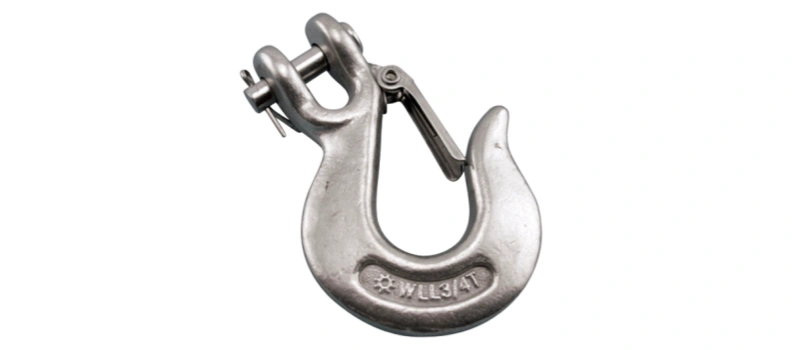
When you ask what a slip hook is, you discover a tool that plays a vital role in lifting and rigging. You see slip hooks in action on construction sites, in marine operations, and during cargo handling. These hooks connect chains or ropes to heavy loads, making it easy for you to adjust and secure materials safely.
Key Features and Design
You notice several features that set slip hooks apart from other hooks. The most important is the wide, open throat. This opening lets the chain slide through the hook, so you can quickly change the chain length or adjust the load position. The clevis slip hook, for example, uses a U-shaped bracket that pivots.
This design gives you flexibility for different attachments and helps reduce strain when loads shift.
Manufacturers use high-strength, heat-treated alloy steel to make slip hooks. This material stands up to heavy loads and tough environments. You often find slip hooks in grades like 80 or 100, which means they meet strict standards for lifting. Many slip hooks include a safety latch or chain retainer.
This feature keeps the chain from slipping out by accident, which is especially important when you lift or tow overhead.
Tip: Always check for a safety latch before using a slip hook. This small part can prevent accidents and keep your load secure.
You can compare the materials used in slip hooks with the table below:
Material Type | Impact on Performance |
|---|---|
Grade 316 Stainless Steel | Ensures durability and corrosion resistance, suitable for demanding applications. |
High-Strength Alloy Steel | Provides reliability under heavy loads, ideal for hot and dirty environments. |
Slip hooks from Powerful Machinery also feature corrosion-resistant finishes, such as zinc plating or paint. This protection helps the hook last longer, even in outdoor or marine settings.
Slip Hook vs Grab Hook
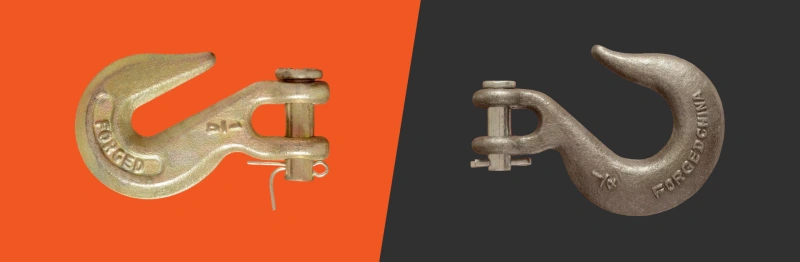
You might wonder what a slip hook is compared to a grab hook. Both hooks connect chains to loads, but they work in different ways. A slip hook has a wide throat and usually a safety latch.
This design lets the chain move or “slip” through the hook, which is perfect when you need to adjust the chain length or handle shifting loads.
A grab hook, on the other hand, has a narrow opening. It grabs a specific link in the chain and holds it firmly in place. Grab hooks do not allow the chain to slide, so they work best for binding or securing loads that should not move.
Here is a simple table to help you see the differences:
Feature | Slip Hook | Grab Hook |
|---|---|---|
Design | Closed design with a safety latch | Open design without a safety latch |
Security | Provides a secure enclosure for the load | Less secure against accidental release |
Application | Ideal for dynamic lifting and overhead lifting | Best for stable lifting and load binding |
Use Case | Cargo handling, construction sites | Pulling or dragging materials |
When you choose a slip hook, you get a tool that meets international safety standards. Powerful Machinery’s slip hooks carry certifications like ISO9001, TUV Rheinland, and ASTM. These certifications show that the hooks pass strict tests for quality and safety.
You find slip hooks used in industries such as construction, marine, mining, and transportation. These fields demand reliable equipment, and certified slip hooks help you meet those demands.
If you want to know what a slip hook is and why it matters, remember that this tool gives you flexibility, safety, and strength for many lifting jobs. You can trust certified slip hooks from Powerful Machinery to perform in the toughest conditions.
How Slip Hooks Work?
Mechanism and Attachment
When you use a slip hook, you get a tool that makes lifting and securing loads easier. The main mechanism relies on a wide throat opening. This design lets you slide a chain or rope through the hook quickly.
You can adjust the chain length or position the load without removing the hook. The clevis pin system gives you a strong and stable connection to the chain.
Slip hooks use high-strength materials, such as forged carbon steel or alloy steel. These metals help the hook handle heavy loads without bending or breaking. You can find slip hooks in many industries because they offer both strength and flexibility.
Here are some key points about the mechanism:
High-strength steel construction resists deformation under heavy loads.
The wide throat allows for easy chain adjustment and load positioning.
The clevis pin ensures a secure attachment to the chain.
You may wonder about the load capacities for different applications. The table below shows how slip hooks compare based on material and use:
Application | Recommended Material | Load Range | Key Features |
|---|---|---|---|
Marine & Outdoor Use | Stainless Steel | 500 – 5,000 lbs | Corrosion-resistant, sealed latch, UV-stable |
Industrial Lifting | Forged Carbon Steel | 1,000 – 10,000+ lbs | High WLL, heat-treated, ASME certified |
Agricultural Equipment | Galvanized Steel | 800 – 4,000 lbs | Rust-resistant, durable, cost-effective |
Light-Duty Transport | Aluminum Alloy | 200 – 1,500 lbs | Lightweight, non-sparking, easy to handle |
Safety Latch Function
The safety latch is a small but important part of a slip hook. When you close the latch, it covers the hook’s opening. This action keeps the chain or rope from slipping, so you avoid accidental drops. You protect yourself and others by using hooks with a safety latch.
The table below explains why the safety latch matters:
Benefit | Description |
|---|---|
Prevents Accidental Disengagement | The latch closes over the hook’s throat, reducing the chance of the chain or shackle slipping out due to movement or load shifts. |
Reduces Workplace Hazards | Secures the connection point to prevent dropped loads and potential injuries in high-risk environments. |
Enhances Operational Confidence | Assures workers that lifting connections are securely fastened. |
Compliance with Safety Standards | Many industries mandate the use of latched hooks to adhere to safety regulations like OSHA and ASME B30.26. |
You should always check the safety latch before lifting. Anti-slip hooks use locking mechanisms to prevent accidental disengagement. Each hook has a working load limit, so never exceed it. Regular inspections and proper handling keep your equipment safe and reliable.
If you want to understand what a slip hook is, remember that the safety latch and strong materials work together to keep your lifting operations safe and efficient.
Uses of Slip Hooks
Common Applications
You see slip hooks in many industries because they offer strength and flexibility. You can use them to connect chains, ropes, or slings to heavy loads. These hooks help you move, lift, or secure materials safely and efficiently. Here are some of the most common ways you might use slip hooks:
Construction Equipment: Attach slip hooks to cranes or excavators to lift beams, pipes, or other building materials.
Transportation: Secure cargo on trucks and trailers. The wide throat lets you adjust the chain length for a tight, safe fit.
Manufacturing: Move products or materials along assembly lines. Slip hooks make it easy to connect and disconnect loads.
Marine Operations: Use slip hooks with winches or hoists to handle anchors, ropes, or heavy gear on ships and docks.
Agriculture: Connect slip hooks to chains for towing or lifting equipment and supplies around farms.
Tip: Always check the working load limit before using a slip hook for any application. This step keeps your operation safe.
Why Choose Powerful Machinery Hooks?
You want hooks that deliver safety, strength, and reliability. Powerful Machinery slip hooks stand out because they use high-quality materials and smart designs. You can see the advantages in the table below:
Material Type | Key Features | Ideal Applications |
|---|---|---|
Forged Steel | Exceptional strength and impact resistance | Heavy-duty industrial applications |
Stainless Steel | High strength, excellent corrosion resistance | Food, marine, and chemical industries |
Aluminum Alloys | Lightweight, corrosion-resistant | Easy handling applications |
Heat-Treated Alloys | Maintains strength at high temperatures | Specialized uses (e.g., foundry hooks) |
Safety Latch | Prevents accidental disengagement | Essential for safety |
Throat Opening Size | Fits various sling or shackle diameters | Important for compatibility |
You also benefit from certified quality. Powerful Machinery slip hooks meet strict standards like ASME B30.26 and ISO 2385. Third-party testing checks load capacity and durability.
Many industries require certified hooks to meet OSHA and ANSI regulations. You can trust these hooks to perform safely in demanding environments.
Aspect | Description |
|---|---|
Compliance with standards | Certified hooks meet recognized specifications for quality and safety. |
Third-party validation | Testing confirms load capacity and durability. |
Regulatory acceptance | Meets OSHA, ANSI, and other safety requirements. |
You get peace of mind when you choose Powerful Machinery slip hooks. These hooks help you work safely and efficiently, no matter the job.
Safe Use and Selection
Usage Steps and Precautions
You must use slip hooks correctly to keep your lifting operations safe. Start by checking the hook for any signs of wear, cracks, or deformation. Always make sure the safety latch works smoothly.
Powerful Machinery slip hooks include a reliable safety latch and corrosion-resistant finish, which help prevent accidents and extend service life.
Follow these steps for safe use:
Inspect the hook and safety latch before each use.
Confirm the working load limit (WLL) is higher than your load.
Attach the hook securely to the chain or rope.
Close the safety latch completely before lifting.
Lift the load slowly and avoid sudden movements.
Never exceed the rated capacity of the hook.
Tip: Operator training and regular proof load testing help prevent accidents and ensure your equipment stays reliable.
You should also follow industry regulations for safety. The table below highlights important guidelines:
Regulation | Description |
|---|---|
OSHA 1910.181(j)(2)(ii) | Use safety latch-type hooks whenever possible. |
OSHA General Duty Clause | Protect workers from hazards, including missing safety latches. |
ASME 30.2-2011 | Use latch-equipped hooks unless impractical for the task. |
Choosing and Maintaining Slip Hooks
Selecting the right slip hook ensures both safety and efficiency. Consider these criteria when choosing a hook:
Criteria | Description |
|---|---|
Load Capacity | Pick a hook with a WLL at least 20-25% higher than your maximum load. |
Material Quality | Choose stainless steel for corrosion resistance or forged carbon steel for durability. |
Certification and Safety | Look for hooks that meet ASME and OSHA standards. |
Compatibility | Make sure the hook fits your chains, ropes, or shackles. |
Design and Latch Type | Select a latch type that matches your application for secure operation. |
Maintaining your slip hooks helps them last longer. Clean hooks after each use to remove dirt and debris. Apply lubricant to moving parts and the safety latch. Inspect hooks regularly for cracks or deformation. In humid or marine environments, use rust-preventative oil and store hooks in a dry place.
Note: Regular inspections and proper care keep your slip hooks safe and ready for every job.
Conclusion
You now understand that a slip hook helps you connect, lift, and secure heavy loads with ease. When you choose certified slip hooks from Powerful Machinery, you improve both safety and efficiency. See how these features benefit you:
Feature | Benefit |
|---|---|
Wide throat opening | Quick, easy connections |
Safety latch | Prevents accidental load release |
Versatile application | Works with slings, chains, and tie-downs |
Always select hooks with strong craftsmanship and safety features. Trust Powerful Machinery for reliable lifting solutions.
FAQ
What is the main difference between a slip hook and a grab hook?
A slip hook lets the chain move freely through its wide opening. A grab hook holds a specific chain link in place. You use slip hooks for adjustable connections and grab hooks for fixed, secure holds.
How do you know which slip hook grade to choose?
You select the grade based on your job. Grade 43 works for light-duty tasks. Grade 70 fits transport and cargo. Grade 80 or higher suits heavy lifting and industrial use. Always check the working load limit.
Can you use slip hooks outdoors or in marine environments?
Yes! Powerful Machinery slip hooks have corrosion-resistant finishes like zinc plating or paint. These coatings help the hooks last longer in outdoor, wet, or salty conditions.
How often should you inspect your slip hook?
You should inspect your slip hook before every use. Look for cracks, wear, or a damaged safety latch. Regular checks help you prevent accidents and keep your equipment safe.