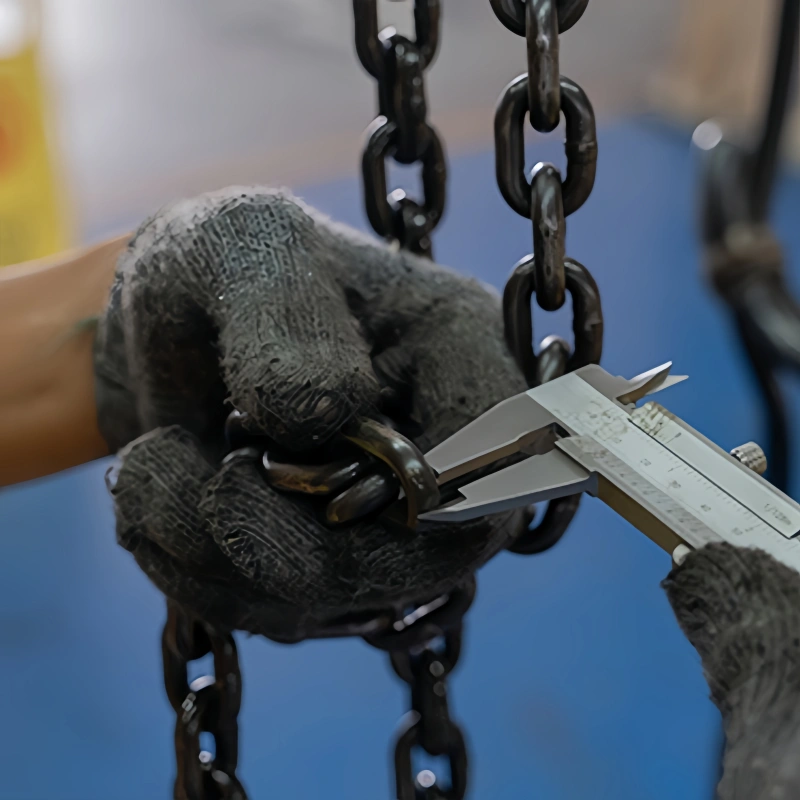
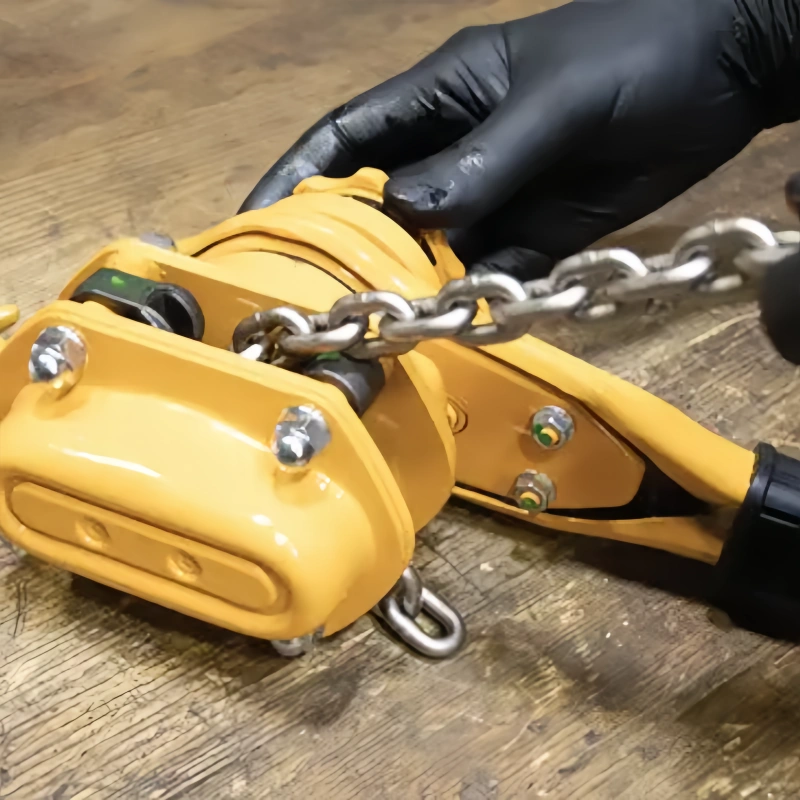
Selecting the right hoist for your plant requires you to evaluate your operational needs, safety standards, and environment. A hoist comparison helps you match manual, electric, or pneumatic hoists to your specific lifting capacity and load capacity.
Common safety incidents—like overloading, equipment failure, and improper use—highlight the importance of reliable features. Powerful Machinery delivers certified electric hoists that improve productivity and meet strict safety standards.
As you review your options, consider the unique requirements of your lifting operations and the capacity you need to maintain efficiency.
Key Takeaways
Evaluate your lifting needs carefully. Consider load capacity, frequency of use, and the environment to choose the right hoist.
Prioritize safety features. Ensure hoists have overload protection, emergency stops, and comply with safety standards for your specific environment.
Understand the differences between hoist types. Electric hoists offer speed and efficiency, while air hoists excel in hazardous conditions.
Plan for installation and maintenance. Ensure your facility can support the power or air requirements of the hoist you choose.
Consider long-term costs. Factor in both the initial purchase price and ongoing operating expenses to make a smart investment.
Hoist Comparison Overview
Choosing the right lifting equipment starts with a clear hoist comparison. You need to understand the differences between manual, electric, and air-powered options. Each type of hoist offers unique features and serves specific applications in your plant.
Type of Hoist | Lifting Capacity | Speed | Application |
|---|---|---|---|
Manual Hoists | 0.5 to 20 tons | Slower, manual operation | Temporary or infrequent use, low capacities, short lift heights |
Electric Hoists | 0.125 to 50+ tons | Faster, powered operation | Repetitive lifting in industrial environments |
Air Chain Hoists | Up to 100 tons | Variable speed control | Hazardous areas, long lifts, high duty cycles |
Manual Hoists
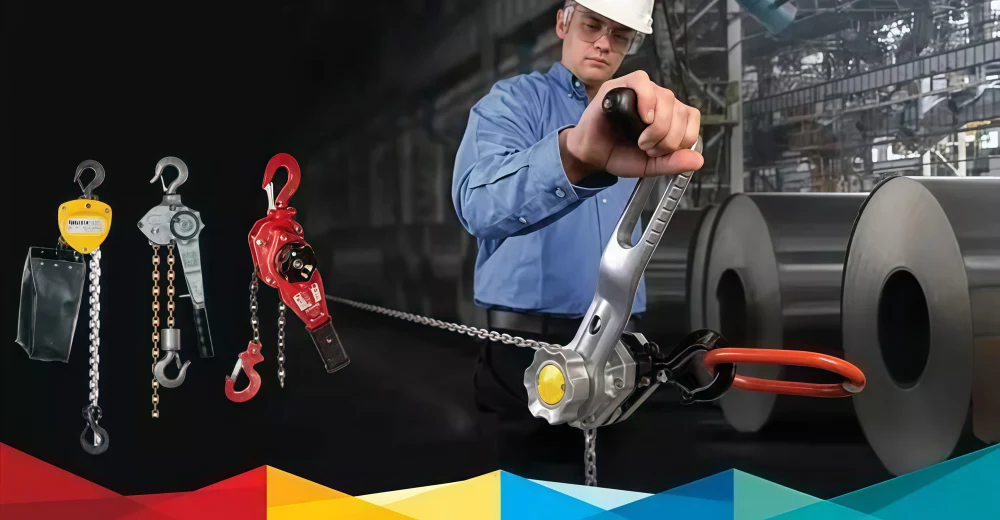
Manual chain hoists, also known as hand chain hoists, give you a simple and reliable way to lift loads when you do not have access to electricity. You can use them for construction site lifting, manufacturing line maintenance, and warehousing in tight spaces.
These hoists work best for short lifts and lower capacities. The pros and cons of hand chain hoists include low purchase price and easy operation, but slower speed and more physical effort. Manual hoists fit well in emergency and rescue operations, where portability and ease of use matter most.
Electric Hoists
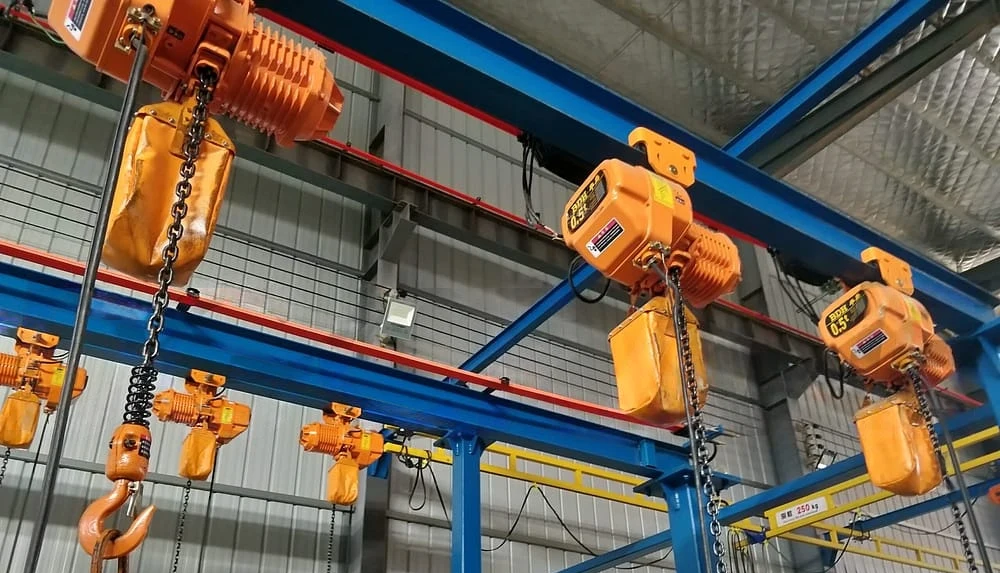
Electric hoists from Powerful Machinery deliver unmatched strength and speed for your industrial lifting needs. You benefit from advanced safety features, including overload protection and emergency stop functions.
These electric hoists meet strict international standards such as ASME, OSHA, and ANSI, ensuring safe and reliable operation. You can use them for repetitive lifting tasks in manufacturing, warehousing, and construction.
The pros and cons of electric chain hoists include fast lifting speeds, ergonomic controls, and suitability for heavy-duty cycles. Powerful Machinery’s electric hoists stand out for their durability, precise load handling, and broad lifting capacity range.
Air Chain Hoists
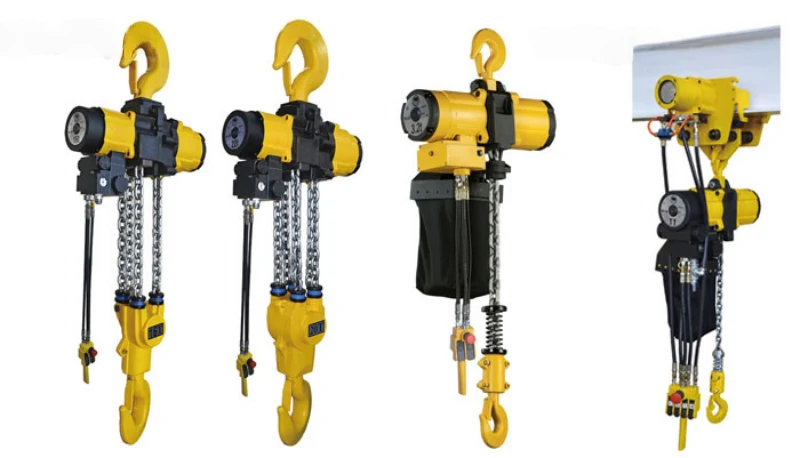
Air chain hoists use compressed air to lift heavy loads. You can rely on them in hazardous environments where sparks or heat could cause danger. These hoists offer variable speed control and can run continuously without overheating.
The pros and cons of air chain hoists include safe operation in explosive atmospheres, resistance to humidity and corrosive substances, and smooth load handling. Air hoists excel in oil, gas, and mining applications, where you need durability and reliability under extreme conditions.
A thorough hoist comparison helps you match the right equipment to your plant’s needs. Consider lifting capacity, speed, environment, and safety requirements before making your choice.
Safety Features in Hoist Selection
Safety in Hazardous Environments
You must prioritize safety when selecting hoists for hazardous or explosive environments. Explosion-proof standards play a critical role in protecting your equipment and personnel from catastrophic accidents.
These standards, such as ATEX, IECEx, and GB, dictate how machinery is built, tested, and maintained to prevent ignition in areas with explosive gases, vapors, or dust. Compliance with local safety laws is essential for your plant’s operations.
Tip: Always verify that your hoists meet the requirements for classified hazardous locations. Standards like NFPA 70 and the National Electric Code (NEC) classify hazardous areas by the type of explosive atmosphere present. Equipment must comply with NEC, IEC, or other applicable standards to ensure safety.
Air chain hoists excel in hazardous environments because they use compressed air instead of electricity. This design reduces the risk of sparks and heat, making air hoists ideal for oil, gas, and mining applications.
Electric chain hoists also offer advanced safety features, but you must ensure they meet explosion-proof requirements if you operate in classified areas.
Operator Protection and Controls
Operator protection is a key factor in hoist selection. Modern electric chain hoists and air chain hoists include built-in safety features that minimize risks during lifting operations.
Electric chain hoists feature overload protection, emergency stop functions, and thermal protection for motors. Air chain hoists provide load limit switches and emergency stop buttons to prevent accidents.
You benefit from additional operator protection features such as safe torque off, load check, collision avoidance systems, and limit switches. These features help prevent overloads, accidental drops, and collisions. Remote radio controls allow you to operate hoists from a safe distance, reducing exposure to hazards.
Manual chain hoists and hand chain hoists rely on mechanical safety features like anti-drop mechanisms and emergency brakes. While manual hoists offer simplicity, you must still ensure they include essential safety features for your application.
Note: Always check for overload protection and anti-drop mechanisms when evaluating chain hoists for your plant. These features protect both operators and equipment, ensuring safe and reliable lifting operations.
Productivity and Efficiency
Lifting Speed and Duty Cycle
You want your plant to run smoothly and safely. The right hoist can make a big difference in your daily operations. When you choose between electric, manual, or pneumatic chain hoists, you should look at how each type affects speed and duty cycle.
Pneumatic chain hoists stand out for their ability to handle continuous use. They do not overheat, so you can keep lifting heavy loads without stopping. This makes them ideal for demanding environments where downtime is not an option.
Electric hoists offer fast lifting speeds and precise control. You can move materials quickly and reduce physical strain on your team. Hand chain hoists and manual options work well for lighter tasks or when you need portability, but they operate at a slower pace.
Here are some ways hoist selection impacts productivity and efficiency:
The right hoist enhances speed and safety in material handling.
Key factors include load capacity, lifting medium, speed, control, and duty cycle.
Each factor directly influences operational effectiveness.
Hoists are essential for moving heavy materials efficiently.
They significantly impact productivity and safety standards in warehouse operations.
Understanding hoist technology can enhance overall operational efficiency.
Automation and Control
You can boost productivity by choosing hoists with advanced automation and control features. Pneumatic chain hoists and air hoists offer variable speed control, which lets you adjust lifting speed for different tasks.
Electric hoists often come with push-button pendants or radio controls, giving you precise movement and reducing the risk of operator error.
The table below shows common control options and features for different hoist types:
Hoist Type | Control Options | Key Features |
|---|---|---|
Electric | Push-button pendant, Radio control | Faster lifting speeds, precise control, reduced physical strain, and duty cycle limits. |
Pneumatic chain hoists | Variable speed control | Continuous use, spark-resistant design, higher lifting capacities, ideal for demanding environments. |
Pneumatic hoists excel in hazardous areas, while chain hoists and electric models provide reliable performance for repetitive lifting. By understanding these options, you can select the best hoist for your plant and maximize productivity.
Installation and Maintenance
Power and Infrastructure Needs
You need to consider your plant’s infrastructure before installing any hoist. Electric hoists require a stable power supply, usually 110V or 220V, and proper wiring. You must ensure that your facility can handle the electrical load. Pneumatic hoists depend on a reliable compressed air system.
You need to check that your air compressor can deliver the required pressure and volume for continuous operation. Pneumatic hoists work well in environments where electricity poses a risk or where you already use compressed air for other equipment.
Manual hoists do not need power or air, making them easy to install in remote or temporary locations.
When you plan your installation, think about the space available for mounting and the path for lifting. Chain hoists and air hoists often need overhead beams or gantries.
You should verify that your structure can support the weight and movement of the hoist and the loads you plan to lift. Proper installation ensures safety and maximizes productivity.
Maintenance and Reliability
You want your hoists to perform reliably every day. Regular maintenance keeps your equipment safe and extends its lifespan. Pneumatic hoists, electric hoists, and manual models all benefit from a structured maintenance schedule. The table below outlines typical inspection intervals for these lifting devices:
Maintenance Type | Frequency | Description |
|---|---|---|
Daily Inspection | Daily | Pre-operational checks by the operator to ensure basic functionality. |
Frequent Inspection | Monthly to Quarterly | Inspections by trained personnel to identify issues not visible during daily checks. |
Periodic Inspection | Annually | Comprehensive assessments to proactively identify wear and fatigue before they lead to failures. |
Pneumatic hoists stand out for their durability in harsh environments. You can rely on them for continuous use with minimal downtime. Electric hoists offer consistent performance and advanced safety features, which help reduce the risk of unexpected breakdowns.
Manual hoists require less frequent maintenance but still need regular checks to ensure safe operation. By following a routine inspection plan, you protect your investment and maintain high productivity in your plant.
Cost and Value
Upfront and Operating Costs
When you compare hoists for your plant, you need to look at both the initial price and the ongoing expenses. Air hoists usually require a higher upfront investment because of their robust construction and the need for a compressed air system.
Electric hoists, on the other hand, offer lower upfront costs, making them a popular choice for many industrial settings. Manual hoists have the lowest initial price, but they may not meet your needs for speed or heavy lifting.
Operating costs also play a big role in your decision. Electric hoists use standard electrical power, which is widely available and easy to maintain. You can expect consistent performance and lower energy costs compared to pneumatic systems.
Air hoists need a reliable air compressor, which can increase your energy use and maintenance needs. Chain hoists and manual options have minimal operating costs, but they may slow down your workflow and reduce productivity.
Tip: Always factor in both the purchase price and the long-term operating expenses when choosing a hoist for your plant.
Long-Term Investment
Choosing the right hoist is not just about the initial cost. You want equipment that delivers value over time. Electric hoists from Powerful Machinery provide reliable performance and advanced safety features, which help reduce downtime and repair costs.
Their durable design ensures a long service life, even in demanding environments.
Air hoists excel in harsh or hazardous locations, offering continuous operation and resistance to moisture or dust. Pneumatic hoists can handle high duty cycles, making them a smart choice for specific industries. Manual hoists require less maintenance but may not keep up with the demands of busy plants.
Here is a quick comparison to help you see the long-term value:
Hoist Type | Upfront Cost | Operating Cost | Service Life | Best For |
|---|---|---|---|---|
Electric hoists | Low | Low | Long | Manufacturing, warehousing |
Air hoists | High | Medium | Long | Hazardous environments |
Manual hoists | Lowest | Lowest | Medium | Occasional lifting |
Selecting the right hoist improves productivity, ensures safety, and protects your investment for years to come.
Hoist Suitability by Industry
Construction and Portable Use
You face unique challenges in construction and portable applications. Selecting the right hoist requires careful consideration of several factors:
Load requirements: Always choose a hoist that can handle 10-20% more than your maximum load for safety.
Lifting height and distance: Measure the vertical and horizontal reach needed for your tasks.
Duty cycle: Estimate how often you will use the hoist to ensure it withstands daily wear.
Environmental considerations: Account for temperature extremes or corrosive atmospheres.
Facility layout: Analyze available space to determine the most suitable hoist type.
Assess portability for both the user and the environment.
Balance lifting capacity with the weight of the hoist itself.
Evaluate practical handling and rigging needs.
Manual and pneumatic hoists offer flexibility for temporary setups. Chain hoists provide reliable performance in rugged conditions. Air hoists excel when you need spark-free operation and continuous use.
Manufacturing and Warehousing with Powerful Machinery
You can boost productivity in manufacturing and warehousing by choosing electric hoists from Powerful Machinery. These hoists deliver rapid lifting and lowering, which speeds up your workflow. Workers experience less physical strain, reducing injury risks and improving workplace safety.
You gain consistent results, even with frequent use. Advanced features such as load beam scales and adjustable brakes allow for precision lifting. The long lifespan and low maintenance costs of these hoists lead to significant savings.
Feature/Benefit | Description |
|---|---|
Rapid lifting and lowering | Quick movement of loads enhances operational speed. |
Improved safety | Reduces physical strain and injury risks. |
Consistent results | Reliable performance with frequent use. |
Advanced features | Precision lifting with load beam scales and adjustable brakes. |
Cost savings and durability | Long lifespan and lower maintenance costs. |
Oil, Gas, and Mining Applications
You encounter demanding environments in oil, gas, and mining operations. Hoists must meet strict safety and durability standards:
Explosion-proof and non-sparking designs protect workers in volatile areas.
Weather resistance features, such as rain covers and IP66 protection, shield equipment from harsh conditions.
Corrosive protection through special coatings prevents damage from chemicals.
Requirement Type | Description |
|---|---|
Safety Precautions | Protect workers and equipment in flammable gas environments. |
Compliance Standards | Adhere to NFPA 70, IEC 60079, and other standards. |
Material Considerations | Use spark-resistant materials for added safety. |
Weather resistance ensures hoists withstand rain, wind, and saltwater.
Corrosive environments require special coatings and materials.
You improve safety, reliability, and productivity by matching the right hoist to your industry’s needs.
Decision Guide for Choosing a Hoist
Selecting the right hoists for your plant requires a structured approach. You need to assess your lifting needs, match equipment to your environment, and follow a clear checklist. This guide helps you make a confident decision that supports safety and productivity.
Assessing Load and Frequency
Start by evaluating what you need to lift and how often you will use the equipment. You should document the weight of your heaviest load and consider how frequently you will perform lifting operations. This step ensures you select hoists that can handle your workload without risk of overload or premature wear.
Factor | Description |
|---|---|
Operational Environment Factors | Consider power availability, space constraints, environmental conditions, safety requirements, noise considerations, and mobility needs. |
Total Cost of Ownership | Evaluate initial investment, installation costs, labor costs, maintenance, energy costs, and training for both manual and electric hoists. |
Load Capacity Requirements | Assess load capacities categorized as light, medium, heavy, and extra heavy duty, ensuring safety factors are considered. |
Safety Considerations | Always select hoists with rated capacities exceeding maximum anticipated loads, adhering to industry safety standards. |
Assessment Methodology | Document load weights, track lifting frequency, consider peak demand, evaluate future expansion, assess operator skill levels, and review safety records. |
You should always choose hoists with a rated capacity higher than your maximum load. This approach protects your team and equipment. Track how often you lift heavy items. High-frequency operations may require electric or pneumatic models, while occasional use may suit manual or chain hoists.
Tip: Never focus only on lifting capacity. Consider the duty cycle to avoid early equipment failure and increased maintenance costs.
Matching Hoist to Environment
Your operating environment plays a major role in hoist selection. You need to think about hazards, power sources, and the physical conditions of your plant.
Pneumatic hoists work best in hazardous environments, such as mining or chemical processing, where sparks from electric equipment could cause danger.
Air hoists operate reliably outdoors and in areas with dust or humidity.
Electric hoists are ideal for locations with stable power and offer cost-effective solutions for many industrial settings.
Choose air hoists if you work in explosive environments or where power access is limited.
Pneumatic models are preferred when you need spark-free operation.
You should never default to an electric hoist without considering your specific needs. Ignoring environmental factors can lead to poor performance or safety risks. Always match the hoist to your plant’s unique conditions.
Note: Assess temperature, humidity, and the presence of flammable vapors before making your final choice.
Selection Checklist
A structured checklist helps you avoid common mistakes and ensures you select the most suitable equipment for your plant. Use the following steps to guide your decision:
Determine the weight of the heaviest load you need to lift.
Decide if you need electric, pneumatic, or manual hoists based on your application.
Match the duty cycle to your intended use for longer equipment life.
Ensure power supply compatibility with your facility’s voltage, frequency, and phase.
Evaluate integrated safety features, such as limit switches and braking systems.
Verify compliance with international and regional safety standards.
Plan for long-term maintenance and support.
Essential Item | Description |
|---|---|
Power Supply Compatibility | Ensure the hoist’s motor matches the facility’s electrical supply in terms of voltage, frequency, and phase. |
Safety Features | Evaluate integrated safety mechanisms such as limit switches and braking systems to prevent accidents. |
Compliance with Standards | Verify that the hoist meets both international and regional safety standards to ensure safe operation. |
Limit switches prevent collisions and ensure safe operation.
Braking systems engage automatically during power failure to secure the load.
🛠️ Expert Advice: Consider the type of hoist (wire rope or chain), evaluate the duty cycle, ensure overload protection, and assess environmental conditions. Plan for ongoing investment in quality and maintenance to maximize productivity and safety.
By following this decision guide, you can select the right hoist for your plant. You will support safe operations, reliable lifting, and long-term value.
Conclusion
You have seen that choosing the right hoist depends on your plant’s unique requirements. Safety, productivity, and environment all play a critical role in your decision. Recent industry studies show key differences between pneumatic air hoists and electric hoists:
Feature | Pneumatic Air Hoists | Electric Hoists |
|---|---|---|
Power Source | Powered by air, no electricity needed | Powered by electricity |
Environment Suitability | Safe for flammable/explosive environments | Not suitable for flammable/explosive environments |
Duty Cycle | Can achieve 100% duty cycle | Limited duty cycle |
Maintenance | Fewer moving parts, potentially lower maintenance costs | More moving parts, higher maintenance costs |
Noise Level | Generally louder | Quieter |
Control | Less responsive, especially with long control lines | Simple button control, precise movements |
Cost | May be more cost-effective in the long run | Generally more cost-effective due to popularity |
Ideal Use Case | Locations without power, higher duty cycle needed | Locations with power require more lifting power |
You can always consult Powerful Machinery for certified electric hoists and expert guidance. Remember to use the decision guide and ensure your operators receive proper training, follow OSHA and ANSI standards, and select equipment that matches your safety needs.
FAQ
What is the main difference between air hoists and electric hoists?
You power air hoists with compressed air. You use electricity for electric hoists. Air hoists work best in hazardous or explosive environments. Electric hoists suit most industrial settings with reliable power.
How do you ensure hoist safety in your plant?
You should inspect hoists regularly, follow manufacturer guidelines, and train operators. Always check for overload protection and emergency stop features. Use hoists that meet international safety standards.
How often should you maintain your hoist?
You should perform daily visual checks and schedule professional inspections monthly or quarterly. Annual comprehensive maintenance helps prevent unexpected failures and extends equipment life.
Why choose Powerful Machinery’s electric hoists for your plant?
You gain certified quality, advanced safety features, and reliable performance. Powerful Machinery’s electric hoists meet strict international standards and deliver long-term value for demanding industrial applications.
Tip: Always match your hoist to your plant’s environment and workload for maximum safety and efficiency.