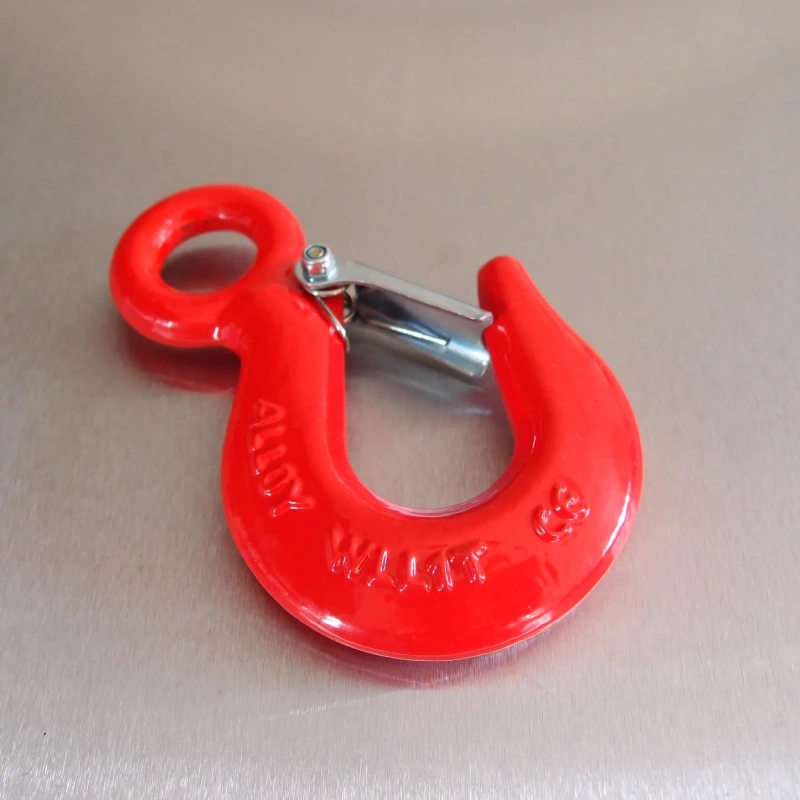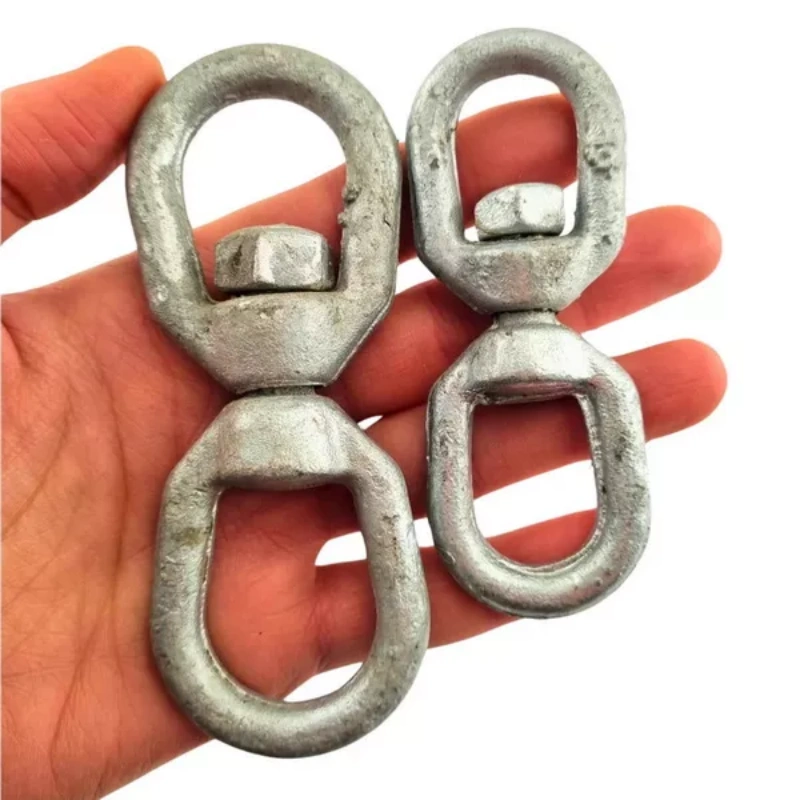
You must use safety latches on lifting hooks for most overhead lifting and rigging tasks, as global standards such as OSHA and ASME require latches to prevent accidental load disengagement.
Powerful Machinery’s certified Lifting Hooks meet or exceed these safety requirements, supporting your need for reliable lifting and rigging equipment. Always review legal requirements and best practices to ensure you select the safest solution for your specific operation.
Key Takeaways
Always use safety latches on lifting hooks for overhead lifting tasks to prevent accidental load release.
Follow OSHA and ANSI standards for safety latches to ensure compliance and protect workers during lifting operations.
Conduct thorough risk assessments before deciding to use hooks without safety latches, and document your findings.
Regularly inspect safety hooks and latches for damage, and train your team on proper usage and safety protocols.
Choose certified lifting hooks from reliable manufacturers like Powerful Machinery to guarantee safety and compliance.
Safety Latches on Lifting Hooks: Global Standards
When you work in the lifting and rigging industry, you must understand the global standards that govern safety latches on lifting hooks. These standards protect workers, prevent accidents, and ensure that your lifting operations meet legal and industry requirements.
Powerful Machinery designs and certifies its lifting hooks to comply with these strict regulations, giving you confidence in every lift.
OSHA Requirements for Safety Latch
The Occupational Safety and Health Administration (OSHA) sets clear regulations for safety in lifting and rigging. OSHA requires you to use safety latches on hooks for most overhead lift operations. These rules help prevent accidental disengagement of loads, which can lead to serious injuries or equipment damage.
OSHA regulations focus on both construction and general industry applications. You must follow the manufacturer’s recommendations and use safety latch-type hooks wherever possible.
Here is a summary of OSHA requirements for safety latches on lifting hooks:
Regulation Type | Requirement |
|---|---|
Derricks | Hooks shall meet the manufacturer’s recommendations, and safety latch-type hooks shall be used wherever possible. |
Construction | Hooks with self-closing safety latches or their equivalent shall be used to prevent components from slipping out of the hook. |
You should always check OSHA guidelines before starting any lifting and rigging task. Powerful Machinery’s lifting hooks meet or exceed OSHA requirements, ensuring your equipment supports a safe work environment.
ANSI/ASME and API Standards for Hooks
Industry consensus standards from the American National Standards Institute (ANSI) and the American Society of Mechanical Engineers (ASME) set the benchmark for safety in the lifting and rigging industry.
ANSI/ASME standards, such as ASME B30.10, require you to use safety latches on hooks for most overhead lifting applications. These standards also outline inspection, maintenance, and replacement criteria for safety latches.
ANSI and ASME require safety latches for hooks used in overhead lifting, except in specific cases where a risk assessment justifies their absence.
The American National Standards Institute and the American Society of Mechanical Engineers both emphasize regular inspection and proper function of safety latches on hooks.
API (American Petroleum Institute) standards, often used in the oil and gas sector, align closely with ANSI/ASME requirements for lifting hook safety.
Powerful Machinery’s lifting hooks are fully certified to ANSI, ASME, and API standards. You can rely on these products for compliance and safety in demanding environments.
Australian Standards for Safety Latches
Australian standards also require safety latches for hooks in most lifting and rigging operations. You must use hooks with safety latches to prevent accidental release of slings, chains, or loads. These standards mirror many of the requirements found in OSHA and ANSI/ASME guidelines, focusing on worker safety and equipment reliability.
Australian standards specify that safety latches on lifting hooks must be robust, easy to inspect, and maintained in good working order.
You should always verify that your lifting equipment meets Australian standards before use.
Powerful Machinery supplies lifting hooks that comply with Australian standards, supporting safe lifting practices across construction, marine, and industrial sectors.
South African Safety Latch Regulations
South African regulations provide detailed requirements for safety latches on lifting hooks. These rules ensure that you use the right equipment and maintain it properly for every lift.
Provision | Description |
|---|---|
Latch Requirement | A latch must bridge the throat opening of the hook to retain slings and chains under slack conditions. |
Inspection | Hook latches must be inspected for proper operation during frequent inspections. |
Operation | The sling or device must be seated properly in the hook’s base, and the latch should not support any part of the load. |
South African standards, such as SANS 1594 and SANS 1636, require latches on both top and bottom hooks of chain blocks and lever hoists. Unlike some international standards, South African regulations do not allow exceptions for certain hook types, making safety latches on hooks mandatory in more situations.
International standards, like EN 1677, may not require latches on foundry hooks or grab hooks, but South African regulations are stricter.
Powerful Machinery’s lifting hooks are certified to meet South African safety requirements, giving you peace of mind when operating in these regions.
Note: Always check the latest regulations and standards for your location and application. Powerful Machinery’s certified lifting hooks help you stay compliant and maintain the highest level of safety in your lifting and rigging operations.
Exceptions to Safety Latches for Hooks
Risk Assessment and Documentation
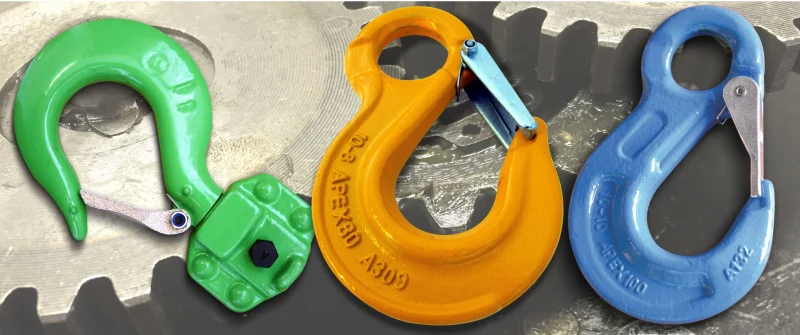
You may encounter situations in your rigging operations where hooks without self-closing safety latches are permitted. OSHA recognizes that not every lifting scenario requires a latch, but you must conduct a thorough risk assessment before making this decision.
A risk assessment helps you identify hazards, evaluate the likelihood of accidental disengagement, and determine if alternative safety measures are necessary. OSHA expects you to document every risk assessment, including the justification for not using self-closing safety latches.
You should review your risk assessment regularly and update it when your rigging environment changes. Powerful Machinery supports your compliance efforts by offering custom solutions and compliance tagging for specialized lifting hooks.
Specific Exceptions in Standards
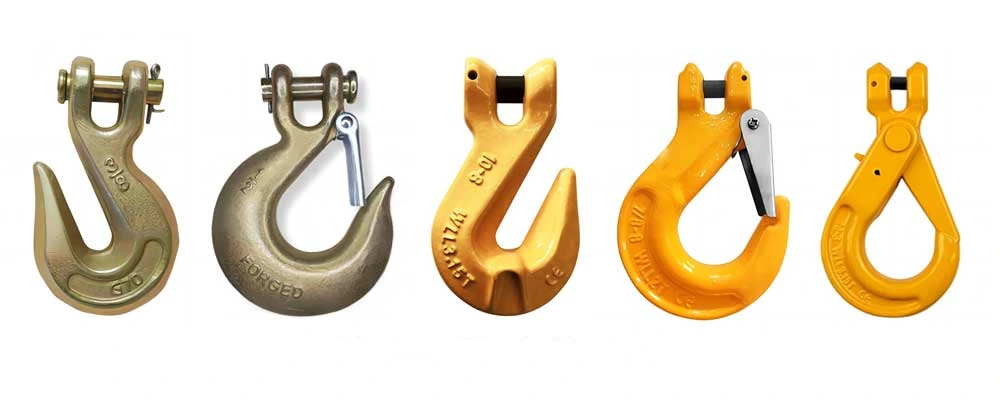
Some standards allow exceptions for hooks without self-closing safety latches. OSHA provides guidance for foundry hooks, grab hooks, and sorting hooks, which may operate without latches if a risk assessment supports their use.
You must ensure that your documentation clearly states why self-closing safety latches are not required for these hooks. OSHA also requires you to inspect hooks frequently and verify that your risk assessment remains valid.
The standards emphasize that exceptions are only acceptable when you can demonstrate that the risk of accidental load release is minimal.
Hook Type | Exception Condition | Documentation Required |
|---|---|---|
Foundry Hooks | Risk assessment supports no latch | Yes |
Grab Hooks | Risk assessment supports no latch | Yes |
Sorting Hooks | Risk assessment supports no latch | Yes |
Alternative Safety Measures (e.g., Mousing)
If you decide not to use self-closing safety latches, OSHA expects you to implement alternative safety measures. Mousing is a common method, where you secure the hook opening with wire or other material to reduce risk. You must include these measures in your risk assessment and document their effectiveness.
OSHA requires you to inspect mouse hooks regularly and confirm that they provide adequate protection. Powerful Machinery can help you select hooks designed for alternative safety measures and ensure your rigging equipment meets all standards.
Tip: Always consult OSHA and industry standards before making exceptions. Document every risk assessment and inspection to maintain compliance and protect your team.
Best Practices and Powerful Machinery Lifting Hooks
Industry Recommendations for Safety Latch Use
You should always follow industry recommendations for safety latches on lifting hooks. OSHA and ANSI require you to use a safety latch or safety hook to prevent accidental load disengagement. You must select the right hook for your lifting application.
Choose a safety hook with a self-closing latch when you need to prevent accidental load disengagement. Use hooks with safety latches on lifting hooks for overhead lifting. This practice protects your team and your equipment.
ANSI and OSHA both stress the importance of using a safety latch to prevent accidental load disengagement in all standard lifting operations.
Tip: Always check the latest OSHA and ANSI standards before you select your lifting hooks.
Inspection, Training, and Compliance
You must perform regular inspections of every safety hook and safety latch. OSHA requires you to check for damage, deformation, or missing parts. Train your team to recognize when a safety hook or latch needs repair or replacement. Document every rigging inspection and repair.
This process helps you prevent accidental load disengagement and maintain compliance with OSHA. Training ensures your team understands how to use safety latches on lifting hooks and why safety matters. You should keep records of all inspections and training sessions.
Task | Frequency | Responsible Person |
|---|---|---|
Safety hook inspection | Before each use | Qualified rigger |
Rigging inspection and repair | As needed | Supervisor |
Training | Annually | Safety officer |
Personnel Lifting and High-Risk Operations
You must use a safety hook with a safety latch for personnel lifting and high-risk operations. OSHA does not allow exceptions in these cases. The safety latch prevents accidental load disengagement and protects lives. Always choose a certified safety hook from Powerful Machinery for these critical tasks.
These hooks meet or exceed all OSHA and ANSI requirements. You can trust their strength and reliability in the most demanding lifting environments.
Note: Powerful Machinery’s lifting hooks are designed for maximum safety. Each safety hook is tested to prevent accidental load disengagement and ensure compliance with OSHA and ANSI standards.
Conclusion
You must recognize that safety latches remain a critical requirement in lifting operations. Global standards, including OSHA, demand safety for most applications. You may find exceptions, but OSHA insists on thorough risk assessment and documentation.
Always prioritize safety by selecting certified hooks from Powerful Machinery. OSHA compliance ensures you meet legal and industry expectations. Consult OSHA experts for unique lifting scenarios. Safety inspections and OSHA training protect your team.
Rely on OSHA guidelines for every lift. Safety should guide your decisions. Trust Powerful Machinery for unmatched safety and OSHA compliance.
FAQ
Do you always need a safety latch on a lifting hook?
You must use a safety latch for most overhead lifting tasks. Standards like OSHA and ASME require latches to prevent accidental load release. Exceptions exist, but you need a documented risk assessment.
Can you replace a damaged safety latch on your lifting hook?
You can replace a damaged safety latch if your hook design allows it. Always use approved replacement parts and follow manufacturer instructions. Inspect the hook after replacement to ensure safe operation.
What types of lifting hooks does Powerful Machinery offer?
Powerful Machinery provides a wide range of hooks, including eye hooks, clevis hooks, shank hooks, swivel hooks, grab hooks, slip hooks, foundry hooks, sorting hooks, and self-locking hooks. Each type serves a specific lifting purpose.
How do you check if your lifting hook meets safety standards?
You should look for certification markings like OSHA, ASME, or ISO on your hook. Review the Working Load Limit (WLL) and inspect the hook for damage before each use. Certified hooks from Powerful Machinery meet global safety standards.