
You protect your equipment when you practice smart chain binder storage. Clean, organized storage prevents rust and keeps your binders ready for every job. Powerful Machinery’s certified products give you confidence in safety and performance.
You save money, improve efficiency, and reduce risks by developing reliable storage habits.
Keep your chain binders secure and extend their life with proven storage solutions.
Key Takeaways
Proper chain binder storage prevents rust and corrosion. Store binders in a dry, clean area to maximize their lifespan.
Regular inspections and maintenance are crucial. Check for wear, rust, and functionality before each use to ensure safety.
Choose the right storage solutions. Use racks, hooks, or lockable boxes to keep binders organized and protected from damage.
Label and organize your storage area. Clear labeling improves efficiency and safety, making it easier to access and inspect equipment.
Avoid common mistakes like storing binders on the ground. Keep them off the floor to reduce the risk of damage and extend their life.
Why Chain Binder Storage Matters?
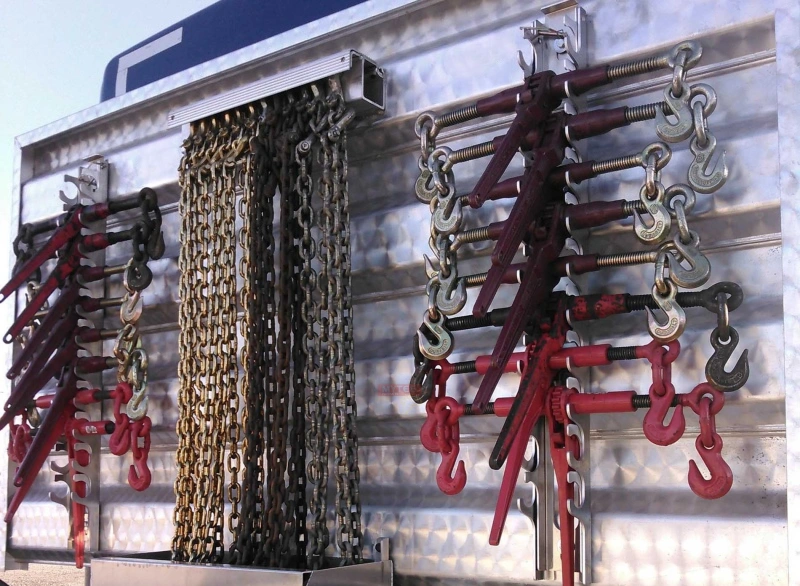
Preventing Rust and Corrosion
You face harsh conditions on the road and at the job site. Moisture, salt, and dirt can quickly attack your equipment. When you practice proper chain binder storage, you protect your investment from rust and corrosion. Choose binders with advanced coatings or materials for the best results.
The table below shows common options and their benefits:
Material/Coating | Description |
|---|---|
Stainless Steel | Highly resistant to rust due to chromium content, forming a protective oxide layer. |
Galvanized Chains | Coated with zinc, offering excellent corrosion resistance. |
Vinyl or Plastic Coatings | Provide an extra layer of protection against moisture and rust formation. |
Barrier Coatings | Paints or sealants that create a physical barrier against corrosive elements. |
Zinc-based Coatings | Hot-dip galvanizing or zinc spraying offers sacrificial protection by corroding instead of steel. |
Epoxy Coatings | High resistance to saltwater corrosion, providing long-lasting protection. |
Store your binders in a dry, clean area to maximize the life of these protective finishes.
Avoiding Damage and Wear
You extend the life of your equipment when you avoid careless handling and poor storage. Chain binder storage on racks or hangers keeps your gear off the ground and away from heavy traffic. Regular inspection and maintenance routines help you catch problems early. Here are the key steps you should follow:
Clean binders to remove debris and buildup.
Inspect for rust, cracks, or wear.
Lubricate moving parts.
Replace damaged components.
Test performance before use.
These habits reduce costly downtime and keep your binders ready for every haul.
Ensuring Safety and Compliance
You must meet strict safety standards in transportation and cargo handling. Proper chain binder storage helps you comply with DOT and industry regulations. The table below outlines essential requirements:
Requirement | Description |
|---|---|
Daily Pre-Use Inspection | Visual and functional inspection before each use |
Working Load Markings | Verify all markings remain legible and accurate |
Structural Integrity | Check for cracks, deformation, or damage |
Hardware Function | Test ratchets, hooks, and connecting hardware |
Wear Assessment | Monitor for gradual degradation and wear patterns |
Replacement Criteria | Remove equipment showing any signs of damage |
Documentation Requirements | Maintain inspection records for DOT compliance |
Periodic Testing | Annual or bi-annual testing for high-use equipment |
When you follow these rules, you reduce liability and improve your safety record. Insurance companies often reward documented compliance with lower premiums. Smart chain binder storage is not just about equipment—it protects your business and your reputation.
Chain Binder Storage Tips from Powerful Machinery
Clean and Inspect Before Storage
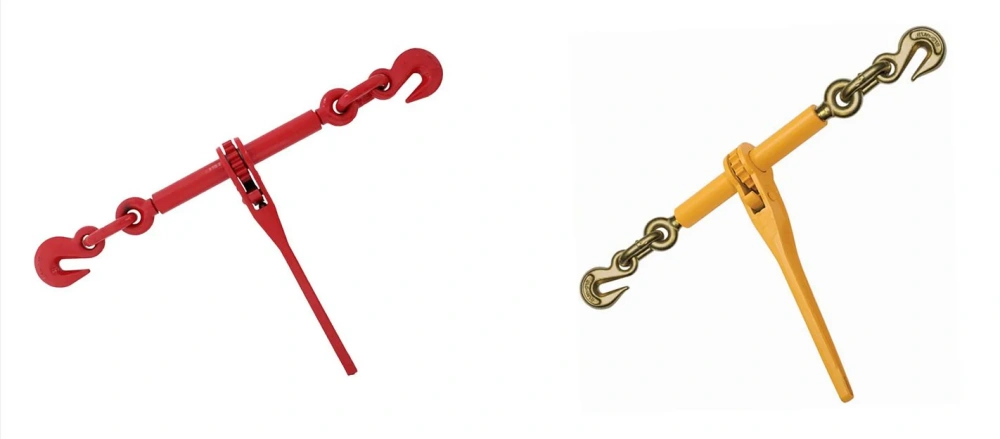
You maintain the reliability of your equipment when you clean and inspect chain binders before storage. Powerful Machinery recommends a systematic approach to ensure your binders stay in top condition. Follow these steps after each use:
Step | Action Required |
|---|---|
Cleaning | Clean chains and binders to remove dirt and grime. |
Inspection | Inspect for signs of wear, rust, broken links, or deformation. |
Lubrication | Use lubricants designed for industrial chains and apply oil to key areas. |
Storage | Store equipment in a dry, covered space to prevent rust and corrosion. |
Maintenance | Maintain oil levels and inspect lubrication systems regularly. |
You should inspect binders for wear and damage before every use. Clean binder chains after each job. Lubricate moving parts regularly. These habits prevent corrosion and equipment failure.
Maintenance Task | Frequency | Benefits |
|---|---|---|
Inspect binders for wear/damage | Before each use | Ensures safety and prevents equipment failure |
Clean binder chains | After each use | Prevents corrosion and wear |
Lubricate moving parts | Regularly | Reduces friction and prevents seizing |
Tip: Use lubricants recommended by Powerful Machinery for best results. Clean and inspect binders before storing them in your chain binder storage area.
Choose the Right Storage Location
You extend the life of your chain binders when you select the right storage location. Environmental factors play a major role in equipment durability. Choose forged steel binders for strength. Galvanized or powder-coated options resist corrosion in harsh conditions. Store your binders in a dry, climate-controlled space.
Avoid areas exposed to moisture, extreme temperatures, or heavy traffic.
Factor | Description |
|---|---|
Environment | Opt for forged steel for durability; choose coated options for corrosion resistance. |
Environment: Choose forged steel binders for durability. Galvanized or powder-coated options resist corrosion in harsh conditions.
Neglecting Environmental Factors: Weather conditions can significantly impact rigging safety. High winds, extreme cold, or heavy rain can weaken equipment and affect load stability. Always consider environmental factors when planning storage.
You protect your investment when you use a lockable underdeck storage box or locking toolbox. These solutions shield your binders from debris, weather, and theft.
Use a Chain and Binder Organizer
You prevent tangling and damage when you use a chain and binder organizer. Powerful Machinery offers several storage solutions to keep your equipment secure and accessible.
Storage Solution | Benefits |
|---|---|
Hanging Storage Systems | Keeps chains untangled and visible; reduces damage. |
Lockable Underdeck Storage Boxes | Provides security; protects from debris and weather. |
Chain Binder Racks | Durable and easy to install; resists corrosion. |
Innovative Tray Designs | Maximizes space efficiency; protects equipment. |
You keep your gear organized when you use a chain rack or wall mount. These systems make chains visible and easy to access. You save time during inspections and reduce clutter in your workspace.
Organized storage improves safety and workflow. Certified storage solutions from Powerful Machinery meet safety standards and provide peace of mind.
Protect from Moisture and Corrosion
You must protect your chain binders from moisture and corrosion during long-term storage. Powerful Machinery recommends several effective methods:
Use climate-controlled storage to regulate temperature and humidity.
Keep tools off the floor by storing them on shelves or in cabinets.
Use toolboxes or cabinets with seals to create an air-tight environment.
Apply rust-resistant coatings for a protective layer.
Use rust inhibitors to create a barrier against corrosion.
Consider ceramic coatings for extreme conditions.
Wipe down tools after use to remove moisture.
Dry tools thoroughly before storage.
You reduce the risk of rust when you store binders in a lockable underdeck storage box. You extend the lifespan of your equipment by applying rust-resistant coatings and using rust inhibitors.
Label and Organize for Easy Access
You improve efficiency and safety when you label and organize your chain binder storage area. Powerful Machinery’s certified storage solutions help you keep gear in designated places. Use clear labels for each binder type and chain size. Store binders by category and working load limit.
Benefit | Description |
|---|---|
Reduces clutter | Organized storage keeps gear in designated places, minimizing mess and confusion. |
Improves safety | Proper storage prevents accidents and injuries by keeping tools and equipment secure. |
Facilitates quick inspections | Racks and wall mounts make chains visible and easy to access, saving time during checks. |
Protects gear from damage | Storage boxes shield equipment from environmental factors, enhancing durability and reliability. |
Offers flexibility | Portable solutions allow for easy transport of gear between job sites, increasing efficiency. |
Meets safety standards | Certified products ensure compliance with safety regulations, providing peace of mind. |
Enhances workflow | Organized storage reduces time spent searching for tools, allowing for more productive work. |
You streamline your workflow and reduce time spent searching for tools when you use a chain and binder organizer and label each section. Certified storage solutions from Powerful Machinery ensure compliance and protect your equipment.
Maintenance for Stored Chain Binders
Regular Inspections
You keep your chain binders reliable when you perform regular inspections. Start by checking each binder for visible signs of wear, rust, or damage. Look for cracks, bent hooks, or worn threads. Examine the working load limit markings to ensure they remain clear and legible.
Powerful Machinery recommends you follow a simple checklist:
Inspect hooks and chains for deformation.
Check ratchet or lever mechanisms for smooth operation.
Verify that all moving parts function without sticking.
Confirm that safety latches and locking features engage properly.
Review the binder’s certification tags and documentation.
Tip: Use a flashlight to spot hidden rust or cracks. Record your findings in a maintenance log for DOT compliance.
You should schedule inspections monthly or after every heavy-duty job. Consistent checks help you catch issues early and prevent equipment failure.
Inspection Task | Frequency | Result |
|---|---|---|
Visual check | Monthly | Detects surface issues |
Functional test | Every use | Ensures safe operation |
Documentation review | Quarterly | Maintains compliance |
Re-lubrication and Minor Repairs
You extend the life of your chain binders when you re-lubricate moving parts and perform minor repairs. Apply industrial-grade lubricant to ratchets, pivots, and threads. Wipe away old grease and dirt before adding fresh oil. Powerful Machinery recommends lubricants that resist moisture and corrosion.
Follow these steps for effective maintenance:
Clean all surfaces with a dry cloth.
Apply lubricant to joints, gears, and threads.
Tighten loose bolts or screws.
Replace worn-out hooks or locking pins.
Test the binder’s movement after repairs.
Note: Only use certified replacement parts from Powerful Machinery to maintain safety and performance.
You keep your equipment ready for every job when you address minor issues immediately. Manufacturer support from Powerful Machinery helps you select the right parts and guides repairs.
You protect your investment and ensure compliance when you maintain your chain binders with regular inspections and proper lubrication. Reliable equipment means safer hauls and fewer delays.
Common Chain Binder Storage Mistakes
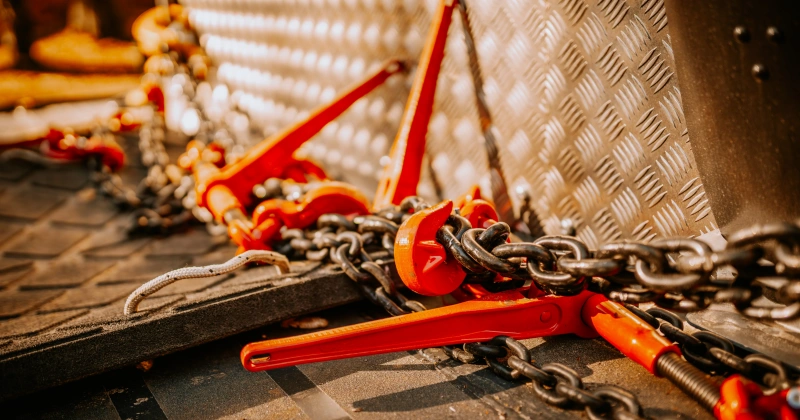
Leaving Binders on the Ground
You risk damaging your chain binders when you leave them on the ground. Dirt, moisture, and heavy traffic can cause rust and wear. You reduce equipment lifespan and compromise safety. Always store binders on racks, hooks, or in designated storage boxes.
Powerful Machinery recommends using wall-mounted racks or lockable storage solutions. These options keep your binders off the floor and away from hazards.
Tip: Use a chain binder rack to prevent tangling and make inspections easier.
Mistake | Impact | Solution |
|---|---|---|
Leaving on the ground | Rust, wear, reduced lifespan | Use racks, hooks, and storage boxes |
Storing in Damp or Dirty Areas
You expose your equipment to corrosion when you store binders in damp or dirty environments. Moisture accelerates rust, while dirt can clog moving parts. You must choose a dry, clean storage location. Climate-controlled spaces or sealed toolboxes protect your binders from humidity and contaminants.
Powerful Machinery’s storage solutions offer weather-resistant features that help maintain binder integrity.
Note: Wipe down binders before storage and check for moisture in your storage area.
Storage Condition | Risk | Best Practice |
|---|---|---|
Damp/dirty areas | Corrosion, malfunction | Dry, clean, climate-controlled |
Skipping Regular Checks
You jeopardize safety and reliability when you skip regular inspections. Chain binders need routine checks to identify wear, rust, or mechanical issues. Establish a maintenance schedule and train your team on inspection protocols. You ensure consistent performance and compliance with DOT standards.
Conduct routine inspections to spot wear and tear.
Set a maintenance schedule for regular checks.
Train personnel on proper inspection procedures.
Regular checks keep your equipment ready for every job and prevent unexpected failures.
Mistake | Consequence | How to Avoid |
|---|---|---|
Skipping inspections | Missed damage, safety risks | Schedule checks, train staff |
You protect your investment and improve safety when you avoid these common mistakes. Powerful Machinery’s certified products and storage solutions help you maintain high standards and extend the life of your chain binders.
Conclusion
You extend the life of your chain binders when you follow smart storage and maintenance routines. Powerful Machinery’s certified products deliver reliability and safety for every haul. You improve efficiency and protect your investment by adopting these habits:
Store binder chains properly to maintain functionality.
Secure loads safely with organized equipment.
Follow recommended storage practices to avoid equipment damage.
You gain peace of mind and reduce risks when you upgrade your storage solutions. Review your current practices and make improvements for safer, longer-lasting chain binder use.
FAQ
How do you choose the right storage location for chain binders?
Select a dry, secure area away from moisture and direct sunlight. Use racks, hooks, or lockable storage boxes. This keeps your binders clean, organized, and protected from rust or theft.
What is the best way to clean chain binders before storage?
Wipe off dirt and debris with a dry cloth. For stubborn grime, use a mild detergent and water. Dry binders completely before storing. Apply a light lubricant to moving parts for added protection.
How often should you inspect stored chain binders?
Inspect your chain binders before each use and at least once a month during storage. Look for signs of rust, wear, or damage. Regular checks help you catch problems early and keep your equipment safe.
Can you store chain binders outdoors?
You should avoid outdoor storage. If necessary, use weatherproof, lockable storage boxes. Always keep binders off the ground and shielded from rain and direct sunlight to prevent rust and damage.
Why should you use certified storage solutions from Powerful Machinery?
Certified storage solutions from Powerful Machinery meet industry safety standards. You gain peace of mind knowing your equipment stays protected, organized, and compliant. This helps you avoid costly repairs and ensures reliable performance on every job.