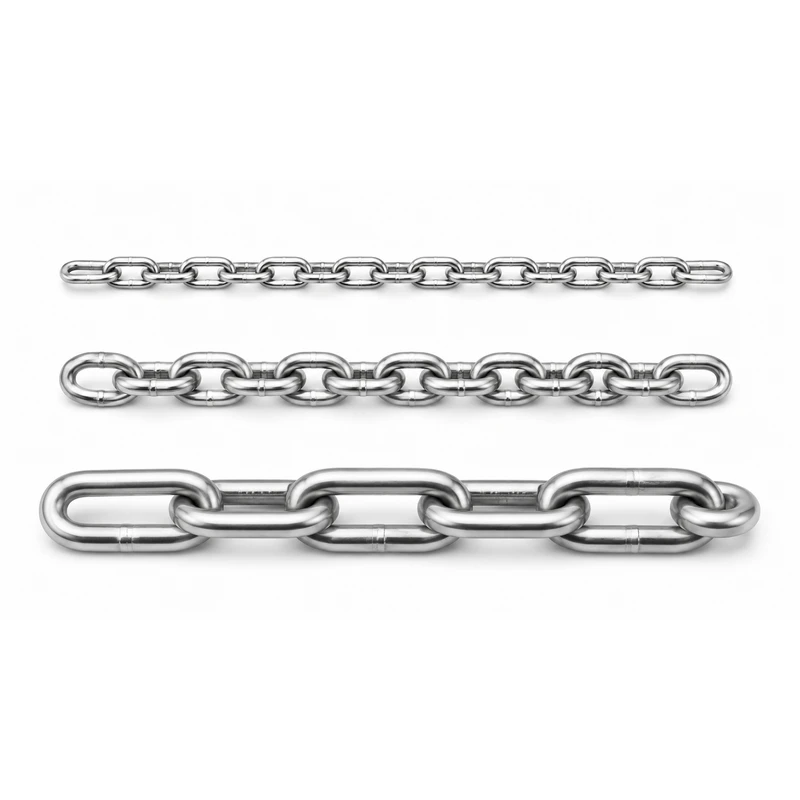
A load binder – also called a chain binder – is used to tension transport chain over or around cargo so the load stays secure in transit. The basic sequence is simple: choose a compatible chain and binder, inspect every component, remove chain slack, connect the binder, apply controlled tension, verify the complete tiedown, and release the binder only after confirming the load is stable.
The important part is not simply making the chain “as tight as possible.” Safe securement depends on the working load limit (WLL) of the complete system, correct chain routing, sound anchor points, proper binder operation, and the cargo securement rules that apply to the load.
Quick Answer: How to Use a Load Binder in 7 Steps
1. Confirm the cargo securement plan. Know the cargo weight, required tiedowns, anchor points, chain grade/size, and applicable rules.
2. Match the binder to the chain. Check the binder’s chain-size range and WLL. Never assume that two components are compatible because the hooks appear to fit.
3. Inspect the system. Check the binder, transport chain, hooks, attachment points, threads, ratchet mechanism, and handle for damage or deformation.
4. Route the chain and remove slack. Position the chain correctly over or through the load and rated anchor points, using edge protection where needed.
5. Attach the binder. Seat both binder hooks fully in the selected chain links and keep the binder aligned so it is not side-loaded.
6. Apply controlled tension. Ratchet binders tighten incrementally; lever binders close over center and require extra care because energy is stored in the handle.
7. Recheck before and during the trip. Confirm the binder is secure, loose chain is controlled, and the load cannot shift. Reinspect as required during transit.
Important: A load binder is a cargo-securement device, not a lifting device. Do not use it to hoist, suspend, or pull a load unless the manufacturer specifically designs and rates the device for that purpose.
What Is a Load Binder?
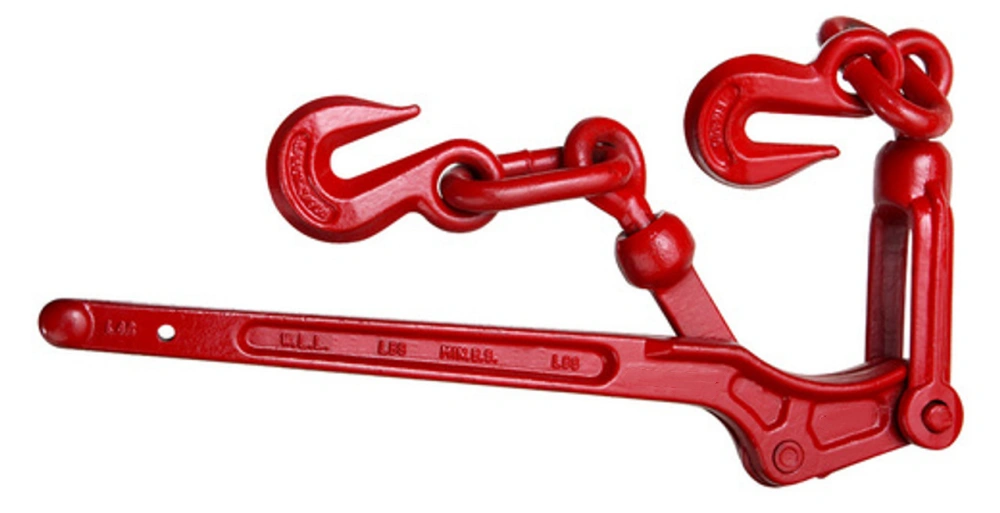
A load binder is a mechanical tensioning device used with transport chain to secure cargo on trucks, trailers, and other transport equipment. In North American trucking, “load binder” and “chain binder” are often used for the same tool.
Two types are common:
- Ratchet load binder: uses a ratchet mechanism and threaded take-up to tension the chain in small increments.
- Lever load binder: uses an over-center lever action to apply tension quickly.
If you need a deeper introduction to construction, terminology, and binder types, see Powerful Machinery’s guide to what a load binder is.
Before You Start: Check Chain, WLL, and Anchor Points
A binder works as one part of a tiedown system. Before attaching it, verify the chain, binder, hooks, vehicle anchor points, and securement method as a system.
For U.S. interstate commercial motor vehicles, FMCSA’s general cargo securement rule states that the aggregate working load limit of the securement system must be at least one-half the weight of the article or group of articles being secured. The required number of tiedowns is a separate requirement, and commodity-specific rules can add more requirements.
Do not interpret that rule as “one binder must be rated for half the cargo weight.” The calculation depends on the complete tiedown arrangement. Use the WLL of the weakest rated component in each tiedown and follow the requirements that apply to the cargo.
A practical specification check is:
- Cargo: weight, dimensions, center of gravity, and whether it can roll, tip, or shift.
- Chain: transport-rated chain, correct grade and size, no damage.
- Binder: correct chain-size range and adequate WLL.
- Hooks: fully engaged and compatible with the selected chain.
- Anchors: rated and structurally sound.
- Routing: no damaging sharp-edge contact, twisting, knots, or side loading.
- Tiedown count: sufficient for the cargo and applicable regulation.
Need help matching binder size to chain size? Use the chain binder size guide before choosing a model.
How to Inspect a Load Binder Before Use?
Inspect the binder every time you use it. Remove the binder from service if you find damage that may affect strength or operation.
Check for:
- Cracks, bends, distortion, or obvious impact damage.
- Hooks that are bent, spread, twisted, cracked, or worn.
- Damaged threads, bent threaded ends, or a ratchet mechanism that binds or skips.
- A lever handle or pivot that is bent, loose, or damaged.
- Severe corrosion, material loss, or damage around load-bearing areas.
- Missing parts, makeshift repairs, welding, or unauthorized modifications.
- Dirt or corrosion that prevents the pawl, threads, or moving parts from operating smoothly.
Also inspect the chain and anchor points. A sound binder cannot compensate for a damaged chain link or weak anchor.
Supplier Note from Powerful Machinery
From a supplier’s perspective, chain size and binder WLL should be checked together, not treated as separate purchasing decisions. Powerful Machinery publishes model-specific WLL, proof load, and minimum ultimate load data for its load binders.
For example, the L-140 ratchet range covers several chain-size ranges with WLLs from 2,200 to 13,000 lb, depending on model size. Always use the specification for the exact binder you are using rather than applying one capacity to an entire product family.
How to Use a Ratchet Load Binder?
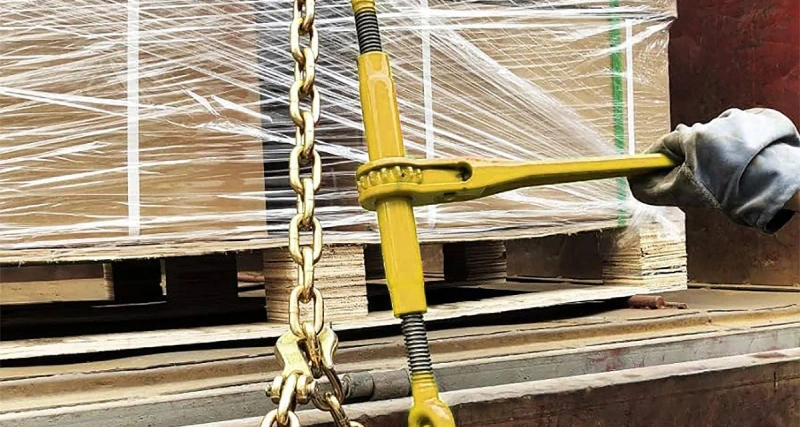
Ratchet binders are usually the easier type to tension gradually because the handle advances the threaded mechanism in small steps.
1. Set up the chain.
Route the transport chain across or around the cargo according to the securement plan. Connect the chain to rated anchor points and remove as much slack as practical before adding the binder.
2. Extend the binder within its operating range.
With no load on the binder, adjust the threaded ends so there is enough take-up to connect both hooks and still leave room to tension the chain. Do not extend the threads beyond the manufacturer’s limit.
3. Attach both hooks.
Connect the binder hooks to suitable chain links. Make sure each hook is fully seated and that the binder body is aligned with the direction of pull.
4. Set the ratchet for tightening.
Engage the pawl in the tightening direction specified for the model. Keep firm footing and adequate handle clearance.
5. Ratchet until the chain is properly tensioned.
Move the handle through controlled strokes. Stop when the tiedown is taut and the cargo is secured according to the securement plan. Do not keep tightening simply to maximize force; over-tensioning can damage cargo, anchors, chain, or the binder.
6. Secure the system.
Check that the ratchet is engaged, the hooks remain seated, the binder is not contacting a sharp edge or being side-loaded, and loose chain cannot drag or interfere with the vehicle.
For a more detailed ratchet-only procedure, see Powerful Machinery’s guide on how to use a ratchet chain binder.
How to Use a Lever Load Binder Safely?
Lever binders work quickly, but they store energy in the handle as the mechanism moves over center. That makes body position and handle control especially important.
1. Route the chain and remove slack.
Set the chain and anchors first. Because a lever binder has a limited take-up range, chain length must be adjusted closely enough for the handle to close correctly.
2. Attach the hooks and align the binder.
Seat both hooks in appropriate chain links. Keep the binder in line with the chain and clear of objects that could side-load the body or obstruct the handle.
3. Clear the handle path.
Keep your head, torso, hands, and other people away from the handle’s travel path. Work from stable ground whenever possible.
4. Close the handle using controlled force.
Operate the handle in the direction specified by the manufacturer until the binder reaches its fully closed, over-center position. Do not use a cheater pipe or improvised handle extension unless the binder manufacturer explicitly provides and approves a device for that purpose.
5. Verify the locked position.
Check that the lever is fully seated, the hooks remain engaged, and the chain is tensioned correctly.
Lever binders are not automatically “wrong” or prohibited, but they demand more care during tightening and release. If you are choosing between the two designs, see the full lever binder vs. ratchet binder comparison.
Ratchet vs Lever Load Binders
Ratchet binders: gradual take-up, more controlled tensioning, less handle travel risk, more moving/threaded parts, slower to operate.
Lever binders: fast operation, simple mechanism, limited take-up, greater stored energy in the handle, requires extra clearance and body-position awareness.
For many fleets, ratchet binders are preferred where controlled adjustment is more important than speed. The correct choice still depends on the chain size, required WLL, operating environment, company procedures, and applicable regulations.
How Tight Should a Load Binder Be?
The goal is a secure tiedown, not maximum possible chain tension.
The chain should be taut enough that the cargo is restrained by the complete securement system and cannot shift as permitted by the applicable cargo securement rules. Excessive tightening can damage cargo, bend anchor points, overload components, or make release more hazardous.
If the load cannot be secured without extreme force, stop and check:
- Is the chain routed correctly?
- Is too much slack left in the chain?
- Is the binder the right size and type?
- Is the anchor position suitable?
- Does the load require blocking, bracing, chocks, additional tiedowns, or a different securement method?
Never solve a poor setup by adding an improvised extension to the binder handle.
Final Check Before Driving
Before the vehicle moves:
- Confirm every hook is fully engaged.
- Confirm each binder is in its proper secured position.
- Check the chain for twists, damaged links, or harmful edge contact.
- Make sure loose chain ends are controlled and cannot contact tires or moving parts.
- Confirm the cargo is blocked or restrained against movement as required.
- Verify the number and WLL of tiedowns for the load.
- Walk around the vehicle and inspect the securement from both sides.
For the broader chain-routing and cargo-restraint process, see how to secure a load with chains.
When Should You Recheck Load Binders During Transit?
For U.S. interstate commercial motor vehicle operations, 49 CFR 392.9 requires cargo and securement to be inspected within the first 50 miles of a trip. Reexamination and any necessary adjustment are also required when the driver changes duty status, after three hours of driving, or after 150 miles, whichever occurs first, subject to the rule’s exceptions.
Loads can settle and chain tension can change, especially after the vehicle begins moving. Treat the initial recheck as part of the securement process, not as an optional extra.
How to Release a Load Binder Safely?
Release is a high-risk part of binder use because the chain and cargo may still be carrying stored energy.
Before releasing any binder:
1. Park in a stable location and prevent vehicle movement.
2. Look at the load before touching the binder. Confirm that cargo will not roll, tip, fall, or shift when tension is removed.
3. Keep other people out of the release area.
4. Stand clear of the handle path and the potential path of moving chain or cargo.
For a ratchet binder, set the ratchet to the release direction and back off the tension gradually until the chain is slack enough to remove the hooks without force.
For a lever binder, follow the manufacturer’s release procedure and maintain control of the handle as it moves out of the over-center position. Never place your face or body in the handle’s travel path.
If a binder is jammed, bent, or will not release normally, do not improvise with excessive force. Stabilize the load and follow your company’s safe-work procedure or obtain qualified assistance.
For a dedicated release guide, see how to loosen a ratchet chain binder.
Common Load Binder Mistakes
1. Choosing by cargo weight alone.
Binder selection also depends on chain size, tiedown geometry, anchor ratings, and the complete securement calculation.
2. Using the binder with web straps.
The standard chain load binder discussed in this guide is designed to tension chain. Use ratchet straps and webbing tensioners only as they are designed and rated.
3. Mixing incompatible chain and binder sizes.
A hook that can be forced onto a link is not proof of compatibility.
4. Ignoring the weakest component.
The tiedown is limited by its lowest-rated component.
5. Side-loading the binder.
Load binders are intended to be loaded in line. Contact with load edges or poor alignment can introduce forces the binder was not designed to carry.
6. Using cheater bars.
An improvised extension can greatly increase handle force and stored energy and may damage the binder.
7. Skipping the first reinspection.
Cargo can settle soon after departure. Rechecking tension is a critical operating step.
8. Releasing before checking load stability.
A chain may be holding an unstable object in place. Inspect the cargo first.
FMCSA Cargo Securement Points Worth Knowing
For U.S. commercial transport, three points are especially relevant:
- Cargo must be immobilized or secured so it does not shift or fall from the vehicle.
- The aggregate WLL of the securement system must meet the required threshold; the general rule is at least one-half of the cargo weight.
- Cargo and securement must be inspected and adjusted during the trip as required by 49 CFR 392.9.
One useful clarification: FMCSA guidance says §393.104(b) does not itself require every securement device to be marked or labeled with its WLL. For practical procurement and safe use, however, you should still use rated, traceable equipment and be able to identify the correct model specification. Do not guess a binder’s capacity from appearance or hook size.
Manufacturer specifications, carrier procedures, state or provincial rules, and commodity-specific requirements may add obligations beyond this general guide.

Choosing a Load Binder from a Manufacturer’s Specification
When comparing load binders, look beyond the product name. Review:
- compatible chain-size range;
- WLL;
- proof load and minimum ultimate load where provided;
- hook configuration;
- take-up range and handle length;
- material and heat treatment;
- finish and corrosion protection;
- product traceability and test documentation;
- OEM/ODM requirements for bulk purchasing.
Powerful Machinery manufactures ratchet and lever load binders for industrial and transport applications. Our L-140 ratchet and L-150 lever product pages provide model-specific capacity tables, and our in-house testing capabilities include tensile testing and production proof-load quality control. For distributors, fleet suppliers, and OEM buyers, we can also support product markings, finishes, documentation, and custom requirements.
View Powerful Machinery load binders or contact our technical team if you need help matching a binder to a chain size and target WLL.
FAQ
Is a load binder the same as a chain binder?
In most cargo-securement contexts, yes. Both terms commonly refer to the device used to tension transport chain around cargo. Product terminology can vary by region and manufacturer.
Can I use a load binder for lifting?
No, not unless the manufacturer explicitly designs and rates that specific product for lifting. Standard load binders are intended for cargo securement, not hoisting or suspending loads.
Can I use a load binder with any chain?
No. Match the binder’s specified chain-size range and WLL to the chain and securement system. Use transport chain that is suitable for the application.
Is a ratchet binder safer than a lever binder?
Ratchet binders generally provide more controlled take-up and release and do not rely on the same over-center handle action as a lever binder. Lever binders can still be used safely when they are correctly selected and operated according to the manufacturer’s procedure.
Can I use a cheater bar on a load binder?
Do not use an improvised pipe or handle extension. Extra leverage can overload the binder and increase the energy stored in the handle. Follow the manufacturer’s approved operating method.
How often should I inspect a load binder?
Inspect it before use and recheck the complete cargo securement system during transport. For U.S. interstate CMVs, FMCSA requires an inspection within the first 50 miles and further reexaminations under the intervals in 49 CFR 392.9.
Do load binders have to show a WLL marking?
FMCSA guidance states that §393.104(b) does not itself require securement devices to be marked or labeled with WLL. Still, using rated and traceable equipment with identifiable specifications is the practical way to prevent capacity errors.
What is the best load binder for a 3/8-inch chain?
There is no single answer based on diameter alone. Check the chain grade and WLL, then choose a binder whose specified chain-size range includes 3/8 inch and whose WLL is appropriate for the tiedown system. Powerful Machinery’s L-140 ratchet line, for example, includes 5/16-3/8 and 3/8-1/2 size ranges with different WLLs.
Conclusion
Using a load binder correctly comes down to system compatibility and controlled operation: match the binder to the chain, inspect every load-bearing component, remove slack before tensioning, keep the binder aligned, use the correct ratchet or lever procedure, and recheck the load during transit.
For buyers, the same principle applies at the specification stage. Do not purchase on chain size or price alone. Ask for the model’s WLL, proof-load data, material specification, and test documentation so the binder can be evaluated as part of the complete cargo securement system.