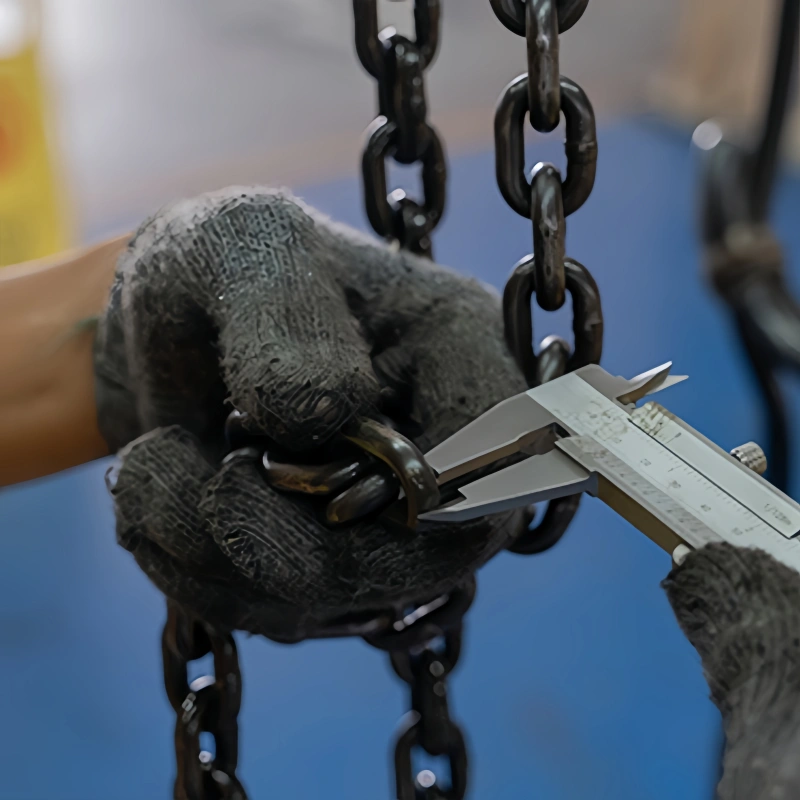
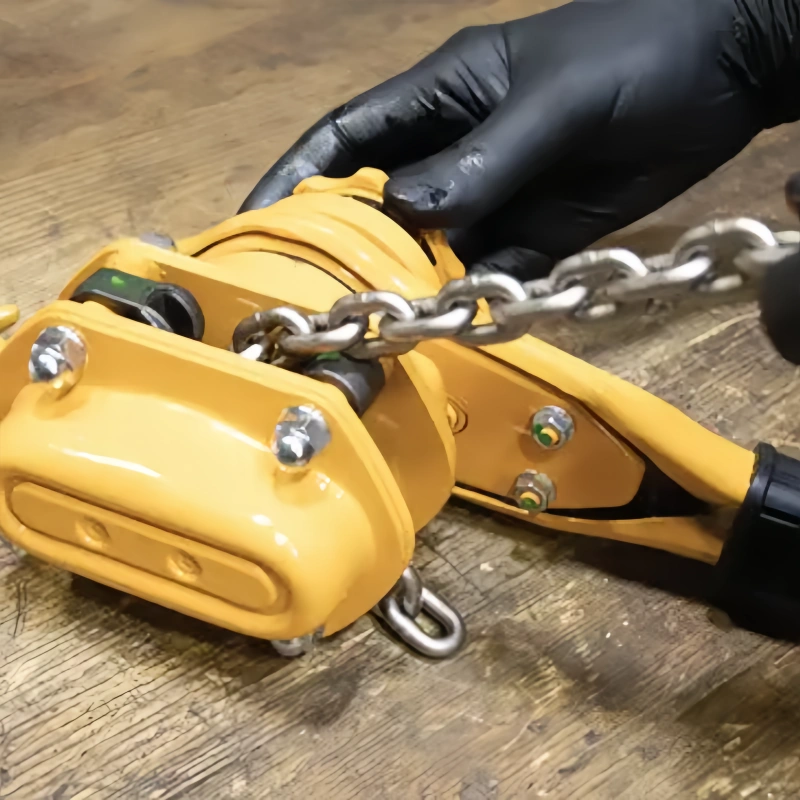
Proper storage of chain blocks ensures safety, extends service life, and maintains reliable performance. You should always clean and inspect your manual chain block and electric chain block before storage.
Choose a dry, secure location to prevent corrosion and damage. Using certified, high-quality products like Powerful Machinery Chain Block gives you peace of mind and guarantees consistent results.
Key Takeaways
Always clean and inspect chain blocks before storage to catch damage early and ensure safety.
Store chain blocks in a dry, well-ventilated area to prevent rust and extend their lifespan.
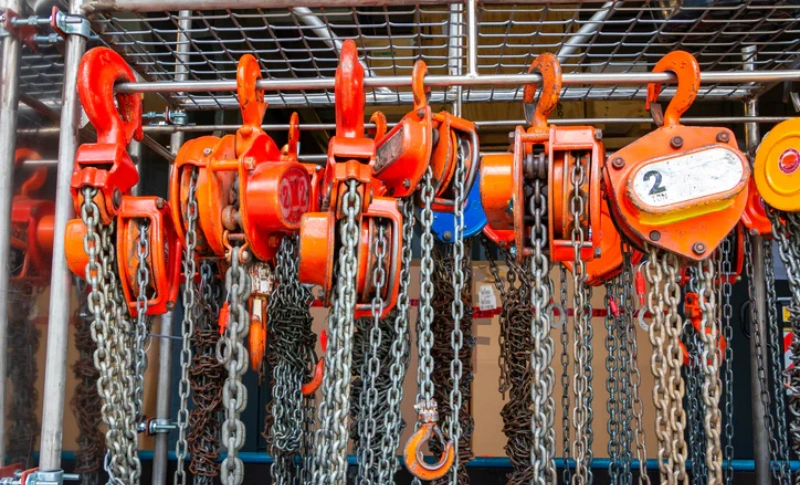
Hang chain blocks vertically to avoid stress on the load chain and ensure proper weight distribution.
Regularly lubricate moving parts to maintain smooth operation and prevent wear and corrosion.
Keep detailed records of inspections and maintenance to enhance safety and operational efficiency.
Why Chain Block Storage Matters?
Safety and Accident Prevention
When you store chain blocks correctly, you protect yourself and your team from accidents. Safe storage practices help you avoid injuries and keep your workplace running smoothly. Here are some important points to remember:
Clean and inspect your chain blocks before storing them. This step helps you spot any damage early and keeps your equipment safe.
Choose a dry, well-ventilated area for storage. This protects your lifting equipment from moisture and corrosion.
Hang chain blocks vertically to prevent stress on the load chain.
Secure your storage area to prevent unauthorized access.
Never overload storage racks or hooks. Heavy objects can deform the equipment and cause accidents.
Lubricate moving parts to reduce corrosion and ensure smooth operation.
Use proper storage hooks or racks to support the weight safely.
Keep records of inspections and maintenance to maintain safety standards.
Tip: Effective accident management in the construction industry relies on secure and transparent data. When you store and track your equipment properly, you help reduce accident rates and improve overall safety.
If you neglect safety in chain block storage, you risk serious consequences:
Consequence | Description |
|---|---|
Increased risk of injuries and fatalities | A racking collapse can lead to falling pallets and heavy materials, posing serious risks to employees. |
Operational downtime | Damaged racking can cause work stoppages, disrupting warehouse operations and supply chain efficiency. |
Financial losses | Costs associated with repairing or replacing damaged racking, lost inventory, and potential lawsuits. |
Regulatory non-compliance | Non-compliance with safety guidelines can result in fines, legal actions, or warehouse shutdowns. |
Reputational damage | Poor safety practices can harm a company’s reputation, affecting business partnerships and customer attraction. |
Longevity and Performance
Proper storage does more than keep your workplace safe. It also extends the life and performance of your chain blocks. When you store your equipment in the right conditions, you prevent rust, corrosion, and unnecessary wear.
Moisture causes rust and weakens the structure of the chain.
Dust and dirt speed up wear on moving parts.
Corrosive atmospheres, like those with chemicals or salt, can damage materials and require extra care.
When you follow best storage practices, you see real benefits:
You enhance safety by preventing accidents.
You reduce the risk of corrosion by keeping chain blocks dry and well-ventilated.
You extend the lifespan of your equipment with regular maintenance and proper storage.
Taking these steps ensures your lifting equipment stays reliable and ready for every job.
How to Store Chain Blocks?
Cleaning and Inspection
You should always start by cleaning and inspecting your chain blocks before storage. Remove any dirt, dust, or debris from the chain and housing. Use a dry cloth or a soft brush for this task. Inspect all parts for signs of wear, cracks, or deformation.
Pay close attention to the load chain, hooks, and safety latches. If you find any malfunction or damage, label the equipment for repair instead of storing it.
Check for:
Wear and tear on the chain and accessories
Bent or cracked hooks
Damaged safety latches
Smooth operation of the hand chain
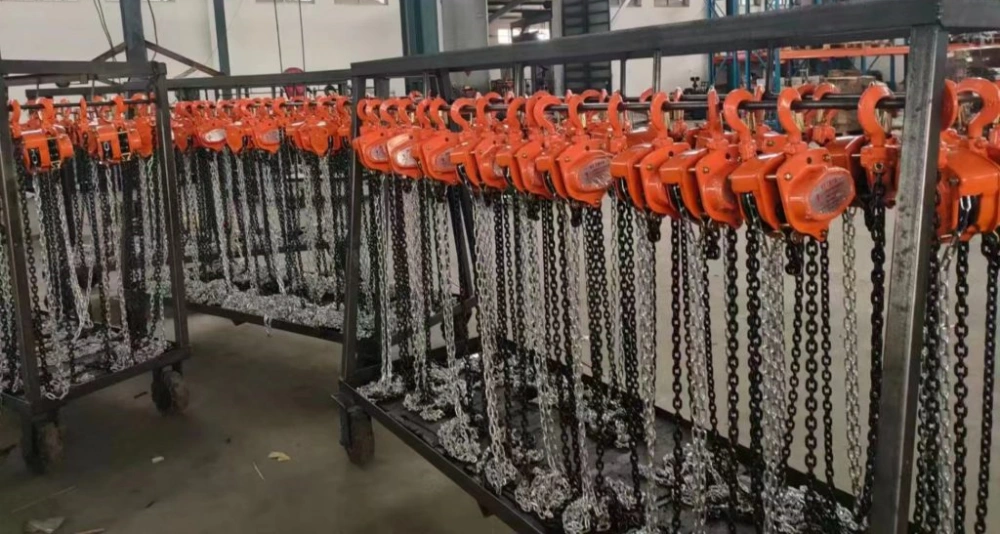
Hang your chain blocks from the top suspension hook to prevent the chain from touching the ground. This step helps you avoid dirt accumulation and corrosion. For non-portable units, cover them to protect against harsh elements.
Powerful Machinery Chain Block features a robust, high-grade steel construction, making inspection straightforward and ensuring long-term reliability.
Tip: Certified, high-quality products like Powerful Machinery Chain Block simplify inspection and cleaning due to their durable design and precision engineering.
Lubrication Steps
Proper lubrication keeps your manual chain hoist running smoothly and extends its service life. Apply lubricant to all moving parts, especially the load chain and gears.
Industry tests show that immersive waxes such as Rex Black Diamond provide excellent protection in wet conditions, reducing chain wear significantly compared to standard oils. Thicker oils last longer but may attract more dirt, so choose a lubricant that matches your work environment.
Lubricant | Dry Wear (per 5000 km) | Wet Wear (per 5000 km) |
|---|---|---|
Rex Black Diamond | Low | Very Low |
Silca Secret Chain Blend | Low | Low |
White Lightning’s Wet Ride | Moderate | High |
Rock-n-Roll Gold | Low | Moderate |
Lubricate your chain blocks regularly. Manufacturer guidelines recommend intervals ranging from monthly to annually, depending on usage. For frequent use, apply oil every eight hours. Always lubricate before you notice any signs of corrosion or dryness.
Powerful Machinery Chain Block’s high-quality materials retain lubrication well, reducing maintenance frequency and ensuring smooth operation.
Choosing a Storage Location
Select a storage location that protects your manual chain hoist from moisture, dust, and extreme temperatures. Economic factors such as inventory and transportation costs matter, but you should also consider environmental impacts. Aim to minimize greenhouse gas emissions by choosing efficient storage solutions.
Temperature and humidity play a critical role in storage outcomes. High relative humidity can lead to rust and biological growth, while low temperatures may increase humidity and risk of corrosion. Manage these factors to maintain the quality and safety of your chain blocks.
Factor | Impact on Storage Outcomes |
|---|---|
Relative Humidity | Increases as the temperature drops, raising the risk of corrosion and biological activity. |
Temperature | Extreme cold or heat can affect material integrity and lubricant performance. |
Environmental Warnings | Alert you when thresholds are exceeded, helping you take action to protect your equipment. |
Powerful Machinery Chain Block’s corrosion-resistant finish provides extra protection in challenging environments, making it ideal for a wide range of storage conditions.
Note: Always store chain blocks in a dry, well-ventilated area to prevent rust and maintain performance.
Hanging and Securing
Proper hanging and securing prevent damage and ensure safety. Always verify the load capacity before storing your chain blocks. Never overload the storage hook or rack. Inspect the upper and lower hooks to confirm they are firmly attached and not skewed. The lifting chain should hang vertically with no twisted links.
Follow these best practices:
Hang the chain block from a solid, load-bearing structure.
Ensure the chain hangs freely and does not touch the ground.
Use even, gentle force when moving or adjusting the chain.
Avoid standing under suspended loads.
For temporary suspension, use wooden piers or pads to protect the chain and hooks.
Train your team on safe handling and emergency procedures. Regularly assess operator skills and provide refresher training as needed. Powerful Machinery Chain Block’s secure hook system and safety latch make hanging and securing straightforward, reducing the risk of accidental release or damage.
Alert: Never store chain blocks in a way that causes the chain to kink, twist, or drag on the floor. This practice leads to premature wear and safety hazards.
By following these steps and using certified, high-quality products like Powerful Machinery Chain Block, you ensure optimal storage, safety, and performance for your lifting equipment.
Chain Block Storage Mistakes
Damp or Poor Locations
Storing your equipment in damp or poorly ventilated areas creates serious risks. Moisture leads to rust, weakens the metal, and shortens the lifespan of your chain blocks.
You should always choose a dry, well-ventilated space. Avoid areas near chemicals or salt, as these can speed up corrosion. If you store equipment in a poor location, you may face costly repairs and unexpected downtime.
Rust and corrosion weaken the chain and hooks.
Moisture can cause biological growth, making inspections harder.
Poor ventilation increases the risk of long-term damage.
Tip: Always check the storage area for leaks or high humidity before placing your equipment.
Skipping Lubrication
Neglecting lubrication is a common mistake that can have expensive consequences.
The consequences can be significant: replacement of the damaged chain and associated components costing thousands of dollars, downtime resulting in lost production and delayed deliveries, and unhappy customers.
Incidents like these highlight the importance of regular chain lubrication in maintaining operational efficiency and preventing costly disruptions.
You should apply lubricant to all moving parts before storage. This step prevents rust and keeps the mechanism running smoothly. Skipping this step increases wear and leads to early failure.
Improper Hanging
Improper hanging puts your equipment and team at risk. You must always hang the chain block from a secure, load-bearing structure. If you hang it incorrectly, you risk uneven load distribution, which can cause the chain to lose strength or even fail.
Uneven load distribution can cause the load to slip or the chain block to tip.
Overloading or incorrect attachment can lead to equipment failure and personal injury.
Always ensure the load is balanced and the hook is secure.
Ignoring Inspections
Skipping regular inspections is one of the most frequent mistakes. You should never overlook this step. Routine checks help you spot wear, cracks, or other issues before they become dangerous.
Set a regular inspection schedule based on how often you use the equipment.
Use trained inspectors to check for damage or wear.
Follow a visual inspection protocol to catch visible problems.
Use specialized tools to measure chain wear and elongation.
Create a maintenance plan to fix issues as soon as you find them.
By avoiding these common mistakes, you protect your investment and keep your workplace safe. Proper storage and care ensure your chain blocks deliver reliable performance every time.
Chain Block Maintenance
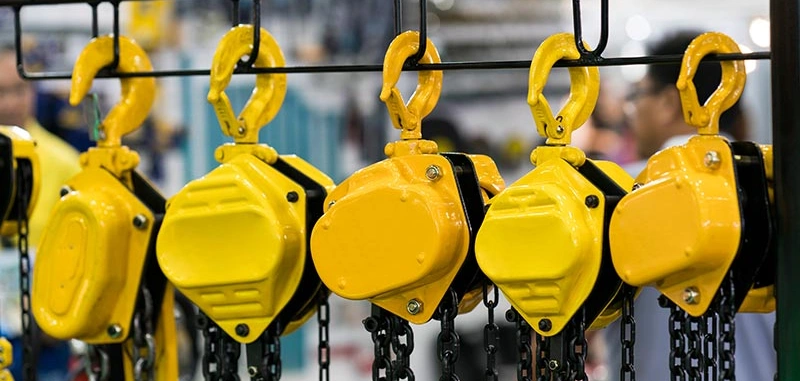
Regular maintenance keeps your chain blocks safe and reliable. Powerful Machinery designs every product with safety and durability in mind. You should always follow the manufacturer’s guidelines to get the best performance and longest service life.
Pre-Storage Checklist
Before you store your equipment, check each part carefully. Use this checklist to make sure your chain block is ready for storage:
Inspect the equipment for physical damage and confirm it has a valid inspection certificate.
Check the hook for cracks or bending.
Make sure the safety latch is present and works smoothly.
Examine the chain for defects or corrosion.
Confirm the weight capacity is clearly marked and visible.
Ensure all rotating parts have proper covers.
Test the chain pulley block for rust and clean if needed.
Never store a chain block that has been overloaded or used above its weight capacity.
Only store equipment that has passed inspection by a qualified person.
Tip: Always inspect the chain and hooks before every use, not just before storage.
Post-Storage Inspection
After storage, inspect your chain block before putting it back to work. Follow these steps:
Check the top hook for distortion and test the safety catch.
Examine the body for missing covers or signs of damage.
Inspect the hand chain wheel and guide for wear.
Test the lever and ratchet for smooth operation.
Make sure the slack end anchor is secure.
Listen for unusual noises during operation.
Confirm the hand chain moves smoothly without jumping.
Lubrication Schedule
Lubrication keeps your equipment running smoothly. You should follow the schedule in the manufacturer’s manual. For frequent use, apply lubricant every eight hours. For occasional use, lubricate monthly or before long-term storage. Always use the recommended lubricant to protect moving parts and prevent rust.
Record-Keeping
Accurate records help you track maintenance and improve safety. Use a log to record these details:
Metric/Action | Description/Details |
|---|---|
Hoist ID & location | Assign a serial number and asset tag for each unit. |
Usage metrics | Track hours used, number of lifts, and typical load as a percent of rated weight capacity. |
Measured values | Note chain pitch, hook throat size, brake disc thickness, and wear. |
Findings & actions | Record repairs, parts replaced, and technician names. |
Next due dates | Set reminders based on usage or calendar dates. |
Note: Keeping detailed records helps you plan maintenance and avoid unexpected breakdowns.
By following these steps, you ensure your chain blocks remain safe, reliable, and ready for every job.
Chain Block Care Tips
Handling and Transport
You must handle chain blocks with care during lifting operations to prevent damage and ensure safety. Always select stable lifting points and use padding to protect chains from sharp edges. When you move equipment, choose the right hitch type—vertical, choker, or basket—to maintain load capacity.
Tag lines help you control the load and avoid sudden shifts during lifting operations. Never rush the process. You should inspect all rigging before and after lifting operations. If you notice any issues, address them immediately to prevent accidents.
Proper handling reduces wear and extends the life of your equipment. During lifting operations, always keep your hands clear of pinch points and stay alert to your surroundings.
Use stable lifting points.
Apply padding to protect chains.
Select the correct hitch for each lifting operation.
Control loads with tag lines.
Inspect equipment before and after lifting operations.
Tip: Training your team on proper handling techniques improves safety and efficiency during lifting operations.
Environmental Factors
Environmental conditions affect chain block performance during lifting operations. Humidity and temperature changes can cause rust and reduce equipment life. In humid environments, you should use penetrating lubricants to displace moisture and prevent rust during lifting operations.
For extreme temperatures, specialized lubricants ensure optimal performance and prevent breakdowns. Lubricants must have low viscosity to reach internal surfaces, maintain a lubricating film under pressure, and remain free from corrosive ingredients.
They should also retain their properties across varying temperatures and moisture levels. In extreme conditions, such as temperatures above 300 °F or below -40 °F, you need specially formulated lubricants to avoid failures during lifting operations.
Always monitor your storage environment and adjust your maintenance routine to match the demands of your lifting operations.
Environmental Factor | Impact on Lifting Operations | Recommended Action |
|---|---|---|
Humidity | Increases rust risk during lifting operations | Use penetrating lubricants |
High Temperature | Affects lubricant performance in lifting operations | Use specialized, high-temp lubricants |
Low Temperature | Causes lubricant thickening in lifting operations | Use low-temp lubricants |
Accessory Storage
Proper accessory storage supports safe and efficient lifting operations. Clean chains before storage to remove dirt and moisture. Store accessories in clean, dry spaces away from weather and corrosive chemicals. Use racks that allow air circulation around the chains to prevent rust during lifting operations.
Hang chains on racks to avoid tangles, kinks, or knots. Keep all accessories away from extreme temperatures to maintain their integrity during lifting operations. Organize your storage area so you can quickly locate accessories for lifting operations.
Regular checks ensure your accessories remain in top condition for every lifting operation.
Clean chains before storage.
Store in dry, chemical-free spaces.
Use racks for air circulation.
Hang chains to prevent tangles.
Avoid extreme temperatures.
Organize for quick access during lifting operations.
Note: Consistent accessory care reduces downtime and improves safety during lifting operations.
Conclusion
You protect your investment when you store chain blocks correctly. Clean, inspect, and lubricate your equipment before storage. Choose a dry, secure location and hang each unit properly.
Regular maintenance and inspection keep your lifting tools safe and reliable. For the best results, use certified products like PowerFul Machinery Chain Block. Stay proactive with your care routine to ensure long-lasting performance.
FAQ
How often should you inspect the load chain on your chain hoist?
You should inspect the load chain before every use. Look for signs of wear, corrosion, or deformation. Regular checks help you spot problems early and keep your chain hoist safe and reliable.
What is the best way to clean a load chain?
Use a dry cloth or soft brush to remove dirt from the load chain. Avoid harsh chemicals. Clean the load chain after each use to prevent buildup. This simple step keeps your chain hoist in top condition.
Can you use any lubricant on a load chain?
You should only use lubricants recommended by the manufacturer. The right lubricant protects the load chain from rust and wear. Using the wrong product can damage your chain hoist and reduce the lifespan of the load chain.
Why is proper storage important for a chain hoist and its load chain?
Proper storage prevents rust, corrosion, and damage to the load chain. Store your chain hoist in a dry, secure place. Hang the load chain vertically. Good storage habits extend the life of your equipment and keep your lifting operations safe.
How do you know when to replace a load chain on your chain hoist?
Replace the load chain if you see cracks, stretching, or severe wear. If the load chain does not move smoothly or shows signs of damage, stop using the chain hoist. Always follow the manufacturer’s guidelines for replacement.