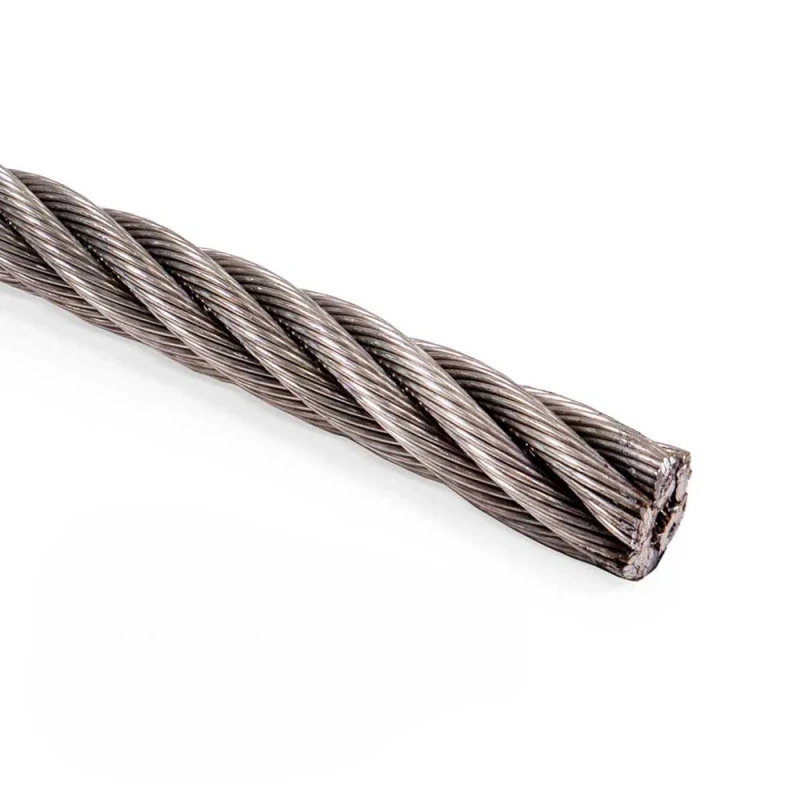
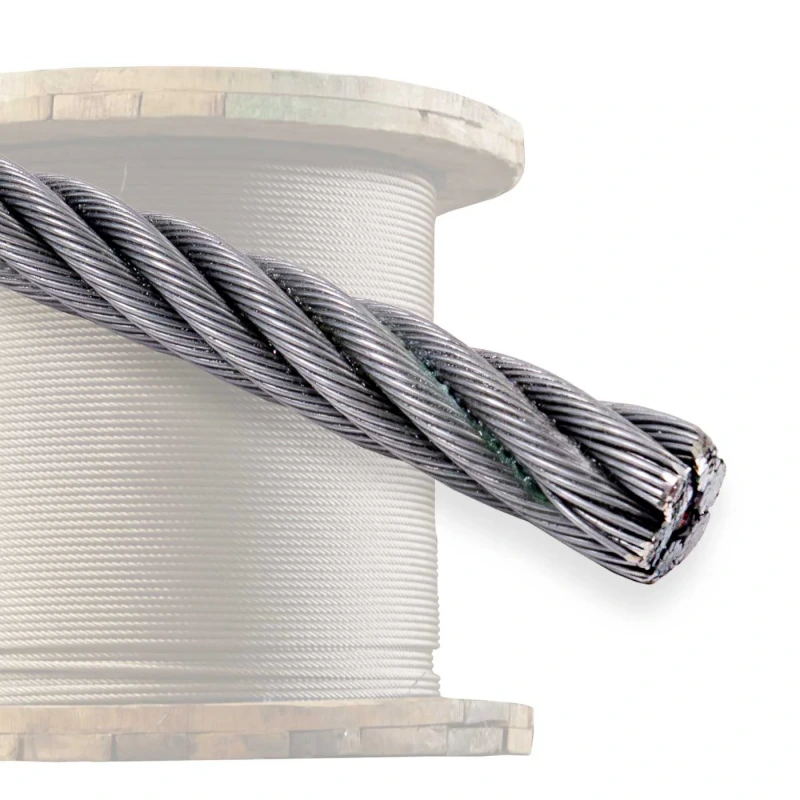
You rely on chain grades and markings to ensure every lift meets strict safety standards. These markings help you identify the correct chain for each load. Using the wrong chain or misreading a marking can put lives and equipment at risk.
Powerful Machinery provides certified lifting chains that deliver proven safety in demanding conditions. See how certified G80 chains compare to uncertified alternatives:
Feature | G80 Lifting Chain | Uncertified Alternatives |
|---|---|---|
Manufacturing Standards | Meets global standards | No standardized manufacturing |
Testing | Rigorous, documented | Often lacks testing |
Traceable Heat Treatments | Yes | No |
Minimum Tensile Strength | 800 MPa | Varies, often lower |
Performance Under Conditions | Reliable in harsh environments | Uncertain performance |
You protect your team and your investment with the right chain. Trust only chains that guarantee safety at every step.
Key Takeaways
Understand chain grades to select the right chain for lifting tasks. Higher grades indicate greater strength and safety.
Always check for clear markings on chains before use. These markings confirm compliance with safety standards.
Follow OSHA and ASME regulations to ensure safe lifting operations. Compliance protects your team and equipment.
Perform regular inspections of chains to identify wear or damage. Inspections prevent accidents and ensure reliability.
Choose certified chains from trusted manufacturers like Powerful Machinery for guaranteed safety and performance.
Chain Grades and Markings Explained
What Are Chain Grades?
You need to understand chain grades before you select a chain for lifting. Chain grades measure the strength and performance of a chain. Manufacturers assign a grade based on the minimum tensile strength and the material used. Higher grades mean greater strength and better performance in demanding environments.
Chain grades and markings help you match the right chain to your lifting job. Using the correct grade protects your team and your equipment. For example, OSHA recommends a Grade 80 chain for overhead lifting.
Grade 100 chain offers even higher strength, making it suitable for heavier loads or allowing you to use a lighter chain for the same job. Grade 30 chain is designed for general utility tasks, such as towing or securing cargo, but not for overhead lifting.
Here is a comparison of the most common chain grades used in industrial lifting:
Chain Grade | Minimum Tensile Strength (N/mm²) |
|---|---|
Grade 80 | 800 |
Grade 100 | 1000 |
You see that chain grades and markings directly impact safety. Choosing the right grade ensures your chain meets the standards required for lifting operations.
Grade 80 chain is recommended by OSHA for overhead lifting applications.
Grade 100 chain is 25% stronger than Grade 80 and is common in construction and heavy transport.
Grade 30 chain is suitable for utility tasks but not for lifting overhead.
Markings and Identification
You must identify chain grades and markings before every lift. Markings appear as stamped numbers or letters on each chain link. These markings indicate the grade, manufacturer, and sometimes the date of production. You use these markings to verify compliance with safety standards.
In the United States, all overhead lifting slings must meet OSHA regulations and the design criteria set by ASME. These standards ensure that chains perform reliably and safely during lifting operations.
Standard | Description |
|---|---|
ASME B30.20 | Identification and markings requirements for below-the-hook lifting devices. |
OSHA | Regulations require that all overhead lifting slings must comply with. |
Tip: Always check for clear, legible markings before using a chain. If you cannot find the grade or manufacturer’s mark, do not use the chain for lifting.
You rely on chain grades and markings to confirm that your equipment meets the required standards. This step prevents accidents and ensures safety in every lift.
All overhead lifting slings must adhere to OSHA regulations.
Compliance with ASME design and performance standards is mandatory.
Powerful Machinery Chain Grades Overview
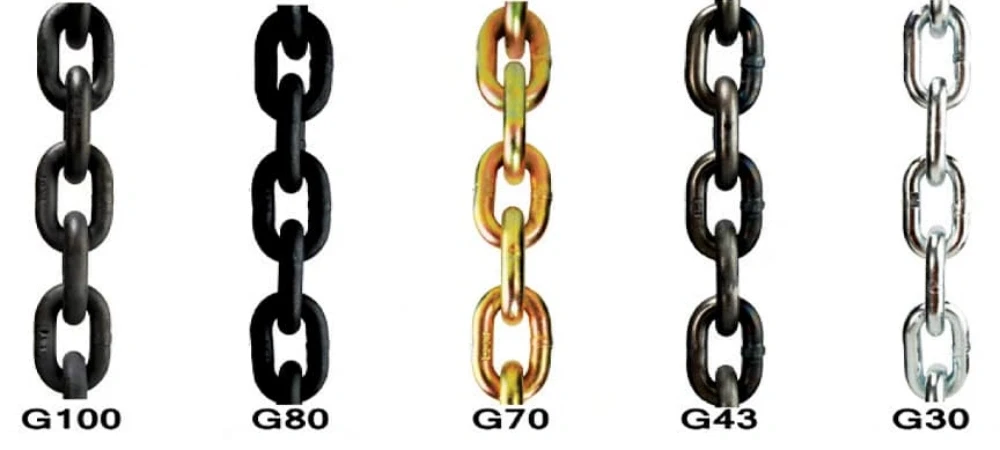
Powerful Machinery offers a full range of certified chains for lifting and utility applications. You can choose from Grade 80, Grade 100, and Grade 30 chains, each designed for specific tasks and safety requirements.
Chain Grade | Strength Comparison |
|---|---|
Grade 80 | Baseline |
Grade 100 | 25% stronger than Grade 80 |
Grade 80: You use this chain for overhead lifting, rigging, and hoisting. It delivers high strength and reliability. Powerful Machinery’s Grade 80 chain meets or exceeds OSHA, ASTM, and ISO standards.
Grade 100: You select this chain for heavier loads or when you need a lighter chain with the same strength. It is 25% stronger than Grade 80 and is ideal for construction and heavy transport. Powerful Machinery’s Grade 100 chain complies with NACM, ASTM, and ISO standards.
Grade 30: You use this chain for towing, securing cargo, and general utility tasks. It is not suitable for overhead lifting but meets ASTM and OSHA standards for utility use.
Powerful Machinery stamps every chain with clear markings for grade, manufacturer, and traceability. You can easily identify the right chain for your job and confirm compliance with safety standards.
Note: Powerful Machinery’s commitment to quality and safety means every chain meets or exceeds international standards. You protect your team and your investment by choosing certified chains with proper markings.
Chain grades and markings are essential for safe lifting. You ensure compliance and safety by selecting the right chain and verifying its markings before every use.
Compliance and Safety Chain Requirements
International Standards and Compliance
You must follow strict safety regulations when you select chains for lifting or transport. Compliance with international standards protects your team and your equipment from violations and accidents. Each standard sets clear requirements for chain grades, inspections, and usage. You see these standards in action every day:
Standard | Description |
|---|---|
OSHA | Ensures compliance with safety regulations for lifting equipment. |
ASME B30.9 | Requires proofloading of alloy lifting chain assemblies before initial use. |
NACM | Specifies chain specifications and requirements for safe use. |
ASTM | Sets standards for materials and performance of chains used in lifting. |
You must understand these regulations to avoid violations and ensure safety. Regulatory bodies update safety chain requirements often. You need to stay informed about changes to maintain compliance and avoid violations.
Manufacturers like Powerful Machinery monitor updates to regulations and requirements, so you can trust their products to meet the latest safety standards.
Safety Chain Requirements Explained
You must know the safety chain requirements explained in each industry. For lifting operations, OSHA 1910.184 and ASME B30.9 set the rules for inspections, fabrication, and removal. These regulations help you avoid violations and keep your workplace safe.
Standard | Description |
|---|---|
OSHA 1910.184 | Governs the use, inspection, and removal criteria for all types of lifting slings in general industry. |
ASME B30.9 | Provides specific guidance on the fabrication, marking, and testing of slings, including properties of different chain grades. |
You must use the right chain for each application. For example, you use a grade 70 transport chain for cargo securement, but not for overhead lifting. You must check the safety chain inspection checklist before every use.
You must follow the safety chain inspection points to avoid violations and ensure compliance with cargo securement regulations. You must inspect chains for wear, markings, and proper grade. You must remove any chain that does not meet requirements to prevent violations.
You must also understand the difference between industrial lifting and trailer applications:
Application Type | Chain Type | Key Requirements |
|---|---|---|
Industrial Lifting | Alloy Lifting Chain | Must meet EN 818 or ASME B30-series standards, use G80/G100 grade chains for overhead lifting. |
Trailer Applications | Retail Tow Chains | Designed for transport work, marked ‘NOT FOR OVERHEAD LIFTING’, must have WLL and size indicated. |
Heavy Equipment Chains | G80/G100 Alloy | Used for securing machines, must match hooks and binders to the same rating family. |
Trailer Safety Chains | Standard Chains | Should cross under the coupler, check WLL meets trailer requirements, and inspect before every trip. |
You must avoid violations by following all requirements for inspections, markings, and usage. You must never use a grade 70 transport chain for overhead lifting. You must check dot safety chain compliance and follow the safety chain compliance program for your industry.
Powerful Machinery Certifications
You need confidence that your chains meet all safety regulations and requirements. Powerful Machinery holds certifications that prove compliance with international and Australian standards. These certifications cover safety, design, and ongoing inspections.
You can see the value in proper documentation, which helps you avoid violations during audits or inspections.
Evidence Description | Purpose of Compliance |
|---|---|
Powerful Machinery holds certifications for its lifting chains that comply with various Australian standards. | Ensures adherence to safety, design, and inspection protocols essential for safe operation. |
These standards set the foundation for safety, design, and ongoing inspection. | Guarantees that lifting equipment is designed and maintained to meet safety requirements. |
Proper records show that your equipment meets certification requirements and is safe for use. | Documentation is crucial for demonstrating compliance during audits or inspections. |
You must follow strict procedures when certifying lifting devices through proof load testing in Australia. | Verifies that equipment can safely handle loads above its working limit, as required by standards like AS4991. |
Third-party audits verify Powerful Machinery’s compliance. These audits improve products, reduce defects, and enhance customer satisfaction. You benefit from operational efficiency, reduced costs, and better process control. You also gain a historical audit trail, which helps you prove compliance and avoid violations.
You must follow all safety regulations, requirements, and inspections to avoid violations and ensure safety. You must use only certified chains, follow the safety chain inspection checklist, and check dot safety chain compliance.
You protect your team and your investment by choosing Powerful Machinery and following every regulation.
Trailer Safety Chain Requirements and Selection
Choosing the Right Chain Grade
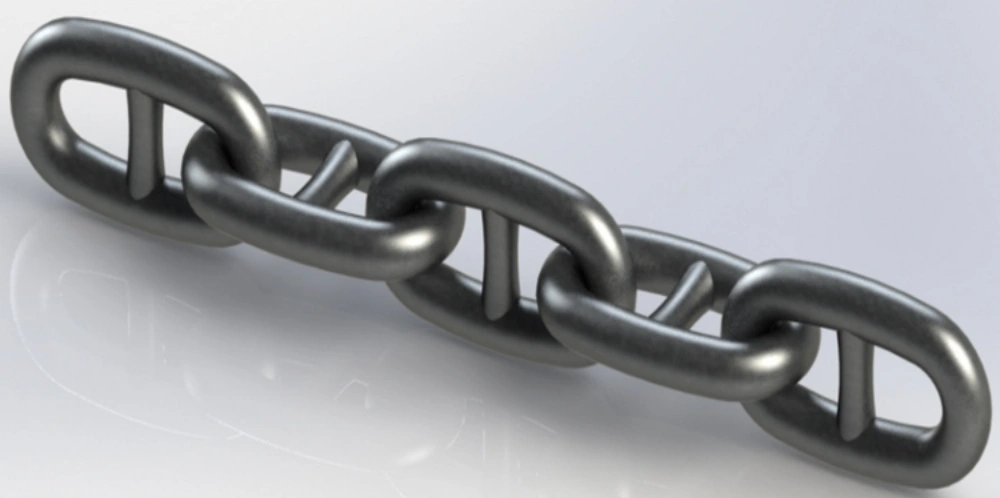
You must select the correct chain grade to ensure safety and compliance with cargo securement regulations. The right choice depends on your trailer type, load weight, and operating environment. Use this table to guide your decision:
Factor | Description |
|---|---|
Type of Trailer | Match the chain grade to the trailer’s weight class. |
Gross Trailer Weight (GTW) | Confirm the chain’s breaking strength exceeds the GTW. |
Chain Grade | Grade 30 and Grade 70 suit most trailer needs; Grade 80 and Grade 100 are for lifting only. |
Length and Fit | Choose a chain that fits without dragging or being too short. |
Hooks and Attachments | Use rated hooks for secure connections. |
Corrosion Resistance | Select chains with protective coatings for harsh conditions. |
Legal Requirements | Follow local laws for trailer chain specifications. |
Inspection and Maintenance | Check chains regularly for wear or damage. |
Load requirements and trailer type influence your choice. Grade 70 chains work well for securing loads during road transport. Grade 80 and Grade 100 chains are designed for overhead lifting. Always match the chain grade to your application for maximum safety.
Trailer Safety Chain Requirements
You must meet trailer safety chain requirements to comply with cargo securement regulations and protect your equipment. In the United States and Europe, these rules apply:
Safety chains must exceed the gross vehicle weight rating of the trailer.
Use at least two safety chains for every towed vehicle.
Cross the chains under the coupler to catch the tongue if it separates.
Attach chains to the towing vehicle frame, not the bumper.
Allow enough slack for turning, but prevent dragging.
Secure all connections with rated hardware.
Inspect chains for damage or defects before every trip.
Some states, such as California, enforce stricter rules for trailers over 1,500 lbs GVWR.
Following these trailer safety chain requirements ensures your setup meets cargo securement regulations and keeps your operation safe.
Powerful Machinery Product Selection Guide
You can rely on Powerful Machinery for certified chains that meet trailer safety chain requirements and cargo securement regulations. Follow these steps for proper selection:
Use equipment rated for your trailer’s weight and ensure the hitch is secure.
Choose components that match your load, avoiding welding the last link to the frame.
Select the correct chain length and use connecting links for adjustability.
Install chains using best practices to prevent damage.
Always use at least two chains and cross them under the trailer tongue.
Inspect your chains before every use to maintain safety.
Powerful Machinery offers a full range of Grade 30 and Grade 70 chains for trailer applications. Each product meets or exceeds industry standards for safety and performance. You can find detailed specifications and selection tips on the Powerful Machinery website.
Tip: Regular inspections and proper installation help you maintain compliance with trailer safety chain requirements and cargo securement regulations.
Safety Chain Inspections and Maintenance
Inspection Steps and Best Practices
You must prioritize safety chain inspections to protect your team and equipment. Start with an initial inspection when you receive new chains. This confirms the correct ratings and condition before use. Set a regular inspection schedule based on how often you use your chains and the environment.
For most industrial settings, follow this guideline:
Inspection Type | Frequency |
|---|---|
Periodic Inspection | At least every 12 months; increase to monthly or quarterly for severe service. |
Frequent Inspection | Before each shift or lifting application, always before use in harsh conditions. |
Initial Inspection | Upon receiving new chains to verify ratings and condition. |
Follow these best practices for every safety chain inspection:
Schedule inspections routinely, following industry standards and manufacturer recommendations.
Use qualified inspectors who understand safety requirements.
Perform a visual inspection to check for wear, deformation, corrosion, or irregularities.
Use tools like calipers or wear gauges for precise measurements.
Create a maintenance plan to address any issues found during inspection.
Tip: Never skip an inspection, even if the chain looks fine. Small issues can lead to major safety risks.
Verifying Markings and Compliance
You must verify chain markings during every inspection to ensure compliance. Look for clear, readable markings at regular intervals. Each chain should display the manufacturer’s identification, grade number, and safe working load (SWL).
These markings help prevent overloading and confirm that your chain meets industry standards.
Evidence Point | Description |
|---|---|
Clear Markings | Markings must be easy to read and not worn away. |
Regular Intervals | Markings should appear at consistent points along the chain. |
SWL Importance | SWL markings prevent overloading and ensure safety. |
Manufacturer Identification | Chains must show the maker, grade, and SWL. |
You can use barcode readers, RFID technology, or vision systems to verify markings and track compliance. These tools help you maintain accurate records and quickly identify any issues.
Maintenance for Longevity
Proper maintenance extends the life of your chains and supports ongoing safety. Clean chains with mild soap and water, then dry them before storage. Store chains in a dry, well-ventilated area, away from sunlight and chemicals. Always respect the rated load capacity and never exceed the specified limits.
Train your team in proper handling and rigging techniques. Use only certified chains that meet OSHA, ASME, and ANSI standards. Keep detailed records of all inspections and maintenance activities.
Neglecting maintenance can lead to undetected wear and unexpected failures. Routine safety chain inspections and maintenance keep your lifting operations reliable and compliant. Avoid common mistakes like skipping inspections, ignoring markings, or exceeding load limits.
You ensure safety and compliance by following these best practices with Powerful Machinery chains.
Conclusion
Understanding chain grades and markings keeps your lifting operations safe and efficient. You reduce risks by selecting the right chain, following compliance standards, and performing regular inspections. Choosing certified chains from Powerful Machinery means you invest in durability, reliability, and workplace safety.
Knowing chain grades helps you avoid costly mistakes and injuries.
Certified chains last longer and require less maintenance.
Ongoing training and expert advice build a strong safety culture.
Regular inspections and education protect your team and support long-term success.
FAQ
What does the working load limit mean for chains?
You use the working load limit to determine the maximum weight your chain can safely handle during lifting or securement. Always check the rating stamped on your chains. Never exceed this limit to avoid safety chain violations and ensure compliance with every securement program.
How do you identify the correct chain grade for lifting?
You look for the grade marking on each chain link. The grade tells you the strength and application suitability. Grade 80 and Grade 100 chains work for overhead lifting. Grade 30 chains are for general securement, not lifting. Always match the rating to your securement needs.
Why do DOT regulations matter for trailer safety chains?
You must follow DOT rules to avoid safety chain violations. These regulations set standards for chain rating, securement, and installation. DOT compliance ensures your chains meet the working load limit and securement requirements, protecting your equipment and preventing accidents during transport.
What are common causes of safety chain violations?
You risk violations when you use the wrong chain grade, exceed the working load limit, or miss regular inspections. Failing to follow the securement program or ignoring DOT requirements also leads to safety chain violations. Always check your chains for proper rating and securement.
How often should you inspect chains for securement and lifting?
You inspect chains before every use and follow a regular program for periodic checks. Look for wear, damage, or missing markings. Confirm that the working load limit and rating are visible. Frequent inspections help you avoid safety chain violations and maintain securement compliance.