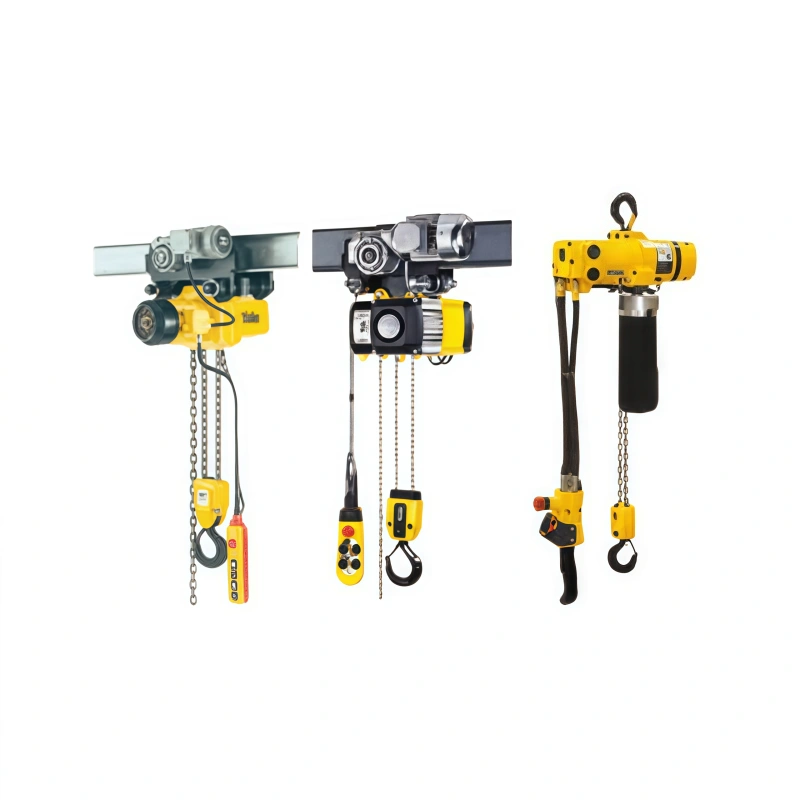
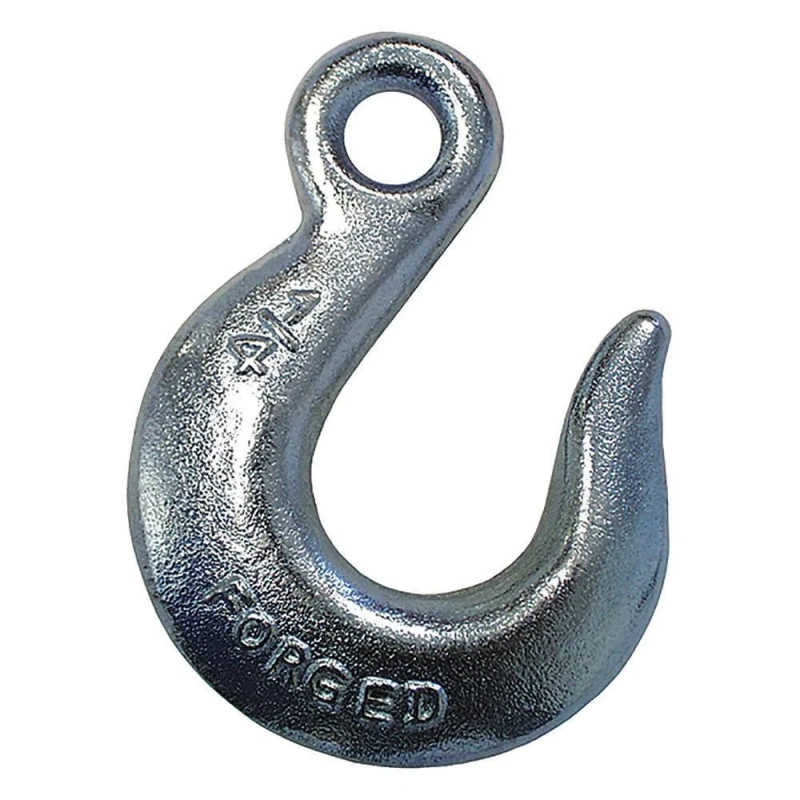
Choosing between a foundry hook vs slip hook depends on your specific lifting needs. Foundry hooks excel in high-heat environments, ensuring safety during demanding foundry operations. Slip hooks deliver efficiency for versatile lifting tasks across construction and logistics.
You can trust Powerful Machinery for certified lifting solutions that prioritize safety and reliability. The right hook improves operational safety and maximizes productivity.
Table: Recommended Uses
Type of Hook
Recommended Use
Foundry Hooks
High-heat applications in foundries for safety
Slip Hooks
Versatile lifting scenarios for efficiency
Key Takeaways
Foundry hooks are ideal for high-heat environments, providing safety and efficiency in demanding operations.
Slip hooks offer versatility for various lifting tasks, featuring a safety latch that prevents accidental disengagement.
Always check the working load limit (WLL) and certifications before using any hook to ensure safety and compliance.
Select the right hook type based on your specific lifting needs to maximize safety and operational efficiency.
Regularly inspect lifting hooks for wear and damage to maintain safety and performance in your operations.
What is a Foundry Hook?
Design Features
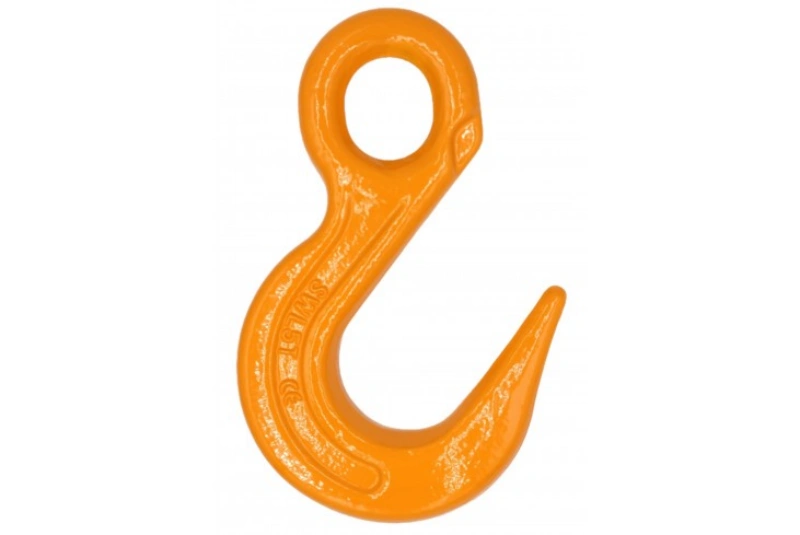
You encounter the foundry hook in environments where heat and heavy loads challenge ordinary lifting equipment. This hook stands out because it is designed for high-heat applications. You notice that it lacks a latch, which reduces risks when connecting or removing loads.
The wide, deep throat allows you to handle large molds and bulky items with ease. When you work with a foundry hook, you must consider tip loading, as it impacts the Working Load Limit (WLL).
Tip: Always check the WLL before lifting, especially in high-heat settings.
Material | Design Element |
|---|---|
Alloy Steel | No latch for safety |
High-heat application |
Powerful Machinery uses rigorous material selection to ensure durability and safety. You benefit from hooks that comply with international standards, including ASME B30.10, ISO 1834, and EN 1677. Each foundry hook undergoes proof load testing, bend tests, and visual inspections.
Non-destructive testing methods, such as magnetic particle inspection or ultrasonic testing, detect internal flaws before the hook reaches your hands.
Typical Uses
You rely on a foundry hook when you need to lift and move heavy, awkwardly shaped loads. These hooks excel in foundries, where you handle molten metal and large molds. You also find them useful in mining, construction, and shipping industries.
The absence of a latch makes them ideal for quick connections and releases in high-temperature environments.
Handling large molds in foundries
Moving bulky items in mining operations
Lifting heavy loads in construction and shipping
Advantages
You gain several advantages by choosing a foundry hook for your lifting tasks:
The wide, deep throat lets you secure large and awkward loads.
The no-latch design improves safety in high-heat environments.
Foundry hooks perform reliably in heavy-duty applications across demanding industries.
Powerful Machinery ensures you receive hooks that meet strict safety and quality standards. You can trust their expertise and commitment to reliable lifting solutions.
What are Slip Hooks?
Key Features
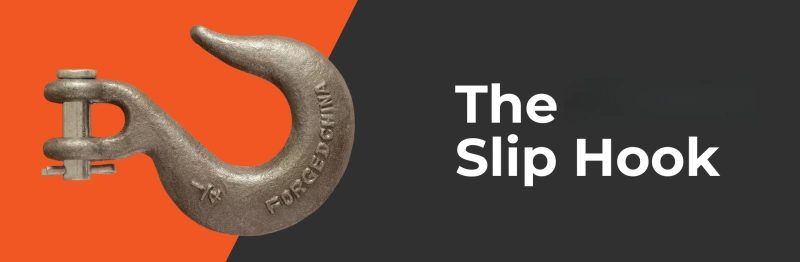
You rely on a slip hook when you need a robust and versatile tool for lifting and rigging. Powerful Machinery designs slip hooks with forged construction, which enhances strength and durability. The smooth, curved shape helps distribute load forces evenly, reducing stress on the hook and chain.
You benefit from a safety latch that prevents accidental disengagement, especially during dynamic lifting operations. Customization options allow you to select the right size, material, and finish for your specific needs.
Feature | Description |
|---|---|
Forged Construction | Increases strength and durability |
Load Distribution | Curved design spreads load forces, minimizing stress |
Safety Mechanism | Locking mechanism or spring-loaded latch prevents accidental disengagement |
Tip: Choose a slip hook with a safety latch for added security during lifting and towing.
Applications
You find slip hooks in many industries because they adapt to a wide range of tasks. Construction crews use them to lift beams and pipes with cranes. Transportation professionals secure cargo on trucks and trailers, adjusting chain lengths for safety.
Manufacturing teams move products along assembly lines, connecting and disconnecting loads quickly. Marine operators handle anchors and heavy gear on ships and docks. Farmers use slip hooks to tow or lift equipment and supplies.
Construction equipment
Transportation and cargo securing
Manufacturing and assembly lines
Marine operations
Agriculture and farm equipment
Safety and Certifications
You trust slip hooks from Powerful Machinery because they meet strict safety standards. The closed structure and safety latch keep loads secure, even when they shift during movement. These latches comply with OSHA requirements, providing reliable performance under heavy use.
Powerful Machinery slip hooks carry certifications such as ISO9001, TUV Rheinland, OSHA, EN 1677, and ASME B30.10. You gain confidence knowing your equipment meets international safety and quality standards.
Certification/Standard | Description |
|---|---|
ISO | International quality and safety assurance |
ASME | Mechanical engineering safety standards |
CE | European safety compliance |
EN13001-3-5:2016 | Crane and lifting equipment standard |
ANSI | North American safety and performance standards |
Note: Always verify certifications before selecting a slip hook for critical lifting tasks.
Foundry Hook vs Slip Hook: Key Differences
Design and Function
When you compare a foundry hook vs. a slip hook, you notice clear differences in their design and function. Foundry hooks belong to the grab hook family. They feature a wide, deep throat and lack a latch. This design allows you to connect and disconnect loads quickly, especially in high-heat environments.
Slip hooks, on the other hand, have a wider throat than grab hooks and include a safety latch. The latch keeps chains or ropes secure during lifting and prevents accidental release.
Hook Type | Design Feature |
|---|---|
Foundry Hook | A type of grab hook. |
Slip Hook | Has a wider throat than a grab hook and features a safety latch. |
You benefit from Powerful Machinery’s range of hooks, which includes both foundry hooks and slip hooks. Each hook is engineered for specific tasks, ensuring you get the right tool for your lifting needs.
Tip: Always match the hook design to your operational environment for maximum safety and efficiency.
Load Capacity and Safety
The foundry hook vs slip hook comparison extends to load capacity and safety. Foundry hooks are built for heavy-duty lifting in extreme conditions. You use them in foundries where heat and bulky loads challenge ordinary hooks. The absence of a latch is intentional.
Foundry hooks are designed for high-heat applications and are characterized by the lack of a latch. This design choice prevents hazards when you need to connect or disconnect loads quickly in extreme environments.
Slip hooks offer robust safety features. The safety latch secures the chain or rope inside the hook, reducing the risk of accidental unhooking.
You find slip hooks in Powerful Machinery’s product line, made from high-strength alloy steel and certified to meet international standards. These hooks handle loads ranging from 1 ton to 20 tons, giving you flexibility for various lifting tasks.
Note: Always check the working load limit (WLL) and certifications before using any hook for critical lifting operations.
Application Scenarios
You see the foundry hook vs slip hook debate play out in real-world applications. Foundry hooks excel in foundries, mining, and construction sites where you lift large molds or heavy materials in high-heat settings. You choose them when speed and safety are essential, and you need to avoid latch-related hazards.
Slip hooks adapt to a wider range of scenarios. You use them in construction, transportation, manufacturing, marine, and agriculture. The safety latch makes slip hooks ideal for dynamic lifting, towing, and securing cargo.
Powerful Machinery offers slip hooks in clevis, eye, swivel, and self-locking designs, so you can select the best option for your project.
Foundry hooks: High-heat environments, quick load changes, heavy-duty lifting.
Slip hooks: Versatile lifting, cargo securing, towing, and marine operations.
Callout: Powerful Machinery’s certified hooks give you confidence in every lift, whether you work in a foundry or on a construction site.
You make the right choice by understanding the differences between a foundry hook and a slip hook. Each hook serves a unique purpose, and Powerful Machinery’s product range ensures you find the perfect fit for your lifting requirements.
Choosing the Right Hook
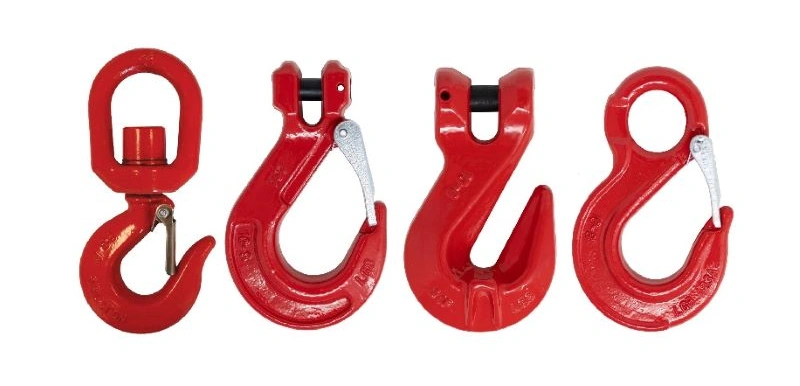
Decision Factors
Selecting the right lifting hooks for your operation requires careful attention to several important factors. You want to ensure safety, efficiency, and compliance with industry standards. Consider the following when making your choice:
Load capacity: Always choose lifting hooks with a working load limit (WLL) that exceeds the maximum weight you plan to lift. This includes any dynamic forces that may occur during overhead lifting applications.
Material strength and forging quality: Look for hooks made from high-strength alloy steel. This material offers durability and resists fatigue, especially in demanding environments.
Hook geometry and rigging alignment: Proper hook shape and alignment prevent uneven stress and reduce the risk of failure. The right geometry ensures safe load distribution.
Corrosion-resistant coatings: Select hooks with protective finishes if you work in environments exposed to moisture, chemicals, or extreme temperatures.
Regulatory compliance: Verify that your lifting hooks meet recognized safety standards, such as ASME, ISO, or EN certifications. Compliance ensures reliability and helps you avoid costly fines.
Type of hook: Match the hook design to your specific task. Foundry hooks work best in high-heat settings, while slip hooks offer versatility for overhead lifting applications and cargo securing.
Ease of maintenance: Choose hooks designed for easy inspection and servicing. This reduces downtime and keeps your operation running smoothly.
Environmental factors: Consider real-world conditions, such as exposure to molten materials or thermal cycling, that may affect hook performance.
Tip: Consulting with Powerful Machinery gives you access to expert advice and custom-engineered solutions tailored to your unique lifting challenges.
Practical Examples
You can see how these decision factors apply in real-world scenarios:
In a steel foundry, you use foundry hooks to lift large molds in high-temperature zones. The no-latch design allows quick connections and releases, improving workflow and safety.
On a construction site, you rely on slip hooks for overhead lifting applications. The safety latch keeps chains secure while you move beams or heavy equipment.
In marine operations, you select corrosion-resistant slip hooks to handle anchors and cargo. The robust construction withstands saltwater exposure and heavy loads.
For transportation and logistics, you use lifting hooks with certified load ratings to secure cargo on trucks. The right hook prevents shifting and ensures safe delivery.
Note: Each industry has unique requirements. Powerful Machinery offers a wide range of lifting hooks, including custom options, to meet your specific needs.
Tips for Safe Use
You can maximize safety and performance by following these best practices:
Inspect lifting hooks before each use. Look for signs of wear, deformation, or corrosion.
Never exceed the rated working load limit. Overloading increases the risk of accidents.
Use the correct hook for the job. Match the hook type to the load, environment, and frequency of use.
Ensure proper rigging alignment. Avoid side-loading or tip-loading, which can weaken the hook.
Keep hooks clean and free from debris. Dirt and rust can compromise performance.
Replace damaged or worn hooks immediately. Do not attempt repairs unless you have proper training and equipment.
Store hooks in a dry, secure location when not in use.
Stay updated on industry standards and regulations. Regular training helps you maintain safe lifting practices.
Callout: When in doubt, reach out to Powerful Machinery for guidance. Their team can help you select the right lifting hooks and provide ongoing support for your lifting operations.
Difference Between Grab Hooks and Slip Hooks
Grab Hook Features
You encounter grab hooks when you need to shorten chains or secure loads tightly. The unique throat design prevents the chain from slipping through the hook, giving you precise control over chain length.
Grab hooks allow you to bind loads securely, making them ideal for stable lifting situations. You can choose single grab hooks for light to medium loads or double grab hooks for heavy-duty applications.
Feature | Impact on Use |
|---|---|
Unique throat design | Prevents the chain from slipping through the hook |
Chain shortening capability | Allows for adjustments in chain length |
Load securing | Ensures tight binding of loads |
Single grab hooks | Suitable for light to medium loads |
Double grab hooks | Designed for heavy-duty applications |
Powerful Machinery engineers grab hooks specifically for Grade 43 chains. Using the correct chain grade ensures safe and reliable performance. You avoid equipment failure by matching grab hooks with the proper chain.
When to Use Each?
You need to understand the difference between grab hooks and slip hooks to select the right tool for your job. Grab hooks work best when you want to shorten chains or bind loads with precision. You use them for pulling or dragging materials and making quick adjustments.
Slip hooks, on the other hand, excel in overhead lifting and cargo handling. Their safety latch secures the load even if the chain slackens or the angle changes. You rely on slip hooks in dynamic environments where loads may shift unexpectedly.
Grab hooks: Best for shortening chains or binding loads with precision in stable lifting situations. You use them for pulling or dragging materials and quick adjustments.
Slip hooks: Preferred for overhead lifting and cargo handling. The safety latch keeps the load secure, even if the chain slackens or shifts.
You see the difference between grab hooks and slip hooks in their compatibility with chain grades. Grab hooks fit Grade 43 chains, while slip hooks offer versatility with Grade 80 and Grade 100 chains. Powerful Machinery provides both types, ensuring you find the right hook for your chain and lifting requirements.
Hook Type | Compatible Chain Grades |
|---|---|
Grab Hook | Grade 43 |
Slip Hook | Grade 80, Grade 100 |
Tip: Always match your hook type to the chain grade and application. This practice maximizes safety and efficiency.
You gain confidence by choosing hooks from Powerful Machinery. Their range covers grab hooks and slip hooks, each designed for specific tasks and chain compatibility. Understanding the difference between grab hooks and slip hooks helps you make informed decisions for every lifting operation.
Conclusion
You need to choose the right hook for each lifting task. The table below highlights the main differences and uses:
Hook Type | Characteristics | Applications |
|---|---|---|
Foundry Hook | A type of grab hook. | Used in rigging and lifting. |
Grab Hook | Typically lacks a safety latch; can include other types. | General lifting applications. |
Slip Hook | Features a wider throat and includes a safety latch. | Secure lifting operations. |
You improve safety and efficiency by selecting hooks that match your needs and by performing regular hook inspections. Consult certified lifting solution providers to ensure compliance with industry standards and safe operations.
Powerful Machinery offers certified products, expert support, and reliable solutions for every rigging challenge. Reach out to their technical team for guidance on your next project.
FAQ
What is the main difference between slip hooks and grab hooks?
You use slip hooks when you need flexibility in chain movement during overhead lifting. Grab hooks secure a chain link, preventing movement. Both hook types serve unique rigging purposes. Powerful Machinery offers certified options for every rigging scenario.
How do you select the right hook for overhead lifting?
You match the hook’s working load limit to your load. You check certifications and choose the correct clevis or eye hook for your rigging setup. You consult experts at Powerful Machinery for custom solutions that fit your overhead lifting requirements.
Why is a safety latch important on slip hooks?
You rely on a safety latch to prevent accidental release during overhead lifting. The latch keeps chains or ropes secure. You improve rigging safety and efficiency by using slip hooks with latches from Powerful Machinery.
What is a clevis hook, and when should you use it?
You use a clevis hook for quick connections in rigging. The clevis pin allows easy attachment to chains or slings. You choose clevis hooks for overhead lifting, transportation, and construction tasks where secure connections matter.
Can you use slip hooks for marine rigging?
You use slip hooks for marine rigging because they resist corrosion and handle heavy loads. You select slip hooks with proper certifications for overhead lifting and cargo handling on ships. Powerful Machinery provides marine-grade hooks for demanding environments.