You must follow OSHA requirements for sling and rigging equipment inspection to keep your workplace safe. OSHA demands you check all equipment before first use, perform frequent inspections, and schedule periodic checks. Initial inspection confirms new equipment meets OSHA safety standards.
Frequent inspection helps you catch problems early and avoid safety risks. Periodic inspection and proper documentation show your commitment to safety and compliance. Powerful Machinery supplies certified equipment that meets or exceeds OSHA and asme safety rules.
You can trust our equipment for reliable performance in every safety-critical application.
Key Takeaways
Inspect slings and rigging equipment before each use to catch issues early and ensure safety.
Schedule periodic inspections at least once a year, or more frequently if equipment operates under severe conditions.
Document all inspections to prove compliance with OSHA and ASME standards, which helps during audits.
Train qualified personnel to conduct inspections, ensuring they understand safety standards and hazard recognition.
Consider third-party inspection services for unbiased evaluations and expert compliance support.
Slings and Rigging Equipment Inspection: OSHA and ASME Standards
Key OSHA and ASME Requirements
You need to understand the critical requirements for slings and rigging equipment inspection. OSHA and ASME standards set clear expectations for how often you must inspect your equipment to maintain safety and compliance.
OSHA 1910.184 and ASME B30.9 outline the minimum inspection intervals and the factors that determine how frequently you should check your equipment.
OSHA and ASME require you to perform documented periodic inspections of all lifting and rigging equipment at least every 12 months.
If your equipment operates under severe service conditions, you must inspect it monthly or quarterly.
Inspection frequency depends on:
How often do you use the equipment?
The severity of the service conditions
The type of lifts or load-handling activities
Your experience with similar equipment
ASME defines service types for inspection intervals:
Normal service: Yearly inspections
Severe service: Monthly to quarterly inspections
Special service: As recommended by a qualified person
Normal service involves loads within the rated capacity. Severe service means abnormal operating conditions. Special service covers unique situations that require expert judgment.
By following these requirements, you help prevent accidents and ensure your workplace meets all safety and compliance standards.
Tip: Always document your inspections. Proper records prove your commitment to safety and help you pass audits with confidence.
Powerful Machinery’s Commitment to Safety
You can trust Powerful Machinery to deliver slings and rigging equipment that meets or exceeds all OSHA and ASME standards. The company’s products carry certifications from leading international bodies, including ISO9001, TUV Rheinland, and OSHA.
Powerful Machinery’s rigorous testing and quality control ensure every piece of equipment supports your safety goals.
Benefit | Description |
|---|---|
Safety | You identify hidden cracks or weak splices before accidents happen. |
Compliance | You meet OSHA and ASME requirements and have proof of testing. |
Downtime Prevention | You reduce the risk of project delays from equipment failure. |
Equipment Life | You detect early wear, allowing timely repairs or replacements to extend equipment lifespan. |
You gain peace of mind knowing your equipment inspection routines align with the highest safety and compliance standards. Powerful Machinery stands as your partner in building a safer, more reliable workplace.
Types of Inspections and Inspection Intervals
Initial Inspection for New Equipment
You must start every sling and rigging equipment inspection with an initial check. This inspection happens when you receive new equipment or after you repair or modify it.
The goal is to confirm that the equipment meets all OSHA requirements and manufacturer specifications before you put it into service. You need to verify load ratings, inspect for visible damage, and check for proper identification tags.
A competent or qualified person, as defined by OSHA, should conduct this inspection. This step ensures you do not miss any defects that could affect safety during lifting operations. You should never skip the initial inspection, as it sets the foundation for operating the crane safely and maintaining compliance.
Tip: Always document your initial inspection results. This record proves you followed OSHA and ASME requirements from the start.
Frequent Inspection for Daily Safety
Frequent inspections are your first line of defense against equipment failure. You must perform these checks before each shift, before every lift, or whenever you change the lifting application.
Crew members who use the equipment daily are responsible for these inspections. They look for obvious signs of wear, broken wires, bent hooks, or other visible damage.
Frequent inspections are especially important for mobile crane inspections and when operating the crane safely in harsh environments. Daily checks help you catch problems early, reducing the risk of accidents and downtime.
You should always follow OSHA requirements for frequent inspections, especially if you use the equipment in severe service conditions.
Regular proof testing during frequent inspections can reveal hidden flaws. This process helps you identify issues before they lead to equipment failure. By making these inspections part of your routine, you extend the life of your slings and rigging hardware and improve overall safety.
Periodic Inspection and Documentation
Periodic inspections are more detailed and must be performed by a certified inspector. OSHA and ASME require you to conduct these inspections at least once every 12 months for normal service. If you use your equipment in severe conditions, you may need to inspect it monthly or quarterly.
The inspection frequency depends on how often you use the equipment, the environment, and the type of lifts you perform.
Here is a summary of recommended intervals for different types of inspections:
Inspection Type | Frequency |
|---|---|
Periodic Inspection | Minimum every 12 months; more frequent (monthly to quarterly) for severe service conditions. |
Frequent Inspection | Recommended before any change in shift or lifting application; before each use for severe service. |
Initial Inspection | Conducted upon receiving new rigging products to ensure proper ratings and conditions. |
You must keep detailed records of every periodic inspection. These records show your commitment to safety and help you meet OSHA requirements during audits. Documentation also supports the crane inspection process and proves you are conducting a thorough crane inspection as required.
Powerful Machinery supports your inspection routines with maintenance programs, inspection protocols, and compliance management tools. These services help you stay on top of your inspection schedule and maintain a safe work environment.
Crane Inspection Requirements
Crane inspection requirements are strict because cranes handle heavy loads and operate in challenging environments. You must follow OSHA and asme standards for all mobile crane inspections and related rigging hardware. The crane inspection process includes both frequent and periodic inspections.
Here is a quick reference for crane inspection requirements:
Inspection Type | Frequency |
|---|---|
Frequent Inspection | Daily to monthly intervals |
Periodic Inspection | 1 to 12-month intervals |
You must conduct daily inspections before using the crane. These checks help you spot problems that could affect safety. For periodic inspections, a certified inspector must review all components, including slings, hooks, and wire ropes. The annual crane inspection is a key part of this process.
You must also perform crane load testing at regular intervals to verify that the equipment can handle rated loads.
Mobile crane inspections require special attention. You need to consider usage frequency, environmental conditions, and the nature of the lifts. If you operate in extreme temperatures, high moisture, or chemical exposure, you must increase your inspection frequency.
Regular monitoring and documentation are essential for compliance and safety.
Powerful Machinery provides support for all your crane inspection requirements. You can rely on our certified products and expert guidance to help you with mobile crane inspections, crane load testing, and conducting a thorough crane inspection.
Our team helps you meet OSHA requirements and ensures you are operating the crane safely every day.
Note: Routine mobile crane inspections and proper crane load testing are critical for preventing failures and protecting your team.
Compliance, Documentation, and Safety Best Practices
Record-Keeping for Periodic Inspections
You must follow strict OSHA and ASME requirements for documentation when inspecting slings and rigging hardware. Record keeping and documentation play a vital role in maintaining safety and passing audits.
OSHA mandates documented periodic inspections for chain slings, while wire rope and synthetic slings require inspections but do not need individual records. Rigging hardware inspections are required, but documentation is not mandatory.
You should keep a record of the most recent thorough inspection for each piece of equipment. Inspections must occur at least once every 12 months, with more frequent checks based on usage and service conditions.
Tip: Good documentation helps you track equipment history, identify common hazards and how to avoid them, and prove compliance during OSHA crane compliance audits.
Common compliance issues include missing or illegible identification tags, damage to synthetic slings, broken wires, corrosion, and deformation to wire rope. You must remove any equipment with these hazards from service immediately. Homemade or unmarked below-the-hook devices also violate ASME requirements.
Training and Competency for OSHA Compliance
You need qualified personnel to inspect slings, rigging hardware, and crane equipment. OSHA requires that inspectors understand proper rigging selection, inspection techniques, load ratings, safe handling, and hazard awareness.
Qualified inspectors must know how to spot common hazards and how to avoid them during crane operations. Training combines classroom instruction with hands-on exercises, ensuring you gain experience with real equipment and hazards.
Training Aspect | Impact on Compliance and Safety |
|---|---|
Proper Rigging Selection | Ensures correct load types and lifting conditions |
Inspection Techniques | Improves knowledge of what to look for during inspections |
Load Ratings and Limits | Helps understand weight limits and rigging angles |
Safe Handling and Hazard Awareness | Increases recognition of risks in rigging setups |
Storage and Maintenance | Maintains equipment in good condition, reducing failures |
Courses for qualified inspectors range from four-hour introductory sessions to two-day comprehensive programs. Accredited organizations offer training tailored to your needs, covering both theory and practical skills. Documented training ensures your team meets OSHA requirements and maintains safety standards.
Powerful Machinery’s Safety Solutions
You can rely on Powerful Machinery to support your safety and compliance goals. The company provides certified crane equipment, detailed inspection protocols, and ongoing training resources for qualified personnel.
Powerful Machinery’s products meet or exceed OSHA and ASME requirements, helping you maintain record-keeping and documentation for every inspection. The team offers expert guidance on identifying hazards, conducting thorough inspections, and ensuring your workplace remains safe.
You benefit from reliable equipment, proven safety solutions, and support for all your crane inspection needs.
Rigging Inspection Services and Third-Party Benefits
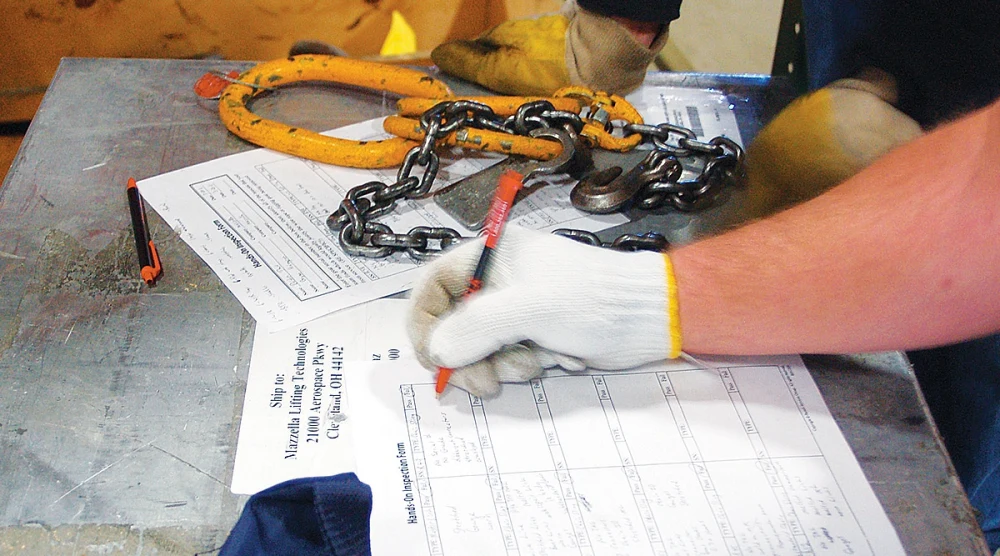
When to Use Third-Party Services?
You may need third-party inspection services when your team lacks confidence in OSHA and ASME standards or when resources are stretched thin. Facilities with extensive crane and rigging equipment often struggle to meet inspection frequencies.
Companies facing additional internal standards or state-specific regulations benefit from using a third-party inspector. You should also consider these services if you cannot dedicate proper time to inspections and documentation.
A qualified mobile crane inspector from an independent provider ensures unbiased evaluations and thorough documentation.
Tip: Choose a third-party company that employs certified inspectors and provides clear inspection records for OSHA compliance.
Advantages of Certified Rigging Inspection Services
Certified rigging inspection services offer several benefits over in-house inspections. You gain independent verification, advanced testing, and specialized expertise. These services help you maintain compliance and improve safety.
The benefits of using a third-party inspector include early detection of issues, reduced costs, and enhanced brand reputation.
Benefit | Description |
|---|---|
Ensuring Product Quality and Safety | Third-party inspections identify defects and non-compliance issues before products reach the market, minimizing risks. |
Reducing Costs Through Early Detection | Early issue detection saves costs by preventing larger problems, such as recalls and legal penalties. |
Enhancing Brand Reputation and Satisfaction | Demonstrates commitment to quality, leading to increased customer trust and loyalty. |
Comparing in-house inspections to certified rigging inspection services shows clear advantages:
Aspect | In-House Inspections | Certified Rigging Inspection Services |
|---|---|---|
Control | Direct control over inspections | Independent, specialized services |
Compliance | May lack independent verification | Engaged for compliance audits and advanced testing |
Expertise | Varies based on internal team capabilities | Often possess specialized knowledge and experience |
Regular third-party inspections provide unbiased evaluations, maintain operational continuity, and verify equipment quality. These benefits contribute to long-term safety improvements and help you meet osha requirements for crane operations.
Powerful Machinery’s Support for Inspection Needs
You can rely on Powerful Machinery for expert support in rigging inspection services. The company offers inspection for rigging systems, wire ropes, lifting equipment, hoists, and lifting chains.
A qualified mobile crane inspector from Powerful Machinery ensures your equipment meets OSHA standards and safety requirements. The team provides detailed documentation and proactive scheduling, helping you maintain compliance and operational efficiency.
Clients such as SDI Pittsborough, Progress Rail Muncie, and General Motors trust Powerful Machinery for reliable crane and rigging inspection solutions. You benefit from comprehensive support, proven expertise, and a commitment to safety in every inspection.
Conclusion
You must follow OSHA and ASME rules for slings and rigging hardware.
Inspect every piece before delivery.
Check your crane and rigging gear before each use.
Schedule periodic crane inspections based on service conditions.
Inspection Practice | Impact on Safety |
|---|---|
Regular crane inspection | Finds problems before they cause accidents |
Documented periodic checks | Keeps your team safe and your crane ready |
Regular crane inspections and proper records improve safety and help you avoid downtime. Choose Powerful Machinery’s certified products and support for reliable crane safety. Third-party inspection services add expertise and keep your crane operations compliant.
FAQ
How often should you inspect your crane and rigging hardware?
You should inspect your crane and rigging hardware before each use and schedule periodic inspections at least once every 12 months. If you use your crane in severe conditions, increase the inspection frequency to monthly or quarterly.
Who can perform a crane inspection?
A qualified person must perform a crane inspection. This person understands crane operation, rigging hardware, and safety standards. You should always verify the inspector’s credentials before allowing them to check your crane.
What are common signs of crane or rigging hardware failure?
You may notice broken wires, bent hooks, worn chains, or damaged slings. Cracks, corrosion, and missing identification tags also signal problems. Remove any faulty crane equipment from service immediately to protect your team.
Why is documentation important for crane inspections?
Documentation proves you completed each crane inspection and followed safety standards. You need these records for audits and compliance. Good documentation helps you track the history of your crane and plan maintenance.
Can third-party services help with crane inspection?
Third-party services provide unbiased crane inspections and detailed reports. You benefit from expert evaluations, advanced testing, and improved compliance. Many companies trust third-party inspectors to keep their crane operations safe and reliable.