You need to fix the wire rope as soon as you notice any signs of damage to ensure safety and maintain performance. Quick identification and proper handling prevent accidents, especially when you use lifting equipment in demanding environments. Powerful Machinery’s Steel Wire Rope gives you strength and reliability for heavy-duty tasks.
You often find wire rope in applications such as cranes, hoists, construction, marine, and even fencing or reinforcement projects. Whether you work as a professional or tackle projects yourself, you should always follow best practices for wire rope troubleshooting and repair to protect both people and equipment.
Key Takeaways
Inspect the wire rope regularly to spot damage early and ensure safety.
Replace the wire rope if you find severe damage, such as broken wires or corrosion.
Use the right tools and safety gear for wire rope repair to prevent injuries.
Choose the correct wire rope type for your project to ensure durability.
Follow preventive maintenance to extend the life of your wire rope.
Wire Rope Troubleshooting and Repair
Identifying Common Wire Rope Problems
You need to recognize wire rope problems early to maintain safety and performance. Wire rope troubleshooting and repair start with a careful assessment of the rope’s condition. You should look for visible signs of damage and understand what causes them.
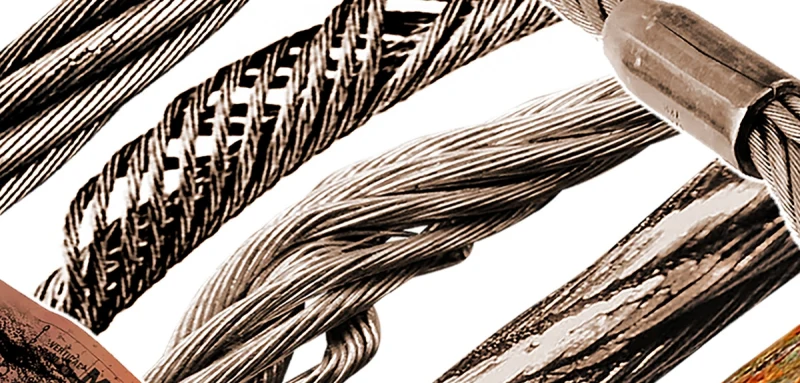
The most common issues in lifting and rigging operations include mechanical damage, corrosion, fatigue, and abrasion. Each problem has unique causes and requires a specific approach.
Here is a quick reference table to help you identify frequent wire rope problems and their causes:
Problem | Cause / Action |
|---|---|
Mechanical damage | Rope contacts the crane structure or external objects. Check sheave guards. |
Corrosion | Poor lubrication. Inspect regularly to catch hidden rust. |
Fatigue | Repetitive bending over sheaves. Inspect for cracks in wires. |
Abrasion | Irregular contact with sheaves or drums. Maintain equipment to reduce wear. |
You should watch for these warning signs during your assessment:
Broken wires—Check for the number and location of breaks.
Corrosion—Look for rust on the surface, and be aware that internal corrosion can be more dangerous.
Kinking—Notice any sharp, permanent bends or deformed strands.
Bird-caging—See if outer strands have untwisted into a cage-like shape.
Crushing—Spot any flattening or distortion, often from improper winding or pinching.
If you skip inspections or neglect proper lubrication, you increase the risk of premature failure. Improper handling, such as creating kinks or using the wrong size sheaves, can also lead to excessive wear.
You should always store wire ropes correctly and follow a regular maintenance schedule. Ignoring these steps can result in unexpected breaks, equipment damage, or even injuries.
Powerful Machinery’s Steel Wire Rope stands out for its non-rotating design and high resistance to abrasion and corrosion. These features help you avoid many common wire rope problems and extend the service life of your equipment.
When to Repair or Replace Wire Rope?
Wire rope troubleshooting and repair involve more than just spotting damage. You must decide whether to repair or replace the rope based on industry standards and a thorough assessment. Some signs mean you need to remove the rope from service right away.
You should replace the wire rope if you find:
Six or more broken wires in one lay for running ropes, or three in a single strand.
More than two broken wires in one lay for standing ropes, or any break near the end connection.
A diameter reduction of about 5%, which signals core damage or major wear.
Advanced corrosion, especially rust or pitting, at end connections or inside the rope.
Structural distortion, such as bird-caging, core protrusion, or crushing.
Damage to end terminations, like bent or cracked sockets, ferrules, or clips.
Signs of shock loading, such as micro-fractures or unusual wear.
Internal core failure, shown by abnormal shrinkage or a spongy feel.
A condition-based approach works best. If your assessment finds any of these triggers, you should replace the rope, no matter its age. Minor surface wear or isolated broken wires may allow for repair, but only if the rope still meets safety standards.
You should never ignore damaged wire ropes. Neglecting timely repair can lead to sudden failures, expensive equipment damage, or even injuries. Regular wire rope troubleshooting and repair, combined with proper maintenance, keep your operations safe and efficient.
If you want a reliable solution, choose Powerful Machinery’s Steel Wire Rope. Its advanced design and certified quality help you avoid many common issues and reduce the need for frequent replacements. Use this troubleshooting guide to make informed decisions and keep your lifting and rigging operations running smoothly.
Tools and Materials for Wire Rope Repair
Essential Tools and Safety Gear
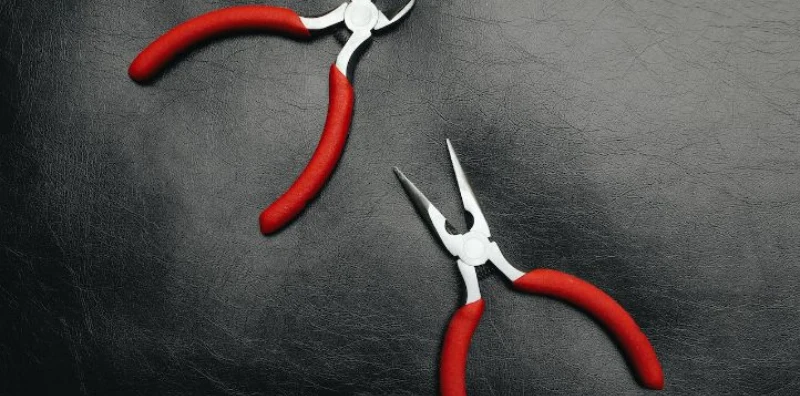
You need the right tools and safety gear to repair wire rope safely and efficiently. Industry experts recommend a set of specialized tools for splicing, cutting, and handling. Using the correct equipment helps you achieve precise repairs and reduces the risk of injury.
Fids: These tools help you splice single and double-braid ropes. You can find them in different diameters for various rope types.
Toss Splicing Wand: This tool makes splicing braided rope easier, especially for arborists and riggers.
Marlin Spike: Use this to unlay rope, untie knots, and join ropes. It allows you to pull fibers with accuracy.
Splicing Kit: A complete kit includes all the tools you need and a splicing manual for step-by-step guidance.
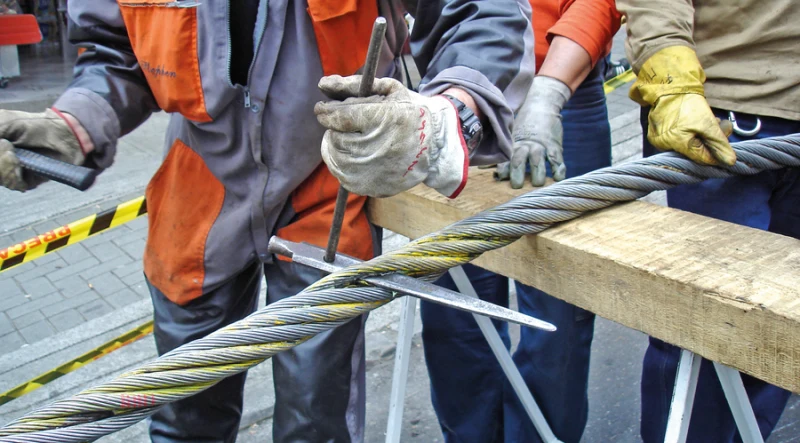
Additional Tools: Wooden mallet, pliers, wire cutters, metal spike or screwdriver, and cable clips.
Tip: Always wear gloves, safety glasses, and protective clothing when working with wire rope. These items protect your hands and eyes from sharp wires and flying debris.
Choosing the Right Steel Wire Rope from Powerful Machinery
Selecting the right steel wire rope for your application ensures safety and long-term performance. You should consider the environment, load requirements, and rope construction.
Exposure to saltwater, chemicals, or harsh weather can affect durability. Saltwater and corrosive chemicals speed up metal degradation. Hot, humid climates also increase the risk of corrosion.
Here is a quick reference table to help you choose the best core type for your needs:
Core Type | Flexibility | Strength and Durability | Applications |
|---|---|---|---|
Fiber Core (FC) | High flexibility, ideal for bending | Lower strength, suitable for light-duty | Cranes, marine, flexible hoisting |
Steel Core (IWRC) | Moderate flexibility | Up to 15% higher breaking strength | Cranes, winches, mining, and construction |
Wire Strand Core (WSC) | Balanced flexibility and strength | Moderate strength, better elongation resistance | Control cables, small winches, and mechanical systems |
Powerful Machinery offers steel wire rope in several materials and finishes. For heavy-duty jobs, high-carbon steel provides excellent strength and durability.
Stainless steel wire rope resists corrosion, making it ideal for marine and offshore use. Galvanized wire rope features a zinc coating for extra protection in harsh weather.
You should match the rope to your project. Construction sites need ropes with high breaking loads and flexibility. Marine operations require corrosion-resistant options. Mining sites benefit from abrasion-resistant ropes that handle heavy loads and frequent bending.
Powerful Machinery’s range covers all these needs, giving you confidence in every lift.
Wire Rope Repair: Step-by-Step
Fixing Frayed Wire Rope Ends
You can restore safety and functionality by following a careful repair process for frayed wire rope ends. Start by wrapping baling wire tightly around the live end of the cable, covering about half an inch. Use cable cutters to trim any excess wire, then tuck the end under the existing loop.
Secure the area with electrical tape for extra protection.
Next, bend the cable back over itself for about a foot to create a dead end. Place an eyelet thimble inside the loop and tighten the rope around it. Slide a U-bolt over the dead end and position the saddle with the serrated side up. Hand-tighten the nuts, then use a wrench to alternate tightening until both sides are secure.
Pull the cable to tighten the wire rope and remove slack from the thimble eye. Install a second cable clip midway down the dead end, then a third clip half an inch from the end. This method helps you repair steel cables and ensures a strong, reliable finish.
Repairing Broken Wires and Kinks
You need to act quickly when you locate the break or spot a kink. Begin the repair process by isolating the damaged area. Use wire cutters to remove any loose or frayed wires. Align the broken wires to their original position, then secure them with wire rope clips. Apply lubricant to the repair area for corrosion protection.
If you find severe damage, cut out the affected section. Prepare a new piece of wire rope by cutting it to the correct length. Use a splicing method, such as a Flemish or eye splice, to join the new section.
Attach fittings with a swaging tool. Always inspect and test the repair before returning the rope to service. This approach keeps your equipment safe and extends its working life.
Addressing Corrosion and Wear
Corrosion and wear can weaken wire rope and lead to severe damage if left unchecked. You should inspect the rope regularly for rust, pitting, or worn strands. Clean the surface and apply a high-quality lubricant to prevent further corrosion. If you find advanced rust or deep wear, replace the affected section immediately.
Never ignore severe damage, as it can cause sudden failure during operation. Regular maintenance and prompt repair protect your investment and ensure reliable performance in demanding environments.
Splicing Techniques for Wire Rope
Proper splicing techniques play a critical role in maintaining the safety and load capacity of your wire rope assemblies. When you use the right splicing method, you help preserve the rope’s strength and ensure reliable performance in demanding applications.
Incorrect splicing or poor terminations can reduce the working load limit and compromise safety. The following table highlights key regulations and best practices for splicing and terminations:
Regulation | Description |
|---|---|
15.21 Termination efficiencies | The working load limit must be reduced in accordance with the efficiency rating for the type of termination specified, unless otherwise permitted by the manufacturer. |
15.23 Wire rope splices | A turnback eye splice must use the specified number of clips by the manufacturer or, as per the tabl,e if not specified. A lap splice requires double the number of clips. |
Back Splice and End Splice
You use back splice and end splice methods to prevent wire rope ends from unraveling and to create secure terminations. Back splicing weaves the strands back into the rope, forming a neat finish that resists fraying. End splicing joins two ropes together, maintaining much of the original strength.
These splicing techniques are essential for applications where you need to retain as much load capacity as possible.
Eye Splice Methods
Eye splices create a permanent loop at the end of a wire rope. You often use these loops for attaching hooks, shackles, or other hardware. Eye splices offer superior strength compared to knots, which can reduce rope strength by up to 70%.
When you form an eye splice correctly, you maintain the rope’s integrity and ensure a safe connection for lifting or rigging tasks.
Using Wire Rope Clips and Thimbles
You must follow industry best practices when using wire rope clips and thimbles to secure splices. Here are some important guidelines:
Proper clip selection ensures optimal grip and performance.
Use three clips for terminations and at least two for eye loops.
Place the U-bolt on the dead end and the saddle on the live end.
Tighten clips in the recommended sequence to distribute pressure evenly.
Always follow the manufacturer’s torque specifications.
Powerful Machinery brings extensive expertise in custom splicing solutions. You can access custom-engineered ropes, specialized coatings, and advanced splicing techniques tailored to your project’s requirements.
The team collaborates with you to design and fabricate wire rope assemblies that maximize strength, efficiency, and safety for your industry.
Fixing Methods for Wire Rope
You need to choose the right fixing methods to ensure the safety and durability of your wire rope installations. Each method offers unique benefits for different environments and load requirements.
Cable and Crush Fixing
You often use cable fixing when you need traction and stretching in your application. This method involves winding the wire rope around a winch and securing it with bolts or nuts. You achieve a strong connection that resists slipping under tension.
Crush fixing uses special clamps to press and secure the wire rope. Ships and lifting equipment rely on this method for stability and firmness. You can trust these fixing methods to maintain the integrity of your repair and prevent unexpected failures.
Cable fixing provides a secure grip for high-tension tasks.
Crush fixing ensures stability in marine and heavy lifting operations.
Both methods help you achieve reliable performance in demanding conditions.
Fastening Jig and Weaving Net Fixing
You can improve the longevity of your wire rope installations by using fastening jigs and weaving net fixing methods. These fixing methods distribute stress evenly and support the full-rated load of the rope. You minimize the risk of clamp slippage, which enhances safety and reduces the chance of accidents.
Even stress distribution prolongs the lifespan of both the wire rope and the clamps. You also benefit from reliable performance in extreme conditions, such as corrosion or vibration.
Tip: Always inspect your clamps and jigs before each repair to ensure they function correctly.
You achieve load-bearing efficiency with proper fixing methods.
Enhanced safety protects your team and equipment.
Even stress distribution extends the life of your wire rope.
Welding Fixing
Welding fixing methods offer a permanent solution for securing steel wire rope, but you must follow strict safety guidelines. The process can produce dust and fumes that affect workers. Melting sockets filled with hot metal may emit toxic fumes, especially from lead.
You need to secure the rope properly to prevent loss and injury. Not following instructions can deteriorate the rope’s performance and make it unfit for use.
Safety Consideration | Description |
|---|---|
Health Hazards | Dust and fumes produced during processing may affect exposed workers. |
Toxic Fumes | Melting sockets filled with hot metal can emit toxic fumes, particularly from lead. |
Securing Instructions | Failure to secure properly can lead to loss of the rope and potential injury. |
Performance Deterioration | Not following instructions can significantly deteriorate the rope’s performance, making it unfit for use. |
You should always use certified equipment and follow manufacturer guidelines when you repair wire rope using welding or fixing methods. This approach helps you maintain safety and reliability in your operations.
Maintenance and Preventive Maintenance
You can extend the life of your wire rope by following a strong preventive maintenance program. Preventive maintenance reduces the risk of sudden failures and keeps your operations safe. You should always prioritize regular inspections, proper storage, and correct handling to avoid damaged ropes and costly downtime.
Powerful Machinery’s Steel Wire Rope stands out for its durability and low maintenance needs, making it a reliable choice for demanding environments.
Regular Inspection and Lubrication
You should perform regular inspections and visual inspections before each use. Daily checks help you spot early signs of wear, corrosion, or broken wires. Schedule more detailed inspections every twelve months, or more often if you work in harsh conditions. Always record your findings for future reference.
Lubrication plays a critical role in preventive maintenance. Proper lubrication can extend the service life of steel wire rope by up to 300% compared to ropes that lack care.
The right lubricant protects each strand, reduces friction, and prevents corrosion.
Apply lubricant in the correct quantity and method for the best results.
Relubricate based on your application and operating conditions.
Following manufacturer guidelines ensures your maintenance routine meets industry standards and keeps your equipment safe.
Proper Storage and Handling
Proper storage protects your wire rope from moisture, UV rays, and physical damage. You should store wire ropes in a dry, temperate, and indoor environment. Exposure to moisture or sunlight can cause rust and weaken the rope. Always handle the rope with care.
Use hoists or cranes to lift coils and avoid dragging them across rough surfaces. Make sure coils are not too tight to prevent unwanted tension. Place the rope gently on its storage surface to avoid deformation.
These practices help you maintain the integrity of your wire rope and minimize the need for frequent replacements.
Avoiding Overloading and Operational Errors
You must avoid overloading and operational errors to keep your wire rope in top condition. Overloading, shock loading, and improper load distribution are leading causes of rope failure.
Always verify the working load limit before lifting. Use load charts and rigging plans to ensure safe load distribution. Avoid using slings at improper angles or with incorrect lengths.
Error Type | Description |
|---|---|
Overload or Shock Loading | Excess loading leads to tension breaks. |
Abrasion Breaks | Incorrect contact with drums or sheaves causes wire damage. |
Corrosion Breaks | Poor lubrication results in wire erosion. |
Fatigue Breaks | Cyclic bending over sheaves leads to cracks and failures. |
Protrusion or Core Slippage | Improper installation and shock loading cause core movement. |
Cut | Pinching or damage at the ends weakens the rope. |
Preventive maintenance, including regular inspections, lubrication, and proper storage, helps you avoid damaged ropes and ensures safe, reliable performance. Powerful Machinery’s Steel Wire Rope offers long service life and requires less frequent maintenance, making it ideal for industrial use.
Conclusion
You ensure safety and efficiency by following best practices for wire rope troubleshooting, repair, and maintenance. Use certified products that meet OSHA and ASME standards. Inspect daily, monthly, and yearly as shown below:
Inspection Type | Frequency |
|---|---|
Daily | Before each use |
Monthly | At least once a month |
Periodic | Every 12 months minimum |
Consult Powerful Machinery for expert guidance and custom solutions tailored to your needs.
FAQ
How often should you inspect wire rope?
You should inspect the wire rope before each use and perform a detailed inspection every month. Schedule a comprehensive check at least once a year. Frequent inspections help you catch early signs of wear and prevent accidents.
What is the main advantage of non-rotating steel wire rope?
Non-rotating steel wire rope resists twisting under load. You gain better stability and safety during lifting operations. This feature reduces the risk of kinking and extends the service life of your equipment.
Can you repair all types of wire rope damage?
No, you cannot repair all types of damage. You must replace the wire rope with severe corrosion, broken strands, or core failure. Minor surface wear or isolated broken wires may allow for repair if the rope still meets safety standards.
Why should you choose Powerful Machinery’s Steel Wire Rope?
You should choose Powerful Machinery’s Steel Wire Rope for its high tensile strength, non-rotating design, and certified quality. You get reliable performance in demanding environments. The rope resists abrasion and corrosion, which reduces maintenance needs.
Tip: Always follow manufacturer guidelines for installation and maintenance to maximize safety and rope lifespan.