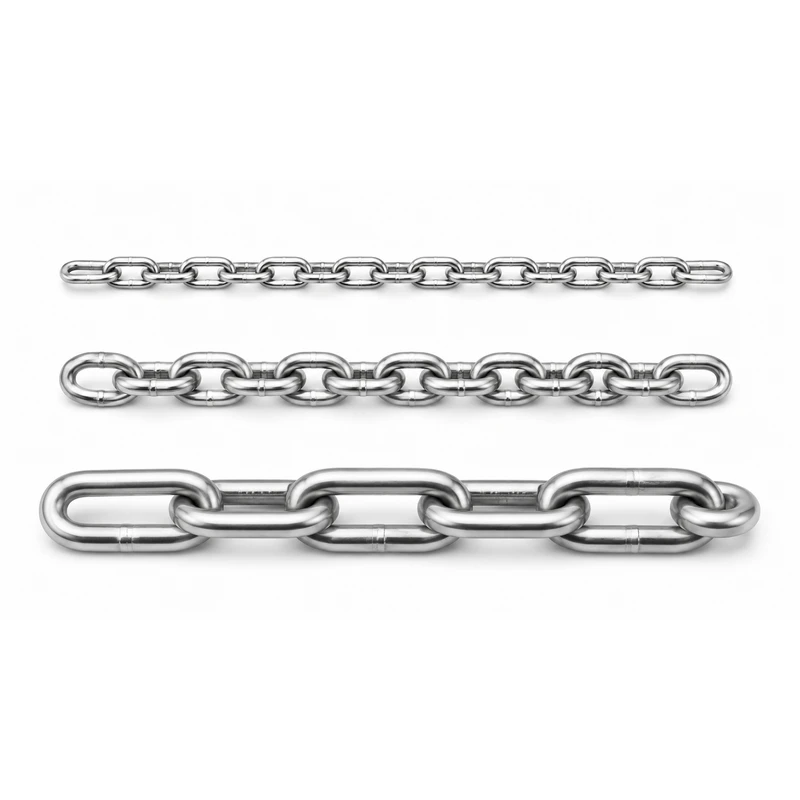
Joining two steel wire ropes is not as simple as placing the cut ends together and tightening a few clamps. The correct connection depends on the rope construction, diameter, load path, application and the exact instructions for the clip, splice or fitting you plan to use. A connection that is acceptable for a static, non-critical restraint may be prohibited for a crane running rope or lifting assembly.
For most jobs, start by identifying the steel wire rope and deciding whether you need an end-to-end extension or an end termination. Then use a manufacturer-approved clip arrangement, a professional splice or an engineered mechanical connection. Never treat a butt-ended clamp as a universal joining method.
Quick Answer
Can you join two wire ropes together? Yes—but only with a connection designed for that purpose. Do not simply butt two rope ends together under U-bolt clips. Use a published, manufacturer-approved configuration for your exact rope and hardware, a splice made by qualified personnel, or an engineered swaged/mechanical fitting.
For lifting, hoisting, crane running rope, personnel handling or another safety-critical duty, do not make a field join unless the rope and equipment manufacturer, applicable standard and a competent person expressly allow it.
Key Takeaways
- Choose the connection method from the application, required capacity, rope construction and available manufacturer instructions.
- Prepare clean, seized rope ends and inspect the rope before joining.
- Use only the clip quantity, spacing, orientation and torque specified for the exact clip model and rope size.
- Do not improvise an end-to-end connection by clamping two straight cut ends together.
- Use trained personnel and documented inspection for any load-bearing or safety-critical connection.
Can You Join Two Wire Ropes Together?
You can connect two steel cables together when the selected method is approved for the rope and the service. The important distinction is between an end-to-end join and a termination. A splice can join two rope lengths.
A swaged connector may also provide an engineered end-to-end joint. By contrast, a clip-secured eye, thimble, socket or wedge socket normally terminates a rope end; it does not automatically create an approved connection between two straight rope ends.
Before selecting hardware, answer four questions: Is the rope carrying a static load or moving over sheaves and drums? Is the connection part of a lifting or personnel-handling system? Does the rope manufacturer permit a field joint? Is there a model-specific installation drawing for the proposed connection? If any answer is unclear, stop and obtain technical approval.
Wire Rope Connection Methods Overview
You have three practical categories of wire rope connection methods: a manufacturer-approved clip configuration, a professional wire rope splice, or an engineered mechanical/swaged connection. Each option has a different purpose and installation requirement.
| Method | Best suited to | Main limitation | Who should install |
| Approved clip arrangement | Service specifically covered by the clip manufacturer’s instructions | Not a universal butt-joint; hardware-specific values are mandatory | Competent installer following the exact instructions |
| End-to-end splice | Applications where the rope construction and governing rules permit splicing | Skill-intensive; affects diameter and flexibility at the joint | Qualified wire-rope splicer |
| Mechanical or swaged connector | Repeatable engineered assemblies and factory-controlled terminations | Requires compatible dies, presses, fittings and verification | Qualified fabricator or assembly manufacturer |
Method 1: Join Two Wire Ropes With Manufacturer-Approved Wire Rope Clips
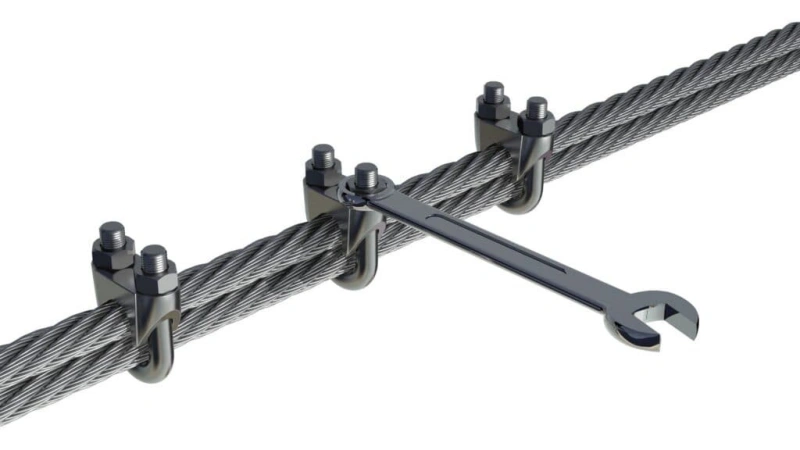
Wire rope clips are commonly used to secure a turned-back rope end and form an eye. Some hardware manufacturers may publish a specific joining arrangement, but you must use the drawing and values supplied for that exact clip type. Review the available wire rope clamps only after you know the rope diameter, finish, construction and application.
A safe high-level workflow is:
- Confirm that the intended end-to-end arrangement is permitted for the application and documented by the clip manufacturer.
- Match the clip type and nominal size to the rope; do not mix components from different clip assemblies.
- Prepare and form the rope exactly as shown in the approved drawing. Do not place two straight cut ends side by side and clamp them as a generic joint.
- Install every clip in the specified orientation, sequence and spacing, then tighten the nuts evenly to the published torque.
- Apply the prescribed initial load or proof procedure when required, then recheck and retorque only as the manufacturer instructs.
- Record the installation and inspect the connection before service and at the required intervals.
This article intentionally does not repeat clip-count, spacing or torque tables. Those values vary by clip design, rope size and manufacturer. Use the product instructions and the dedicated wire rope clip installation guide for installation detail.
Safety Alert: A butt-ended clamp is not an approved universal splice. A U-bolt clip also has a live side and a dead side in its usual eye-termination application; incorrect orientation can damage the loaded rope and reduce holding performance.
How a Proper Clip Arrangement Differs From Butt-Clamping?
In a documented clip arrangement, the rope follows a defined load path and the clips act on the parts identified by the manufacturer. In a butt-clamped joint, two straight ends are merely pressed together with no validated return length, eye geometry or load-transfer design. The two layouts may look similar at a glance, but they are not technically interchangeable.
Method 2: Join Two Wire Ropes by Splicing
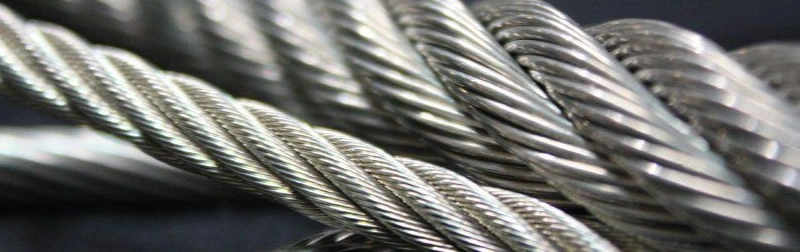
Splicing joins rope strands by unlaying and re-tucking them in a controlled pattern. Short and long splices can connect two rope lengths, but the correct procedure depends on the rope construction, core, lay direction, diameter and service. Rotation-resistant and compacted ropes can require special procedures or may not be suitable for an ordinary field splice.
Because strand tucking is a skilled operation, this page does not duplicate the full procedure. Use the dedicated wire rope splicing guide to understand splice types, then obtain the rope manufacturer’s instructions and have a qualified splicer perform or approve the work. Do not add clips to a finished splice unless the approved procedure specifically requires them.
Method 3: Engineered Mechanical or Swaged Connections
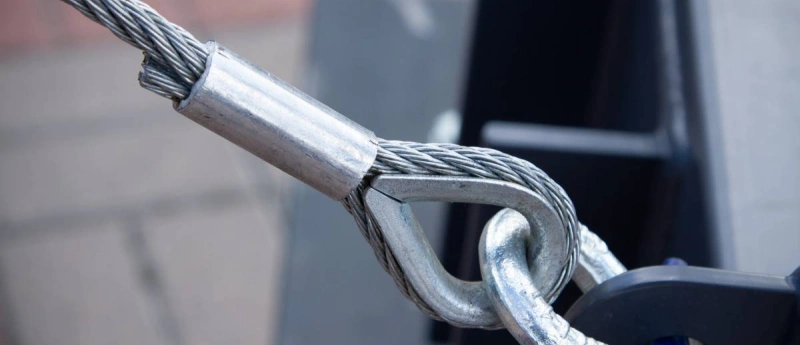
Swaged sleeves, couplers and other wire rope fittings can provide a controlled connection when the fitting, rope, tooling and process are designed as a system. This is not a hand-tool substitute: die selection, press force, finished dimensions, material compatibility and inspection criteria must come from the fitting manufacturer or assembly specification.
An eye termination, socket or wedge socket may be the right answer when the real task is to attach the rope to equipment rather than extend it. Do not force a termination fitting into an end-to-end joining role it was not designed to perform.
How to Prepare the Rope Ends Before Joining?
Proper preparation helps preserve the rope geometry and gives the connection a repeatable starting point. It does not make an unapproved joining method safe.
- Identify the rope diameter, construction, core, lay direction, grade and finish. Confirm that both rope lengths are compatible.
- Remove the rope from service if you find kinks, birdcaging, crushing, severe corrosion, heat damage or other rejection conditions.
Apply the required seizing before disturbing or cutting the rope. See when seizing should be applied to wire rope for the preparation sequence.
Make a clean, square cut with suitable equipment and control the strands. The wire rope cutting guide explains how to reduce fraying.
- Keep the rope and fittings clean, but do not remove factory lubricant unless the approved procedure instructs you to do so.
- Measure and mark the rope only from the selected manufacturer drawing; do not copy generic dimensions from another clip or fitting.
When You Should Not Join a Wire Rope in the Field?
Do not make a field joint in a crane wire rope or another running rope unless the equipment and rope manufacturer expressly permit the method. A local increase in diameter or stiffness can interfere with drums, sheaves, fleet angles and rope guidance.
- The rope supports people, suspended loads or another consequence-of-failure application and no approved joining procedure is available.
- The rope is rotation-resistant, compacted, plastic-impregnated or otherwise construction-sensitive, and the manufacturer has not approved the method.
- The proposed joint must pass through a sheave, drum, fairlead or reeving system.
- The rope ends are damaged, contaminated or incompatible, or the rope identity and service history cannot be confirmed.
- You cannot obtain exact clip, fitting, tooling, torque, verification or inspection instructions.
In these cases, replace the rope with one continuous length or order a factory-made assembly with documented terminations.
How to Choose Between Clips, Splicing, and Fittings?
Choose clips only when a documented clip configuration covers the job and allows periodic access for inspection and retightening. Choose a professional splice when the rope construction and service permit it and joint flexibility or profile matters. Choose an engineered mechanical or swaged connection when you need a repeatable factory process, controlled dimensions and documented verification.
If you are specifying a connection, provide the rope diameter, construction and core; the static, pulling, lifting, crane, marine or structural application; whether the task is end-to-end joining or termination; the required fitting or customer standard; and any manufacturer installation instructions already available.
Inspection After the Connection
Inspect the completed connection before it enters service. Confirm that the installed geometry matches the approved drawing, every component is the correct size and material, nuts or swaged sections meet the specified verification criteria, and the rope shows no crushing, strand displacement, kinks, broken wires or heat damage.
After loading, inspect and retorque only at the intervals required by the hardware manufacturer. Base ongoing inspection and removal decisions on the rope type, application, governing rules and manufacturer criteria—not on a single generic broken-wire or diameter-reduction number. For a broader inspection framework, see the wire rope inspection guide.
Conclusion
You can join steel wire rope securely only when the connection method matches the rope and application. Use a manufacturer-approved clip arrangement, a professional splice or an engineered mechanical connection. Prepare the rope ends carefully, follow the exact instructions for every component and inspect the finished joint before service.
If the rope is used for lifting, hoisting, crane service or personnel handling, do not improvise a field joint. Replace the rope with a continuous length or obtain a qualified, documented assembly solution.
FAQ
Can you connect two steel cables with wire rope clips?
Only when the clip manufacturer publishes an end-to-end configuration for the exact rope, clip and application. Do not place two straight cable ends together and clamp them as a universal connection.
What is the safest way to join two wire ropes together?
The safest method is the one approved for the rope construction and service. Depending on the application, that may be a qualified splice, a factory-swaged connector or a specific manufacturer-approved clip arrangement. Safety-critical systems usually require engineering or manufacturer approval.
Is a wire rope splice stronger than clips?
You cannot compare them with one universal percentage. Capacity depends on the rope, splice or clip design, workmanship, installation and test basis. Use the rated or verified capacity for the exact connection system.
How many wire rope clips are needed?
The required number depends on the clip design, rope diameter and manufacturer instructions. Do not copy a generic table across brands or use the count for an eye termination as proof that an end-to-end joint is approved.
Can you splice rotation-resistant wire rope?
Do not assume that you can. Some special constructions require manufacturer-specific procedures, factory terminations or complete replacement. Confirm the rope identity and obtain written instructions before disturbing the strands.
Need Specification Support?
Send Powerful Machinery the rope diameter, construction, core, finish, application, required load and a sketch showing whether you need an end-to-end join or an end termination. We can help you identify relevant rope, clip and fitting options; final installation and acceptance must follow the applicable manufacturer instructions, standards and competent-person review.