You rely on manual hoists for safe and efficient industrial lifting across construction and equipment handling sites. Many incidents can occur during operation, such as overloading, equipment failure, improper use, or hazardous environments. Hoist safety must always come first to prevent injuries and protect your team.
Powerful Machinery delivers certified hoists trusted by industrial professionals worldwide. You can count on superior lifting performance, reliable equipment, and the highest safety standards for every demanding project.
Key Takeaways
Always conduct a thorough pre-use inspection of your manual hoist to identify hazards and ensure safe operation.
Respect load limits to prevent overloading, which can lead to equipment failure and serious injuries.
Use proper rigging techniques to secure loads and avoid accidents during lifting operations.
Invest in comprehensive operator training to enhance safety and efficiency when using manual hoists.
Perform regular maintenance and inspections to extend the life of your hoist and ensure reliable performance.
Manual Hoists Overview
What Is a Manual Hoist?
You use manual hoists as essential lifting equipment for moving heavy loads in many industrial environments. Each hoist contains several key components that ensure safe and effective operation. These include a load chain or rope, a lower hook for attaching to the load, and a lifting or lowering mechanism.
The ratchet and pawl system locks the load in place when you stop pulling the hand chain. The lifting mechanism converts your effort into vertical movement, while the lift wheel ensures a secure grip on the chain. The hoist frame supports the entire structure, providing stability during lifting.
Component | Description |
|---|---|
Ratchet and Pawl | Prevents the load from falling when you stop pulling the hand chain. |
Lifting Mechanism | Converts your effort into vertical movement of the load. |
Lift Wheel | Engages with the load chain for a secure, non-slip connection. |
Load Chain/Rope | Connects the lower hook to the lifting mechanism for safe lifting. |
Hoist Frame | Supports the lifting mechanism and maintains structural integrity. |
Electric Hoist vs Manual Hoist
You will find that electric hoists and manual hoists serve different needs in industrial lifting. Electric hoists lift heavy loads quickly and efficiently, making them ideal for time-sensitive operations.
They handle higher load capacities and operate at faster speeds. You can control them with push buttons or remote controls, which reduces fatigue and the risk of injury.
Manual hoists, on the other hand, require physical effort and work best for lighter loads, usually not exceeding 2 tons. They operate at a slower pace, which may not suit fast-paced industrial environments. You should choose the right lifting equipment based on your workload and site requirements.
Where Manual Hoists Excel?
Manual hoists excel in environments where electricity is unavailable or unreliable. You can use them on construction sites, in mines, and during field maintenance. Their lightweight design and portability make them perfect for tight spaces and remote locations.
You will also find them valuable in warehousing, automotive repair, food and beverage processing, shipbuilding, and general manufacturing. These hoists provide reliable lifting equipment for low-frequency tasks and safety-priority zones.
You gain flexibility and control, making manual hoists a smart choice for many industrial lifting applications.
Types of Manual Hoists
Manual hoists play a vital role in material handling, especially where you need reliable lifting without access to power. You can choose from several types, each designed for specific tasks and environments.
Hand Chain Hoists
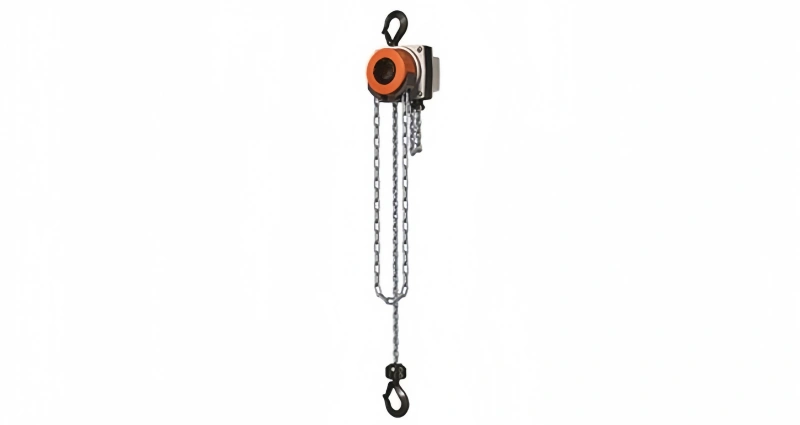
You will find hand chain hoists engineered for portability and strength. These devices use a hand-operated chain system to lift and lower loads with precision.
You can use them in tight spaces or low-headroom areas, making them ideal for many industrial settings. The following table highlights their typical load capacity and applications:
Load Capacity | Applications |
|---|---|
1 Ton | Lifting and pulling in confined spaces, low headroom, and maximum lift needs |
Hand chain hoists offer straightforward operation. You pull the hand chain, and the internal mechanism raises or lowers the load. You benefit from secure anchors and overload protection, which help keep your worksite safe.
Lever Hoists
Lever hoists use a lever system instead of a hand chain. You operate these hoists by moving a handle back and forth, which gives you precise control over both vertical and horizontal lifting.
Lever hoists are compact and user-friendly, making them perfect for smaller jobs or when you need to move loads in different directions. The table below compares key features:
Feature | Lever Hoists | Hand Chain Hoists |
|---|---|---|
Operation | Vertical and horizontal lifting, versatile | Vertical lifting, simple mechanism |
Safety Features | Secure anchors, safety latches, overload protection | Overload protection, secure anchors |
You can rely on lever hoists for secure lifting, thanks to reliable brake systems and compliance with industry standards.
Wire Rope and Trolley Hoists
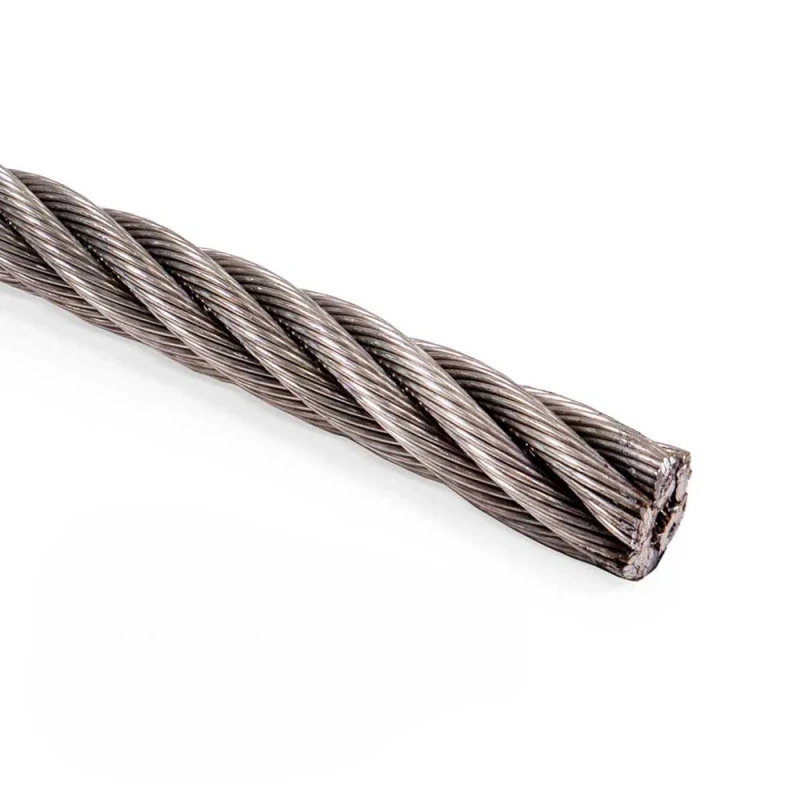
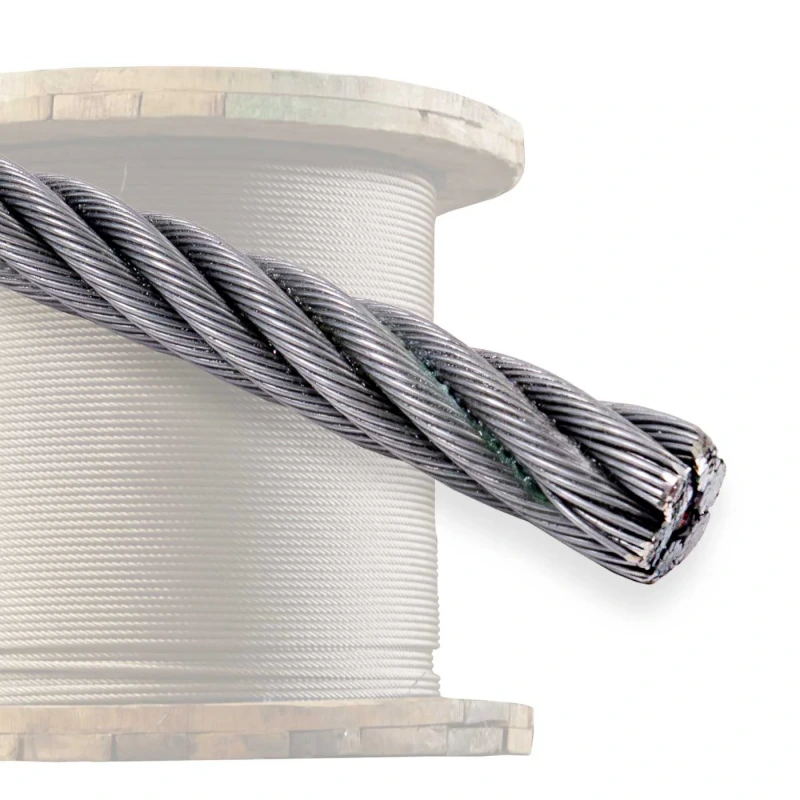
Wire rope and trolley hoists excel in heavy-duty lifting scenarios. You use wire rope hoists for large-tonnage loads, where precision and durability matter most. Their robust structure and advanced gearbox provide reliable deceleration and braking.
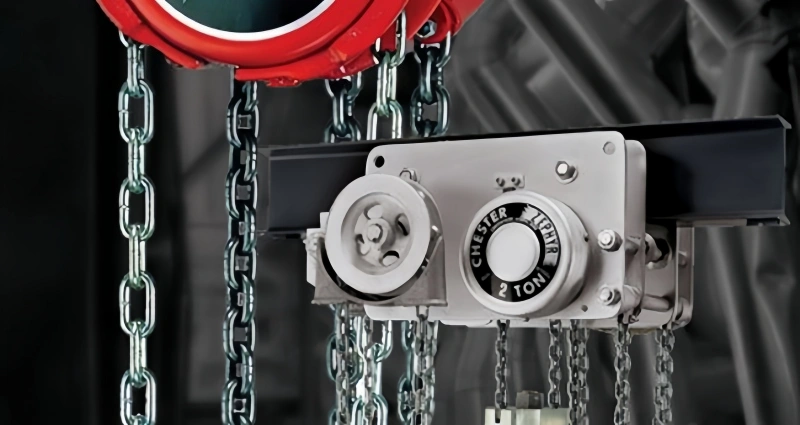
These hoists are essential for efficient operations in warehouses and construction sites. Trolley hoists allow you to move heavy loads along beams, increasing flexibility and safety.
Tip: For demanding projects, manual construction hoists offer unmatched reliability, especially in remote or hazardous locations where electric construction hoists or hydraulic construction hoists may not be practical.
Wire rope hoists deliver precise control and long-term durability, making them a top choice for continuous heavy-load operations.
Lifting Equipment Features
Load Capacity and Materials
You need lifting equipment that can handle tough jobs and keep your team safe. The lifting capacity of each hoist depends on the materials used in its construction. High-strength steel chains and forged steel hooks give you confidence during every lift.
These materials resist wear and twisting, which helps maintain safety features and extends the life of your equipment. The table below shows the main materials used in manual lifting equipment:
Material Type | Purpose |
|---|---|
High-strength steel | Used for chains to ensure durability and safety in lifting operations. |
Forged steel | Used for load hooks to provide strength and prevent twisting of the load. |
High-quality materials | Overall construction to ensure long-lasting performance and minimal maintenance. |
You can trust these materials to deliver reliable lifting capacity for your most demanding projects.
Durability and Certifications
You want lifting equipment that meets strict standards for safety and performance. Manual hoists from Powerful Machinery comply with international standards, including CE for the EU market and ASME B30.16 for the US. These certifications confirm that your equipment meets health, safety, and environmental requirements.
You also benefit from ISO 4301-1 for general design, ISO 4309 for hook design, and EN 13157 for technical and safety standards. These certifications ensure your lifting equipment includes advanced safety features and reliable operation.
CE certification for the EU market
ASME B30.16 certification for the US market
ISO 4301-1: General design requirements for hoists
ISO 4309: Hook design standards
EN 13157: Technical requirements and safety standards for manual chain hoists
You can rely on these standards to protect your team and your investment.
Powerful Machinery Product Advantages
You gain a competitive edge with Powerful Machinery’s manual hoists. The company manufactures lifting equipment in-house, which allows for strict quality control and fast delivery. Every hoist undergoes full load testing to verify lifting capacity and safety features.
You can choose from a wide range of certified products, including custom solutions for unique lifting needs. Powerful Machinery supports OEM branding and offers spare parts planning, making your equipment reliable and easy to maintain.
You benefit from equipment that meets or exceeds all major international standards, giving you peace of mind on every job.
Tip: Choose Powerful Machinery for lifting equipment that combines versatility, reliability, and certified safety features for any industry.
Manual Hoists Applications
Construction and Manufacturing
You depend on manual hoists for safe and efficient lifting equipment in construction and manufacturing. These tools support heavy lifting tasks and improve safety across job sites. You use manual hoists to move steel beams, concrete blocks, and other materials.
In manufacturing, you rely on lifting equipment for assembly lines and maintenance work. Manual hoists help reduce downtime by allowing quick repairs and adjustments. You also see these hoists in the entertainment industry, where they rig and move equipment for theaters and concert halls.
Application Area | Description | Benefits |
|---|---|---|
Construction | Enhances safety and efficiency in heavy lifting applications. | Reduces accidents in the work environment. |
Manufacturing | Used for assembly lines and maintenance work. | 20% reduction in downtime for repairs. |
Entertainment Industry | Employed for rigging and moving equipment in theaters and concert halls. | Provides safe and efficient vertical lifting. |
Note: Manual hoists from Powerful Machinery deliver certified lifting equipment that meets strict safety standards for construction and manufacturing sites.
Marine, Mining, and Energy
You encounter demanding environments in the marine, mining, and energy sectors. Manual hoists provide reliable lifting equipment where electrical power is limited or hazardous. You use these hoists to lift anchors, secure cargo, and handle equipment on ships.
In mining, you move heavy machinery and materials underground. Energy operations require lifting equipment for maintenance and installation of turbines, generators, and other critical components. Manual hoists offer precise control and durability, making them essential for industrial lifting in these sectors.
Warehousing and Equipment Distribution
You rely on manual hoists to streamline warehousing and equipment distribution. These tools facilitate lifting and stacking goods, optimizing storage space, and improving inventory management. You find manual hoists useful in tight spaces or areas with limited forklift access.
They handle substantial weights without electrical power, ensuring continuous operation. You enhance efficiency in loading and unloading processes and boost productivity across supply chain operations.
Facilitates the lifting and stacking of goods
Optimizes storage space and improves inventory management
Useful in tight spaces or areas with limited forklift access
Handles substantial weights without electrical power, ensuring continuous operation
Enhances efficiency in loading and unloading processes
Streamlines supply chain operations and boosts overall productivity
Tip: You can integrate manual hoists into overhead cranes for safe lifting of heavy loads in logistics centers and production lines. These tools are commonly employed in the automotive and construction industries.
How to Use a Manual Hoist?
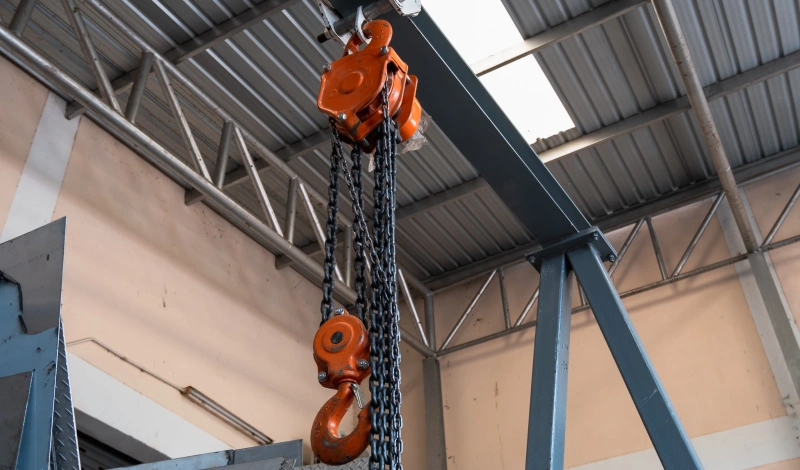
You must follow strict procedures to ensure hoist safety and reliable lifting operations. Each step, from inspection to operator training, plays a vital role in protecting your team and your equipment. Powerful Machinery’s certified manual hoists support these best practices, giving you confidence in every lift.
Pre-Use Inspection
You should never skip inspections before starting any lifting operations. A thorough pre-use inspection helps you spot hazards and prevent accidents. Follow these steps each time you use your lifting equipment:
Conduct a Visual Sweep
Walk around the hoist and check the overall condition. Look for cracks, bent parts, missing labels, or fluid leaks.Inspect the Load Chain or Wire Rope
Examine the entire length for wear, kinks, corrosion, or broken wires. The chain or rope is the lifeline of your lifting equipment.Check Hooks and Latches
Make sure hooks are not twisted or stretched. Confirm that safety latches close fully and move freely.Test Limit Switches
Activate the upper and lower limit switches to ensure they work correctly. These switches prevent over-travel and equipment damage.Perform a Functional Test
Operate the hoist without a load. Listen for unusual noises and check for smooth movement.Document and Report
Record your inspection in a logbook or checklist. Report any problems immediately and remove faulty equipment from service.
Tip: Regular inspections help you maintain hoist safety and extend the life of your lifting equipment.
Load Limits and Rigging
You must always respect the load limits of your manual hoists. Overloading can cause equipment failure and serious injuries. Industry standards require strict load testing to verify the capacity of your lifting equipment.
Load Test Requirement | Percentage of Rated Load |
|---|---|
Minimum Load Test | 100% |
Maximum Load Test | 125% |
New hand-chain-operated hoists must pass a load test at 125% of their rated load before use. Always check the manufacturer’s label for the maximum load. Never guess the weight of your load.
Safe rigging is just as important as load testing. Use these techniques for secure lifting operations:
Know the exact weight of your load before lifting.
Select the correct hitch to connect slings to the load securely.
Consider sling angles and tension to avoid overload.
Match the sling type to the job, not just the load capacity.
Make sure the load hook and upper suspension form a straight line.
Avoid tipping or side-loading the hooks.
Attach slings or lifting devices only to engineered lift points.
Never stand under a suspended load or move loads over people.
Note: Powerful Machinery’s lifting equipment comes with clear load markings and full certification, supporting your commitment to hoist safety.
Safe Lifting Techniques
You must use safe lifting techniques every time you operate a hoist. These steps help you prevent accidents and protect your team:
Inspect the chain, hooks, and mechanical components before each use.
Confirm that the load matches the capacity of your lifting equipment.
Set up the hoist at a secure anchor point and balance the load.
Begin lifting slowly and in a controlled manner. Avoid sudden jerks or rapid movements.
Monitor the lift at all times. Communicate clearly with your team to coordinate lifting operations.
Lower the load gently and make sure it is stable before removing the hoist.
Alert: Never work under a suspended load. Always keep the area clear during lifting operations.
Regular maintenance and proper inspections keep your lifting equipment in top condition. Powerful Machinery’s certified manual hoists undergo full load testing and quality checks, ensuring reliable performance for every lift.
Operator Training
Proper training is essential for hoist safety and effective lifting operations. You must ensure that every operator receives comprehensive training before using any lifting equipment. Training should cover:
Training Component | Description |
|---|---|
Equipment Functions | Learn how to operate all controls and understand each function. |
Load Limits | Know how to assess and respect the rated capacity of the equipment. |
Emergency Protocols | Practice stopping the hoist quickly and evacuating workers safely. |
Safety Practices | Follow all safety rules to avoid accidents during lifting. |
Communication | Use clear signals and instructions with your team. |
Weather Conditions | Adjust lifting operations for rain, wind, or extreme temperatures. |
You must reinforce proper training with regular refreshers and hands-on practice. Operators should demonstrate their skills before working independently. Powerful Machinery supports your safety goals by providing detailed manuals and technical support for all lifting equipment.
Tip: Invest in proper training and routine inspections to build a culture of hoist safety and protect your workforce.
Common Hoist Safety Mistakes
You must stay alert to common mistakes that can compromise hoist safety. Following hoist safety regulations and applying tips for improving hoist safety will help you avoid accidents and protect your team.
Overloading
Overloading remains one of the most frequent violations of hoist safety regulations. When you exceed the rated capacity, you increase the risk of mechanical failure and serious injury.
Always check the load rating before lifting. Only operate the hoist by hand, and never allow more than one person to pull the chain. Use hoists with overload protection devices and maintain them regularly.
Best Practice | Explanation |
|---|---|
Operate manually | Use only hand power to avoid mechanical failures and comply with regulations. |
One operator rule | Prevent overload by limiting to one operator per lift. |
Use overload protection | Choose hoists with built-in protection and keep devices maintained. |
⚠️ Never guess the weight of your load. Overloading can cause brake failure, chain breakage, and severe accidents.
Misalignment and Clearance
Misalignment and poor clearance can undermine hoist safety. Lifting at an angle or using a twisted chain puts uneven stress on the gear system and chain guide. You may notice grinding noises, jerky movement, or the inability to lift the rated load.
Always ensure the load chain hangs straight and the hoist aligns vertically with the load.
Component | Potential Issue | Symptoms |
|---|---|---|
Gear System | Misalignment | Grinding noise, jerky movement |
Chain & Sprocket | Jammed chain guide | Chain jumps teeth, unusual noises |
Tip: One of the best tips for improving hoist safety is to check alignment and clearance before every lift.
Incompatible Rigging
Using incompatible rigging threatens both safety and compliance with hoist safety regulations. Worn or frayed slings, knotting chains, or mixing incompatible gear can lead to load slippage or sudden failure. Always use rigging that matches the hoist and the load. Avoid improper hitch arrangements and ensure balanced lifts.
Never knot chains to shorten them.
Inspect slings for wear before use.
Use only compatible hardware and lifting points.
Note: The following tips for improving hoist safety include selecting the right rigging for every job.
Skipping Inspections
Skipping inspections is a major breach of hoist safety regulations. Ignoring wear and tear increases the risk of accidents and equipment failure. You should inspect your hoist before each use, checking for cracks, corrosion, and proper function.
Document every inspection and remove any faulty equipment from service immediately.
Regular inspections help you spot hazards early.
Maintenance extends equipment life and ensures safety.
Compliance with hoist safety regulations protects your workforce.
Remember: Consistent inspections are one of the most effective tips for improving hoist safety.
Hoist Maintenance Tips
Routine Manual Hoist Inspection
You must prioritize routine inspection as the foundation of effective maintenance. Regular checks help you catch problems early and keep your equipment safe. Industry guidelines recommend different inspection intervals based on usage and condition. The table below outlines the recommended schedule:
Inspection Type | Frequency | Description |
|---|---|---|
Initial Inspection | Before initial use or after modifications | Conducted by a designated person to ensure compliance with ASME B30.16. |
Frequent Inspection | Weekly to monthly | Visual examination by competent personnel to check for proper operation and identify unusual sounds. |
Periodic Inspection | Monthly to annually | Detailed inspection requiring high competence, covering all items in Frequent Inspection plus more. |
Hoists Not in Regular Service | After 1 month or 1 year of inactivity | Frequent or periodic inspection is required before returning to service. |
Inspection Records | Ongoing | Dated reports should be maintained for accountability and safety assessments. |
You should always document your findings and address any issues before returning the equipment to service.
Lubrication and Corrosion Prevention
Proper lubrication and corrosion prevention extend the life of your equipment and reduce downtime. You can follow these best practices for effective maintenance:
Best Practice | Description |
|---|---|
Protective Coatings | Apply epoxy or zinc-based coatings to metal parts to block rust caused by humidity. |
Regular Maintenance | Inspect for rust, clean all components, and lubricate moving parts to keep the hoist working well. |
Environmental Control | Use dehumidifiers and keep the area ventilated to lower humidity around the hoist. |
Wipe down the equipment after each use with a damp towel.
Use mild soap and water for occasional deep cleaning. Dry the equipment completely before storing or using it again.
Apply the manufacturer’s recommended lubricant to the chain and gears at least once or twice a year. This prevents rust and ensures smooth operation.
Tip: Consistent maintenance not only prevents corrosion but also ensures reliable performance in demanding environments.
When to Repair or Replace?
You need to know when to repair or replace your equipment to maintain safety and efficiency. Watch for these signs:
Repeated failures signal that the equipment may need replacement.
If you cannot find replacement parts, consider replacing the equipment.
When repair costs exceed 50% to 60% of the price of a new unit, replacement is often the best choice.
If an inspector recommends replacement due to significant wear or damage, follow their advice.
You protect your team and investment by making timely decisions about maintenance and replacement.
Conclusion
You ensure safety by following proper inspection, rigging, and operation steps every time you use manual hoists. Choose certified lifting solutions from Powerful Machinery to support construction safety and reliable performance.
Regular maintenance and operator training help you prevent accidents and extend equipment life. Trust in quality equipment and best practices to keep your team safe and your projects on track.
FAQ
What industries benefit most from manual hoists?
You find manual hoists essential in construction, manufacturing, marine, mining, energy, and warehousing. These industries rely on manual hoists for safe, reliable lifting where electricity is limited or unavailable.
How often should you inspect a manual hoist?
You should inspect your manual hoist before every use. Schedule frequent inspections weekly or monthly, and conduct detailed periodic checks at least once a year to ensure safety and performance.
Can you use manual hoists outdoors?
Yes, you can use manual hoists outdoors. Always check for weather resistance and apply protective coatings. Store your hoist in a dry place after use to prevent corrosion and extend its service life.
What safety certifications should you look for?
Look for CE and ISO certifications. These standards confirm that your manual hoist meets international safety and quality requirements. Powerful Machinery provides fully certified products for peace of mind.
Can you customize manual hoists for specific needs?
You can request custom specifications, OEM branding, and tailored solutions from Powerful Machinery. The company supports unique project requirements and delivers manual hoists designed for your application.