
Wire Rope Hoists Manufacturer for Heavy-Duty Lifting
OEM manufacturing | Technical selection support | Custom configuration | Long-term spare parts support
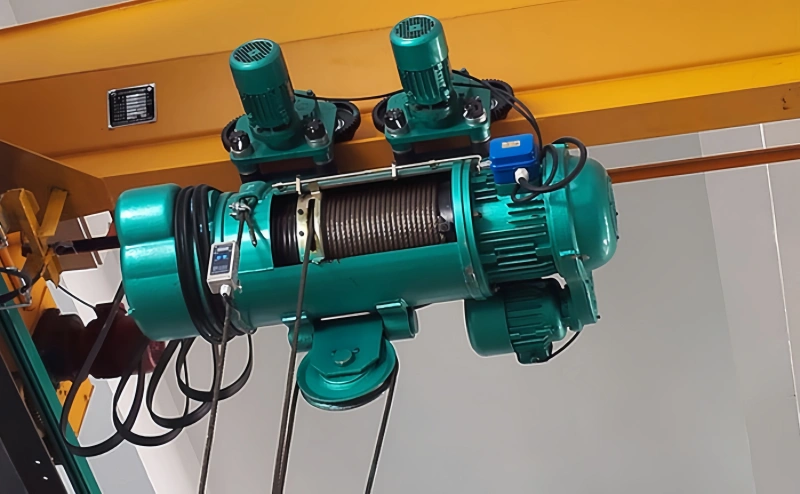
Powerful Machinery manufactures and supplies wire rope hoists for crane systems, workshops, warehouses, ports, steel plants and OEM lifting projects. Choose electric, manual, monorail, low-headroom, double-girder or pneumatic configurations with capacity, lift height, speed and control options matched to your working conditions.

Manufacturer control over materials, machining, assembly and inspection helps keep hoist quality consistent from order to order.
OEM customization supports distributors, crane builders and industrial buyers who need private-label, project-specific or repeat-order solutions.
Application support helps match hoist type, capacity, duty cycle, control method and safety components to your operating environment.
Related rigging supply lets you source steel wire rope, wire rope fittings, clamps, shackles, slings and lifting hardware from one manufacturing partner.
WIRE ROPE HOIST TYPES WE SUPPLY
Every lifting project is different. We help you select the right hoist structure, rope reeving, trolley type, control system and safety configuration before production.
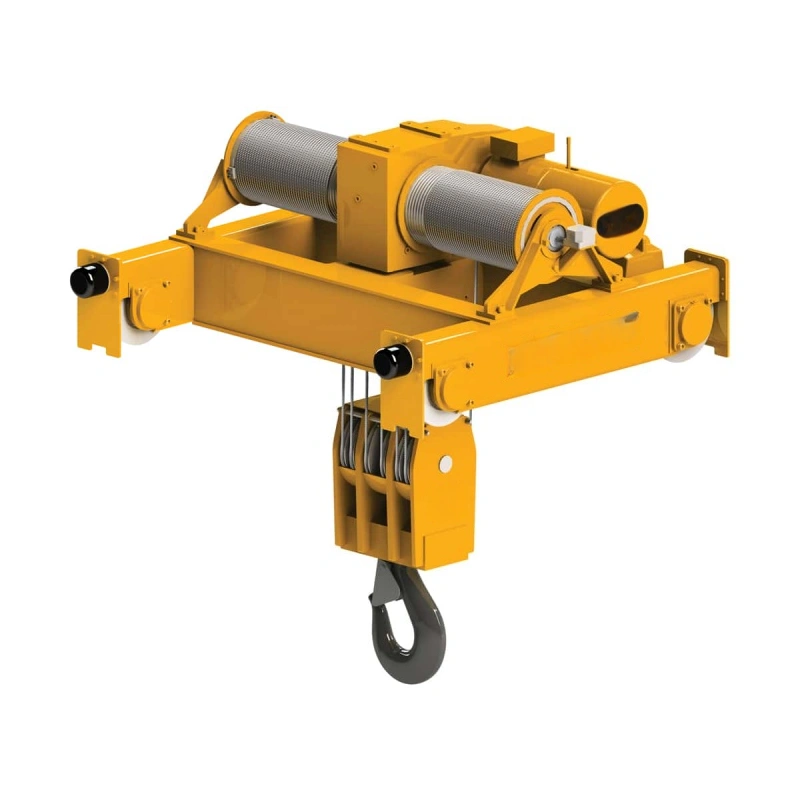
Electric wire rope hoists use a motor-driven rope drum for fast, stable and repeatable lifting. They are suitable for frequent industrial operation, overhead cranes, gantry cranes, production lines and equipment maintenance areas.

Manual wire rope hoists are suitable for maintenance, temporary lifting, remote work sites and areas where electrical power is limited. They provide controlled lifting with simple operation and low setup requirements.

Monorail Wire Rope Hoist
Monorail wire rope hoists travel along straight or curved beams to move loads through a defined production route. They are useful for workshops, warehouses and assembly lines that need efficient point-to-point material handling.

Double Girder Overhead Wire Rope Hoists
Double girder wire rope hoists are designed for higher capacities, wider spans and demanding duty cycles. The trolley or crab unit runs on two beams for stable lifting and precise load positioning.

Low Headroom Wire Rope Hoist
Low headroom wire rope hoists reduce hook-to-beam distance to increase usable lifting height in buildings with limited ceiling clearance. They are recommended when every millimeter of lifting space matters.

Pneumatic Wire Rope Hoist
Pneumatic wire rope hoists use compressed air instead of electric power. They can be considered for special environments where air power is preferred or where project-specific safety requirements limit electrical equipment.
How to Choose the Right Wire Rope Hoist?
1. Confirm rated load, dynamic load conditions and safety factor requirements.
2. Define lift height, hook approach, headroom and beam or crane structure.
3. Select power supply, hoisting speed, travel speed and control method.
4. Match duty class to operating frequency, working hours and load spectrum.
5. Confirm environmental requirements such as outdoor use, heat, dust, humidity, corrosion or hazardous area classification.
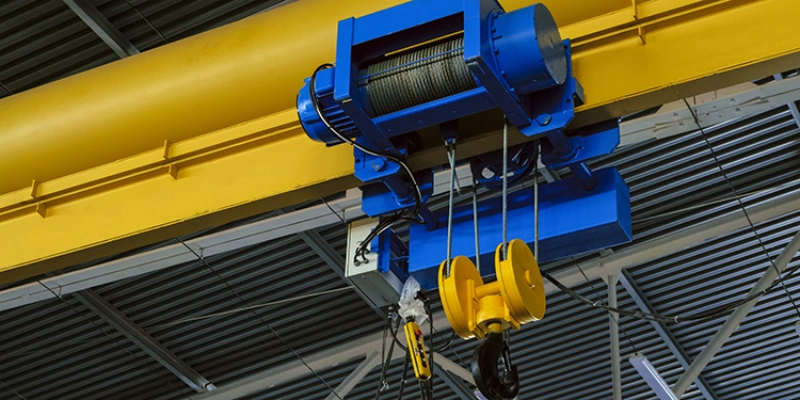
Common Wire Rope Hoist Applications
Wire rope hoists are widely used for machinery lifting, mold handling, steel fabrication, production-line transfer, warehouse handling, port maintenance, mining service, power generation, shipyard work and heavy equipment assembly.
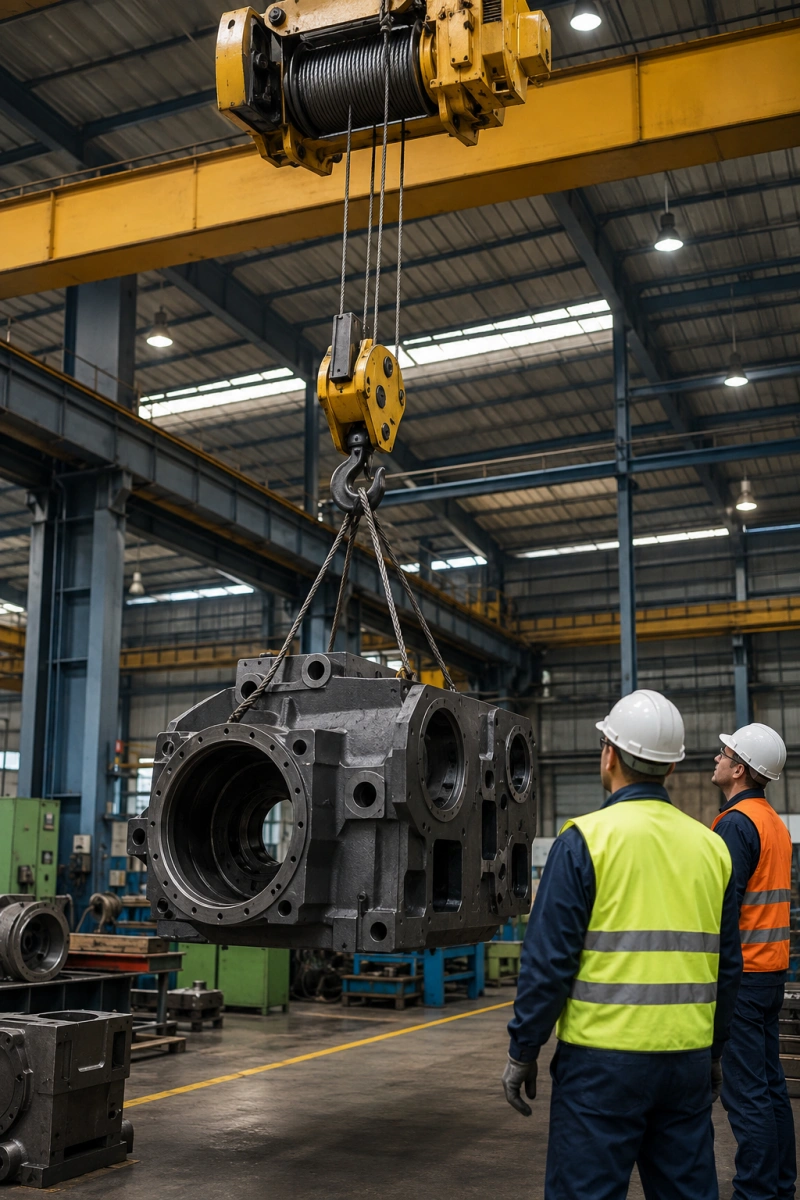
Machinery Lifting
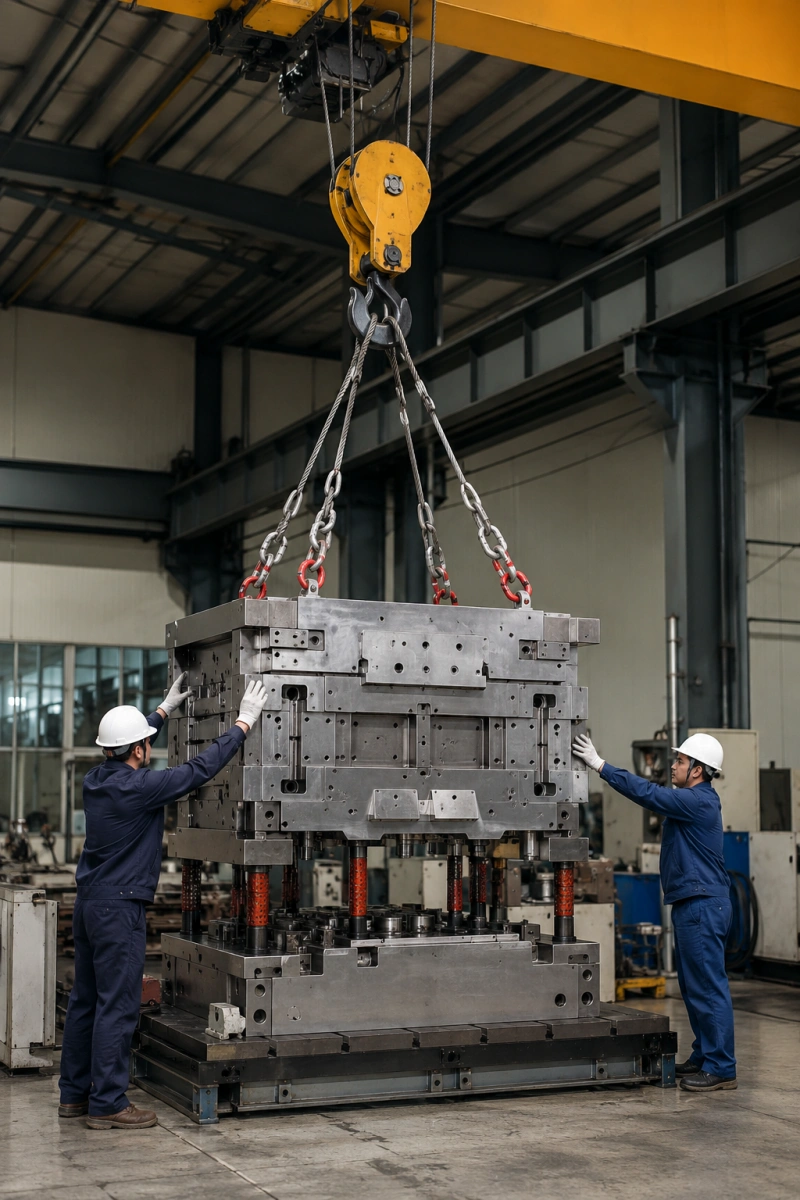
Mold Handling
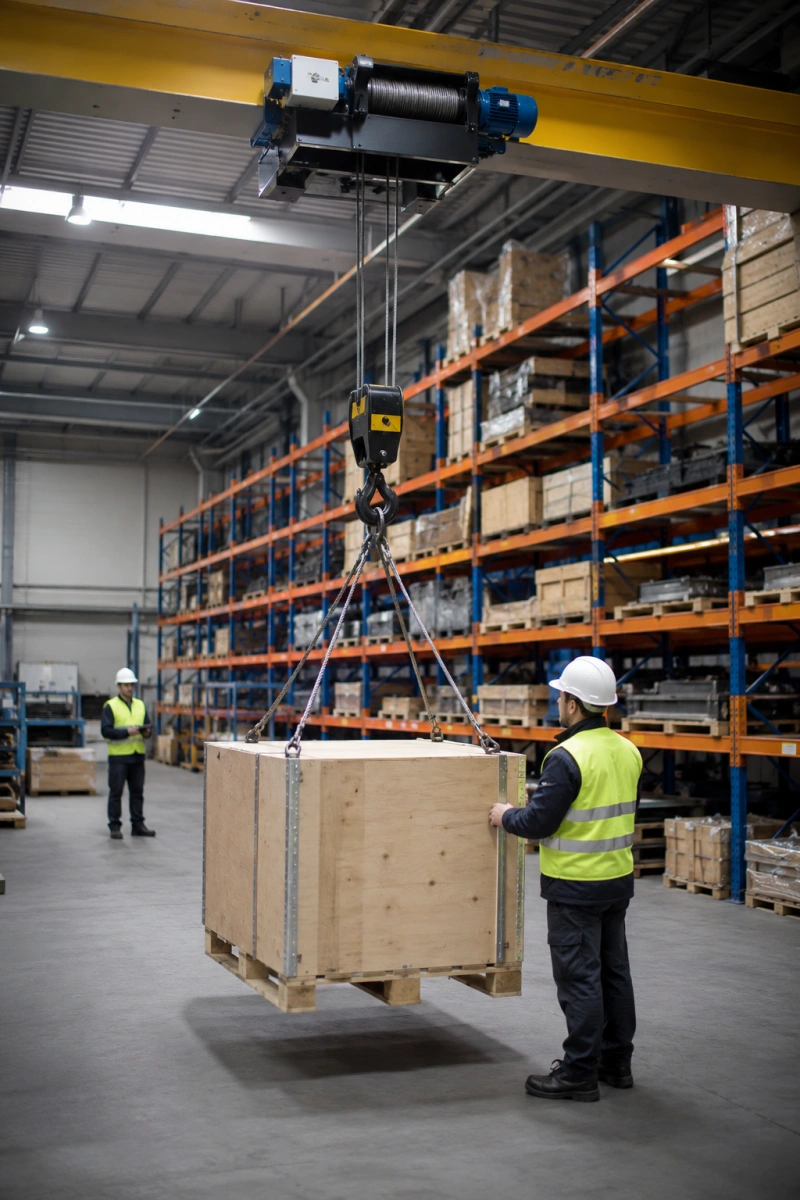
Warehouse Handling
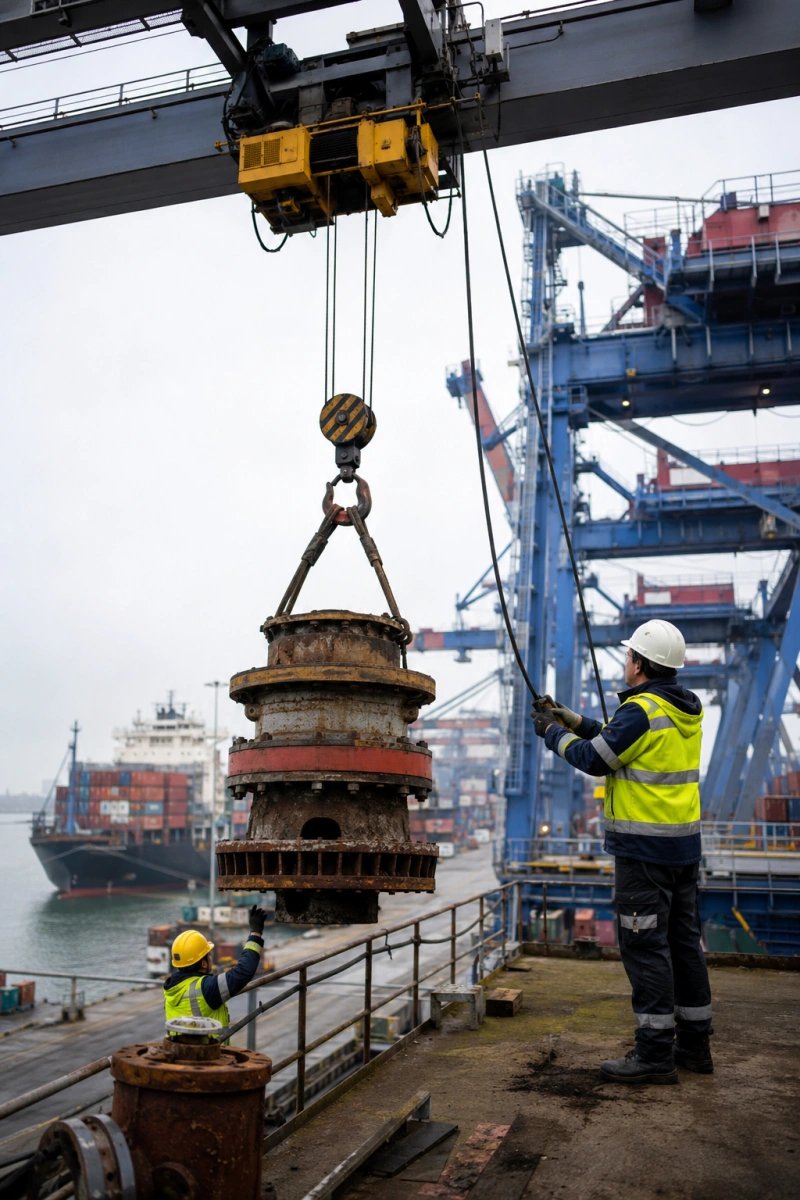
Port Maintenance
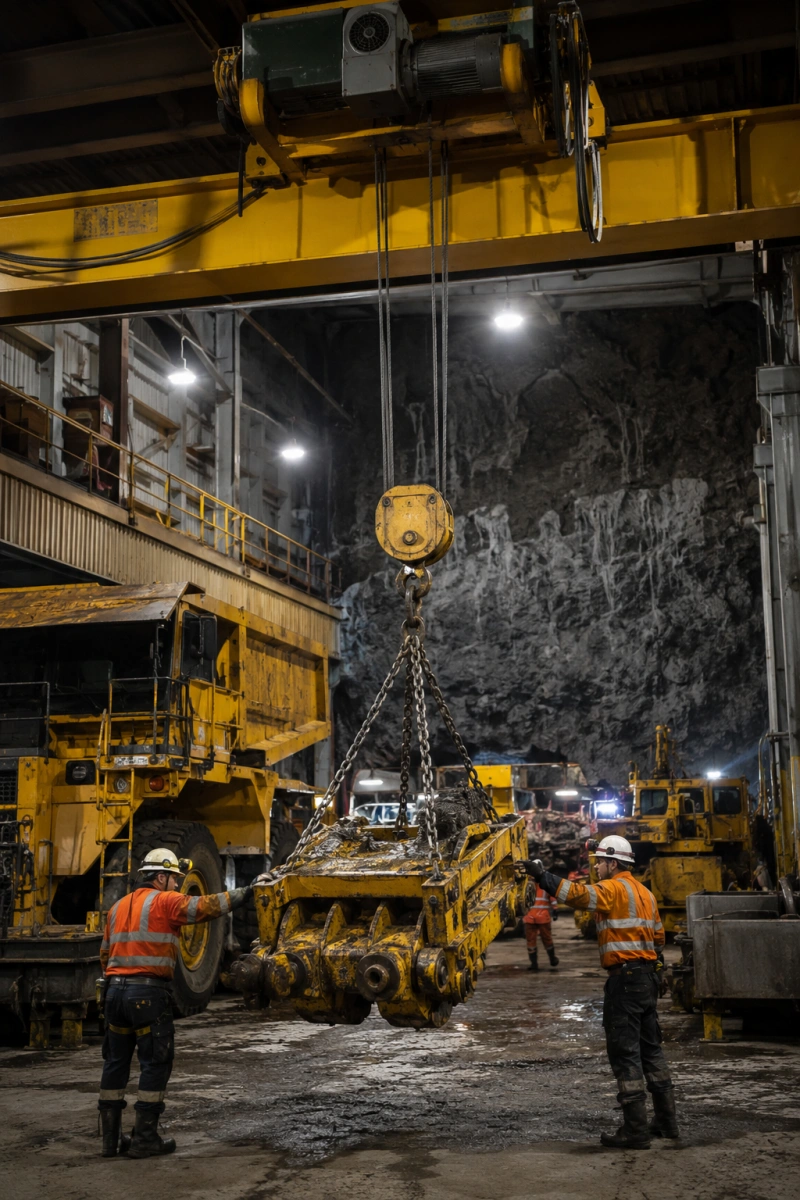
Mining Service
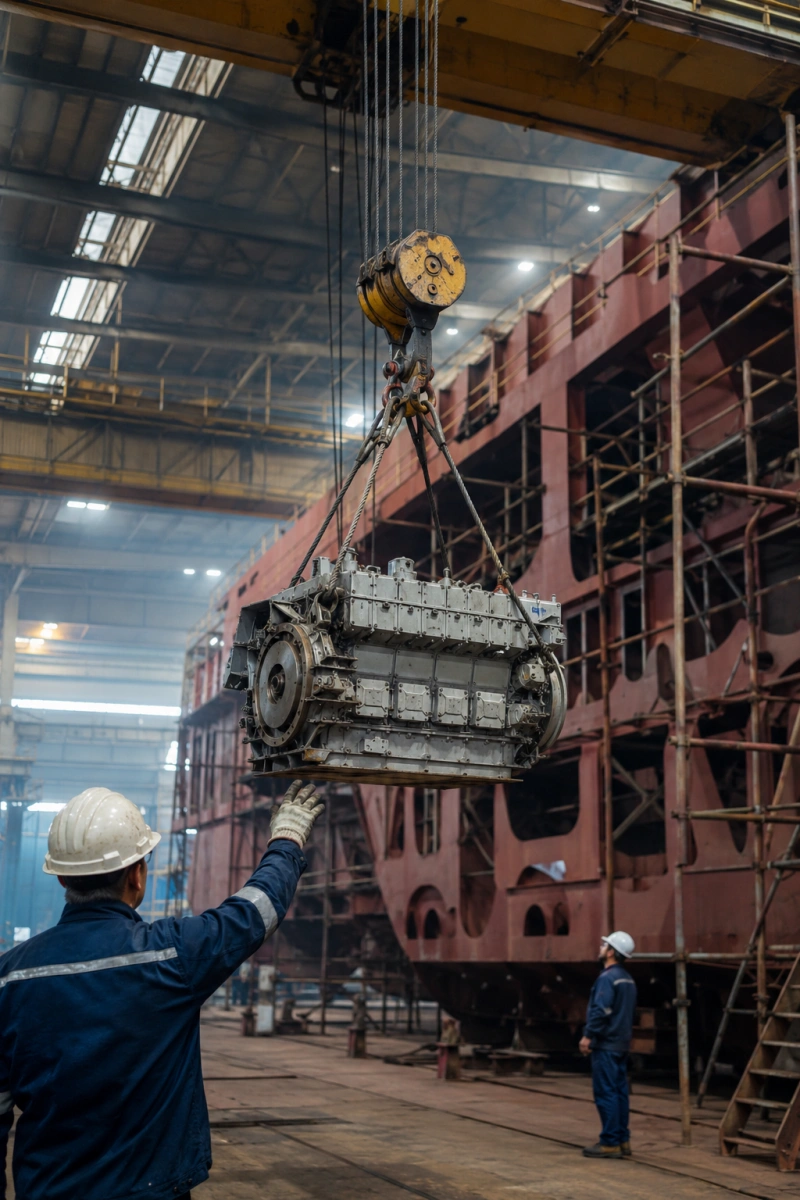
Shipyard Work
Custom Wire Rope Hoist
Available project options may include low-headroom structure, single or double trolley, VFD control, remote control, overload protection, limit switches, special rope construction, outdoor protection, corrosion-resistant coating and documentation packages.
Wire Rope Hoist Maintenance
Inspect the wire rope, drum, rope guide, hook, brake, limit switch, gearbox, trolley wheels and electrical or pneumatic controls on a scheduled basis. Replace worn parts with compatible components and keep inspection records for safety management.
Guide to Wire Rope Hoist
Our guide to wire rope hoists helps you understand shackle types, applications, and selection tips so you can choose safe, reliable lifting equipments.
What is a Wire Rope Hoist?
Wire rope hoists are lifting devices which lift and lower loads through winding of steel ropes around drums. This type of equipment is usually employed in cases where greater capacities, high lifting heights, and increased operations are necessary.
Wire Rope Hoist vs Chain Hoist: What's the Difference?
Wire rope hoist is generally considered to be preferable where heavy loads need to be raised long distances. Chain hoist on the other hand is generally smaller and less expensive than the former. For a closer look at load capacity, duty cycle, lifting speed, operating environment, and maintenance requirements, see our chain hoist vs wire rope hoist selection guide.
Advantages of Wire Rope Hoists
Wire rope hoists provide unmatched lifting speed, precision, and reliability. You benefit from:
Robust steel ropes and drums for high durability
Advanced braking systems for safe operation
Long lift heights for overhead cranes, jib cranes, and monorails
Adaptability in harsh or continuous-duty environments
Selecting wire rope hoists ensures operational efficiency, fewer maintenance intervals, and compliance with industrial safety standards. Reach out to discuss custom options for your facility.
Wire Rope Hoist Maintenance
Proper wire rope hoist maintenance maximizes hoist life and performance. You should:
Inspect ropes, hooks, drums, and gears for wear
Check brake efficiency and electrical/pneumatic connections
Lubricate ropes and gear systems regularly with manufacturer-approved oils
Track operating hours and service intervals
Following these steps prevents downtime, ensures consistent lifting performance, and keeps your hoist compliant with safety standards. Request a maintenance schedule from our team.
How to Choose the Right Wire Rope Hoist?
Selecting a wire rope hoist requires careful assessment. You should:
Define load capacity, lift height, and duty cycle
Evaluate headroom, workspace, and power supply
Match hoist speed, rope grade, and safety features to your operations
Consider integration with cranes, monorails, or jib systems
Correct selection ensures precise lifting, operational efficiency, and long-term reliability. Contact us for personalized recommendations.
Wire Rope Hoist Installation Guide
Safe installation is essential for efficiency. You should:
Verify beam capacity and track alignment
Mount hoist securely on single or double girder cranes
Connect electrical or pneumatic controls per manufacturer diagrams
Test limit switches, brakes, and no-load operation before use
Proper installation prevents structural stress, enhances lift accuracy, and ensures compliance. Ask us for installation support and load charts for your project.
Wire Rope Hoist Safety Tips
Safety reduces risks and maintains uptime. You should:
Confirm load limits, brake function, and rope condition before each lift
Ensure hooks are properly latched and travel paths are clear
Train operators and enforce proper handling procedures
Conduct regular inspections and follow manufacturer guidelines
Implementing these practices protects personnel, maintains regulatory compliance, and extends hoist life. Contact us for safety audit checklists.
Wire Rope Hoist Troubleshooting
Quick troubleshooting minimizes downtime. You should:
Check power supply, control wiring, and emergency stops
Inspect drum rotation, hook condition, and rope alignment
Verify brakes, limit switches, and overload protection
Replace worn components with manufacturer-approved parts
Systematic checks restore lifting performance, prevent damage, and keep your operations running smoothly. Reach out for technical support from our engineers.
Upgrading or Customizing Wire Rope Hoists
Customization maximizes performance for specific applications. You can:
Add VFDs for precise speed control and micro-lifts
Choose low headroom or extended lift designs
Select galvanized ropes, heat-resistant finishes, or modular components
Integrate with overhead, jib, or monorail cranes
Manufacturer-backed customization ensures compliance, efficiency, and reliability. Contact us to design a hoist tailored to your operations.
Can You Customize an Oem Wire Rope Hoist?
Yes. We can discuss OEM requirements such as capacity, lift height, trolley type, control system, color, nameplate, packaging and documentation according to project needs.
Which Wire Rope Hoist is Best for Low Ceiling Clearance?
A low-headroom wire rope hoist is recommended when the building has limited ceiling clearance and the project needs to maximize usable lifting height.
How Often Should a Wire Rope Hoist Be Inspected?
The frequency of inspection depends on duty cycle, load spectrum, and operating conditions. The operator needs to inspect visual safety features before usage, with regular inspection by a professional based on the maintenance schedule.
Can You Help Choose the Right Capacity?
Yes. Plz send your maximum load, lifting method, duty cycle and safety requirements. We will recommend a suitable rated capacity and configuration for quotation.
Have More Questions of Wire Rope Hoists?
Send your lifting capacity, lift height, duty cycle and installation environment. Our team will recommend a wire rope hoist configuration and prepare a quotation for your project.